
LiDAR (Light Detection and Ranging) technology has emerged as a cornerstone of innovation in both the automotive and industrial sectors. By using laser pulses to measure distances and create high-resolution 3D maps, LiDAR enables precise object detection, navigation, and environmental sensing. Over the past decade, LiDAR Market Trends have accelerated significantly, driven by the demand for autonomous vehicles, smart industrial systems, and advanced robotics.
The growth of the LiDAR market is not only fueled by technological innovation but also by increasing adoption in applications requiring safety, efficiency, and automation. This article explores the key drivers, applications, technological advancements, challenges, and future outlook shaping LiDAR Market Trends across automotive and industrial domains.
Understanding LiDAR Technology
LiDAR systems use laser beams to detect and measure the distance to objects. By calculating the time it takes for light to reflect back to the sensor, LiDAR generates precise 3D point clouds that represent the surrounding environment.
Key advantages of LiDAR include:
-
High-accuracy distance measurement
-
Real-time environmental mapping
-
Superior object detection in challenging conditions
-
Integration with AI and autonomous systems
These features make LiDAR a preferred technology in automotive safety systems, industrial automation, and robotics, contributing to LiDAR Market Trends globally.
Key Drivers of LiDAR Market Trends
1. Growth of Autonomous Vehicles
Autonomous and semi-autonomous vehicles require highly accurate environmental sensing to navigate safely. LiDAR provides real-time 3D maps and object detection capabilities, making it a critical component in self-driving cars, trucks, and delivery robots.
The rising investment in autonomous vehicle development is a major driver of LiDAR Market Trends, as automotive OEMs seek reliable sensors for advanced driver assistance systems (ADAS) and full autonomy.
2. Expansion of Industrial Automation
In industrial settings, LiDAR enables automated material handling, robotic guidance, warehouse management, and factory safety monitoring. By providing precise distance measurements and obstacle detection, LiDAR improves operational efficiency and reduces workplace accidents.
The adoption of smart factories and Industry 4.0 technologies is fueling LiDAR Market Trends, as manufacturers increasingly require high-accuracy sensing solutions.
Download PDF Brochure @ https://www.marketsandmarkets.com/pdfdownloadNew.asp?id=1261
3. Advancements in Robotics and UAVs
Unmanned aerial vehicles (UAVs) and autonomous robots rely on LiDAR for navigation, mapping, and obstacle avoidance. In applications such as agriculture, surveying, and construction, LiDAR enhances precision and productivity.
Technological improvements in lightweight, compact, and high-resolution LiDAR sensors are accelerating LiDAR Market Trends in these emerging sectors.
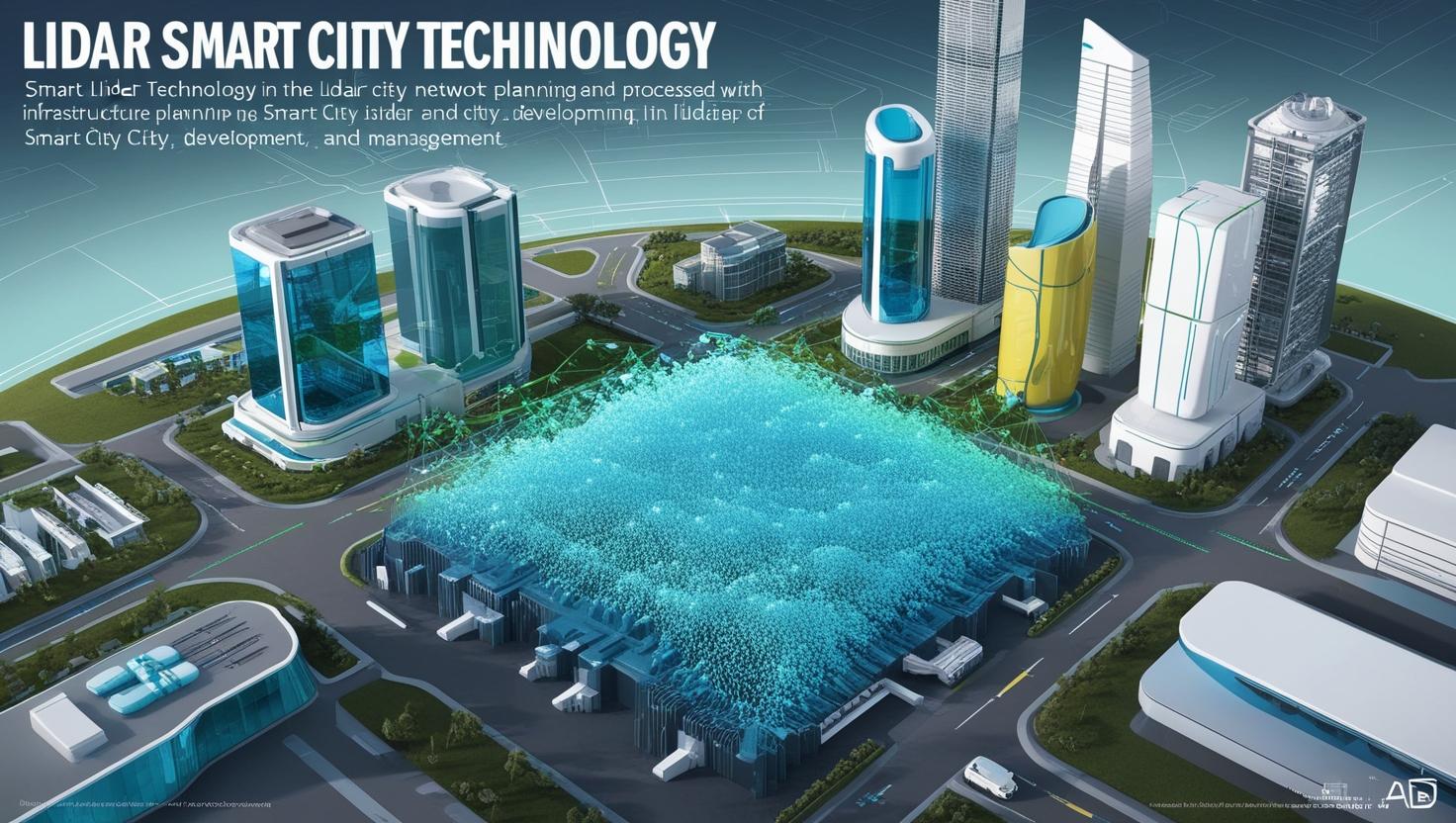
4. Demand for Smart Infrastructure and IoT Integration
LiDAR is critical for developing smart cities, intelligent transportation systems, and IoT-enabled monitoring. From traffic management to building automation, LiDAR sensors provide real-time spatial data for efficient decision-making.
The growing emphasis on connected and automated infrastructure is driving LiDAR Market Trends globally.
Technological Innovations Supporting LiDAR Market Trends
Solid-State LiDAR
Solid-state LiDAR sensors eliminate moving parts, reducing costs, increasing reliability, and enabling mass-market adoption. These sensors are especially important for automotive applications, where compact, durable, and low-cost solutions are critical.
The proliferation of solid-state LiDAR is a key contributor to LiDAR Market Trends, offering scalability and improved manufacturability.
High-Resolution 3D Mapping
Next-generation LiDAR systems provide ultra-high-resolution 3D point clouds, allowing vehicles and industrial robots to navigate complex environments accurately. High-resolution mapping is essential for autonomous systems and enhances safety and operational efficiency, boosting LiDAR Market Trends.
Integration with AI and Machine Learning
LiDAR data, when combined with AI and machine learning algorithms, enables intelligent decision-making, object recognition, and predictive maintenance. This integration is transforming automotive safety, industrial robotics, and smart factory operations, supporting LiDAR Market Trends.
Miniaturization and Cost Reduction
Recent advances in miniaturization and production techniques have reduced the size and cost of LiDAR sensors. Smaller, cost-effective LiDAR systems enable broader adoption across consumer vehicles, drones, and industrial automation equipment, fueling LiDAR Market Trends further.
Key Applications Driving LiDAR Market Trends
Automotive Sector
-
Autonomous Vehicles: LiDAR enables real-time environment sensing for self-driving cars, trucks, and delivery robots.
-
ADAS Systems: Enhanced safety features such as collision avoidance, lane departure warnings, and adaptive cruise control rely on LiDAR sensors.
-
Vehicle Mapping: LiDAR helps build high-definition maps for navigation and route optimization.
Industrial Sector
-
Robotics: Industrial robots use LiDAR for navigation, obstacle avoidance, and precision tasks.
-
Warehouse Automation: LiDAR enables automated guided vehicles (AGVs) to operate safely in complex environments.
-
Construction and Surveying: High-accuracy mapping and volume measurement rely on LiDAR for efficiency and safety.
Agriculture and Environmental Monitoring
LiDAR sensors are used in precision agriculture, forest management, and environmental monitoring, providing 3D mapping and terrain analysis for optimized resource management
Regional Insights
-
North America leads LiDAR Market Trends due to advanced automotive R&D, widespread adoption of autonomous vehicle technology, and strong industrial automation infrastructure.
-
Europe is driving market growth with smart city initiatives, industrial automation, and stringent safety regulations for vehicles.
-
Asia-Pacific is expected to experience rapid LiDAR Market Trends growth, driven by automotive manufacturing, robotics adoption, and government-backed smart infrastructure projects.
Challenges Impacting LiDAR Market Trends
Despite robust growth, the LiDAR market faces certain challenges:
-
High cost of traditional mechanical LiDAR sensors
-
Integration complexity with existing automotive and industrial systems
-
Sensitivity to environmental conditions like fog, rain, and dust
Ongoing innovations in solid-state LiDAR, AI integration, and sensor fusion technologies are expected to overcome these challenges, sustaining LiDAR Market Trends.
Future Outlook
The LiDAR Market Trends indicate a strong trajectory toward widespread adoption in automotive, industrial, and smart infrastructure applications. As sensor costs decrease and resolution improves, LiDAR is expected to become a standard component in autonomous vehicles, smart factories, drones, and IoT-enabled systems.
Integration with AI and edge computing will further enhance LiDAR capabilities, enabling real-time decision-making, predictive maintenance, and safer operations. The future of LiDAR Market Trends is intertwined with the digital transformation of both automotive and industrial sectors.
LiDAR technology is revolutionizing automotive and industrial applications through precision, reliability, and automation. LiDAR Market Trends are being driven by autonomous vehicles, industrial automation, smart infrastructure, and robotics.
As technology continues to evolve with innovations in solid-state designs, AI integration, and cost-effective solutions, the LiDAR market is poised for exponential growth. Automotive, industrial, and IoT applications will remain at the forefront, making LiDAR an essential enabler of next-generation technology.
Frequently Asked Questions (FAQs) – LiDAR Market Trends
1. What is LiDAR technology and how does it work?
LiDAR (Light Detection and Ranging) uses laser pulses to measure distances and create 3D maps of the surrounding environment. By calculating the time it takes for light to reflect back to the sensor, LiDAR provides precise object detection and spatial data.
2. What factors are driving LiDAR Market Trends?
Key drivers include the rise of autonomous vehicles, industrial automation, robotics, smart infrastructure, IoT integration, and demand for high-resolution mapping and safety-critical applications.
3. Which industries are adopting LiDAR technology?
LiDAR is widely adopted in the automotive, industrial automation, robotics, UAV/drone, construction, agriculture, and smart city sectors due to its precision and reliability.
4. What are the major technological innovations in LiDAR?
Recent innovations include solid-state LiDAR, high-resolution 3D mapping, AI and machine learning integration, miniaturization, and cost reduction, which improve performance and enable broader adoption.
5. What challenges does the LiDAR market face?
Challenges include the high cost of mechanical LiDAR, environmental sensitivity (fog, rain, dust), and integration complexity with existing systems. Ongoing technological advancements are addressing these challenges to sustain market growth.