
The global security solutions market is experiencing robust growth, driven primarily by heightened security concerns, rapid urbanization, and the increasing integration of smart technologies across residential, commercial, and industrial environments. As organizations and governments prioritize safety, the adoption of advanced systems—particularly video surveillance and access control—is accelerating at an unprecedented pace.
Growing Importance of Video Surveillance
Video surveillance has emerged as one of the most dynamic segments of the market. Innovations such as AI-powered analytics, facial recognition, object detection, and cloud-based video storage have transformed traditional CCTV systems into intelligent security platforms. These capabilities enable real-time threat detection, automated alerts, and enhanced situational awareness.
Industries such as retail, transportation, banking, and critical infrastructure are increasing investments in surveillance systems to deter criminal activity, streamline operations, and support regulatory compliance. Additionally, smart city initiatives around the world continue to rely heavily on high-resolution, networked cameras to improve public safety and traffic management.
Download PDF Brochure @ https://www.marketsandmarkets.com/pdfdownloadNew.asp?id=701
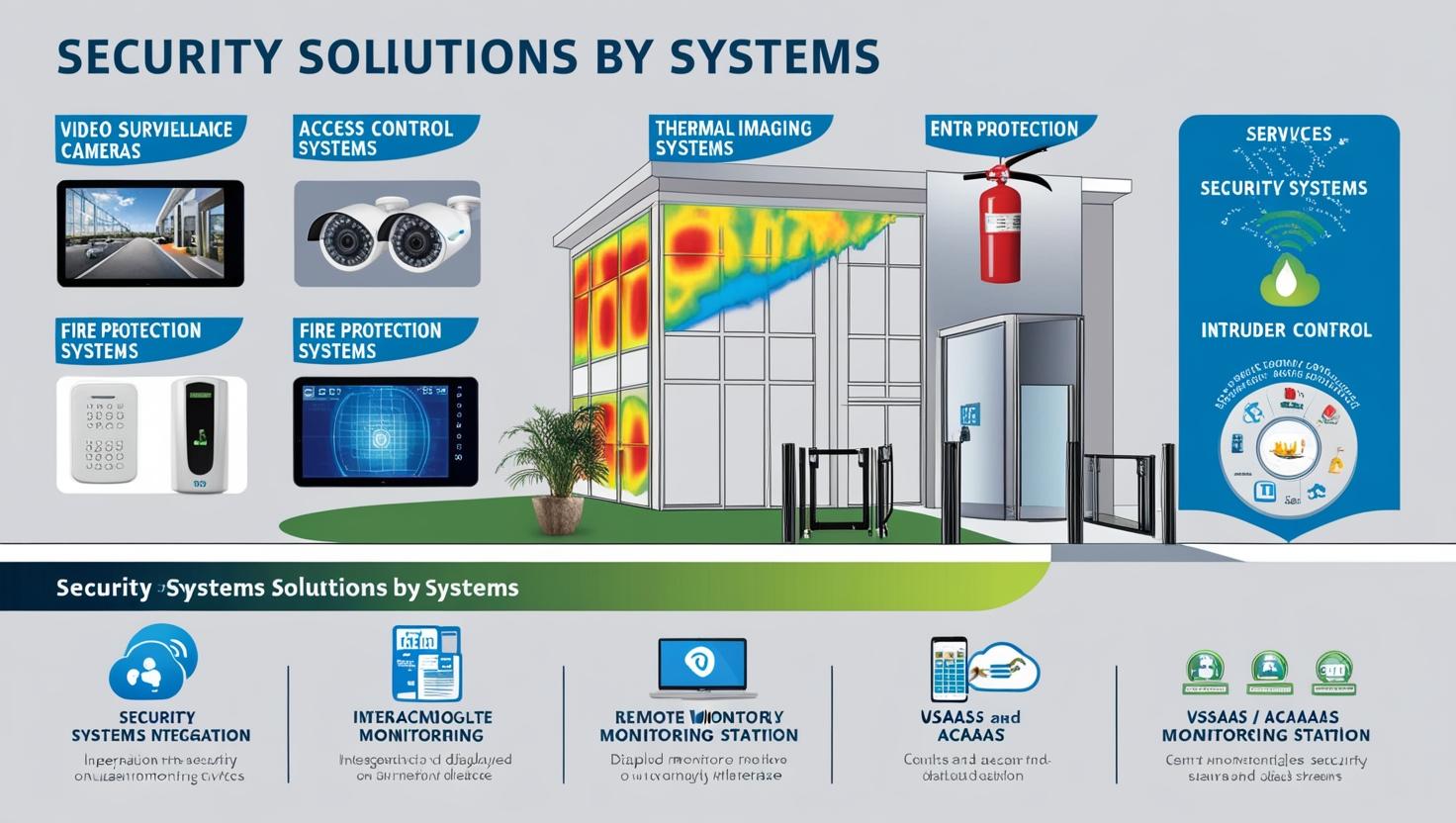
Access Control Systems See Accelerated Adoption
Access control technologies—including biometric readers, electronic locks, multi-technology credential readers, and entrance control systems—are seeing widespread deployment as organizations shift from traditional keys and badges to more secure and scalable digital solutions. Biometric authentication, such as fingerprint, iris, and facial recognition, is becoming the industry standard due to its reliability and resistance to credential theft.
Cloud-based Access Control as a Service (ACaaS) is further driving market growth by enabling remote management, real-time monitoring, and integration with broader security platforms. This model offers greater flexibility, reduced maintenance costs, and improved scalability—especially for multi-site enterprises and small-to-medium businesses.
Rise of Service-Based Security Models
The shift from hardware-only solutions to service-based models is reshaping the market landscape. Remote monitoring services, Video Surveillance as a Service (VSaaS), and ACaaS allow end users to benefit from continuous updates, enhanced cybersecurity, and centralized control across distributed environments. These services are becoming essential as businesses seek to modernize their security operations without significant upfront investments.
Advanced Technologies Powering Market Growth
Several emerging technologies are enhancing the capabilities of security systems, including:
-
AI and Machine Learning for predictive analytics and automated threat identification
-
IoT integration for centralized management of smart locks, cameras, and sensors
-
Thermal imaging for perimeter surveillance and low-visibility monitoring
-
Cloud and edge computing for real-time processing and secure data storage
As these innovations become more accessible, security ecosystems are evolving into interconnected, intelligent platforms capable of providing comprehensive protection.
Future Outlook
The coming years are expected to bring continued expansion in the global security solutions market as organizations modernize their infrastructure and adopt more integrated, technology-driven security strategies. With the growing need for situational awareness, regulatory compliance, and protection against sophisticated threats, video surveillance and access control systems will remain pivotal in shaping the industry’s evolution.
Overall, the market is transitioning toward smarter, more automated, and service-oriented solutions—positioning security as a critical pillar in the era of digital transformation.
Frequently Asked Questions (FAQs): Global Security Solutions Market
1. What is driving the growth of the global security solutions market?
The market is expanding due to rising security threats, rapid urbanization, and the growing adoption of smart technologies such as AI, cloud computing, and IoT. Increased demand for video surveillance and advanced access control is also a major growth driver.
2. Why is video surveillance becoming more important?
Video surveillance systems now use AI-powered analytics, high-resolution imaging, and cloud storage, enabling real-time monitoring, threat detection, and improved situational awareness. These features make them essential for public safety, business operations, and regulatory compliance.
3. What types of access control systems are popular today?
Biometric readers, electronic locks, multi-technology readers, and cloud-based access control systems (ACaaS) are seeing rapid adoption. These solutions offer enhanced security, scalability, and ease of management.
4. What is Video Surveillance as a Service (VSaaS)?
VSaaS is a cloud-based model that allows businesses to store, access, and manage video footage remotely. It reduces hardware costs, provides automatic updates, and improves security through centralized management.
5. How does ACaaS benefit organizations?
Access Control as a Service (ACaaS) enables remote access management, real-time monitoring, and seamless integration with other security systems. It is cost-efficient, scalable, and ideal for multi-site operations.
6. Which industries are major users of security solutions?
Key sectors include retail, banking, transportation, manufacturing, government, healthcare, and critical infrastructure. Smart city projects also heavily utilize advanced security systems.