
The Future of APAC Smart Homes Market is poised for remarkable growth as digital transformation, urbanization, and rising consumer demand for connected living accelerate across the Asia-Pacific region. By 2030, smart homes are expected to become a mainstream component of residential infrastructure, driven by advancements in smart services and innovative product ecosystems.
Market Overview
The Future of APAC Smart Homes Market is shaped by increasing adoption of IoT technologies, expanding broadband connectivity, and government initiatives supporting smart city development. Countries such as China, Japan, South Korea, India, and Australia are leading adoption, supported by growing middle-class populations and rising disposable incomes.
Smart homes in APAC are transitioning from basic automation to intelligent, service-oriented ecosystems that offer enhanced security, energy efficiency, and lifestyle convenience. This evolution is central to the Future of APAC Smart Homes Market, as consumers increasingly value integrated solutions over standalone devices.
Services Segment Outlook
Smart home services play a critical role in the Future of APAC Smart Homes Market, accounting for a growing share of total market value. These services include:
-
Home security monitoring services
-
Energy management and optimization services
-
Cloud-based device management
-
Maintenance, upgrades, and after-sales support
Subscription-based models are gaining traction, providing recurring revenue opportunities for service providers. By 2030, managed services and AI-powered home automation platforms are expected to become key growth drivers in the Future of APAC Smart Homes Market, particularly in urban residential developments.
Products Segment Outlook
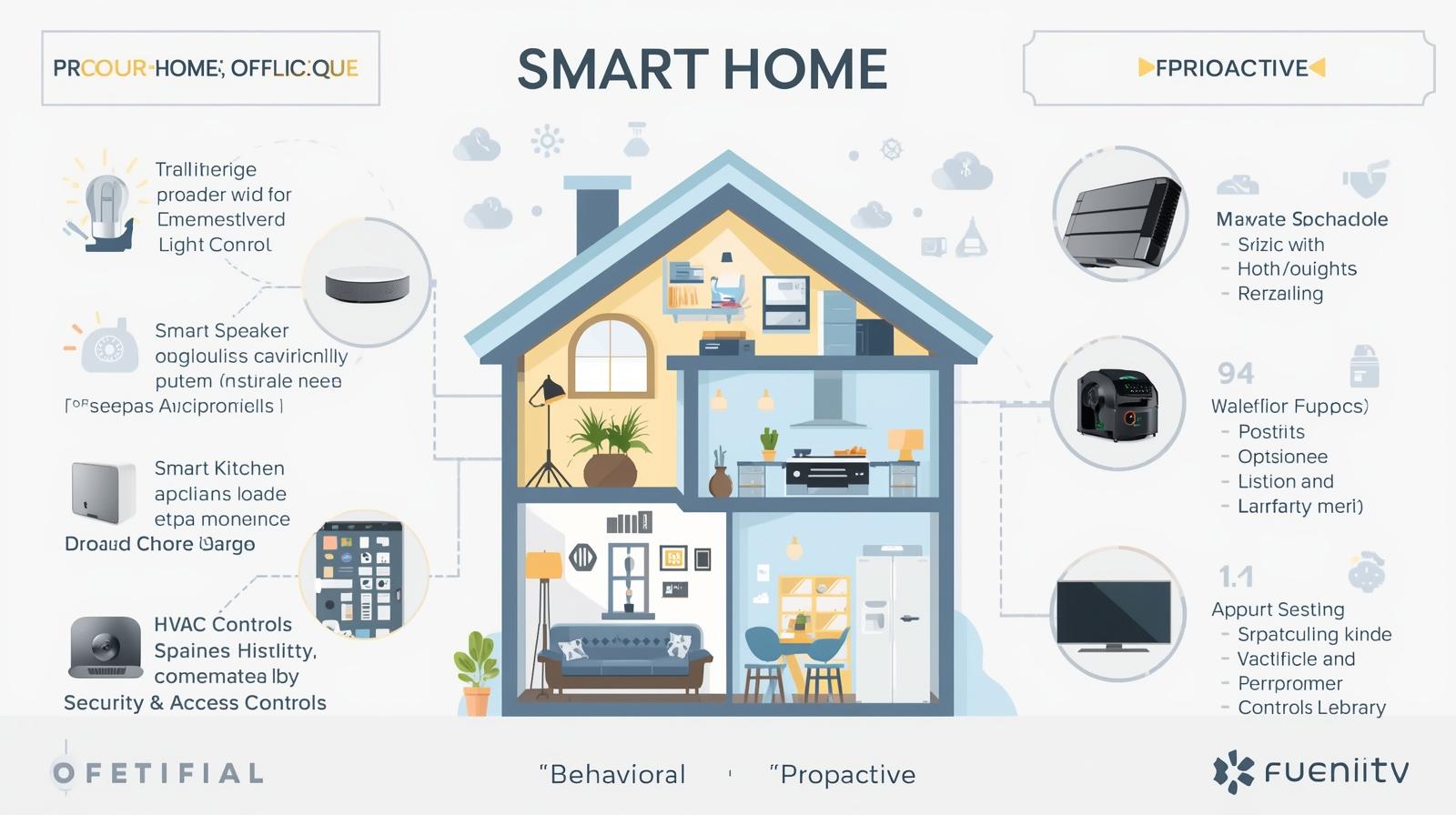
The products segment remains a foundational pillar of the Future of APAC Smart Homes Market. Rapid innovation in smart devices continues to expand product adoption across the region. Key product categories include:
-
Smart lighting systems
-
Smart thermostats and HVAC controls
-
Smart locks and surveillance cameras
-
Voice assistants and connected hubs
-
Smart appliances
Falling device costs and interoperability standards are making smart home products more accessible to a broader consumer base. As a result, product penetration is expected to deepen significantly, reinforcing the long-term growth of the Future of APAC Smart Homes Market.
Download PDF Brochure @ https://www.marketsandmarkets.com/pdfdownloadNew.asp?id=1291
Key Opportunities Through 2030
Several opportunities are expected to define the Future of APAC Smart Homes Market over the forecast period:
-
Integration of AI and machine learning for predictive automation
-
Expansion of 5G networks enabling faster and more reliable connectivity
-
Growing demand for energy-efficient and sustainable housing solutions
-
Partnerships between real estate developers and smart home solution providers
Emerging markets within APAC present particularly strong growth potential, as smart home adoption moves beyond premium housing into mid-range residential projects.
Challenges and Market Considerations
Despite its strong outlook, the Future of APAC Smart Homes Market faces challenges such as data privacy concerns, cybersecurity risks, and lack of standardization across platforms. Addressing these issues will be essential for sustaining consumer trust and long-term market expansion
In conclusion, the Future of APAC Smart Homes Market is set to experience sustained growth through 2030, driven by the convergence of smart services and advanced products. As consumers increasingly prioritize safety, efficiency, and connected living, the market will continue to evolve toward fully integrated smart home ecosystems. Companies that focus on innovation, interoperability, and service excellence will be best positioned to capitalize on the opportunities emerging in the Future of APAC Smart Homes Market.
FAQs: Future of APAC Smart Homes Market
1. What is the Future of APAC Smart Homes Market?
The Future of APAC Smart Homes Market refers to the projected growth and evolution of smart home technologies across the Asia-Pacific region through 2030, driven by smart services, connected devices, and digital infrastructure development.
2. What factors are driving the Future of APAC Smart Homes Market?
Key drivers include rapid urbanization, rising disposable incomes, increasing adoption of IoT technologies, smart city initiatives, and growing consumer demand for energy-efficient and secure home solutions—all contributing to the Future of APAC Smart Homes Market.
3. Which countries are leading the APAC smart homes market?
China, Japan, South Korea, India, and Australia are leading contributors to the Future of APAC Smart Homes Market, supported by advanced digital ecosystems, strong technology adoption, and government-backed smart infrastructure projects.
4. How do services impact the Future of APAC Smart Homes Market?
Smart home services such as security monitoring, energy management, cloud-based control, and subscription-based automation platforms are becoming increasingly important, making services a major growth engine in the Future of APAC Smart Homes Market.
5. What are the key products shaping the Future of APAC Smart Homes Market?
Core products include smart lighting, smart locks, surveillance systems, voice assistants, connected appliances, and integrated control hubs that form the backbone of the Future of APAC Smart Homes Market.