
The fire protection system market plays a critical role in ensuring life safety, asset protection, and regulatory compliance across residential, commercial, and industrial environments. Fire protection systems are designed to detect, control, and suppress fires through integrated solutions such as fire detection, alarm, and suppression technologies. With increasing urbanization, infrastructure development, and stricter safety regulations worldwide, the demand for advanced fire protection systems has grown steadily. Governments, building authorities, and industry stakeholders continue to emphasize fire safety as a fundamental requirement, making fire protection systems an essential component of modern construction and industrial operations.
Download PDF Brochure @ https://www.marketsandmarkets.com/pdfdownloadNew.asp?id=1018
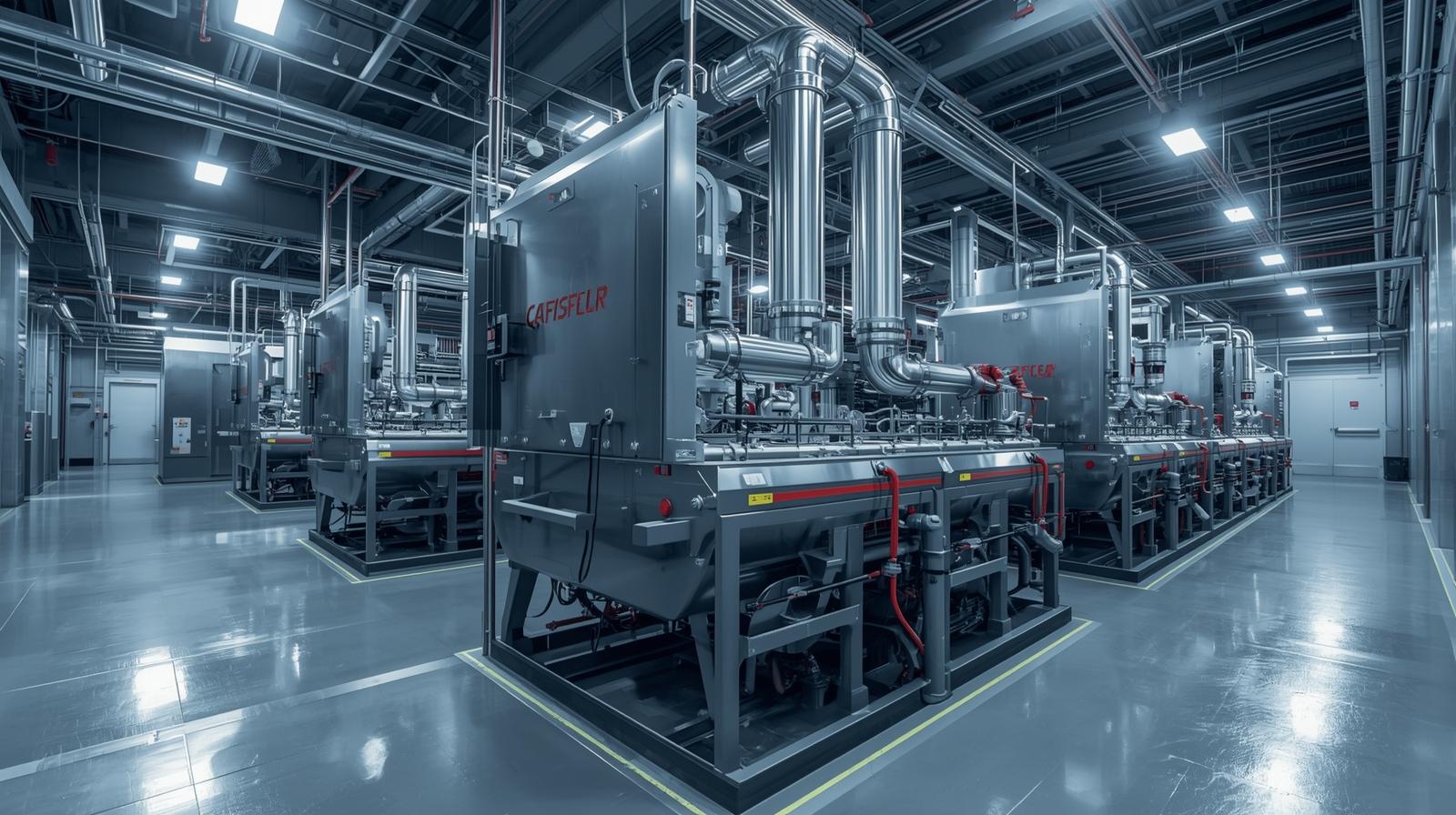
Market Scope and System Components
Fire protection systems broadly include fire detection and alarm systems, fire suppression systems, and fire response and control solutions. Detection and alarm systems consist of smoke detectors, heat detectors, flame detectors, and alarm panels that provide early warnings in case of fire incidents. Fire suppression systems include sprinklers, gas-based suppression, foam systems, and water mist solutions designed to control or extinguish fires. Together, these systems form a comprehensive fire safety framework that minimizes damage, reduces downtime, and protects human life. The integration of these components into building management systems has further enhanced their efficiency and reliability across diverse applications.
Key Industry Drivers
The growth of the fire protection system market is primarily driven by rising safety awareness and stringent fire safety regulations enforced by governments and regulatory bodies. Rapid urban development, especially in emerging economies, has led to increased construction of high-rise buildings, commercial complexes, and industrial facilities, all of which require compliant fire protection systems. Additionally, the expansion of industries such as oil and gas, power generation, manufacturing, and logistics has significantly increased the need for robust fire safety solutions. Insurance requirements and risk management practices are also compelling organizations to invest in advanced fire protection infrastructure.
Technological Advancements and Innovation Trends
Technological innovation is transforming the fire protection system market, with smart and connected solutions gaining widespread adoption. The integration of Internet of Things technologies, artificial intelligence, and advanced sensors has enabled real-time monitoring, predictive maintenance, and faster response times. Addressable fire alarm systems, which allow precise identification of fire locations, are increasingly preferred over conventional systems. Moreover, environmentally friendly fire suppression agents and water-efficient technologies are gaining traction as industries focus on sustainability and regulatory compliance related to environmental impact.
End-Use Industry Adoption Patterns
Fire protection systems are widely adopted across residential, commercial, industrial, and infrastructure sectors. Commercial buildings such as offices, shopping malls, hospitals, and educational institutions represent a significant share of the market due to high occupancy levels and strict safety norms. Industrial facilities require specialized fire protection solutions to address risks associated with hazardous materials, high temperatures, and complex machinery. The residential sector is also witnessing steady growth, supported by increasing awareness of home safety and the enforcement of building codes in urban housing projects.
Regional Market Dynamics
Regionally, developed markets such as North America and Europe have well-established fire protection infrastructure supported by rigorous regulatory frameworks and high safety standards. These regions continue to adopt advanced and smart fire protection technologies to upgrade existing systems. Meanwhile, the Asia-Pacific region is expected to witness the fastest growth due to rapid urbanization, industrial expansion, and increasing investments in infrastructure development. Countries in the Middle East and Africa are also investing in fire protection systems, particularly in large-scale commercial and industrial projects, driven by growing construction activities and regulatory improvements.
Competitive Landscape and Industry Structure
The fire protection system market is moderately consolidated, with the presence of global players and regional manufacturers offering a wide range of products and services. Leading companies focus on product innovation, strategic partnerships, and mergers and acquisitions to strengthen their market position. Service offerings such as installation, inspection, testing, and maintenance are becoming increasingly important, as end users seek comprehensive fire safety solutions rather than standalone products. The ability to provide customized, compliant, and technologically advanced systems remains a key competitive differentiator in the market.
Growth Outlook and Future Opportunities
The future outlook of the fire protection system market remains positive, supported by continuous advancements in technology, increasing safety regulations, and rising investments in smart infrastructure. The adoption of smart buildings, industrial automation, and digital monitoring systems is expected to create new growth opportunities for fire protection system providers. Emerging markets will continue to offer significant potential due to ongoing construction and industrialization. Overall, the fire protection system market is set to experience sustained growth as safety, compliance, and risk mitigation remain top priorities for governments, industries, and consumers worldwide.
For more info: https://finance.yahoo.com/news/fire-protection-system-market-worth-151500012.html