
The global exoskeleton technology market is experiencing rapid growth as advancements in robotics, sensors, and artificial intelligence converge to enhance human capabilities. Once limited to research labs and military experimentation, exoskeletons are now gaining widespread adoption across healthcare and industrial sectors, driven by the need for improved mobility, worker safety, and productivity.
Understanding Exoskeleton Technology
Exoskeletons are wearable robotic systems designed to augment, assist, or restore human movement. These systems can be powered or passive, supporting the body through mechanical structures, motors, and intelligent control systems. By reducing physical strain and enhancing strength or endurance, exoskeletons address critical challenges faced by patients, healthcare providers, and industrial workers alike.
Healthcare Sector Driving Early Adoption
Healthcare remains one of the most significant contributors to the growth of the exoskeleton technology market. Medical exoskeletons are widely used in rehabilitation therapy, mobility assistance, and post-injury recovery. Patients with spinal cord injuries, stroke-related impairments, or neurological disorders benefit from exoskeleton-assisted walking and movement therapy.
These systems enable repetitive, controlled motion that accelerates recovery while reducing the physical burden on therapists. As healthcare providers increasingly focus on patient-centric and technology-enabled care, exoskeletons are becoming an essential tool in modern rehabilitation centers.
Industrial Applications Boost Market Expansion
Beyond healthcare, industrial sectors are rapidly adopting exoskeleton technology to address workplace safety and productivity challenges. In industries such as manufacturing, construction, logistics, and warehousing, workers are often exposed to repetitive tasks, heavy lifting, and physically demanding environments.
Industrial exoskeletons help reduce musculoskeletal injuries by supporting the back, shoulders, and lower limbs. By minimizing fatigue and strain, these systems enhance worker endurance, reduce downtime, and improve overall operational efficiency—making them an attractive investment for employers focused on occupational health.
Download PDF Brochure @ https://www.marketsandmarkets.com/pdfdownloadNew.asp?id=40697797
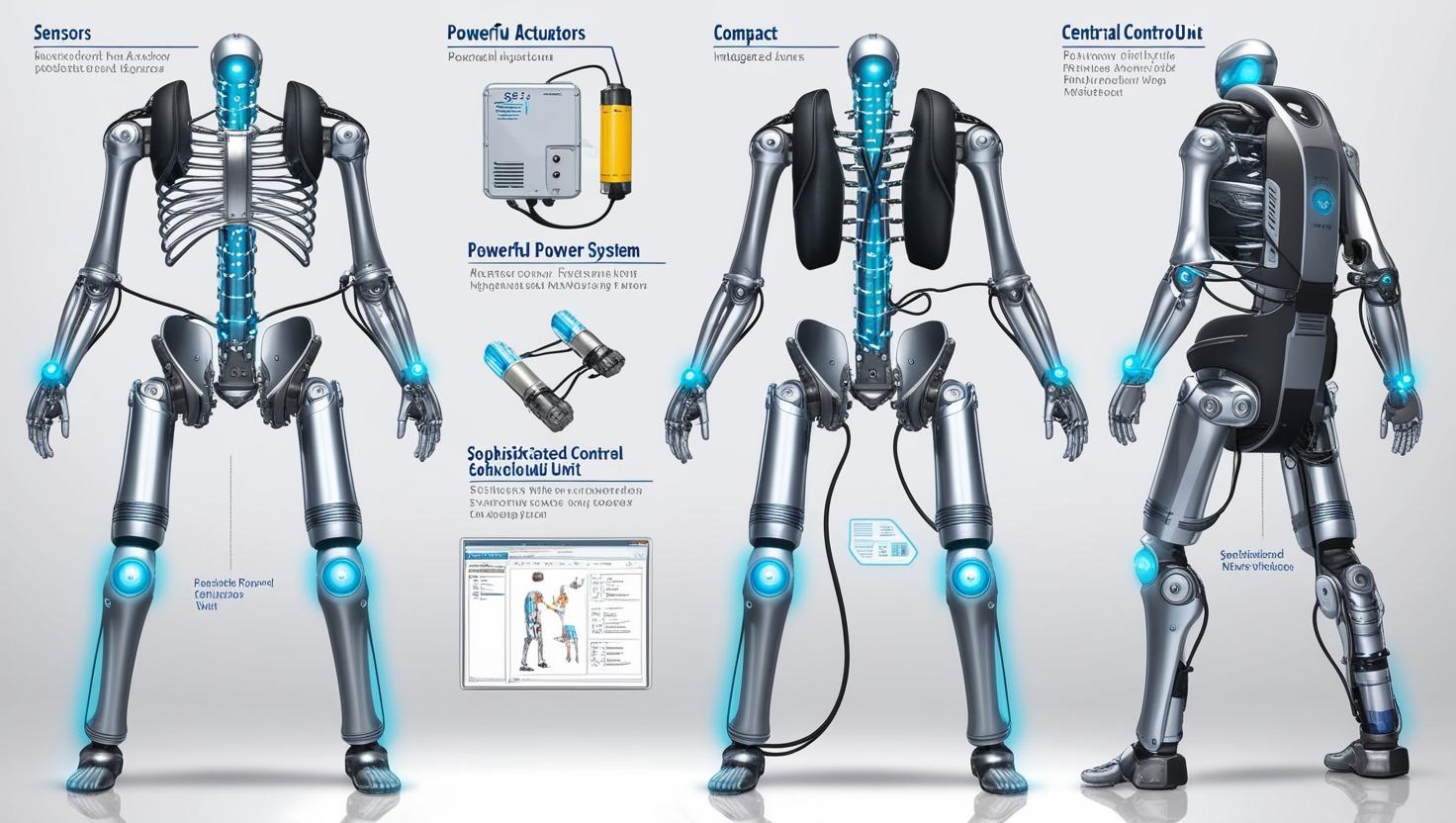
Technological Advancements Accelerating Growth
Innovation plays a crucial role in the expanding adoption of exoskeletons. Key technological advancements include:
-
Lightweight materials for improved comfort and usability
-
Advanced sensors and actuators for precise movement assistance
-
AI-driven control systems that adapt to individual user behavior
-
Improved battery efficiency enabling longer operational hours
These developments are making exoskeletons more affordable, intuitive, and scalable across multiple use cases.
Supportive Regulations and Industry Collaboration
Governments and regulatory bodies are increasingly recognizing the benefits of exoskeleton technology in healthcare and workplace safety. Supportive policies, funding initiatives, and collaborations between technology developers, healthcare providers, and industrial companies are fostering innovation and accelerating commercialization.
Standardization efforts and safety certifications are also helping build trust and confidence among end users.
Future Outlook
As populations age and industries prioritize worker well-being, the demand for exoskeleton technology is expected to continue rising. With strong growth across healthcare and industrial sectors, the exoskeleton technology market is positioned as a transformative force in human augmentation and assistive robotics.
Continued innovation, cost reduction, and expanding applications will further cement exoskeletons as a vital technology shaping the future of healthcare delivery and industrial operations.
Exoskeleton Technology Market – FAQ
1. What is exoskeleton technology?
Exoskeleton technology refers to wearable robotic systems designed to support, enhance, or restore human movement and strength. These systems can be powered or passive and are used across healthcare, industrial, and defense applications.
2. Why is the exoskeleton technology market growing rapidly?
Market growth is driven by rising demand for rehabilitation solutions, increasing focus on worker safety, technological advancements in robotics and AI, and growing awareness of ergonomics and injury prevention.
3. How are exoskeletons used in healthcare?
In healthcare, exoskeletons are primarily used for rehabilitation therapy, mobility assistance, and post-injury recovery. They help patients regain movement, improve muscle strength, and accelerate rehabilitation outcomes.
4. What role do exoskeletons play in industrial applications?
Industrial exoskeletons support workers during repetitive tasks and heavy lifting. They help reduce fatigue, lower the risk of musculoskeletal injuries, and improve productivity in sectors such as manufacturing, construction, and logistics.
5. What are the main types of exoskeleton systems?
Exoskeletons are broadly categorized into:
-
Powered exoskeletons, which use motors and batteries
-
Passive exoskeletons, which rely on mechanical support without power
Each type is designed for specific use cases and cost considerations.
6. What technologies are driving innovation in the market?
Key enabling technologies include lightweight materials, advanced sensors, AI-based control systems, improved actuators, and longer-lasting batteries, making exoskeletons more efficient and user-friendly.