
The exoskeleton technology market growth is witnessing significant momentum globally, driven by increasing adoption across healthcare and industrial sectors. Exoskeletons—wearable robotic devices designed to support, enhance, or restore human mobility—are transforming the way people work, recover from injuries, and perform physically demanding tasks. Advancements in robotics, sensor technology, and artificial intelligence are further accelerating the adoption of exoskeleton solutions, expanding market opportunities across multiple industries.
Key Drivers of Exoskeleton Technology Market Growth
The strong exoskeleton technology market growth is propelled by the growing need for mobility assistance, workforce productivity, and rehabilitation solutions. Several key factors are contributing to this expansion:
1. Healthcare and Rehabilitation Applications
Healthcare is a leading driver of exoskeleton technology market growth. Exoskeletons are increasingly used in:
-
Physical therapy and rehabilitation for patients with spinal cord injuries, stroke, or mobility impairments
-
Gait training and strength recovery, improving patient outcomes and reducing recovery time
-
Elderly care, assisting seniors with mobility challenges to maintain independence
The rise in chronic diseases, aging populations, and demand for efficient rehabilitation solutions is fueling the adoption of exoskeleton devices in hospitals, clinics, and rehabilitation centers worldwide.
2. Industrial and Workforce Applications
Industrial adoption is another major contributor to exoskeleton technology market growth. Exoskeletons enhance workforce efficiency by:
-
Reducing physical strain and fatigue during repetitive or heavy-lifting tasks
-
Preventing musculoskeletal injuries in manufacturing, logistics, and construction environments
-
Supporting long-duration tasks, improving worker safety and productivity
Industries are increasingly investing in powered and passive exoskeletons to reduce workplace injuries and optimize operational efficiency, directly contributing to market expansion.
Download PDF Brochure @ https://www.marketsandmarkets.com/pdfdownloadNew.asp?id=40697797
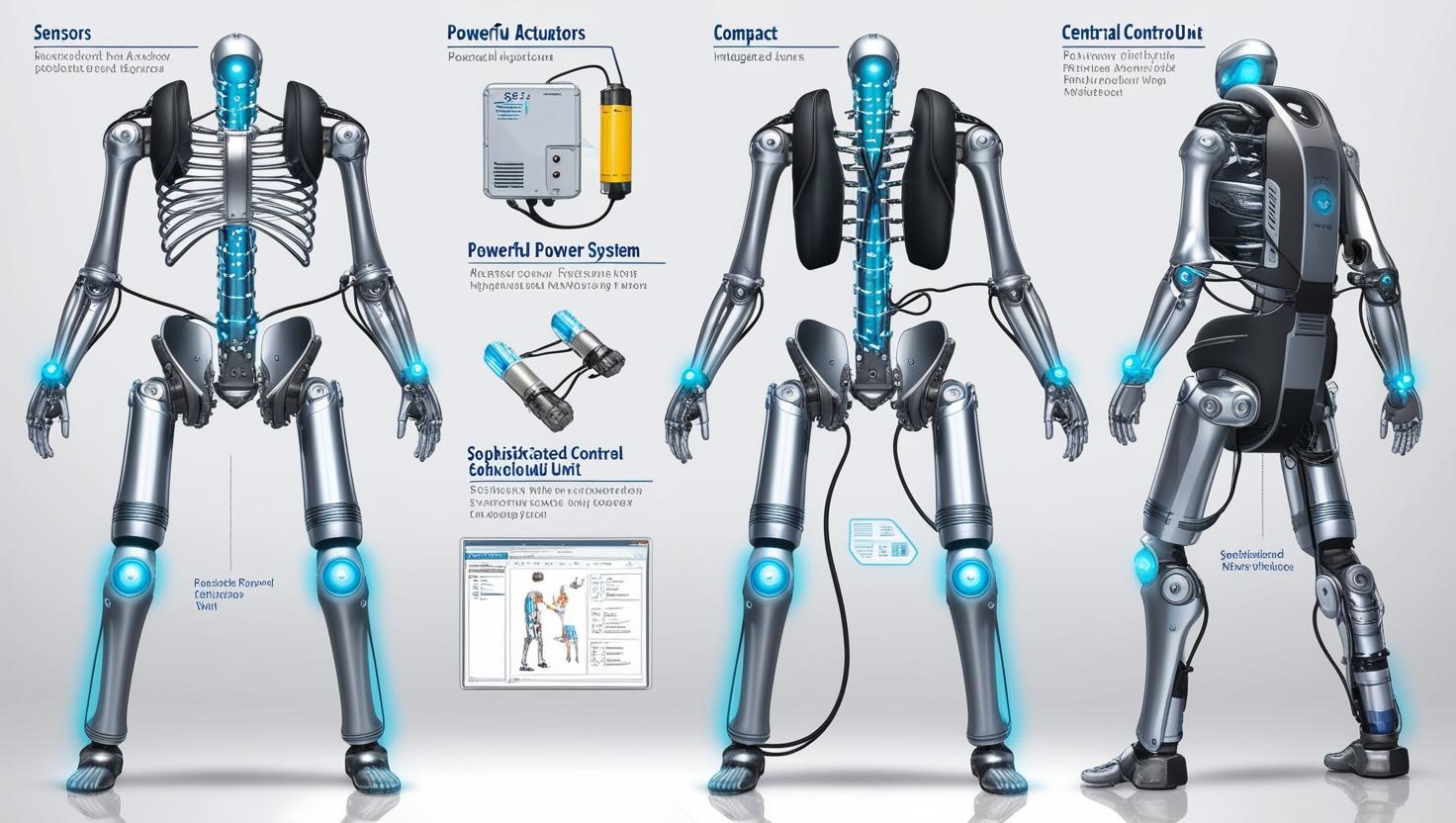
3. Advancements in Robotics and AI
The exoskeleton technology market growth is supported by rapid advancements in robotics, AI, and sensor technologies. Modern exoskeletons integrate:
-
Smart sensors to detect user motion and adapt movement assistance
-
AI-powered control systems for real-time adjustment and enhanced performance
-
Lightweight and ergonomic designs for comfort and long-term usability
These innovations are making exoskeletons more practical, accessible, and effective for both healthcare and industrial applications.
Regional Insights Driving Market Growth
-
North America and Europe lead in exoskeleton technology market growth, driven by advanced healthcare infrastructure, industrial automation initiatives, and strong R&D investments.
-
Asia-Pacific is emerging as a high-growth region due to rapid industrialization, growing manufacturing workforce, and increasing awareness of mobility-assistance technologies.
Government initiatives and private investments in robotics and healthcare technologies are also accelerating adoption across these regions.
Future Outlook
The exoskeleton technology market growth is expected to continue accelerating in the coming years. Key trends shaping the market include:
-
Expansion of wearable robotics in rehabilitation centers, hospitals, and industrial facilities
-
Integration of AI and machine learning to enhance exoskeleton adaptability and user experience
-
Development of affordable and lightweight exoskeletons, enabling wider adoption
-
Increased focus on elderly care and workforce safety solutions, driving demand in healthcare and industrial sectors
As industries and healthcare providers embrace automation, safety, and mobility-enhancing solutions, exoskeletons are poised to become an indispensable technology for both workforce efficiency and patient rehabilitation.
In conclusion, the combination of healthcare applications, industrial productivity needs, and technological advancements is fueling unprecedented exoskeleton technology market growth. Companies investing in innovative, user-friendly exoskeleton solutions are well-positioned to capitalize on the expanding global demand for wearable robotics that improve safety, mobility, and operational efficiency.