
The Europe IoT Technology Market is witnessing significant growth as industries, governments, and consumers increasingly adopt connected solutions for industrial automation, smart cities, healthcare, transportation, and energy management. By 2030, the market is projected to reach substantial valuations, driven by advancements in sensors, processors, software platforms, and IoT services that enable real-time monitoring, data analytics, and connected infrastructure.
The Europe IoT technology market is estimated to reach USD 272.11 billion by 2030 from the estimated USD 246.63 billion in 2025, at a CAGR of 2.0%.
Market Overview
The Europe IoT Technology Market spans several segments, including:
-
Node Components: Sensors, memory devices, connectivity ICs, processors, and logic devices form the backbone of IoT hardware, enabling data acquisition, processing, and communication.
-
Software Solutions: Remote monitoring and data management software facilitate real-time insights, predictive maintenance, and enhanced operational efficiency.
-
Platforms: IoT platforms integrate devices, applications, and analytics, providing centralized control and management.
-
Services: Deployment, consulting, maintenance, and support services ensure seamless implementation and operation of IoT solutions.
-
End-Use Applications: Key applications include smart manufacturing, smart cities, healthcare IoT, automotive, energy management, and retail automation.
-
Countries: Major markets in Europe include Germany, the UK, France, Italy, Spain, and emerging markets in Eastern Europe.
Download PDF Brochure @ https://www.marketsandmarkets.com/pdfdownloadNew.asp?id=58367801
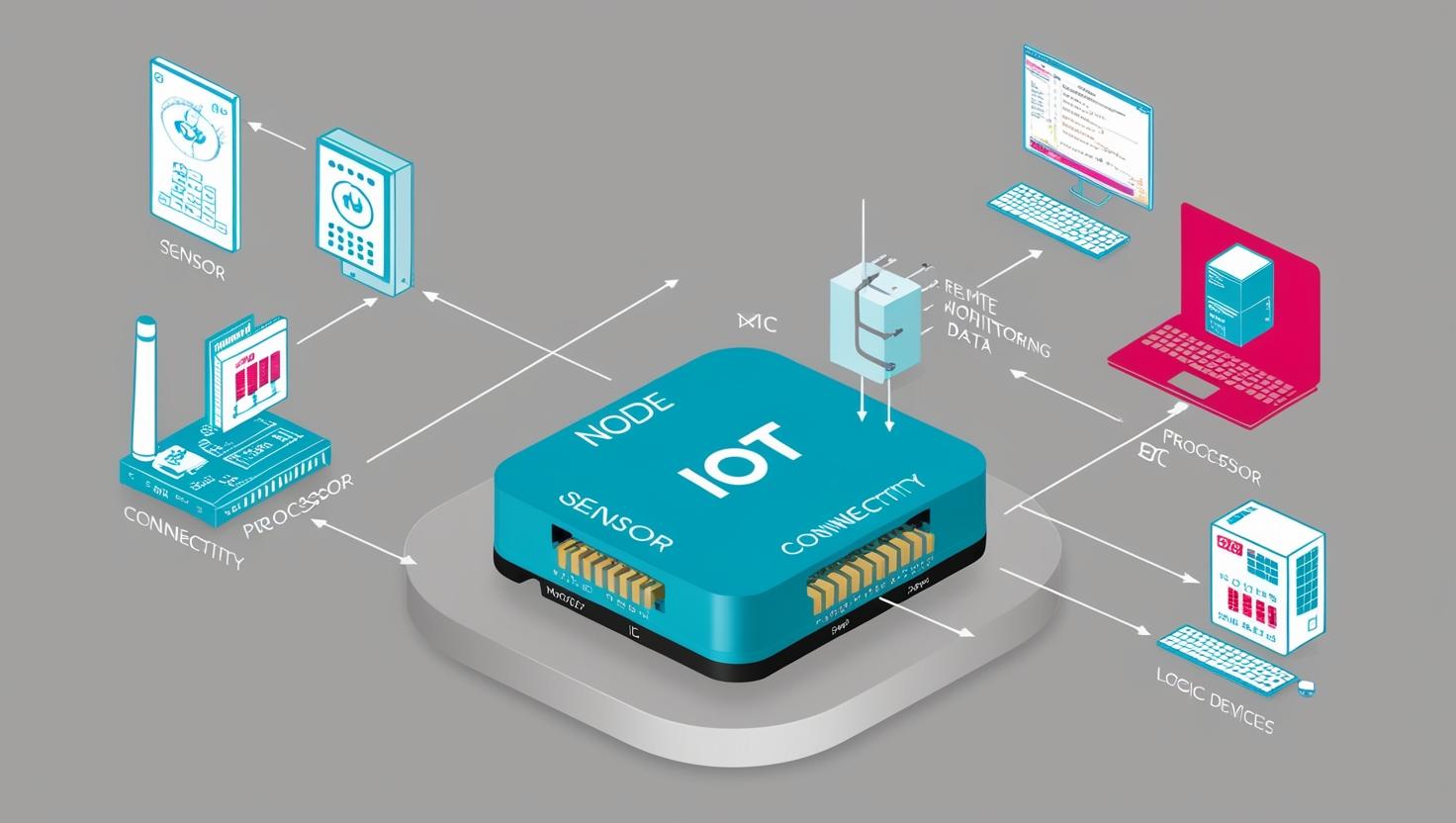
Node Component Insights
The Europe IoT Technology Market relies heavily on advanced node components:
-
Sensors: Temperature, pressure, motion, and environmental sensors dominate hardware adoption, enabling real-time monitoring.
-
Memory Devices: High-speed memory chips are critical for storing and processing IoT data efficiently.
-
Connectivity ICs: Enable seamless device-to-device and device-to-cloud communication through technologies like 5G, LoRaWAN, and NB-IoT.
-
Processors: CPUs, microcontrollers, and AI-enabled processors support data computation and edge analytics.
-
Logic Devices: Essential for signal processing, decision-making, and device control within IoT ecosystems.
Software Solution Trends
Software is a major driver of the Europe IoT Technology Market:
-
Remote Monitoring: Enables organizations to track equipment, assets, and processes in real time, reducing downtime and operational costs.
-
Data Management: Cloud-based platforms and analytics solutions allow secure storage, visualization, and actionable insights from IoT data.
Platform and Service Opportunities
IoT platforms and services strengthen the Europe IoT Technology Market by providing end-to-end solutions:
-
Platforms: Support device integration, interoperability, and advanced analytics for industrial and consumer IoT applications.
-
Services: Implementation, consulting, and maintenance services ensure operational reliability and optimized performance for businesses deploying IoT solutions.
End-Use Applications
The Europe IoT Technology Market is driven by adoption across multiple industries:
-
Smart Manufacturing: Industrial IoT solutions optimize production, predictive maintenance, and supply chain management.
-
Smart Cities: IoT-enabled traffic management, street lighting, waste management, and environmental monitoring enhance urban living.
-
Healthcare IoT: Wearables, remote patient monitoring, and connected medical devices improve patient care and operational efficiency.
-
Automotive and Transportation: Connected vehicles, fleet management, and smart logistics leverage IoT for safety, tracking, and efficiency.
-
Energy Management: Smart grids, meters, and energy optimization solutions support sustainability initiatives.
Country-Level Insights
The Europe IoT Technology Market shows regional variation:
-
Germany: Leads in industrial IoT adoption, smart manufacturing, and automotive connectivity.
-
UK: Strong growth in smart cities, healthcare IoT, and cloud-based solutions.
-
France: Investments in energy management and smart infrastructure are driving market growth.
-
Italy and Spain: Adoption in manufacturing, smart cities, and transport sectors is increasing.
-
Eastern Europe: Emerging markets are expanding IoT adoption in logistics, energy, and industrial sectors.
Market Drivers
The Europe IoT Technology Market is fueled by several factors:
-
Rising adoption of Industry 4.0 and digital manufacturing
-
Government initiatives supporting smart cities and sustainable infrastructure
-
Growth in cloud computing, AI, and analytics integration
-
Increasing demand for real-time monitoring, predictive maintenance, and operational efficiency
Challenges
Despite strong growth, the Europe IoT Technology Market faces:
-
High deployment and integration costs
-
Data privacy, security, and regulatory compliance challenges
-
Interoperability issues among heterogeneous IoT devices and platforms
-
Skills gap for IoT deployment and management
Future Outlook
The Europe IoT Technology Market is expected to maintain strong growth through 2030, with hardware innovation, software advancement, and service optimization driving adoption. Emerging trends such as edge computing, AI-powered analytics, 5G-enabled connectivity, and energy-efficient IoT solutions will further enhance the market, making Europe a hub for advanced IoT technology deployment.
The Europe IoT Technology Market is a dynamic ecosystem of hardware, software, platforms, and services, supporting diverse end-use applications and regional growth opportunities. As industries and governments continue to adopt IoT solutions for connectivity, efficiency, and sustainability, the market is poised for robust expansion, positioning Europe as a global leader in the Internet of Things.
Frequently Asked Questions (FAQ)
What is the Europe IoT Technology Market?
The Europe IoT Technology Market refers to the ecosystem of hardware, software, platforms, and services that enable connected devices, industrial automation, smart cities, healthcare, and other IoT applications across Europe.
Which components are included in the Europe IoT Technology Market?
Key components in the Europe IoT Technology Market include:
- Node Components: Sensors, memory devices, connectivity ICs, processors, and logic devices
- Software Solutions: Remote monitoring and data management
- Platforms: IoT integration and analytics platforms
- Services: Consulting, deployment, and maintenance
What are the main trends driving the Europe IoT Technology Market?
The Europe IoT Technology Market is driven by:
- Industrial IoT and smart manufacturing adoption
- Smart city initiatives and urban IoT deployment
- AI and cloud integration for real-time analytics
- Healthcare IoT solutions like remote monitoring and wearables
- High-speed connectivity and 5G adoption
Which industries are adopting IoT solutions in Europe?
The Europe IoT Technology Market spans multiple sectors:
- Manufacturing and Industry 4.0
- Smart cities and urban infrastructure
- Healthcare and connected medical devices
- Automotive and transportation
- Energy management
- Retail and logistics