
Energy-efficient sensor technologies are emerging as a critical factor driving the adoption of wearable sensors across healthcare, consumer electronics, industrial, and fitness applications. As wearable devices are designed for continuous operation and real-time monitoring, energy consumption becomes a key challenge. Users expect devices that can operate for extended periods without frequent charging, making power efficiency a major determinant of product performance and user satisfaction. Innovations in low-power sensor design and energy optimization are enabling wearable technologies to meet these expectations, thereby accelerating market growth.
One of the primary drivers behind the adoption of energy-efficient sensors is the need for longer battery life in wearable devices. Devices such as smartwatches, fitness trackers, and medical wearables rely on compact batteries, which limit their operational duration. Advanced sensor technologies are being developed to consume minimal power while maintaining high accuracy and performance. These sensors use optimized circuits, efficient data processing techniques, and intelligent power management systems to reduce energy consumption. As a result, wearable devices can function for longer durations, improving usability and convenience for users.
Download PDF Brochure @ https://www.marketsandmarkets.com/pdfdownloadNew.asp?id=158101489
The healthcare sector is significantly benefiting from energy-efficient sensor technologies, as continuous monitoring is essential for patient care. Wearable medical devices are often used to track vital parameters such as heart rate, blood oxygen levels, and temperature over extended periods. Energy-efficient sensors enable these devices to operate continuously without frequent interruptions for charging. This reliability is crucial for applications such as remote patient monitoring and chronic disease management, where consistent data collection is necessary for accurate diagnosis and treatment.
Advancements in semiconductor technology are playing a key role in improving the energy efficiency of wearable sensors. Modern sensors are designed using low-power integrated circuits that minimize consumption while maintaining high sensitivity. These innovations allow sensors to process data efficiently without draining battery life. Additionally, the integration of multiple sensing functions into a single chip is reducing the need for separate components, further optimizing energy usage and device performance.
Energy-efficient sensors are also enabling the growth of flexible and wearable devices that prioritize user comfort and portability. Lightweight and compact designs require sensors that can operate effectively within limited power constraints. By reducing energy consumption, these sensors support the development of smaller and more ergonomic devices that can be worn without discomfort. This is particularly important in applications such as smart clothing and skin patches, where battery size and weight must be minimized.
Inquiry Before Buying @ https://www.marketsandmarkets.com/Enquiry_Before_BuyingNew.asp?id=158101489
The integration of energy harvesting technologies is another trend supporting the adoption of energy-efficient wearable sensors. Devices are being designed to capture and utilize energy from external sources such as body heat, and solar power. This approach reduces dependence on traditional batteries and extends device lifespan. For example, sensors embedded in wearable devices can harness kinetic energy generated during movement to power their operations. These innovations are contributing to the development of self-sustaining wearable systems, enhancing their practicality and appeal.
Artificial intelligence and intelligent power management systems are further improving energy efficiency in wearable sensors. AI algorithms can optimize sensor operation by adjusting data collection frequency and processing intensity based on usage patterns. For instance, sensors can operate in low-power modes during periods of inactivity and switch to higher modes when necessary. This dynamic power management approach ensures efficient energy utilization while maintaining device functionality. The integration of AI is making wearable devices smarter and more efficient.
Consumer demand for sustainable and eco-friendly products is also influencing the development of energy-efficient sensor technologies. Manufacturers are focusing on reducing energy consumption to minimize environmental impact and align with sustainability goals. Energy-efficient sensors contribute to longer device lifespans and reduced electronic waste, making wearable technology more environmentally responsible. This trend is gaining importance as consumers and organizations prioritize sustainability in their purchasing decisions.
View detailed Table of Content here – https://www.marketsandmarkets.com/Market-Reports/wearable-sensor-market-158101489.html
Industrial applications are also benefiting from energy-efficient wearable sensors, particularly in environments where devices need to operate continuously under challenging conditions. In sectors such as manufacturing and logistics, wearable devices are used to monitor worker safety and performance. Energy-efficient sensors ensure that these devices remain operational throughout long work shifts without requiring frequent recharging. This reliability is essential for maintaining productivity and ensuring worker safety.
Despite the advantages, challenges such as the cost of advanced energy-efficient technologies and the complexity of integrating multiple functions into compact devices remain. Developing sensors that balance power efficiency with performance requires significant research and innovation. However, ongoing advancements in materials science, semiconductor technology, and system design are addressing these challenges, making energy-efficient solutions more accessible.
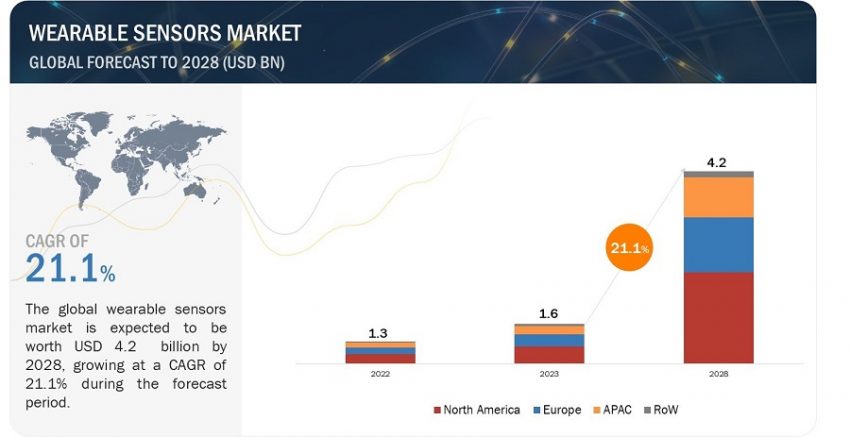
Energy-efficient sensor technologies are playing a crucial role in driving the adoption of wearable sensors by addressing one of the most critical limitations of wearable devices—power consumption. By enabling longer battery life, supporting continuous monitoring, and enhancing device portability, these technologies are transforming the wearable landscape. As innovation continues and sustainability becomes a greater focus, energy-efficient sensors are expected to play a central role in the future growth and evolution of the wearable sensors market.