
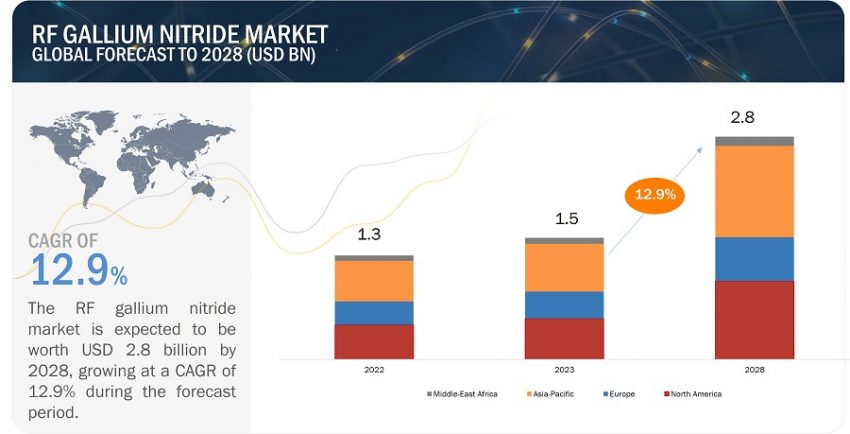
The rapid proliferation of Internet of Things (IoT) ecosystems and smart devices is significantly boosting the demand for Radio Frequency Gallium Nitride (RF GaN) Technology. As connected devices become an integral part of modern life, spanning smart homes, industrial automation, healthcare, and smart cities, the need for efficient, high-performance RF components is growing exponentially. RF GaN technology, known for its superior power efficiency, high-frequency operation, and compact design capabilities, is emerging as a critical enabler in supporting the expanding landscape of IoT and smart device applications.
One of the key factors driving RF GaN adoption in IoT is the increasing demand for reliable and high-speed wireless connectivity. IoT networks rely on seamless communication between a vast number of devices, often operating in complex and dynamic environments. RF GaN devices provide enhanced signal strength, efficiency, and bandwidth capabilities, making them well-suited for handling the growing data traffic generated by IoT systems. This is particularly important in applications such as smart cities, where connected infrastructure, including traffic management systems, surveillance networks, and environmental monitoring, requires robust and uninterrupted communication.
Download PDF Brochure @ https://www.marketsandmarkets.com/pdfdownloadNew.asp?id=183000597
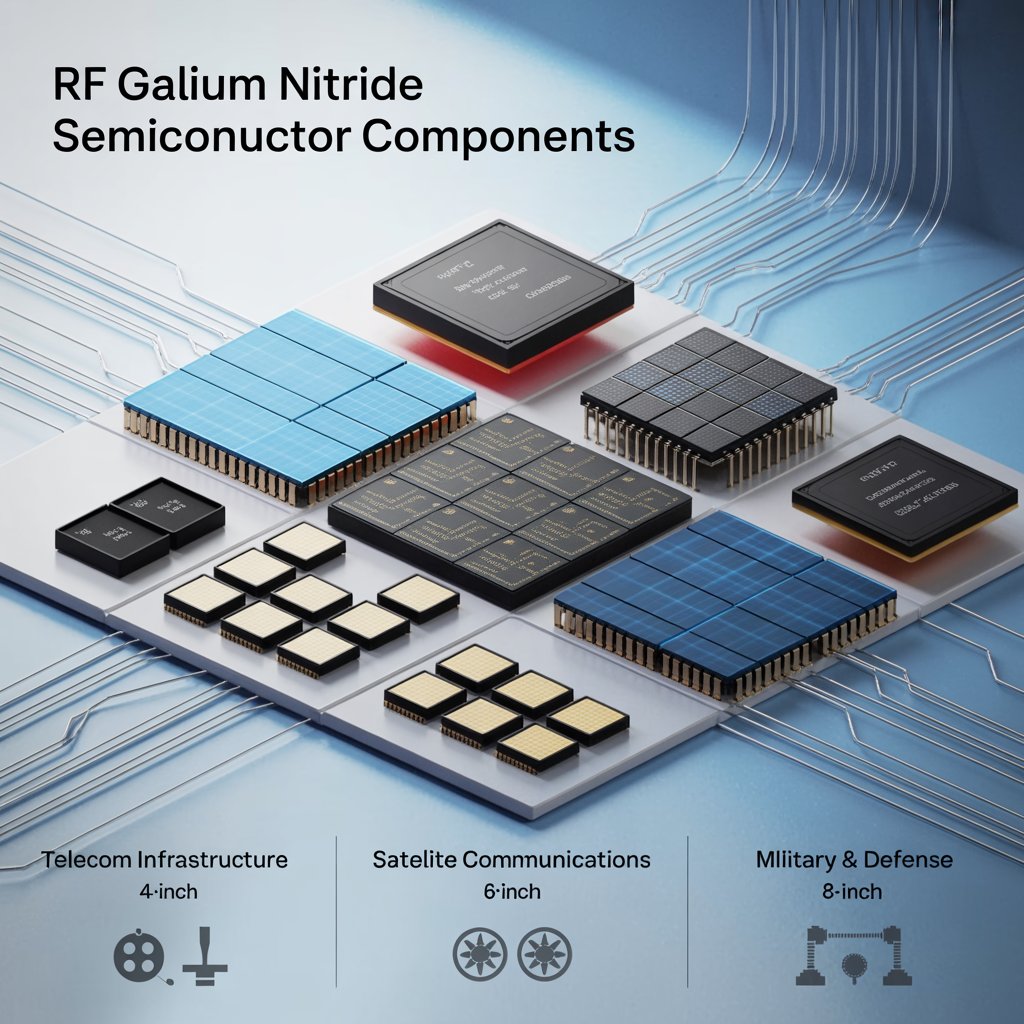
In smart home applications, the integration of RF GaN technology is enabling improved performance of wireless communication systems. Devices such as smart thermostats, security cameras, voice assistants, and connected appliances rely on efficient RF components to ensure smooth operation and connectivity. GaN-based RF devices help enhance signal quality and reduce power consumption, contributing to longer device lifespans and improved user experience. As consumer demand for smart home solutions continues to rise, the role of GaN technology in enabling reliable and energy-efficient connectivity is becoming increasingly significant.
Industrial IoT (IIoT) represents another major area of growth for RF GaN technology. In industrial environments, connected devices are used for monitoring, control, and automation of processes, often in harsh and demanding conditions. RF GaN devices offer the durability and thermal performance required to operate reliably in such environments, where temperature fluctuations, electromagnetic interference, and high power requirements are common. Their ability to deliver high power density and efficiency makes them ideal for industrial wireless communication systems, supporting applications such as predictive maintenance, remote monitoring, and real-time data analytics.
The expansion of IoT in healthcare is also contributing to the growing demand for RF GaN technology. Connected medical devices, including wearable health monitors, remote diagnostic tools, and telemedicine systems, require reliable and efficient wireless communication to function effectively. RF GaN devices enable high-performance signal transmission, ensuring accurate and timely data exchange between devices and healthcare providers. This is particularly important in critical applications where data integrity and reliability are essential for patient care. As the adoption of digital health technologies continues to grow, the demand for advanced RF solutions is expected to increase accordingly.
Inquiry Before Buying @ https://www.marketsandmarkets.com/Enquiry_Before_BuyingNew.asp?id=183000597
Smart city initiatives are further accelerating the adoption of RF GaN technology. Governments and urban planners are investing in connected infrastructure to improve efficiency, sustainability, and quality of life in urban areas. Applications such as smart lighting, intelligent transportation systems, and public safety networks require robust and energy-efficient communication systems. RF GaN technology supports these requirements by enabling high-performance RF components that can operate efficiently across a wide range of frequencies. Its ability to deliver strong signal coverage and reliability makes it a key technology in the development of smart city ecosystems.
The growing adoption of edge computing in IoT networks is also influencing the demand for RF GaN devices. Edge computing involves processing data closer to the source, reducing latency and improving response times. This requires efficient communication between edge devices and central systems, often under high data loads. RF GaN technology provides the performance needed to support these high-speed data exchanges, enabling more responsive and efficient IoT networks. As edge computing becomes more prevalent, the integration of GaN-based RF components is expected to increase.
Another important trend is the focus on energy efficiency in IoT and smart devices. Many IoT applications involve battery-powered devices that require low power consumption to extend operational life. RF GaN devices offer higher efficiency compared to traditional technologies, reducing energy usage and enhancing device performance. This is particularly beneficial in large-scale IoT deployments, where energy savings can have a significant impact on overall system costs and sustainability.
View detailed Table of Content here – https://www.marketsandmarkets.com/Market-Reports/rf-gallium-nitride-market-183000597.html
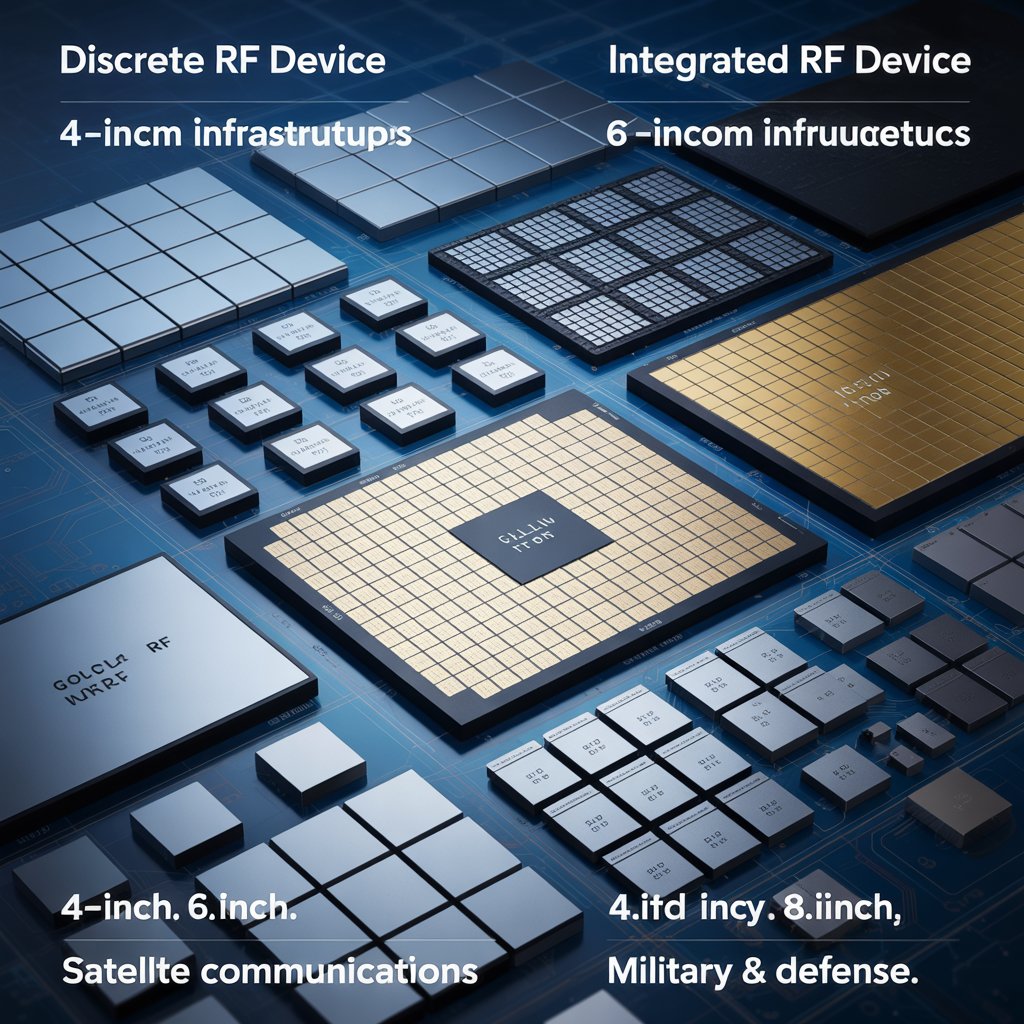
Advancements in GaN manufacturing and design are further supporting its adoption in IoT applications. The development of cost-effective GaN-on-silicon technology is making RF GaN devices more accessible for commercial applications, including consumer electronics and industrial systems. Additionally, ongoing research and development efforts are focused on improving integration and scalability, enabling the production of compact and multifunctional RF modules suitable for a wide range of IoT devices.
Despite the strong growth potential, the adoption of RF GaN in IoT and smart devices faces challenges such as cost considerations and integration complexity. However, as the technology continues to mature and production volumes increase, these challenges are expected to diminish. The long-term benefits of improved performance, efficiency, and reliability are likely to drive continued investment and innovation in this space.
Emerging applications in IoT and smart devices are playing a significant role in boosting the demand for RF GaN technology. Its ability to deliver high efficiency, robust performance, and reliable connectivity makes it an essential component in the development of next-generation connected systems. As IoT ecosystems continue to expand and evolve, RF GaN is poised to become a foundational technology supporting the future of smart and connected environments.