
The global biosensors market is witnessing a dynamic shift, with its outlook increasingly strengthened by the rapid growth of wearable technology. Biosensors—analytical devices that detect and measure biological data—are becoming essential components in modern healthcare, fitness, and personalized medicine. Their integration into wearable devices is transforming how individuals monitor health in real time.
The global biosensors market is projected to grow from USD 34.51 billion in 2025 to USD 54.37 billion by 2030, at a CAGR of 9.5%
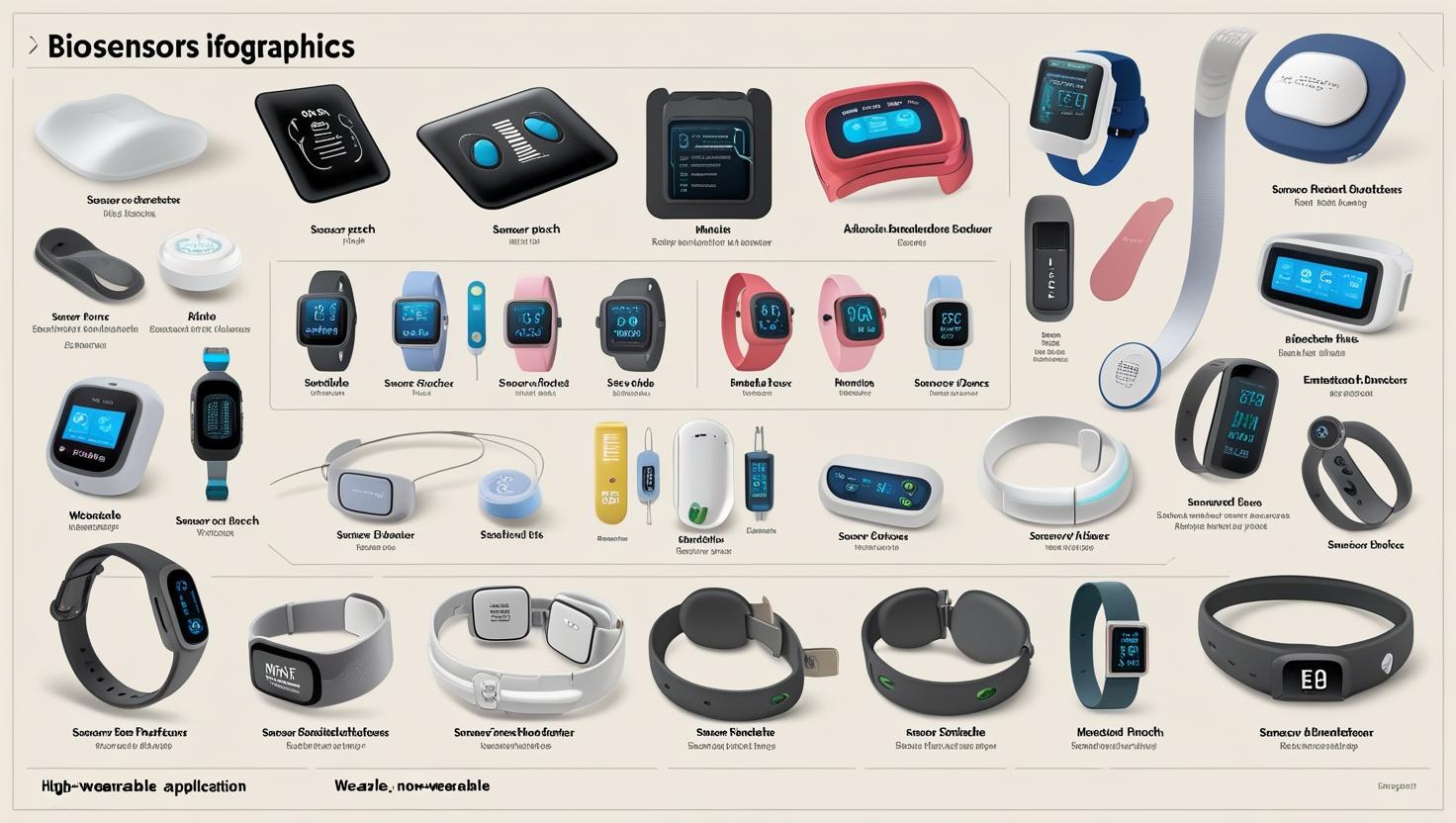
One of the key factors shaping the biosensors market outlook is the rising adoption of wearable devices such as fitness trackers, smartwatches, and health monitoring bands. These devices rely heavily on biosensors to track vital parameters like heart rate, glucose levels, oxygen saturation, and physical activity. As consumer awareness around health and wellness continues to grow, the demand for continuous and non-invasive monitoring solutions is fueling market expansion.
Technological advancements are further strengthening the biosensors market outlook. Innovations in miniaturization, nanotechnology, and wireless connectivity have enabled the development of compact, accurate, and energy-efficient biosensors. These improvements enhance the performance of wearable devices, making them more reliable and user-friendly for everyday use.
In addition, the increasing prevalence of chronic diseases such as diabetes and cardiovascular conditions is driving demand for biosensor-based monitoring systems. Wearable biosensors allow for early detection and continuous tracking, empowering patients and healthcare providers to make informed decisions. This trend is significantly contributing to the positive biosensors market outlook.
Download PDF Brochure @ https://www.marketsandmarkets.com/pdfdownloadNew.asp?id=798
The integration of biosensors with digital health platforms and mobile applications is another important factor supporting market growth. Data collected from wearable devices can be analyzed in real time, providing actionable insights and enabling personalized healthcare solutions. This convergence of biosensors, data analytics, and mobile technology is creating new opportunities across the healthcare ecosystem.
Moreover, the COVID-19 pandemic accelerated the adoption of remote patient monitoring and telehealth services, further boosting the demand for wearable biosensors. Even in the post-pandemic era, the shift toward decentralized healthcare continues to reinforce the biosensors market outlook.
Despite strong growth prospects, challenges such as data privacy concerns, high development costs, and regulatory complexities remain. However, ongoing research and development efforts, along with supportive government initiatives, are expected to address these barriers over time.
In conclusion, the biosensors market outlook remains highly optimistic, driven by the expanding role of wearable technology in healthcare and wellness. As innovation continues and adoption rises, biosensors are set to play a pivotal role in shaping the future of connected and personalized healthcare solutions.
Frequently Asked Questions (FAQs)
1. What is driving the biosensors market outlook?
The biosensors market outlook is driven by increasing demand for wearable health devices, rising prevalence of chronic diseases, and advancements in sensor technologies.
2. How are wearable devices influencing the biosensors market outlook?
Wearable devices such as smartwatches and fitness trackers use biosensors for real-time health monitoring, significantly strengthening the biosensors market outlook.
3. What are the key applications of biosensors?
Biosensors are widely used in medical diagnostics, glucose monitoring, fitness tracking, environmental monitoring, and food safety.
4. Which industries are contributing to biosensors market growth?
Healthcare, consumer electronics, sports & fitness, and biotechnology industries are major contributors to the positive biosensors market outlook.
5. What technological advancements are shaping the biosensors market outlook?
Innovations in nanotechnology, miniaturization, and wireless connectivity are improving biosensor efficiency and usability, boosting the biosensors market outlook.