
The Biosensors Market is experiencing rapid growth as wearable and embedded devices transform healthcare, industrial monitoring, and environmental sensing. With the rising demand for real-time monitoring, personalized healthcare, and smart diagnostics, biosensor technologies are becoming increasingly essential across multiple industries.
Market Segmentation by Type
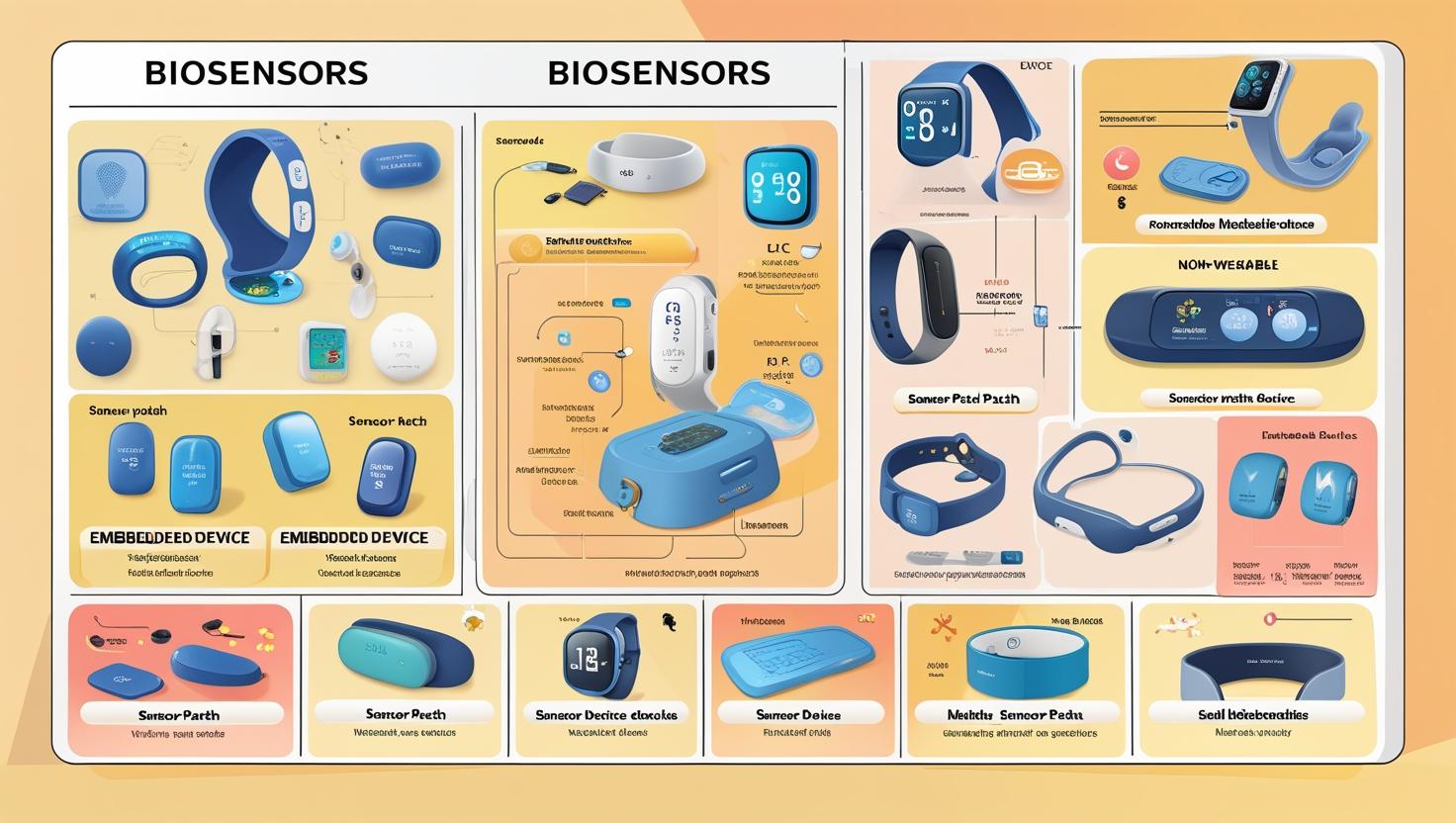
The Biosensors Market is broadly segmented by type into sensor patches and embedded devices:
-
Sensor Patches – Flexible, often adhesive devices that monitor vital signs such as heart rate, glucose levels, or physical activity. Sensor patches are gaining popularity in remote patient monitoring and telehealth solutions, providing continuous, non-invasive data.
-
Embedded Devices – Integrated within medical instruments or industrial equipment, embedded biosensors monitor physiological parameters or chemical properties in real-time. These devices are crucial in smart medical devices, point-of-care diagnostics, and industrial process control.
Product-Based Insights
The market is also categorized by product type into wearable and non-wearable biosensors:
-
Wearable Biosensors – These include wristwear and bodywear devices.
-
Wristwear – Smartwatches and fitness bands embedded with biosensors track heart rate, oxygen saturation, and other physiological parameters.
-
Bodywear – Smart clothing or adhesive patches that continuously monitor multiple health metrics, providing actionable insights for users and healthcare providers.
-
-
Non-Wearable Biosensors – Standalone devices used in laboratories, point-of-care testing, and industrial monitoring for chemical detection, pathogen identification, and quality control.
Download PDF Brochure @ https://www.marketsandmarkets.com/pdfdownloadNew.asp?id=798
Technology Insights
The Biosensors Market leverages advanced technologies to improve accuracy, sensitivity, and usability:
-
Electrochemical Sensors – Measure chemical changes, commonly used for glucose monitoring and biochemical analysis.
-
Optical Sensors – Detect light absorption or fluorescence changes, widely applied in diagnostics and environmental monitoring.
-
Piezoelectric Sensors – Detect pressure changes or mechanical stress, enabling precise measurements in healthcare and industrial applications.
-
Thermal Sensors – Monitor temperature variations in medical devices or industrial processes.
-
Nanomechanical Sensors – Highly sensitive sensors detecting molecular-scale interactions, ideal for early disease detection and lab-on-chip devices.
Applications Driving Market Growth
The Biosensors Market serves multiple applications across healthcare, industrial, and environmental domains:
-
Healthcare – Continuous glucose monitoring, cardiovascular monitoring, wearable fitness devices, and personalized diagnostics are key drivers.
-
Industrial IoT – Biosensors monitor chemical reactions, detect hazardous substances, and optimize production processes.
-
Environmental Monitoring – Sensors detect pollutants, toxins, and pathogens, supporting sustainability and safety regulations.
Market Trends
Several trends are propelling the Biosensors Market Growth:
-
Integration with Wearable Technology – Smartwatches, fitness bands, and smart clothing are incorporating biosensors to deliver real-time health insights to users and healthcare providers.
-
Remote Patient Monitoring – The rise of telemedicine and home healthcare solutions is increasing demand for sensor patches and wearable biosensors.
-
Advancements in Sensor Technologies – Nanomechanical and electrochemical sensors are improving detection sensitivity, enabling early diagnosis and industrial process optimization.
-
Data-Driven Healthcare – Integration of biosensors with AI and cloud-based platforms allows continuous data collection, predictive analytics, and personalized treatment plans.
Regional Insights
-
North America leads the market due to advanced healthcare infrastructure, high adoption of wearable technologies, and strong R&D investments.
-
Europe is witnessing steady growth with supportive healthcare initiatives and increasing use of biosensors in research and diagnostics.
-
Asia-Pacific represents a high-growth market, driven by expanding healthcare access, increasing chronic disease prevalence, and growing adoption of wearable technologies.
Challenges
Despite strong growth, the Biosensors Market faces challenges such as high device costs, regulatory hurdles, and data privacy concerns in wearable and connected devices. Ensuring accuracy and reliability of sensor readings in real-world conditions also remains a critical focus for manufacturers.
Future Outlook
The future of the Biosensors Market is promising as technology continues to advance. Integration with AI, IoT, and mobile health platforms will expand applications in personalized medicine, preventive healthcare, and industrial automation. Wearable and embedded biosensors are expected to play a pivotal role in transforming healthcare delivery, industrial monitoring, and environmental safety.
In conclusion, the Biosensors Market Growth is being driven by the increasing adoption of wearable and embedded devices, technological innovations, and expanding applications across healthcare, industrial, and environmental sectors. As demand for real-time, accurate, and non-invasive monitoring rises, biosensors are set to become a cornerstone of smart diagnostics and automated monitoring solutions worldwide.
FAQ
1. What are biosensors?
Biosensors are analytical devices that detect biological, chemical, or physical processes and convert them into measurable signals. They are widely used in healthcare, industrial, and environmental monitoring applications.
2. What types of biosensors are available?
Biosensors are commonly categorized into sensor patches and embedded devices. Sensor patches are wearable, flexible devices for continuous monitoring, while embedded devices are integrated into medical instruments, industrial equipment, or IoT platforms.
3. What are the main products in the Biosensors Market?
The market is divided into wearable and non-wearable products:
-
Wearable: Wristwear (smartwatches, fitness bands) and bodywear (smart clothing, adhesive patches)
-
Non-wearable: Standalone lab devices, point-of-care instruments, and industrial monitoring systems
4. Which technologies are used in biosensors?
Key technologies include:
-
Electrochemical – measures chemical changes, e.g., glucose monitoring
-
Optical – detects light-based changes, used in diagnostics
-
Piezoelectric – measures mechanical stress or pressure
-
Thermal – detects temperature changes
-
Nanomechanical – measures molecular-level interactions