
The Automotive Battery Management System (BMS) market is positioned at the center of the global electrification movement. As electric vehicles (EVs), hybrid electric vehicles (HEVs), and plug-in hybrid vehicles (PHEVs) gain momentum, the need for intelligent battery monitoring and control systems has become more critical than ever. A BMS ensures optimal battery performance, safety, longevity, and efficiency by monitoring voltage, temperature, current, and state of charge. With governments worldwide promoting zero-emission mobility and automakers accelerating EV production, the automotive BMS market is projected to experience robust growth over the coming decade.
Electrification is not only reshaping passenger mobility but also transforming commercial fleets, public transportation, and off-highway vehicles. This widespread transition significantly expands the addressable market for advanced BMS solutions.
Growth Drivers in Vehicle Electrification
The rapid adoption of electric vehicles remains the primary driver of BMS demand. Countries across Europe, North America, and Asia-Pacific are implementing strict emission regulations and offering incentives to encourage EV adoption. As automakers expand their electric portfolios and phase out internal combustion engine vehicles, battery capacity requirements continue to increase. Larger battery packs require more sophisticated management systems capable of maintaining uniform cell balancing, preventing overheating, and extending battery life.
Additionally, advancements in lithium-ion battery chemistry, including higher energy density cells and solid-state battery research, demand increasingly intelligent BMS architectures. Modern systems are integrating advanced algorithms, artificial intelligence, and real-time diagnostics to optimize charging cycles and improve vehicle range.
Download PDF Brochure @ https://www.marketsandmarkets.com/pdfdownloadNew.asp?id=15321159
Emerging Opportunities in Energy Storage Integration
Beyond mobility, automotive batteries are becoming integral to broader energy storage ecosystems. Vehicle-to-grid (V2G) technology enables EV batteries to store surplus renewable energy and feed it back into the grid when demand peaks. This integration creates new opportunities for BMS providers to design systems that support bidirectional energy flow, grid communication protocols, and enhanced safety mechanisms.
As renewable energy adoption grows, EV batteries may serve as distributed energy storage units, further increasing the importance of advanced battery monitoring and predictive analytics. BMS platforms capable of managing both automotive and stationary energy storage applications are expected to gain competitive advantage.
Technological Advancements Shaping the Market
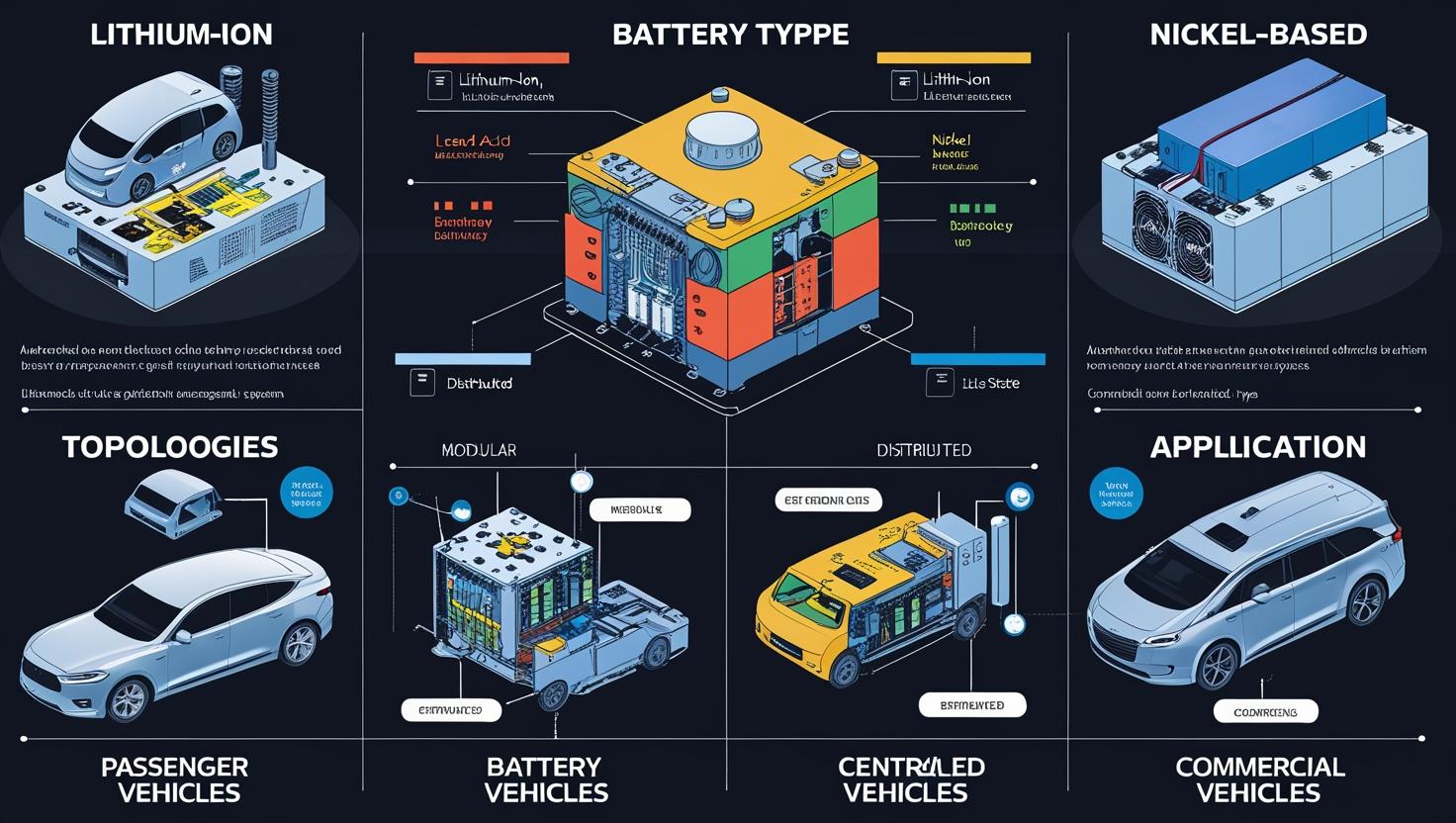
Innovation remains a key competitive factor in the automotive BMS landscape. Traditional centralized BMS architectures are increasingly being replaced by distributed and modular systems that offer improved scalability and reliability. Wireless Battery Management Systems (wBMS) are gaining traction as they reduce wiring complexity, lower vehicle weight, and simplify manufacturing processes.
Advanced thermal management integration is another critical area of development. Effective temperature control enhances battery safety and extends lifecycle performance, particularly in high-voltage EV platforms. The integration of cloud connectivity and predictive maintenance capabilities also allows automakers to monitor battery health remotely, improving warranty management and customer satisfaction.
Regional Outlook
Asia-Pacific currently dominates the automotive BMS market due to strong EV production in China, Japan, and South Korea. Government support, battery manufacturing capacity, and established EV supply chains contribute to regional leadership. Europe is experiencing rapid expansion driven by stringent carbon reduction policies and ambitious electrification targets. North America is also witnessing accelerated investment in EV manufacturing facilities and battery gigafactories, further strengthening market growth.
Emerging markets are gradually adopting electric mobility solutions, especially in two-wheelers, three-wheelers, and commercial transport segments. This expansion opens new avenues for cost-effective and scalable BMS solutions tailored to diverse vehicle categories.
Competitive Landscape and Strategic Focus
Leading automotive electronics suppliers and semiconductor companies are investing heavily in research and development to enhance system accuracy, cybersecurity, and functional safety compliance. Strategic partnerships between automakers, battery manufacturers, and technology providers are becoming increasingly common. These collaborations aim to improve battery efficiency, reduce production costs, and accelerate innovation.
As competition intensifies, differentiation will depend on software capabilities, integration flexibility, and compliance with automotive safety standards such as ISO 26262. Companies offering comprehensive battery analytics and lifecycle management solutions are likely to secure long-term contracts with EV manufacturers.
Future Outlook
The automotive BMS market is expected to witness sustained double-digit growth, supported by global electrification initiatives and energy storage integration. Increasing EV penetration, expanding charging infrastructure, and advances in battery chemistry will continue to elevate the importance of intelligent battery management systems.
In the long term, BMS solutions will evolve beyond simple monitoring devices into intelligent energy management platforms. Their role will expand to support smart grids, renewable energy ecosystems, and autonomous electric mobility. As electrification accelerates worldwide, automotive battery management systems will remain a foundational technology enabling safer, more efficient, and sustainable transportation.
Frequently Asked Questions (FAQ): Automotive Battery Management System (BMS) Market
What is an Automotive Battery Management System (BMS)?
An Automotive Battery Management System (BMS) is an electronic control system that monitors and manages rechargeable batteries in electric and hybrid vehicles. It ensures safe operation by regulating voltage, current, temperature, and state of charge while optimizing battery performance and lifespan.
Why is BMS critical for electric vehicles (EVs)?
BMS is essential because EV batteries operate under high voltage and store significant energy. Without proper monitoring and control, batteries can overheat, degrade prematurely, or become unsafe. A BMS protects against overcharging, deep discharge, short circuits, and thermal runaway, ensuring safety, reliability, and extended battery life.
What factors are driving the growth of the Automotive BMS market?
Key growth drivers include the rapid adoption of electric vehicles, stricter emission regulations, advancements in lithium-ion battery technologies, expansion of charging infrastructure, and integration of vehicle-to-grid (V2G) systems. Increased investments in EV manufacturing and battery gigafactories also contribute to market expansion.
What are the main types of BMS architectures?
Automotive BMS architectures are typically categorized into centralized, distributed, and modular systems. Centralized systems use a single control unit, distributed systems assign controllers to individual battery modules, and modular systems combine both approaches for enhanced scalability and flexibility.