
The Asia Pacific smart lighting market is witnessing strong growth driven by rapid urbanization, smart city initiatives, energy-efficiency mandates, and rising adoption of connected building technologies. Smart lighting systems integrating intelligent lights, luminaires, and advanced lighting controls—are increasingly deployed across residential, commercial, and industrial sectors in the region.
The Asia Pacific smart lighting market is projected to reach USD 8.45 billion by 2030, up from USD 3.94 billion in 2025, at a CAGR of 16.5% from 2025 to 2030.
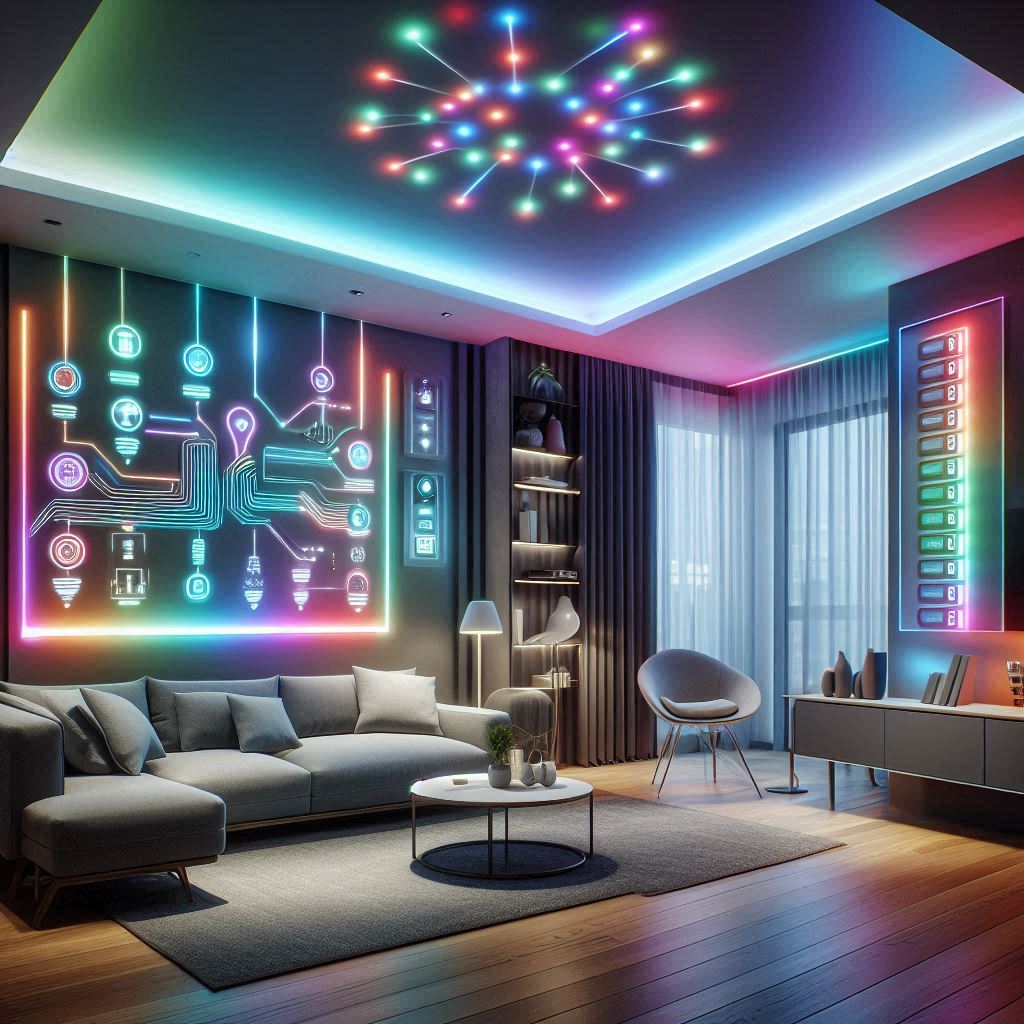
Asia Pacific Smart Lighting Market Overview
Smart lighting refers to lighting solutions that use sensors, communication networks, and control software to automate and optimize illumination. In the Asia Pacific region, demand for smart lighting is increasing due to:
-
Growing infrastructure development
-
Expansion of smart buildings and smart cities
-
Rising focus on energy conservation
-
Integration of IoT-based lighting systems
Countries across Asia Pacific are investing heavily in digital infrastructure, making smart lighting a key component of modern urban planning.
Market Segmentation Analysis
By Offering: Lights & Luminaires and Lighting Controls
The Asia Pacific smart lighting market is segmented by offering into lights and luminaires and lighting controls.
-
Lights and luminaires include LED-based smart bulbs and fixtures that offer energy efficiency, long lifespan, and connectivity.
-
Lighting controls enable automation, dimming, scheduling, and remote operation, enhancing user convenience and operational efficiency.
The integration of intelligent controls with advanced luminaires is a major factor driving adoption across commercial buildings and public infrastructure.
By Communication Protocol
Smart lighting systems in Asia Pacific utilize a range of wired and wireless communication protocols to ensure seamless connectivity and interoperability.
DALI (Digital Addressable Lighting Interface)
DALI is widely used in commercial and industrial lighting due to its reliability, flexibility, and centralized control capabilities.
Power over Ethernet (PoE)
PoE is gaining traction as it allows both power and data transmission through a single Ethernet cable, simplifying installation and enabling advanced monitoring and control.
Power Line Communications (PLC)
PLC enables data transmission over existing power lines, reducing the need for additional wiring and lowering deployment costs.
Wired Hybrid Protocols
Wired hybrid protocols combine multiple communication technologies to improve performance, scalability, and system reliability.
By Wireless Technology
Wireless technologies play a critical role in the expansion of smart lighting across Asia Pacific.
Zigbee
Zigbee is extensively adopted due to its low power consumption, mesh networking capability, and suitability for large-scale lighting networks.
Bluetooth Low Energy (BLE)
BLE-based smart lighting is popular in indoor environments, offering ease of deployment and compatibility with smartphones and IoT devices.
6LoWPAN
6LoWPAN enables IPv6 connectivity for low-power wireless networks, supporting seamless integration with broader IoT ecosystems.
EnOcean
EnOcean technology supports energy-harvesting wireless devices, making it ideal for sustainable and maintenance-free lighting solutions.
Key Growth Drivers in the Asia Pacific Smart Lighting Market
Several factors are accelerating the growth of smart lighting adoption in the region:
-
Government-led smart city projects
-
Increasing deployment of energy-efficient LED lighting
-
Rising awareness of sustainability and carbon reduction
-
Growing demand for automated and connected buildings
-
Technological advancements in IoT and wireless communication
These drivers are expected to sustain market momentum through the forecast period.
Challenges and Market Constraints
Despite strong growth potential, the Asia Pacific smart lighting market faces certain challenges:
-
High initial installation costs
-
Integration complexity with legacy lighting infrastructure
-
Lack of standardization across communication protocols
-
Limited awareness in price-sensitive markets
However, ongoing technological innovation and declining component costs are expected to mitigate these challenges over time.
Download PDF Brochure @ https://www.marketsandmarkets.com/pdfdownloadNew.asp?id=129043409
Competitive Landscape and Industry Outlook
The market is characterized by continuous product innovation, strategic partnerships, and technology upgrades. Companies are focusing on enhancing interoperability, improving energy efficiency, and expanding their presence across emerging Asia Pacific economies.
As smart infrastructure investment increases, the competitive landscape is expected to evolve with a strong emphasis on scalable and cost-effective lighting solutions.
The Asia Pacific smart lighting market is projected to grow at a healthy pace through 2030, driven by expanding urban infrastructure and digital transformation initiatives. The increasing penetration of smart controls, wireless technologies, and IoT-enabled lighting systems will continue to shape market growth during the forecast period.
Frequently Asked Questions (FAQs)
What is smart lighting?
Smart lighting refers to intelligent lighting systems that use sensors, communication technologies, and software to automate, monitor, and optimize lighting performance.
Which technologies are used in the Asia Pacific smart lighting market?
Key technologies include DALI, Power over Ethernet (PoE), Power Line Communications (PLC), Zigbee, Bluetooth Low Energy (BLE), 6LoWPAN, and EnOcean.
What factors are driving smart lighting adoption in Asia Pacific?
Major drivers include smart city initiatives, energy-efficiency regulations, infrastructure development, and growing adoption of IoT-based solutions.
Which sectors use smart lighting solutions?
Smart lighting is widely used across residential, commercial, industrial, and public infrastructure applications.