
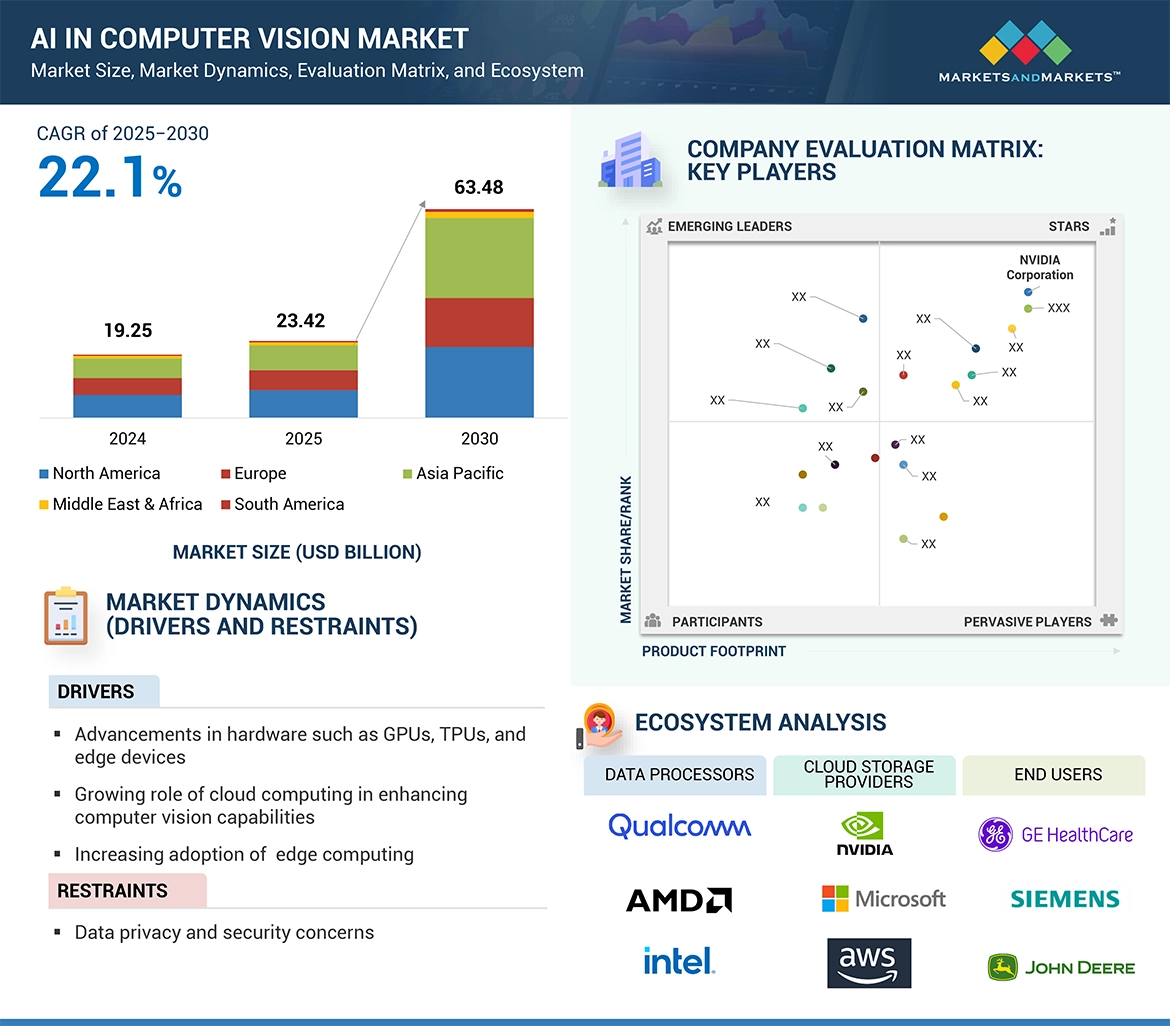
The AI in Computer Vision Market is experiencing rapid transformation as organizations increasingly adopt intelligent visual recognition technologies to enhance automation, efficiency, and decision-making. Computer vision powered by artificial intelligence enables machines to analyze images and video data with human-like accuracy, unlocking value across industries such as healthcare, automotive, manufacturing, retail, and security. The market dynamics are shaped by strong growth drivers, evolving technological capabilities, regulatory considerations, and emerging opportunities that continue to redefine the competitive landscape.
One of the primary drivers of market growth is the accelerating pace of digital transformation across enterprises. Businesses are generating vast amounts of visual data through connected devices, surveillance cameras, smartphones, and industrial sensors. AI-powered computer vision systems allow organizations to extract actionable insights from this data in real time. The need to automate repetitive tasks, enhance operational efficiency, and improve accuracy is pushing companies to integrate intelligent vision solutions into their workflows. As industries seek to reduce costs and increase productivity, demand for advanced computer vision technologies continues to rise.
Download PDF Brochure @ https://www.marketsandmarkets.com/pdfdownloadNew.asp?id=141658064
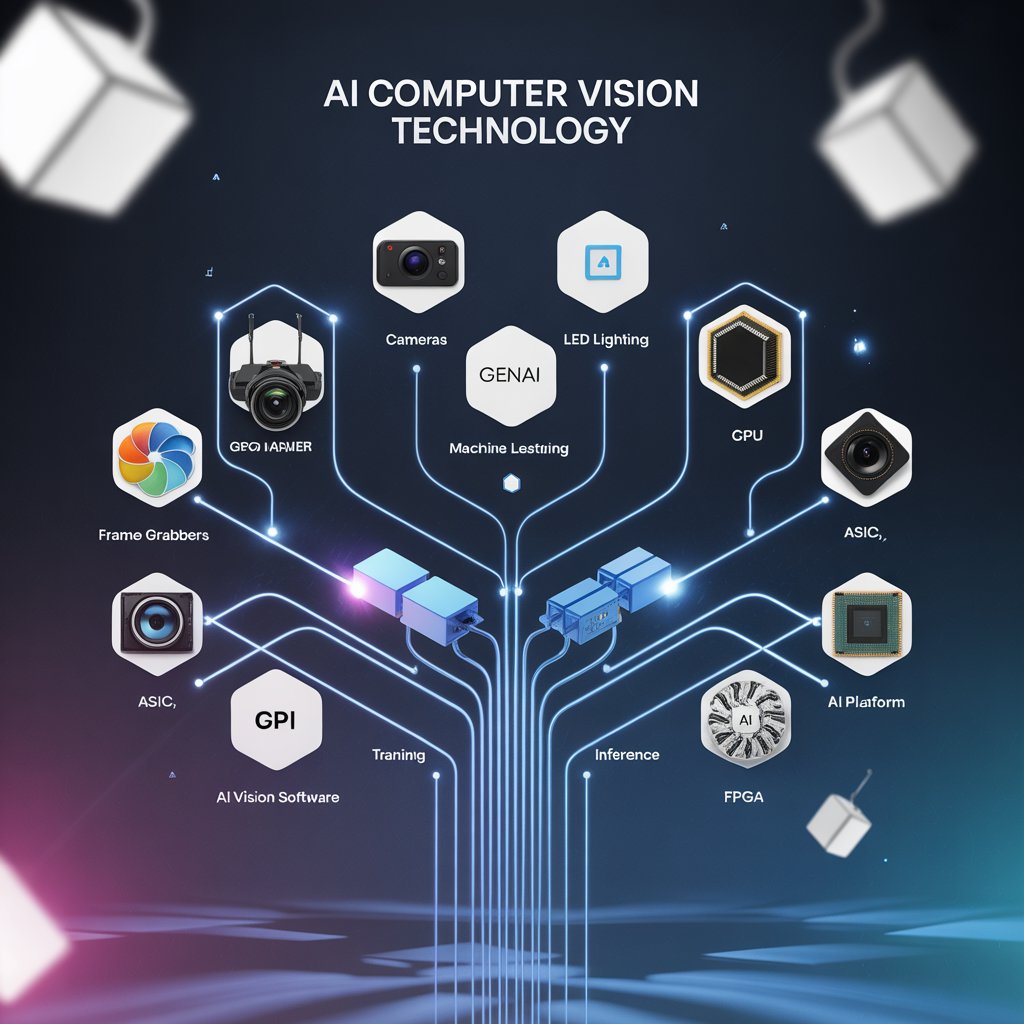
Technological advancements in deep learning algorithms are also fueling market expansion. Modern neural networks, including convolutional neural networks and transformer-based architectures, have significantly improved image recognition, object detection, and segmentation capabilities. These innovations enable systems to process complex visual scenes with high precision. Additionally, the development of high-performance graphics processing units and AI accelerators has enhanced computational efficiency, making large-scale deployment more feasible. Continuous research and innovation are strengthening the reliability and scalability of AI-driven computer vision solutions.
The growing adoption of edge computing represents another major driver influencing market dynamics. Edge AI enables visual data processing directly on local devices, reducing latency and enhancing real-time decision-making. Applications such as autonomous vehicles, industrial robotics, and smart surveillance require immediate responses, making edge-based computer vision solutions highly valuable. This decentralized approach also addresses data privacy concerns by limiting the need to transmit sensitive information to cloud servers. As hardware capabilities improve, edge computing integration is expected to further accelerate market growth.
Inquiry Before Buying @ https://www.marketsandmarkets.com/Enquiry_Before_BuyingNew.asp?id=141658064
Despite these strong drivers, the AI in computer vision market faces several challenges. Data privacy and regulatory compliance remain critical concerns, particularly in applications involving facial recognition and biometric identification. Governments and regulatory bodies are implementing stricter data protection laws, requiring companies to adopt transparent and responsible AI practices. Ensuring algorithm fairness and mitigating bias in training datasets are also ongoing challenges. Organizations must invest in explainable AI frameworks to build trust among users and stakeholders.
High implementation costs can pose barriers for small and medium-sized enterprises. Deploying AI-powered computer vision systems often requires significant investment in hardware infrastructure, software development, and skilled personnel. Additionally, integrating new technologies into existing operational systems can be complex and time-consuming. However, the growing availability of cloud-based AI platforms and pre-trained models is gradually reducing entry barriers and expanding accessibility.
View detailed Table of Content here – https://www.marketsandmarkets.com/Market-Reports/ai-in-computer-vision-market-141658064.html
The market presents substantial opportunities across diverse industry verticals. In healthcare, AI-enabled computer vision is transforming medical imaging and diagnostic processes, enabling early disease detection and improved patient outcomes. In the automotive sector, advanced driver assistance systems and autonomous vehicles rely heavily on intelligent vision capabilities. Retailers are leveraging visual analytics for automated checkout systems and customer behavior analysis, while manufacturers are deploying AI-driven inspection systems to enhance quality control and predictive maintenance.
Emerging applications such as augmented reality, smart agriculture, and drone-based monitoring are further expanding the market’s potential. As 5G connectivity becomes more widespread, enhanced data transmission speeds will support more sophisticated real-time visual analytics. Partnerships between technology providers, hardware manufacturers, and industry-specific solution developers are creating collaborative ecosystems that foster innovation and accelerate commercialization.
The AI in computer vision market dynamics are defined by powerful growth drivers, regulatory and operational challenges, and a wide range of emerging opportunities. Technological advancements, edge computing adoption, and cross-industry integration are propelling market expansion. While challenges related to privacy, cost, and implementation complexity must be addressed, the long-term outlook remains highly promising as organizations continue to embrace intelligent visual automation as a cornerstone of digital transformation.