
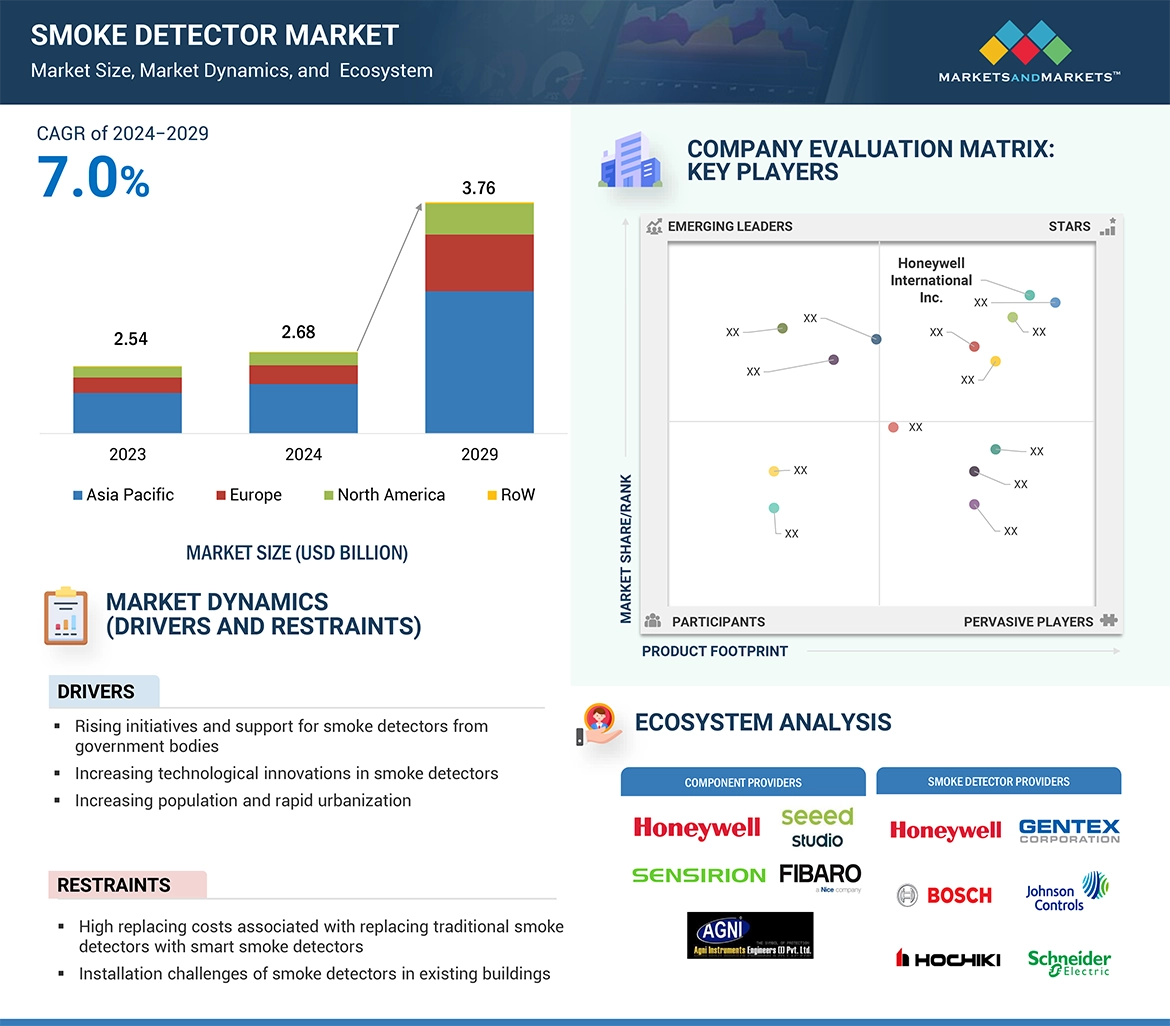
The integration of artificial intelligence and automation is rapidly transforming the Smoke Detector Market, introducing a new generation of intelligent fire detection systems. Traditional smoke detectors primarily functioned as standalone devices that triggered audible alarms when smoke particles reached a certain threshold. While these devices remain widely used, advancements in artificial intelligence, machine learning, and automated monitoring systems are redefining how fire detection technologies operate. AI-powered smoke detectors are now capable of analyzing environmental data, identifying potential fire hazards earlier, and coordinating automated safety responses across buildings and smart infrastructure networks.
Artificial intelligence plays a crucial role in improving the accuracy and reliability of smoke detection systems. One of the most common challenges associated with conventional smoke detectors is the occurrence of false alarms triggered by cooking smoke, steam, dust, or other harmless airborne particles. AI algorithms help address this issue by analyzing multiple environmental variables simultaneously. These systems process data collected from sensors that detect smoke, heat, air quality, and particle density. By comparing real-time sensor data with previously learned patterns, AI-enabled detectors can determine whether a detected signal represents an actual fire risk or a non-threatening environmental condition. This intelligent analysis significantly reduces false alarms while improving overall detection efficiency.
Download PDF Brochure @ https://www.marketsandmarkets.com/pdfdownloadNew.asp?id=162940771
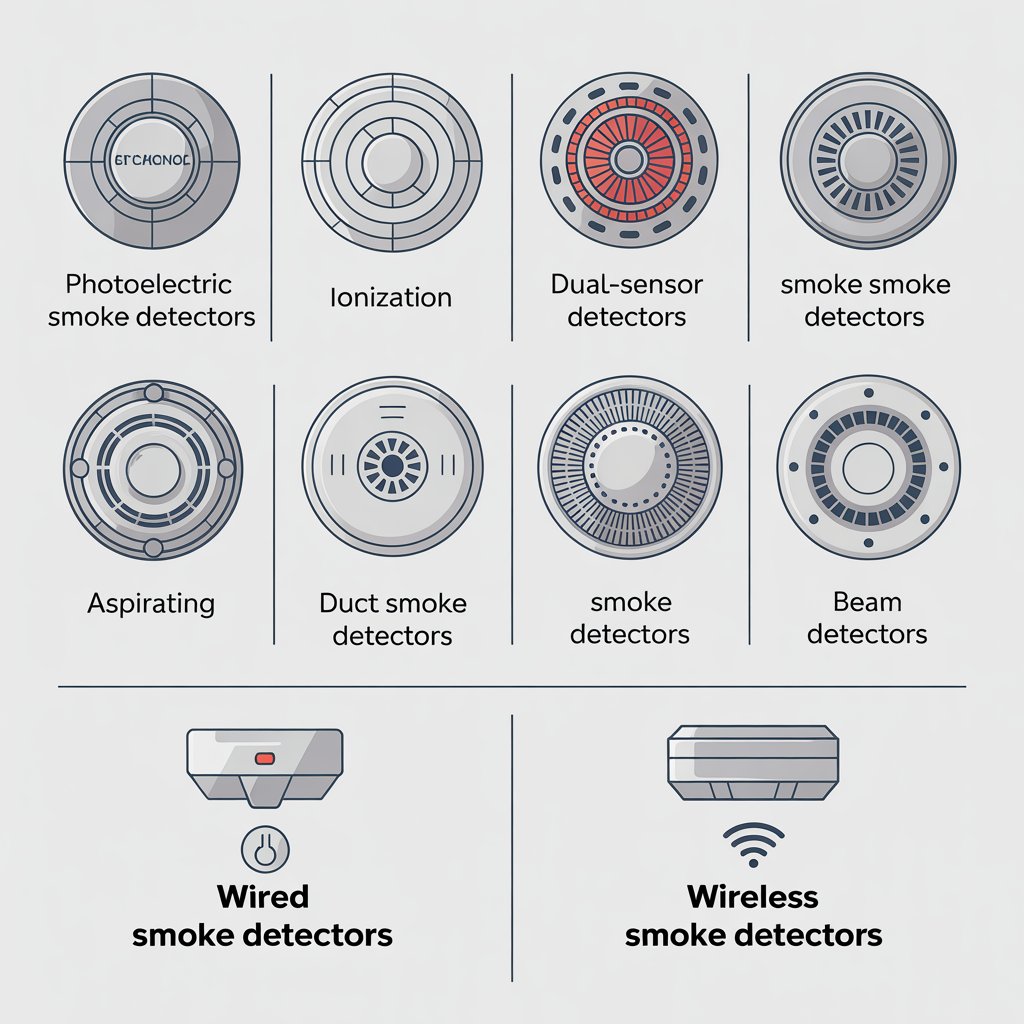
Machine learning is another technological advancement influencing the development of modern smoke detectors. Through machine learning models, fire detection systems can continuously learn from historical data and refine their detection capabilities over time. These models analyze patterns related to smoke formation, temperature changes, and air composition in different environments. As the system gathers more operational data, it becomes better at distinguishing between genuine fire incidents and normal environmental fluctuations. This adaptive learning process allows smoke detectors to deliver more reliable performance across diverse environments such as residential homes, commercial buildings, and industrial facilities.
Automation is also reshaping the smoke detector market by enabling coordinated responses to fire emergencies. Automated fire safety systems can integrate smoke detectors with other building infrastructure components such as ventilation systems, emergency lighting, fire suppression equipment, and security controls. When a smoke detector identifies a potential fire hazard, the automation system can trigger multiple responses simultaneously. For example, ventilation systems may automatically shut down to prevent smoke from spreading, emergency lights may activate to guide occupants toward exit routes, and fire suppression systems such as sprinklers may be deployed instantly. This level of automation enhances building safety by reducing response times and minimizing the potential impact of fire incidents.
The growing adoption of smart buildings and connected infrastructure is further accelerating the integration of AI and automation in smoke detection technologies. In smart building environments, smoke detectors are connected to centralized building management systems that monitor various operational parameters in real time. These platforms collect and analyze data from numerous sensors throughout the building, enabling facility managers to monitor fire safety conditions continuously. AI-powered monitoring systems can detect unusual environmental patterns that may indicate early-stage fire risks, allowing building operators to take preventive action before the situation escalates.
Inquiry Before Buying @ https://www.marketsandmarkets.com/Enquiry_Before_BuyingNew.asp?id=162940771
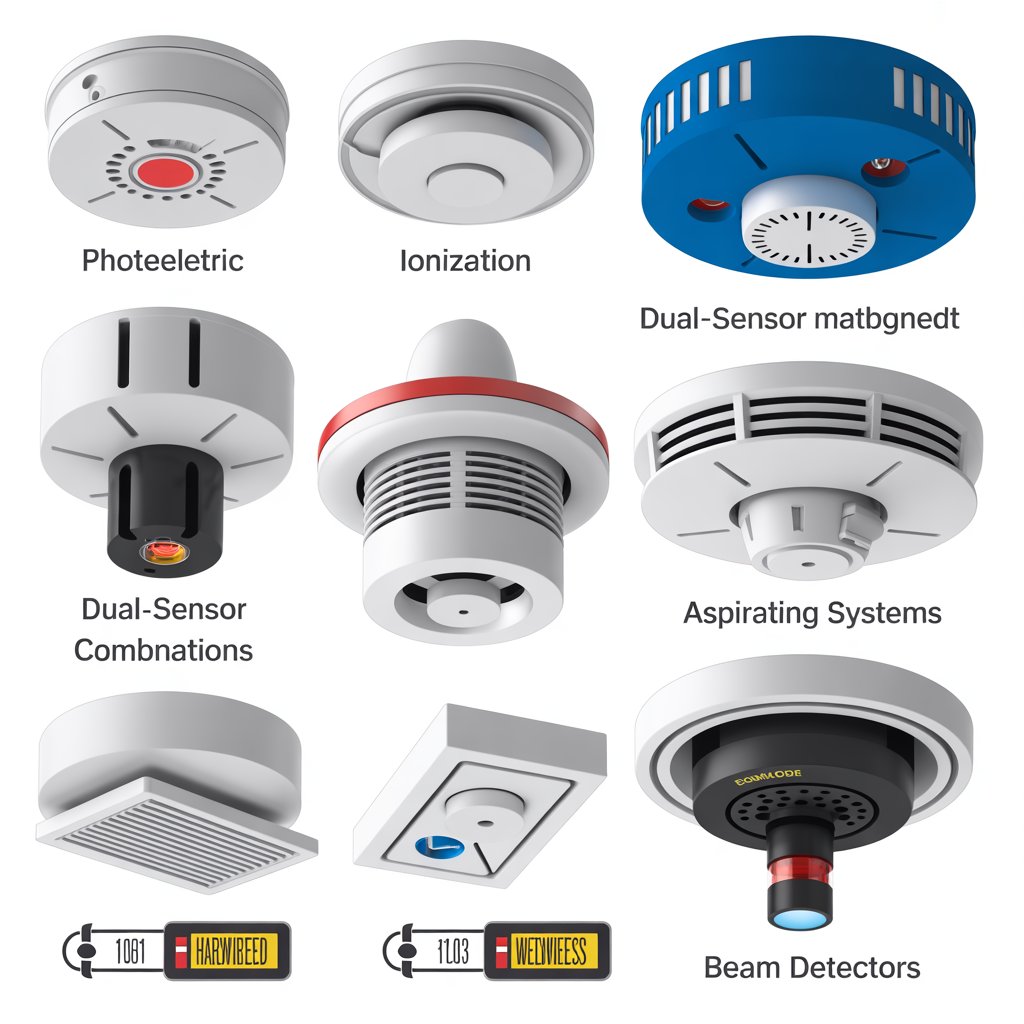
Cloud computing technology also plays an important role in enabling AI-driven smoke detection solutions. Modern fire detection systems often transmit sensor data to cloud-based platforms where advanced algorithms analyze large volumes of information in real time. Cloud connectivity allows building managers, property owners, and safety personnel to access fire detection data remotely through mobile applications or online dashboards. This remote monitoring capability is particularly valuable for large commercial complexes, industrial facilities, and multi-location property portfolios where centralized oversight is essential for effective safety management.
Video-based fire detection is another emerging trend influenced by artificial intelligence. Unlike traditional smoke detectors that rely solely on particle sensors, video-based systems use cameras and image recognition algorithms to detect visible signs of fire and smoke. AI-powered image analysis can identify flame patterns, smoke movement, and changes in color or light intensity within surveillance footage. This technology is particularly useful in large open environments such as warehouses, airports, manufacturing plants, and transportation hubs where conventional smoke detectors may not provide immediate detection. By analyzing visual data in real time, AI systems can detect fire hazards quickly and trigger automated alarms or emergency responses.
Automation technologies are also improving the maintenance and reliability of smoke detection systems. Smart detectors equipped with automated self-diagnostic features can monitor their own operational status and detect potential faults or performance issues. These systems can automatically notify maintenance teams when sensors require cleaning, calibration, or battery replacement. Predictive maintenance capabilities powered by AI allow building operators to address potential issues before they result in device failure. This proactive maintenance approach reduces downtime and ensures that fire detection systems remain fully operational at all times.
View detailed Table of Content here – https://www.marketsandmarkets.com/Market-Reports/smoke-detector-market-162940771.html
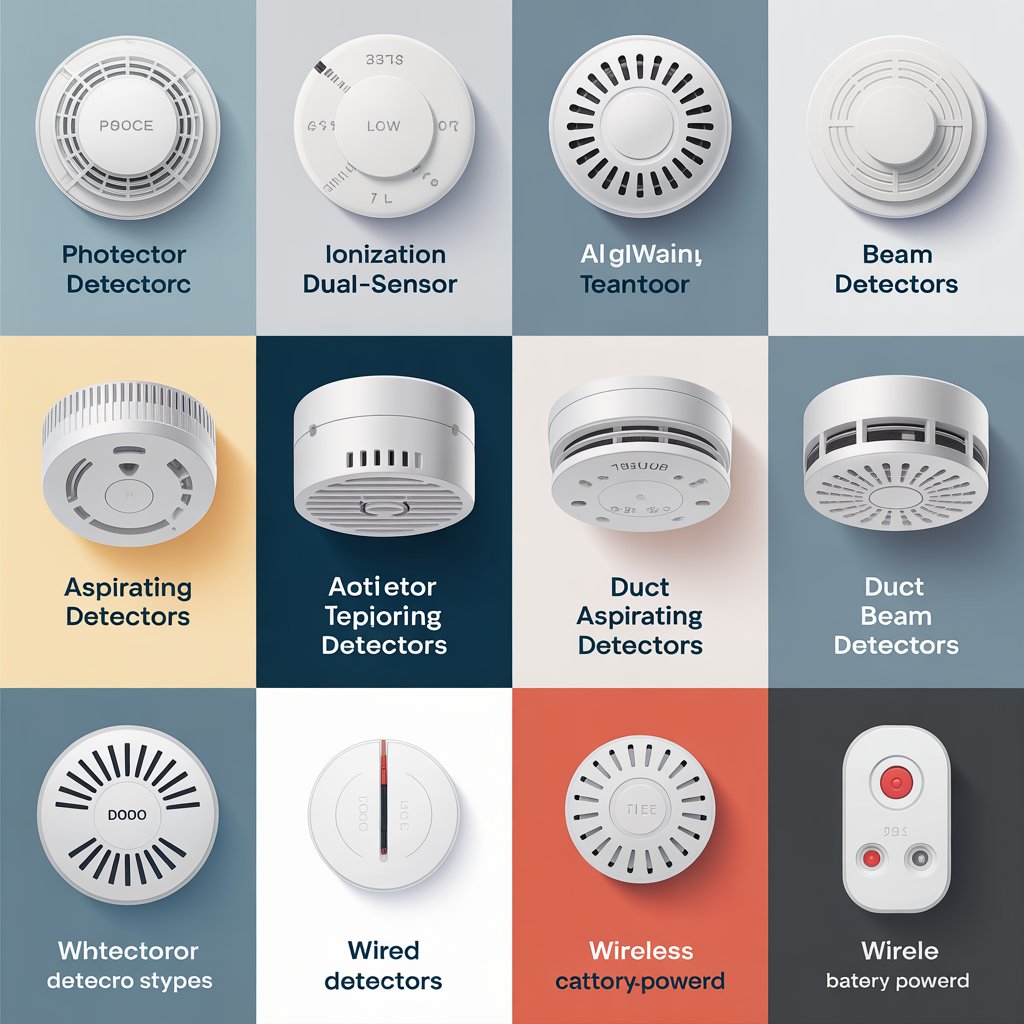
The integration of artificial intelligence and automation is also creating new opportunities for data-driven fire safety strategies. By collecting and analyzing large volumes of environmental data, AI systems can identify patterns and trends related to fire risks within buildings or industrial environments. Safety managers can use this information to improve fire prevention strategies, optimize building design, and enhance emergency preparedness planning. Data-driven insights enable organizations to move beyond reactive fire safety approaches and adopt more proactive risk management practices.
Another important trend within the AI-driven smoke detector market is the integration of voice alerts and intelligent communication systems. Advanced smoke detectors can provide spoken alerts that specify the location of detected smoke or fire hazards within a building. These voice-guided warnings improve emergency communication and help occupants respond more effectively during evacuation situations. When combined with automated building systems, voice alerts can guide individuals toward the safest exit routes and reduce confusion during emergencies.
Artificial intelligence and automation are significantly transforming the smoke detector market by introducing intelligent, connected, and highly responsive fire detection solutions. AI-powered analytics improve detection accuracy and reduce false alarms, while automation enables coordinated emergency responses that enhance building safety. Technologies such as machine learning, cloud connectivity, video-based detection, and predictive maintenance are expanding the capabilities of modern smoke detectors. As smart infrastructure and connected building technologies continue to evolve, the integration of AI and automation will play an increasingly important role in shaping the future of fire safety systems worldwide.