
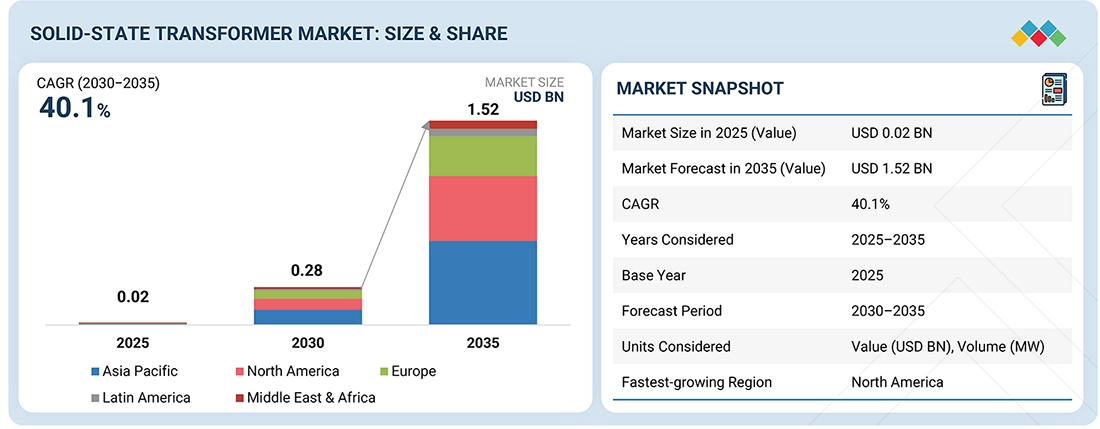
The modernization of grid infrastructure is playing a critical role in supporting the growth of the Solid-State Transformer (SST) Market. As global energy systems evolve to accommodate increasing electricity demand, renewable integration, and digital transformation, traditional grid architectures are being upgraded to more advanced, intelligent frameworks. These advanced grid systems require highly efficient, flexible, and responsive power conversion technologies, positioning SSTs as a key component in next-generation electrical networks. The transition toward smart and resilient grids is creating a strong foundation for the expansion of the SST market.
Advanced grid infrastructure is characterized by enhanced communication, automation, and control capabilities that enable real-time monitoring and management of power systems. Unlike conventional grids, which operate on limited data and manual control, modern grids rely on digital technologies to optimize performance and ensure reliability. SSTs align well with these requirements due to their inherent digital control capabilities. They can actively regulate voltage, manage power flow, and respond instantly to fluctuations in supply and demand. This level of control is essential for maintaining stability in complex and dynamic grid environments.
Download PDF Brochure @ https://www.marketsandmarkets.com/pdfdownloadNew.asp?id=774
One of the primary drivers behind grid modernization is the increasing integration of renewable energy sources such as solar and wind. These sources introduce variability and intermittency, which can disrupt traditional power systems. Advanced grid infrastructure is designed to handle these challenges by incorporating flexible and adaptive technologies. SSTs facilitate seamless integration of renewable energy by providing dynamic voltage regulation and efficient power conversion. Their ability to manage variable inputs and maintain stable output makes them indispensable in renewable-rich grid environments.
The development of smart grids is a significant aspect of advanced grid infrastructure that is driving SST adoption. Smart grids utilize sensors, communication networks, and data analytics to monitor and control energy flow in real time. SSTs enhance the functionality of smart grids by enabling bidirectional power flow and supporting distributed energy resources. This capability allows energy to be generated, stored, and consumed at multiple points within the network, improving efficiency and reducing transmission losses. As smart grid deployments continue to expand globally, the demand for SST technology is expected to increase.
Grid resilience is another important factor influencing the adoption of SSTs in advanced infrastructure. Modern power systems must be capable of withstanding disruptions caused by natural disasters, cyber threats, and equipment failures. SSTs contribute to resilience by providing advanced fault detection and isolation capabilities. Their digital control systems can quickly identify and respond to faults, minimizing the impact on the overall system. Additionally, SSTs support the integration of backup power sources and energy storage systems, ensuring continuous power supply during outages.
Inquiry Before Buying @ https://www.marketsandmarkets.com/Enquiry_Before_BuyingNew.asp?id=774
The rise of distributed energy resources is further shaping the need for advanced grid infrastructure. These resources, including rooftop solar panels, small wind turbines, and energy storage systems, are being deployed closer to end users. Managing these decentralized energy sources requires sophisticated power management solutions. SSTs enable efficient coordination of distributed resources by providing localized control and real-time monitoring. This capability supports the development of decentralized energy systems and enhances overall grid efficiency.
Electrification trends across transportation and industry are also contributing to the demand for advanced grid infrastructure and SST technology. The increasing adoption of electric vehicles, electric rail systems, and industrial electrification is placing additional demands on power grids. SSTs provide efficient and scalable solutions for handling these high-power applications. Their compact design and high power density make them suitable for deployment in urban environments and industrial facilities, supporting the expansion of electrified systems.
Technological advancements in power electronics are further strengthening the role of SSTs in advanced grid infrastructure. The use of wide bandgap semiconductors such as silicon carbide and gallium nitride is enabling higher efficiency and improved performance. These materials allow SSTs to operate at higher frequencies, reducing size and enhancing power density. Combined with advanced cooling systems and digital control platforms, these innovations are making SSTs more reliable and cost-effective, driving their adoption in modern grid systems.
View detailed Table of Content here – https://www.marketsandmarkets.com/Market-Reports/solid-state-transformer-market-774.html
Investment in grid modernization is a key factor supporting SST market growth. Governments and utilities worldwide are allocating significant resources to upgrade aging infrastructure and implement smart grid technologies. These investments are focused on improving energy efficiency, reducing carbon emissions, and enhancing grid reliability. SSTs are a critical component of these initiatives, offering the advanced capabilities needed to support modern energy systems. As funding for grid modernization continues to increase, the demand for SST solutions is expected to grow.
Despite the strong growth prospects, challenges such as high initial costs and integration complexity remain. Implementing SST technology requires significant investment in advanced components and system design. Additionally, integrating SSTs with existing grid infrastructure can be complex and time-consuming. However, ongoing research and development efforts, along with increasing economies of scale, are expected to address these challenges over time, making SSTs more accessible and widely adopted.
Advanced grid infrastructure is a key driver supporting the growth of the solid-state transformer market. The need for efficient, flexible, and intelligent power conversion solutions is increasing as energy systems become more complex and dynamic. SSTs, with their advanced capabilities, are playing a central role in enabling the transition to modern grid architectures. As smart grid deployments, renewable integration, and electrification initiatives continue to expand, SSTs are expected to become an integral part of future energy systems, driving sustained market growth and innovation.