
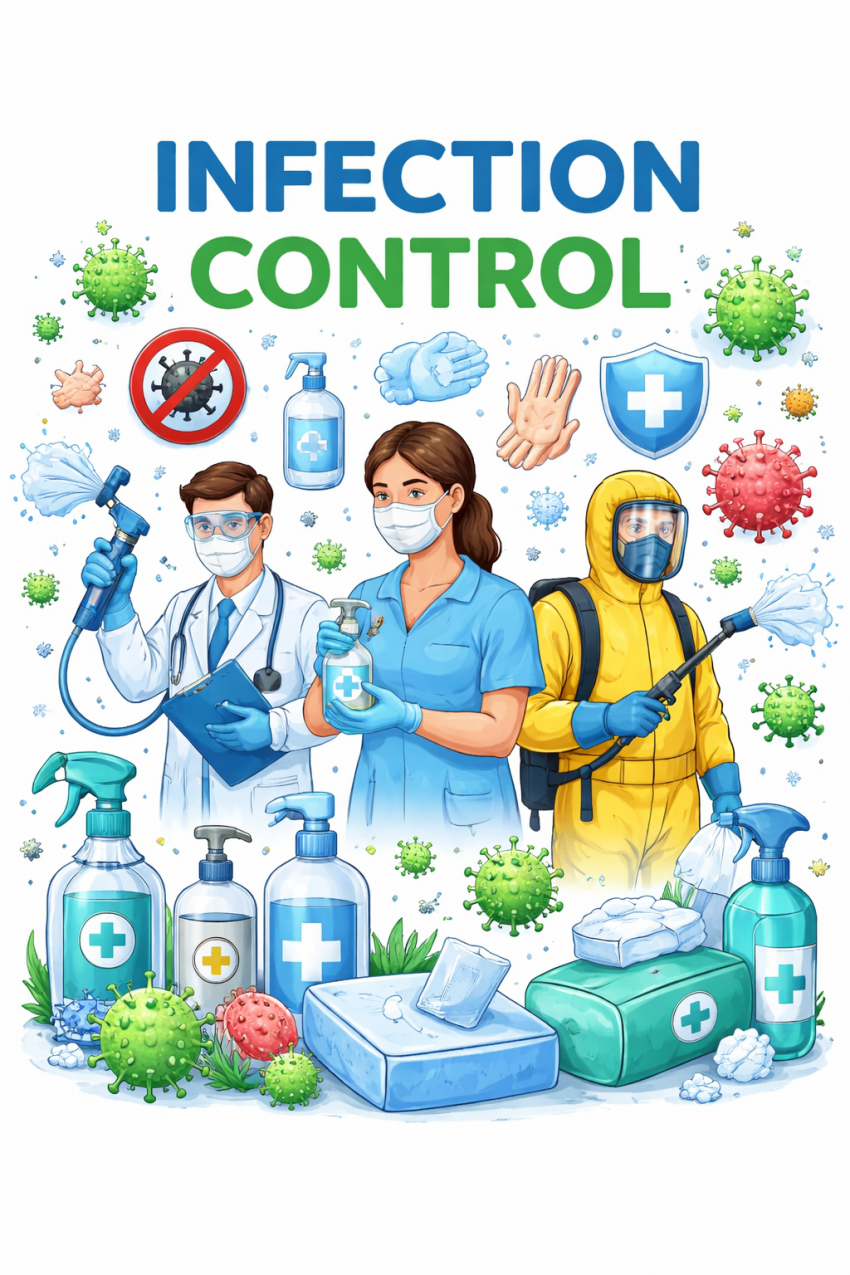
Infection control has become one of the most critical pillars of modern healthcare. As hospitals, clinics, and laboratories continue to evolve, the demand for advanced infection prevention strategies is stronger than ever. In 2026, healthcare systems are embracing innovation, automation, and data-driven approaches to minimize healthcare-associated infections (HAIs) and improve patient outcomes.
This article explores the top infection control trends shaping healthcare in 2026 and how they are transforming safety standards across the industry.
Download PDF Brochure : https://www.marketsandmarkets.com/pdfdownloadNew.asp?id=1084
1. Rise of AI-Powered Infection Surveillance
Artificial Intelligence (AI) is revolutionizing infection control by enabling real-time monitoring and predictive analytics.
Healthcare facilities are now using AI-driven platforms to:
- Detect infection patterns early
- Predict outbreak risks
- Automate reporting and compliance
These systems reduce human error and help infection control teams respond faster, ultimately preventing widespread transmission.
2. Increased Adoption of Single-Use Medical Devices
The shift toward single-use (disposable) medical devices is accelerating in 2026.
Key benefits include:
- Reduced cross-contamination risks
- Elimination of reprocessing errors
- Improved patient safety
Hospitals are increasingly replacing reusable tools with sterile, pre-packaged alternatives, especially in critical care and surgical environments.
3. Advanced Sterilization Technologies
Traditional sterilization methods are being upgraded with next-generation solutions.
Emerging technologies include:
- Low-temperature hydrogen peroxide sterilization
- UV-C disinfection systems
- Plasma-based sterilization
These methods offer faster turnaround times and improved efficacy against resistant pathogens.
4. Focus on Antimicrobial Surfaces
Healthcare infrastructure is evolving with antimicrobial materials integrated into high-touch surfaces.
Examples include:
- Copper-infused bed rails and door handles
- Antimicrobial coatings on medical equipment
- Self-disinfecting surfaces
These innovations continuously reduce microbial load, supporting ongoing infection prevention efforts.
5. Strengthening Hand Hygiene Compliance
Hand hygiene remains the most effective infection control measure, but compliance has historically been inconsistent.
In 2026, hospitals are leveraging:
- Smart sensors and wearable devices
- Real-time compliance tracking systems
- Automated reminders for healthcare staff
These technologies significantly improve adherence and accountability.
6. Growth of Telehealth and Remote Care
Telehealth is playing a major role in infection control by minimizing unnecessary hospital visits.
Benefits include:
- Reduced exposure to infectious environments
- Lower patient footfall in hospitals
- Safer care delivery for vulnerable populations
Remote monitoring tools are also helping manage chronic conditions without increasing infection risks.
7. Emphasis on Environmental Hygiene
Environmental cleaning protocols are becoming more rigorous and standardized.
Key developments:
- Use of electrostatic sprayers for disinfectants
- Robotics for automated room disinfection
- Data-driven cleaning audits
Hospitals are prioritizing high-touch areas and ensuring consistent sanitation practices.
8. Antimicrobial Resistance (AMR) Management
Antimicrobial resistance remains a global concern, pushing healthcare providers to adopt stricter stewardship programs.
Strategies include:
- Optimized antibiotic usage
- Rapid diagnostic testing
- Surveillance of resistant strains
These efforts aim to preserve the effectiveness of existing treatments.
9. Integration of IoT in Infection Control
The Internet of Things (IoT) is enhancing infection control through connected devices.
Applications include:
- Smart hospital beds monitoring patient movement
- Connected air filtration systems
- Real-time tracking of medical equipment sanitation
IoT enables better visibility and control over infection risks within healthcare facilities.
10. Regulatory and Compliance Advancements
Governments and healthcare organizations are implementing stricter infection control guidelines.
In 2026, focus areas include:
- Standardized reporting of HAIs
- Mandatory infection prevention protocols
- Increased audits and inspections
Compliance is no longer optional—it is a core requirement for operational excellence.
Conclusion
Infection control in 2026 is defined by innovation, automation, and proactive prevention. From AI-driven surveillance to antimicrobial materials and IoT-enabled systems, healthcare providers are adopting smarter strategies to combat infections.
As the healthcare landscape continues to evolve, organizations that invest in advanced infection control measures will not only improve patient safety but also enhance operational efficiency and regulatory compliance.
Request Sample Pages: https://www.marketsandmarkets.com/requestsampleNew.asp?id=1084
FAQs
What is infection control in healthcare?
Infection control refers to policies and procedures used to minimize the risk of spreading infections, especially in hospitals and clinical settings.
Why is infection control important in 2026?
With rising antimicrobial resistance and global health threats, infection control is essential for patient safety, cost reduction, and healthcare quality improvement.
What are the latest infection control technologies?
Key technologies include AI surveillance systems, UV disinfection, antimicrobial surfaces, and IoT-enabled monitoring tools.