
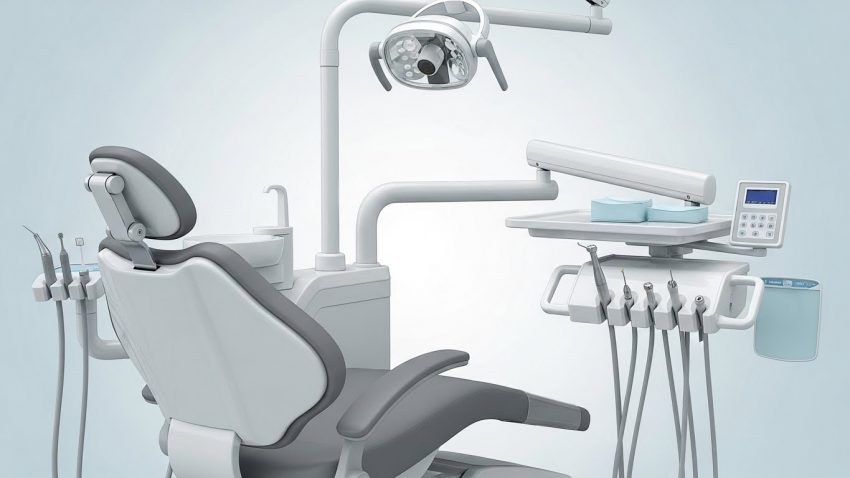
The global dental equipment market is demonstrating steady and sustainable growth as oral healthcare becomes a higher priority for governments, providers, and patients worldwide. Valued at USD 6.5 billion in 2023 and USD 6.9 billion in 2024, the market is projected to reach USD 9.3 billion by 2029, expanding at a compound annual growth rate (CAGR) of 6.2% during the forecast period. This growth trajectory is supported by rising dental disease prevalence, increasing demand for cosmetic dentistry, and continuous technological innovation across diagnostic and therapeutic equipment categories.
Download PDF Brochure:https://www.marketsandmarkets.com/pdfdownloadNew.asp?id=784
Market Overview and Growth Drivers
One of the most influential drivers of market expansion is the growing role of government programs aimed at improving public dental health. Many countries are allocating funds to modernize dental infrastructure within public healthcare systems, particularly to reduce disparities in access to care for underserved populations. Financial incentives and procurement programs encourage clinics and hospitals to invest in advanced diagnostic tools, treatment technologies, and infection control systems. These initiatives not only enhance the quality and safety of dental care but also increase the overall service capacity of dental facilities, stimulating consistent demand for modern equipment.
Another major driver is the development of technologically advanced dental solutions. The industry has evolved rapidly with the introduction of dental lasers, digital radiology, CAD/CAM systems, and 3D imaging technologies. Dental lasers are increasingly used for procedures such as gum reshaping and teeth whitening, offering reduced bleeding, faster recovery times, and improved patient comfort. At the same time, adhesive dentistry and advanced composite materials enable minimally invasive treatments that preserve natural tooth structure while delivering strong aesthetic outcomes.
Digitalization is reshaping dental workflows. Intraoral cameras, 3D scanners, and CBCT systems allow practitioners to capture highly accurate images for diagnosis and treatment planning, while CAD/CAM systems support same-day restorations and closer collaboration with dental laboratories. These technologies improve operational efficiency, reduce turnaround times, and enhance patient satisfaction—factors that are particularly important for high-volume clinics and dental service organizations.
Regional Market Insights
Asia Pacific is projected to register the highest growth rate, with a CAGR of 6.8% through 2029. Market expansion in this region is driven by rising incidences of dental caries and periodontal diseases, increasing disposable incomes, and growing awareness of oral hygiene in countries such as China and India. The rapid expansion of private dental clinics and hospitals, combined with the adoption of dental 3D printing and digital imaging technologies, is further strengthening regional demand.
Europe represents a mature but steadily growing market, expected to reach USD 3.3 billion by 2029 at a CAGR of 6.2%. Growth is supported by strong healthcare infrastructure, high standards of clinical practice, and continued investment in digital dentistry. Meanwhile, emerging markets in Latin America are gaining attention due to improving healthcare access, urbanization, and growing middle-class populations seeking restorative and cosmetic dental services.
Market Restraints
Despite favorable growth conditions, the market faces notable constraints, particularly the high cost of advanced dental imaging systems and limited reimbursement for dental procedures. Dental implants and CBCT systems require significant capital investment, making them difficult to adopt for smaller clinics and solo practitioners. In developed regions such as North America and Europe, dental implants are often classified as cosmetic procedures, resulting in minimal insurance coverage and high out-of-pocket expenses for patients.
In developing markets, limited reimbursement frameworks and lower purchasing power further restrict access to advanced equipment. These financial barriers slow technology adoption and create disparities between large urban clinics and smaller regional practices.
Opportunities in Emerging Markets
Emerging economies represent one of the most promising growth avenues for dental equipment manufacturers and service providers. Countries such as India, China, and Brazil are witnessing rapid improvements in oral healthcare infrastructure, rising disposable incomes, and increasing awareness of preventive dental care. Although the global number of dentists exceeds one million, only 15–20% currently perform implant procedures, highlighting significant untapped potential for implantology and restorative equipment.
Supportive government policies are accelerating market entry for international players. India’s reduction of customs duties on dental products and China’s deregulation of private healthcare facilities have improved market accessibility and stimulated investments in modern dental technologies. Training initiatives for practitioners and laboratory professionals are also increasing the effective utilization of advanced systems such as CAD/CAM platforms and high-performance restoration materials.
Workforce Challenges
A persistent challenge for the industry is the shortage of trained dental professionals, particularly in developing regions. While the number of dentists in the United States is expected to grow modestly, demand for services is rising faster, leading to a projected shortage of over 4,000 general dentists by 2030. The situation is more severe in parts of Africa and Asia, where dentist-to-population ratios remain extremely low. This workforce gap limits the pace of equipment adoption and restricts service capacity, despite strong patient demand.
Segment Analysis
The therapeutic dental equipment segment held the largest market share in 2023, driven by the growing popularity of cosmetic procedures such as orthodontics, implants, and teeth whitening. Social media influence and rising aesthetic awareness are encouraging patients to seek advanced treatments, prompting clinics to invest in laser systems, CAD/CAM technologies, and precision instruments that enhance treatment quality and efficiency.
From an end-user perspective, dental hospitals and clinics are expected to grow at the highest CAGR during the forecast period. Rising disposable incomes and increasing healthcare expenditure are enabling patients to access specialized treatments, while providers are upgrading facilities to attract and retain customers in competitive urban markets. The expanding middle class in Asia Pacific is a particularly strong contributor to this trend.
Competitive Landscape and Recent Developments
The dental equipment market is characterized by the presence of established global manufacturers with diversified product portfolios and strong distribution networks. Leading players include DENTSPLY SIRONA, Planmeca Group, Envista Holdings, Align Technology, and A-dec.
Recent strategic initiatives highlight the industry’s focus on digital manufacturing and imaging. In 2024, Dentsply Sirona partnered with Google to launch a medical-grade 3D printing solution, while Planmeca introduced the Viso G3 CBCT system. Align Technology’s acquisition of Cubicure expanded its 3D printing capabilities, and Envista strengthened its implant and aligner offerings through a partnership with Vitaldent.
Download PDF Brochure:https://www.marketsandmarkets.com/pdfdownloadNew.asp?id=784
Outlook
With sustained investment in technology, supportive government initiatives, and expanding demand in emerging markets, the dental equipment sector is positioned for long-term growth. Companies that prioritize innovation, cost-effective solutions, and professional training will be best placed to capture opportunities in this evolving global marketplace.