
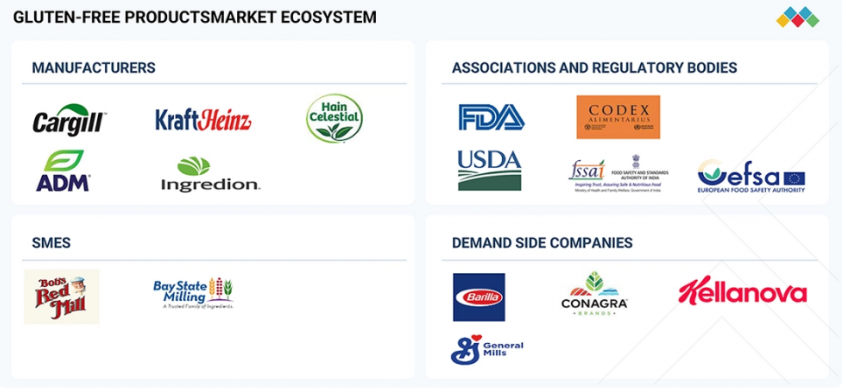
According to a research report published by MarketsandMarkets, the global gluten-free products market is estimated at USD 7.70 billion in 2024 and is projected to reach USD 11.48 billion by 2029, registering a strong CAGR of 8.3% during the forecast period. This steady expansion reflects shifting dietary preferences, rising health awareness, and growing demand for allergen-friendly food solutions worldwide.
With consumers increasingly prioritizing wellness, digestive health, and clean-label nutrition, gluten-free products have transitioned from niche offerings to mainstream grocery essentials.
What’s Driving the Gluten-Free Boom?
While celiac disease remains a primary medical driver for gluten-free consumption, the market’s rapid growth extends beyond clinical necessity. Several factors are fueling demand:
- Rising awareness of gluten sensitivity
- Perceived benefits such as improved digestion and higher energy levels
- Growing interest in preventive healthcare
- Expansion of health-conscious and fitness-focused lifestyles
- Increased availability across retail channels
Consumers today are more experimental and open to alternative formulations that promise both health benefits and indulgent taste experiences.
Request Custom Data to Address your Specific Business Needs
In 2024, companies such as The Kraft Heinz Company and The Hain Celestial Group introduced innovative gluten-free offerings. Kraft Heinz launched Fudge n’ Vanilla French Fry Pop, combining vanilla oat milk with a chocolate fudge shell. Meanwhile, Hain Celestial expanded its snack portfolio with Garden Veggie Flavor Burst Tortilla Chips featuring vegetable-based flavors. These launches highlight how brands are blending indulgence with allergen-friendly formulations to capture evolving consumer preferences.
Specialty Stores Strengthen Distribution Landscape
The specialty stores segment continues to hold a significant share in the gluten-free market. These include bakery stores, gourmet stores, and confectionery outlets that offer curated selections tailored to gluten-intolerant and health-focused consumers.
Specialty bakery stores, in particular, stand out for offering freshly prepared gluten-free breads, cakes, and pastries that cater to local taste preferences and individual dietary needs. Gourmet stores appeal to premium shoppers seeking high-quality, specialty gluten-free items, while confectionery outlets provide indulgent gluten-free treats for consumers with dietary restrictions.
A strong example is Whole Foods Market, which has significantly expanded its gluten-free product range, strengthening its position as a trusted destination for allergen-friendly foods.
These specialized retail channels enhance consumer trust and accessibility, playing a crucial role in sustained market growth.
Pizzas & Pastas: A High-Growth Category
Among product types, gluten-free pizzas and pastas maintain a strong market position due to their global popularity and versatility. These products allow gluten-intolerant and health-conscious consumers to enjoy traditional Italian cuisine without compromise.
Major players contributing to this segment include:
- The Kraft Heinz Company
- Conagra Brands, Inc.
- Silly Yaks – For Real Taste
In March 2024, Kraft Heinz introduced KD Gluten Free mac ‘n’ cheese, reinforcing its commitment to expanding gluten-free alternatives while preserving taste and quality. Such innovations demonstrate how leading companies are responding to growing consumer demand for convenient, comfort-food options in gluten-free formats.
Italy Leads the European Gluten-Free Market
Within Europe, Italy is poised to maintain its dominant position in the gluten-free products market throughout the forecast period.
Italy’s leadership is driven by:
- Strong bakery traditions
- High consumer awareness of gluten-related disorders
- Large domestic and tourist demand
- Continuous innovation by local manufacturers
Key Italian players include:
- Farmo S.p.A.
- Dr. Schär AG / SPA
- Barilla G. e R. F.lli S.p.A
These companies offer extensive gluten-free portfolios ranging from bakery products to pasta variants, supported by strong distribution networks and brand recognition. Their innovation-driven strategies help Italy maintain a competitive edge in the regional market.
Competitive Landscape
The global gluten-free products market is highly competitive, with established food giants and specialized brands driving innovation and expansion. Key players include:
- The Kraft Heinz Company
- The Hain Celestial Group
- General Mills Inc.
- Conagra Brands, Inc.
- Kellanova
- Barilla G. e R. F.lli S.p.A
- Raisio Oyj
- Dr. Schär AG / SPA
- Ecotone
- Enjoy Life
- Alara Wholefoods Ltd
- Katz Gluten Free
- Genius Food
- Silly Yaks – For Real Taste
- Norside Foods Ltd.
These gluten-free products companies are investing heavily in product innovation, expanding retail partnerships, and enhancing supply chain capabilities to capture growing global demand. The gluten-free products market is no longer confined to medical necessity. It has evolved into a broader lifestyle movement centered on wellness, digestive comfort, and clean eating.
With strong growth projections through 2029, increasing product innovation, and expanding distribution networks, the market is expected to witness sustained expansion globally. As consumer awareness deepens and product quality continues to improve, gluten-free foods are set to remain a prominent segment within the global food and beverage industry.
For complete details, access your PDF copy here!
Frequently Asked Questions
- What is the current size of the gluten-free products market?
The global gluten-free products market is valued at USD 7.70 billion in 2024 and is projected to reach USD 11.48 billion by 2029, growing at a CAGR of 8.3% during the forecast period.
- What factors are driving the growth of the gluten-free products market?
Growth is driven by rising awareness of celiac disease and gluten sensitivity, increasing health-conscious and fitness-oriented consumers, perceived digestive and energy benefits, expansion of specialty and premium food retail channels, and continuous product innovation by major food companies.
- Which product segment holds a significant share in the market?
The pizzas & pastas segment maintains a strong position due to its global popularity and convenience. Companies such as The Kraft Heinz Company and Conagra Brands, Inc. are actively expanding their gluten-free pasta and ready-meal offerings to meet growing demand.
- Why are specialty stores important in gluten-free distribution?
Specialty stores, including bakery and gourmet outlets, offer curated gluten-free selections with personalized service. Retailers like Whole Foods Market have strengthened their gluten-free portfolios, making allergen-friendly options more accessible to consumers.
- Which region dominates the gluten-free products market in Europe?
Italy leads the European gluten-free products market due to its strong bakery tradition, high consumer awareness, and innovation from domestic manufacturers such as Dr. Schär AG / SPA and Barilla G. e R. F.lli S.p.A.