
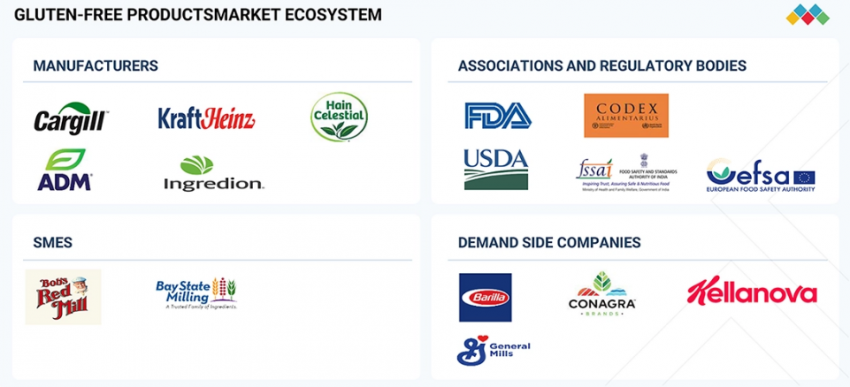
According to a research report published by MarketsandMarkets, the global gluten-free products market is witnessing steady expansion. Valued at USD 7.70 billion in 2024, the market is projected to reach USD 11.48 billion by 2029, registering a CAGR of 8.3% during the forecast period. This sustained momentum highlights ongoing Gluten-free Products Market Growth, supported by evolving consumer preferences, rising health awareness, and continuous innovation across food categories.
Growing Health Awareness Beyond Celiac Disease
Although celiac disease remains a fundamental driver, the gluten-free products market is increasingly shaped by consumers without diagnosed conditions. Many individuals associate gluten-free diets with improved digestion, better energy levels, and overall wellness. Growing awareness of gluten sensitivity and intolerance has encouraged a broader consumer base to adopt gluten-free options as part of healthier eating habits.
Health-conscious and fitness-oriented consumers are also fueling demand, viewing gluten-free foods as cleaner-label and lifestyle-friendly choices. This shift has helped move gluten-free products from a niche segment into mainstream consumption.
Product Innovation Accelerates Market Expansion
Innovation plays a central role in sustaining market momentum, with manufacturers introducing allergen-friendly products that balance taste and nutrition. Recent launches featuring creative flavors and alternative ingredients reflect the industry’s response to changing consumer expectations. These developments demonstrate how brands are positioning gluten-free products as enjoyable, everyday options rather than limited substitutes.
Such innovation continues to broaden the appeal of gluten-free offerings across snacks, desserts, frozen meals, and ready-to-eat products.
For a comprehensive overview, download the PDF copy!
Specialty Stores Enhance Consumer Reach
Within distribution channels, specialty stores maintain a strong position throughout the forecast period. Bakery shops, gourmet stores, and confectionery outlets attract gluten-free consumers through curated assortments and personalized service. Freshly prepared gluten-free baked goods tailored to local tastes have become particularly popular, strengthening demand at the community level.
Gourmet and specialty retailers appeal to premium and wellness-focused consumers by offering high-quality gluten-free options. These channels play a vital role in improving accessibility and reinforcing consumer trust in gluten-free products.
Pizzas and Pastas Drive Category Demand
Gluten-free pizzas and pastas represent a significant share of the market due to their familiarity, convenience, and versatility. These products allow consumers to enjoy traditional Italian-style meals without gluten, appealing to both gluten-intolerant individuals and those seeking dietary alternatives.
Manufacturers continue to expand their portfolios in this segment by improving taste, texture, and nutritional profiles. Product innovation in pizzas and pastas remains a key contributor to overall market expansion.
Italy’s Leadership in the European Market
Within Europe, Italy is expected to maintain its dominant position in the gluten-free products market over the forecast period. The country’s strong bakery and pasta culture, combined with rapid adaptation to gluten-free alternatives, supports robust domestic demand. Local consumption, tourism, and well-established food brands contribute to Italy’s leading market share.
Italian manufacturers continue to strengthen their presence through diversified gluten-free portfolios and extensive distribution networks, ensuring steady growth across the region.
Make an Inquiry to Address your Specific Business Needs
Competitive Landscape and Market Participants
The gluten-free products market includes a mix of global and regional players competing through product differentiation, innovation, and expanded distribution. Companies are increasingly focusing on clean-label formulations, improved sensory quality, and wider availability to capture consumer interest and strengthen brand loyalty.
Looking ahead, the market is expected to maintain positive momentum through 2029 as gluten-free eating becomes more closely associated with wellness and lifestyle choices. Advancements in product development, wider retail penetration, and increasing consumer awareness will continue to shape the gluten-free products market forecast, positioning gluten-free products as a lasting component of the global food industry.
Frequently Asked Questions (FAQs)
- What is driving the growth of the gluten-free products market?
The market is primarily driven by rising awareness of gluten intolerance, increasing adoption of gluten-free diets for perceived health benefits, and growing interest in healthier eating habits. Consumers are increasingly choosing gluten-free products to support digestion, energy levels, and overall wellness.
- Are gluten-free products only consumed by people with celiac disease?
No. While celiac disease is a key driver, a large portion of consumers adopt gluten-free diets due to gluten sensitivity, digestive concerns, or lifestyle and fitness preferences. This broader consumer base has helped expand the market beyond medical necessity.
- Which product categories are most popular in the gluten-free market?
Bakery products, snacks and ready-to-eat foods, and pizzas and pastas are among the most popular categories. Gluten-free pizzas and pastas, in particular, continue to see strong demand due to their convenience and familiarity.
- Why do specialty stores play an important role in gluten-free product sales?
Specialty stores offer curated gluten-free assortments and personalized service, making them trusted destinations for consumers with dietary restrictions. Freshly baked items and premium product selections further enhance their appeal.
- How is product innovation influencing the gluten-free products market?
Innovation is improving taste, texture, and variety in gluten-free offerings. Manufacturers are launching creative snacks, desserts, and meal options that meet both health and taste expectations, attracting a wider audience.