
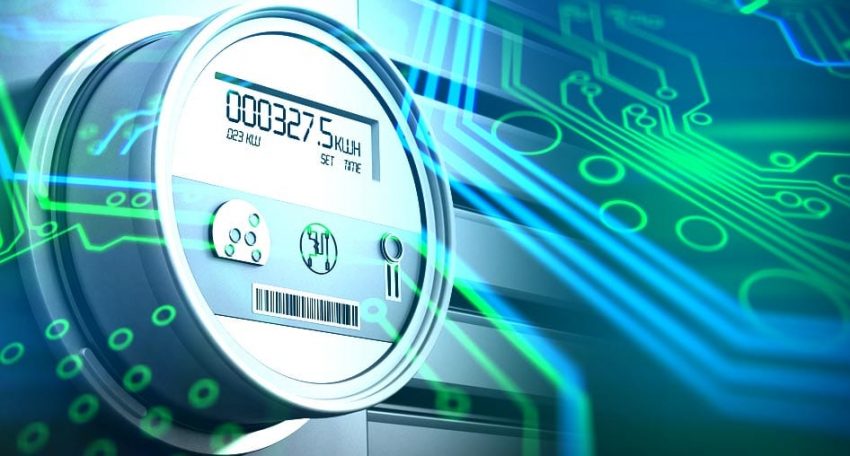
As water scarcity and infrastructure inefficiency become increasingly urgent global concerns, smart water meters are emerging as a critical tool in the transition toward sustainable water management. These advanced devices go far beyond simple usage tracking — they enable real-time monitoring, early leak detection, and seamless integration with digital utility platforms, making them central to the modernization of water infrastructure worldwide.
A Market on the Rise
The smart water meters market is projected to grow from an estimated USD 4.61 billion in 2024 to USD 9.04 billion by 2030, at a compound annual growth rate (CAGR) of 11.9% over the forecast period. This robust expansion is being fueled by growing demand for water conservation, infrastructure modernization, and the broader digitalization of utility operations.
Key Drivers
One of the primary forces behind this market growth is the global challenge of non-revenue water (NRW) — water that is produced but lost before reaching the end consumer through leaks, theft, or inaccurate metering. Increasing investment in NRW reduction, consumption monitoring, and waste management is expected to propel adoption of smart water meters across utilities.
Government-backed initiatives are also accelerating this trend. In the United States, for example, New York Governor Hochul issued USD 31.3 million in October 2022 to improve water infrastructure statewide. Similarly, major industrial players are embracing these technologies: Saint-Gobain implemented a smart water meter system at its Georgia facility, reducing water consumption by over two million gallons annually.
Download PDF Brochure @ https://www.marketsandmarkets.com/pdfdownloadNew.asp?id=250996975
Technology Segmentation
Smart water meters span multiple technology types. Ultrasonic meters are experiencing the most significant growth among meter types, owing to their compatibility with IoT and communication technologies and their high precision, including remote reading capabilities that eliminate the need for additional devices.
On the technology side, Advanced Metering Infrastructure (AMI) is expected to command the largest market share, driven by the high reliability of AMI communication infrastructure, which enables two-way communication and real-time data collection — substantially reducing the need for manual labor and cutting operational costs. Automated Meter Reading (AMR), meanwhile, is the fastest-growing segment, valued for its cost-effectiveness in linking digital meters to central management systems through wireless networks.
Applications and Components
Water utilities dominate the global smart water meters market, as these organizations face persistent challenges around leakage detection and prevention. Utilities globally are actively upgrading legacy water networks, and British water companies have set ambitious targets for smart meter installation over the 2025–2030 period to improve efficiency and reduce waste.
Among market components, the IT solutions segment is the fastest growing. With the rise of IoT sensors and data management software, water utilities can now analyze the potential causes of water loss and take preventive measures, driving significant growth in this segment.
Regional Outlook
North America currently holds the largest share in the global smart water metering market, largely due to the high installation rates by North American water utilities and the region’s exceptionally high per-capita water consumption. However, Asia Pacific is projected to register the highest growth rate through 2030, with countries like China, Australia, Singapore, and India actively developing water consumption and supply infrastructure.
Challenges and Opportunities
Despite the optimistic outlook, certain hurdles remain. The first generation of smart water meters had an average battery life of only seven to eight years, falling short of the 10–20 years required for effective AMI and AMR operations, which raises labor and maintenance costs for utilities. Cybersecurity is another concern, as the vast data generated by smart meters creates vulnerabilities that utilities must proactively address.
On the opportunity side, aging infrastructure presents a massive replacement market. In August 2024, TPG secured a 10-year contract with Southeast Water in Australia to manage and connect one million smart water meters — the country’s largest smart meter rollout — equipped with 4G connectivity for usage analytics and leak detection.
Ask Sample Pages of the Report @ https://www.marketsandmarkets.com/requestsampleNew.asp?id=250996975
Competitive Landscape
The market features a mix of established players and innovative startups. Key market participants include Badger Meter, Sensus (Xylem), Diehl Stiftung & Co. KG, Landis+Gyr, and Itron Inc. , all of which are pursuing expansion strategies through product launches, partnerships, and acquisitions. In November 2024, Diehl acquired PREVENTIO GmbH, a startup specializing in leakage management and predictive maintenance, to enhance its real-time leak detection capabilities.
As the convergence of AI, IoT, and advanced analytics continues to reshape water management, smart water meters are set to play an indispensable role in building the resilient and efficient water systems that cities and industries urgently need.