
The Military Communications Market is on a robust growth trajectory, estimated to reach USD 24.2 Billion in 2023 and projected to soar to USD 35.4 Billion by 2028, at a CAGR of 7.9%. This growth is driven by increasing global security concerns, evolving threat landscapes, rapid adoption of advanced technologies, and the rising complexity of hybrid warfare. Modern military forces demand seamless, secure, and real-time communication systems to maintain operational superiority, making this market a critical segment of global defense infrastructure.
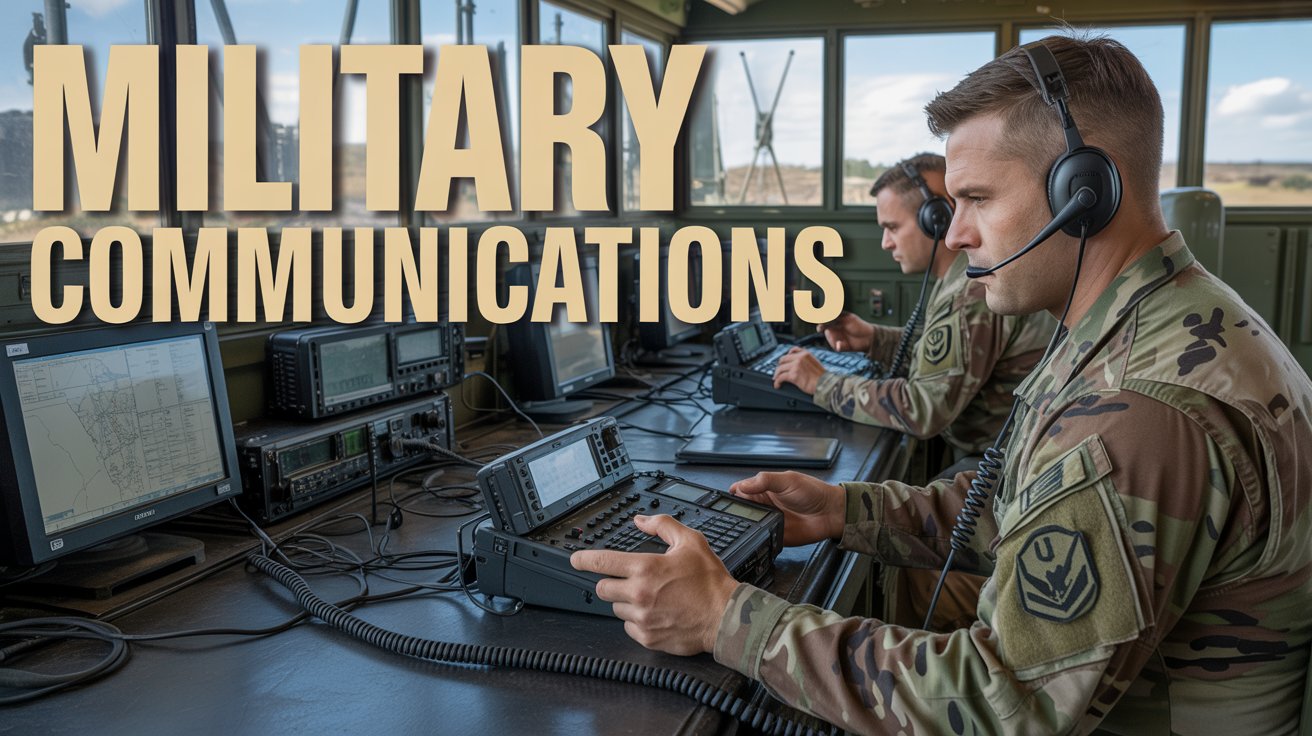
Military communication systems are indispensable for command and control, intelligence gathering, battlefield awareness, logistics, target tracking, and ISR (Intelligence, Surveillance, and Reconnaissance) operations. Their role extends to tactical operations, emergency response, public affairs, and psychological operations, making them a cornerstone of modern military strategy.
Download PDF Brochure @ https://www.marketsandmarkets.com/pdfdownloadNew.asp?id=66198542
For an in-depth view, the report provides 188 market data tables and 54 figures across 246 pages covering platforms, applications, systems, point of sale, and regional analysis.
Platform Analysis: Unmanned Vehicles Lead the Growth
Among various platforms—land, naval, airborne, and unmanned vehicles—the unmanned vehicles segment is expected to grow at the highest CAGR during the forecast period. Unmanned systems, including drones and robotic vehicles, enable military forces to conduct missions in hazardous or hostile environments without risking personnel lives.
These systems are widely deployed for surveillance and reconnaissance, relying heavily on high-quality communications to transmit live video feeds, imagery, and sensor data to commanders. This capability ensures critical situational awareness, allowing for rapid, informed decision-making. With the ability to operate continuously, unmanned systems provide persistent monitoring, a capability increasingly vital in modern warfare. Reliable communication links are essential to sustain operations, particularly during extended missions in remote or contested environments.
Application Insights: ISR Segment Driving Market Demand
On the application front, Intelligence, Surveillance, and Reconnaissance (ISR) is projected to lead the military communications market. ISR is integral to military operations, providing commanders with actionable insights for resource allocation and threat response.
ISR encompasses technologies like SIGNIT (Signal Intelligence), which analyzes electronic signals including radio and radar transmissions, and IMINT (Imagery Intelligence), which involves analyzing images from satellites, drones, and aircraft. These systems not only facilitate target identification and strike planning but also support routine operations and combat readiness, making ISR a critical driver of military communications investments.
System Analysis: Military SATCOM Remains Dominant
The military SATCOM system is expected to capture the largest market share during the forecast period. SATCOM’s prominence is fueled by the need for global coverage, real-time data transmission, and reliability under adverse conditions.
Key drivers for SATCOM include:
-
Increasing number of military satellites ensuring expansive coverage.
-
Integration with commercial satellites for redundancy and scalability.
-
Applications in navigation, positioning, disaster response, and multinational coalition operations.
SATCOM ensures that forces, whether naval fleets or airborne units, remain connected across global operations, and serves as a backup communication system when primary channels fail—crucial for uninterrupted command and control.
Point of Sale: Upgrades Drive Market Expansion
The upgrade segment is projected to lead the market in the coming years. Military communication systems face rapid obsolescence due to technological advancements. Upgrades ensure:
-
Integration of cutting-edge technologies such as Artificial Intelligence (AI), Machine Learning (ML), and advanced data analytics.
-
Continued operational efficiency and reliability.
-
Replacement or modernization of systems reaching end-of-life or support termination.
Periodic defense budget allocations for modernization also bolster demand for system upgrades, positioning this segment as a key driver of growth.
Regional Outlook: Asia Pacific Emerges as the Fastest-Growing Market
Asia Pacific is projected to register the highest CAGR during the forecast period, driven by rising defense budgets and investments in military communication technologies in countries like China, India, Japan, and South Korea.
The region’s growing focus on network-centric operations, interoperability, and modernized defense infrastructure creates significant market potential. Key international players are expanding their footprint across the region to tap into this rising demand.
Leading Players Shaping the Military Communications Market
Prominent companies driving innovation and market expansion include:
-
Raytheon Technologies Corporation (US)
-
Northrop Grumman Corporation (US)
-
Thales Group (France)
-
Elbit Systems (Israel)
-
L3Harris Technologies Inc. (US)
-
Lockheed Martin Corporation (US)
-
BAE Systems (UK)
-
Saab AB (Sweden)
-
Aselsan A.S (Turkey)
-
Viasat Inc (US)
-
Rheinmetall AG (Germany)
-
Leonardo (Italy)
-
Israel Aerospace Industries (Israel)
-
Cobham Limited (UK)
-
Honeywell International Inc (US)
These companies leverage state-of-the-art manufacturing facilities, global distribution networks, and technological expertise to remain competitive across North America, Europe, Asia Pacific, Latin America, and the Middle East & Africa.
Ask for Sample Report @ https://www.marketsandmarkets.com/requestsampleNew.asp?id=66198542
The Military Communications Market is poised for significant growth, fueled by evolving threats, technological advancements, and modernization needs. From unmanned vehicles enabling safer operations to SATCOM systems ensuring uninterrupted global connectivity, and ISR applications providing real-time intelligence, military communication systems are becoming the backbone of modern defense operations.