
Growing Demand for Intelligent Fire Protection Systems
The Smoke Detector Market Size is experiencing significant growth opportunities as intelligent fire protection systems become increasingly important across residential, commercial, and industrial environments. Traditional fire detection solutions are evolving into connected safety networks that combine smoke detectors, heat sensors, fire alarm control panels, emergency communication systems, and automated suppression technologies. These integrated solutions help identify potential fire incidents, communicate warnings, and support coordinated emergency responses.
Increasing urbanization, infrastructure development, smart building adoption, and stricter fire safety requirements are encouraging property owners and facility managers to invest in advanced fire protection technologies. Modern buildings require reliable detection systems capable of monitoring multiple areas and communicating information to centralized platforms. This transition is creating opportunities for manufacturers offering intelligent smoke detectors with improved sensing accuracy, wireless connectivity, and remote monitoring capabilities.
Download PDF Brochure @ https://www.marketsandmarkets.com/pdfdownloadNew.asp?id=162940771
AI Based Smoke Detection and Advanced Sensor Technologies
Artificial intelligence is creating new opportunities in the smoke detector market by improving the ability of fire protection systems to recognize potential fire conditions. AI-enabled detectors can analyze information from multiple sensors, including smoke, temperature, and other environmental measurements, to identify patterns associated with fire incidents. Advanced signal processing can help distinguish actual fire-related changes from nuisance sources such as cooking fumes, dust, and steam.
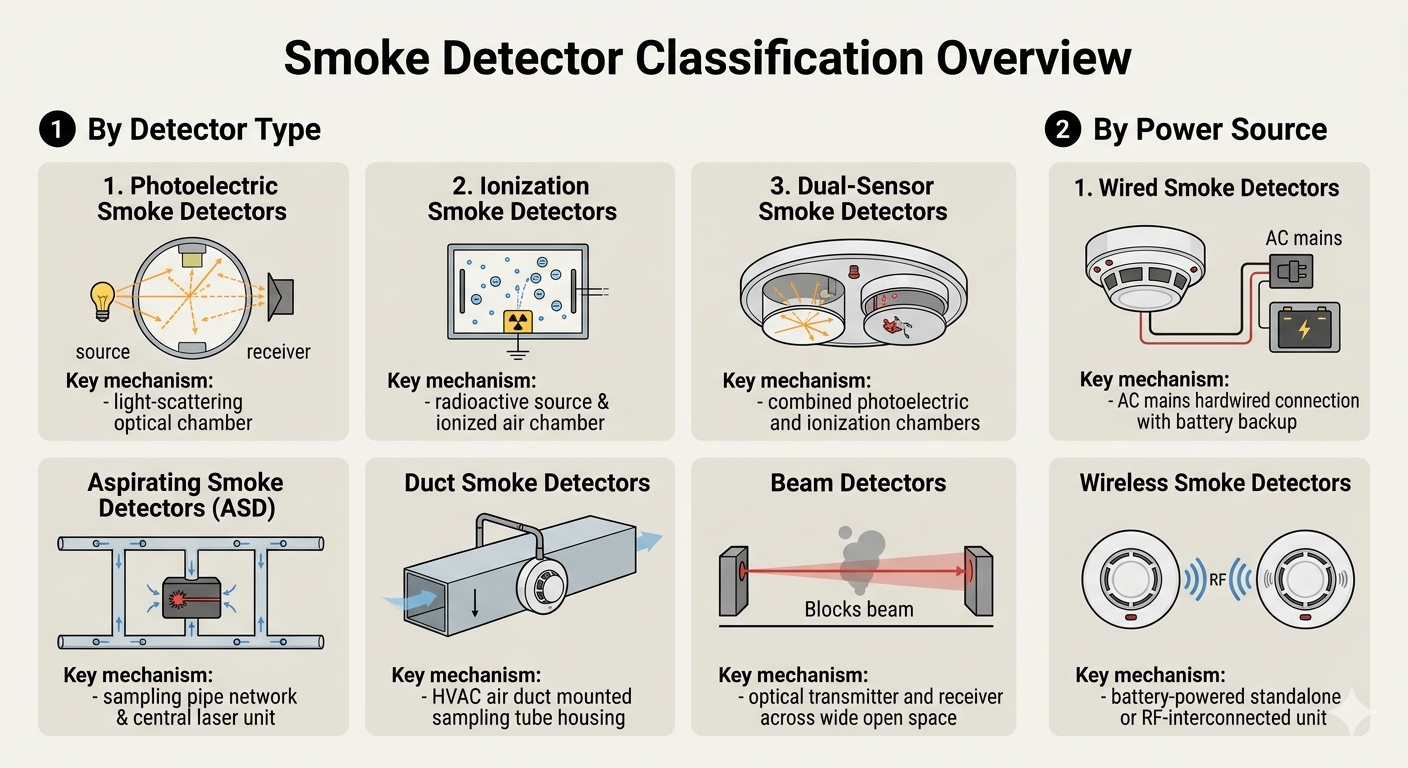
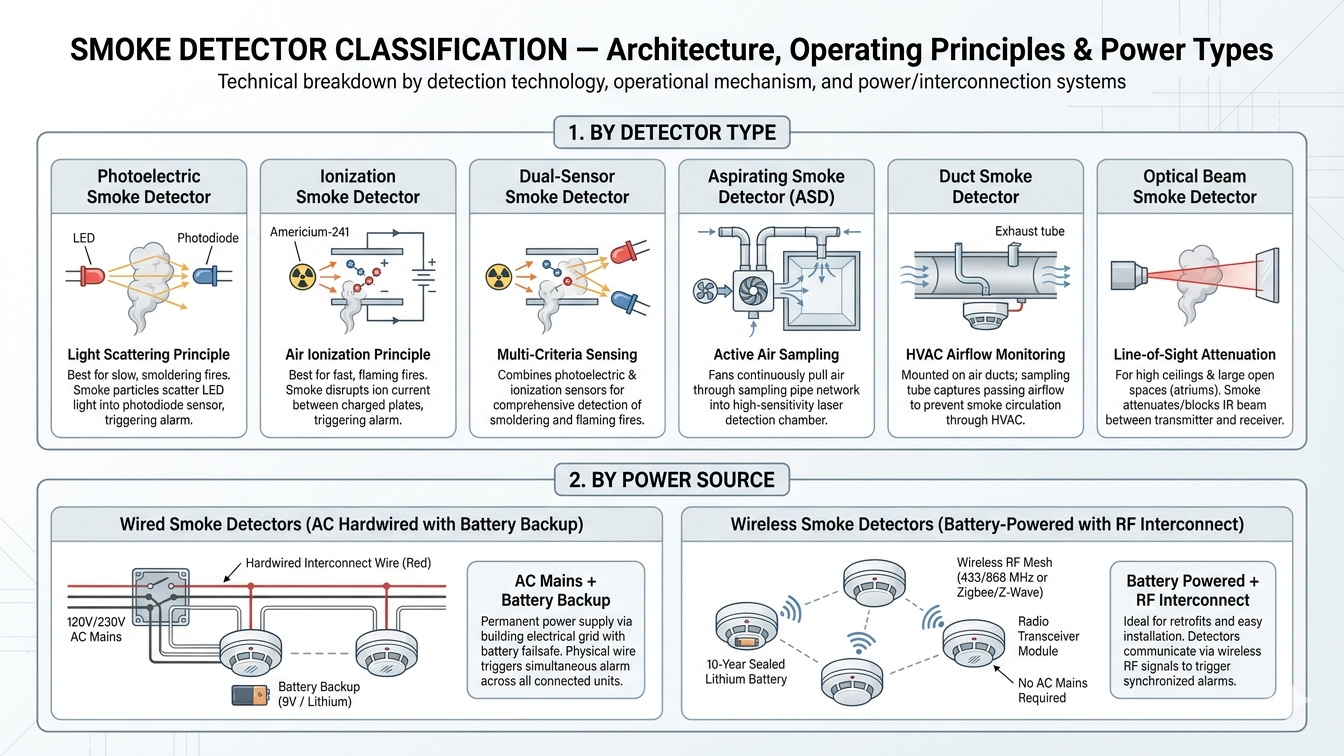
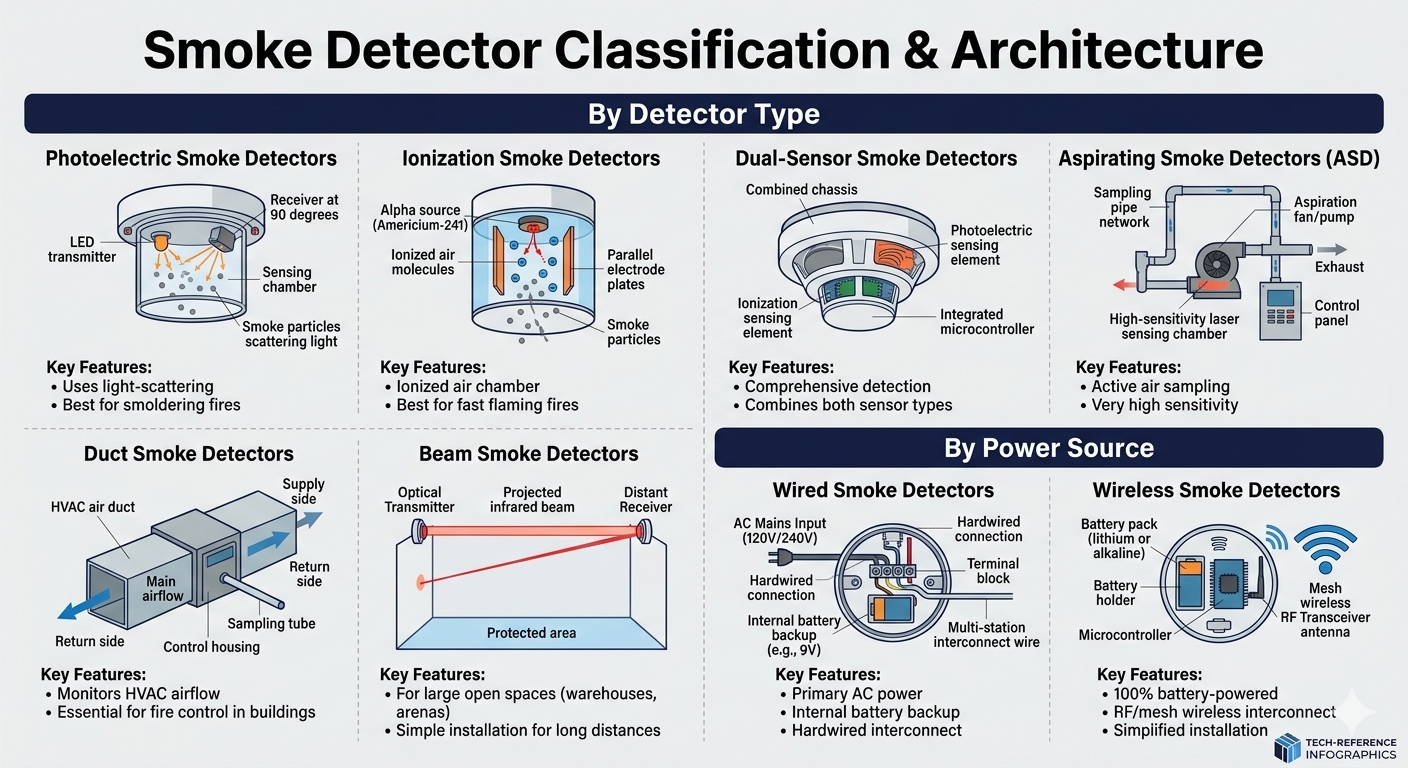
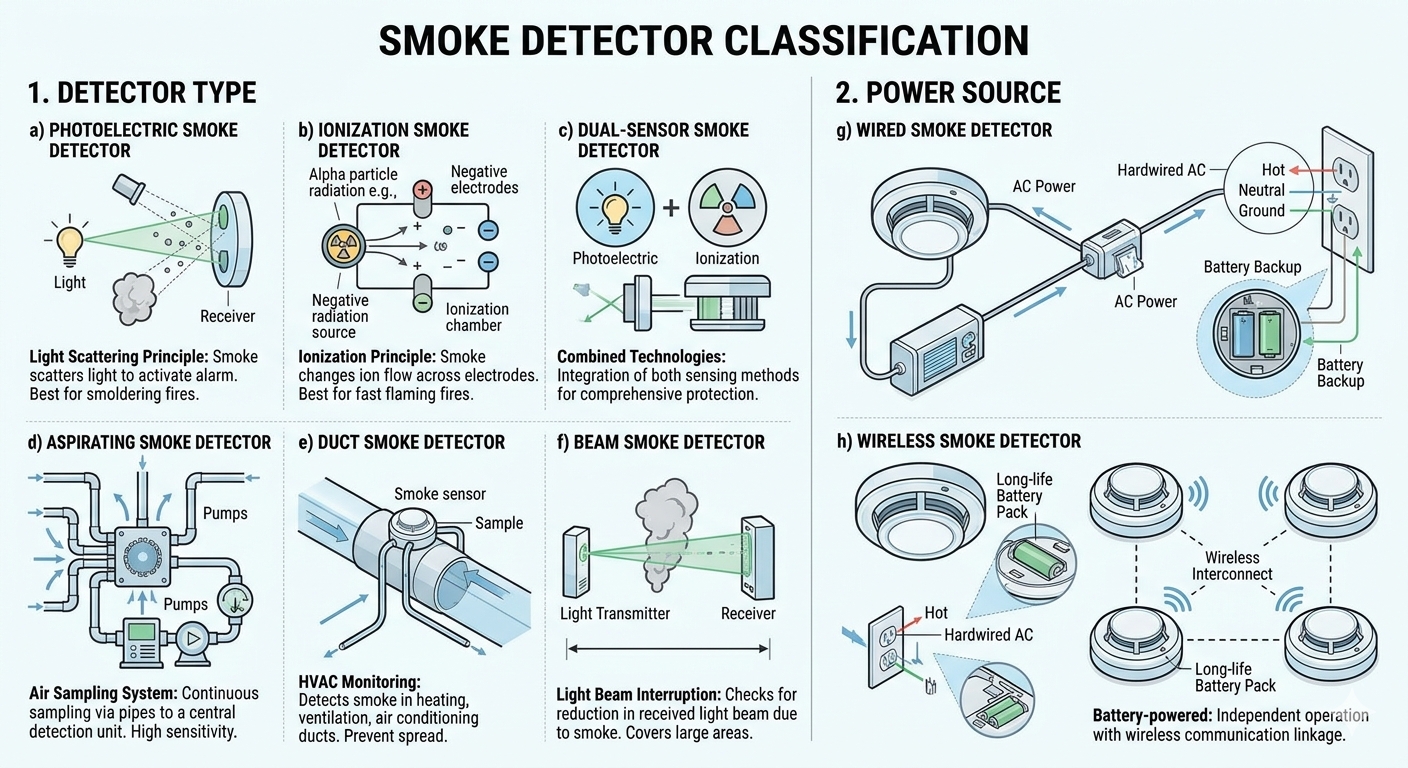
Multi-sensor detection technology is gaining importance in commercial buildings, hospitals, hotels, warehouses, and industrial facilities. By combining different sensing methods, these systems can provide more comprehensive monitoring than conventional single-sensor detectors. Photoelectric and dual-sensor technologies remain relevant, while aspirating smoke detection systems offer specialized solutions for sensitive environments such as data centers and cleanrooms.
Manufacturers can capture additional market opportunities by developing intelligent detectors that combine reliable detection performance with automated diagnostics and flexible configuration. These capabilities are particularly valuable in facilities where false alarms can interrupt business operations or affect critical services.
IoT Connectivity and Remote Fire Safety Monitoring
The Internet of Things is expanding the capabilities of intelligent fire protection systems by enabling communication between smoke detectors, mobile devices, cloud platforms, and building management systems. Connected detectors can transmit real-time alerts to property owners, facility managers, and monitoring centers. This functionality supports faster awareness of potential fire incidents and provides visibility into building safety conditions.
Wireless interconnected smoke detectors are becoming increasingly attractive for residential properties, apartments, hotels, and commercial buildings. When one detector identifies smoke, connected devices can activate alarms across designated areas. This coordinated approach can improve occupant awareness, particularly in large buildings with multiple floors and separate operational zones.
Cloud-based platforms also create opportunities for remote monitoring services. Facility managers can review alarm histories, monitor device status, and identify maintenance requirements across multiple properties. Manufacturers and service providers can develop additional revenue streams through connected monitoring solutions, software platforms, system upgrades, and maintenance services.
Inquiry Before Buying @ https://www.marketsandmarkets.com/Enquiry_Before_BuyingNew.asp?id=162940771
Integration with Automated Fire Suppression Systems
Integration between smoke detectors and automated fire suppression technologies represents another important growth opportunity. Intelligent fire protection systems can connect detection devices with sprinklers, fire suppression equipment, ventilation controls, and emergency communication infrastructure. Depending on system design and applicable safety requirements, detection signals can initiate predefined responses to help control fire-related risks.
Commercial facilities such as shopping malls, airports, hospitals, educational institutions, and office complexes require coordinated fire protection because of their occupancy levels and building complexity. Integrated systems can support emergency alerts, evacuation procedures, smoke management, and communication with facility control centers.
Industrial environments also provide opportunities for advanced integration. Manufacturing plants, power facilities, chemical processing units, and warehouses may require specialized fire detection and suppression arrangements. Smoke detectors designed for demanding operating conditions can be integrated with industrial monitoring platforms to support continuous safety management.
Smart Buildings and Infrastructure Development
Smart building development is creating additional demand for connected smoke detection equipment. Modern properties increasingly incorporate building automation systems that coordinate lighting, security, ventilation, energy management, and fire protection. Smoke detectors connected to these platforms can provide information to centralized control systems and support coordinated emergency procedures.
Residential customers are also showing interest in smart smoke alarms that offer smartphone notifications, wireless interconnection, and integration with home automation platforms. These features provide convenience while strengthening awareness of potential fire incidents.
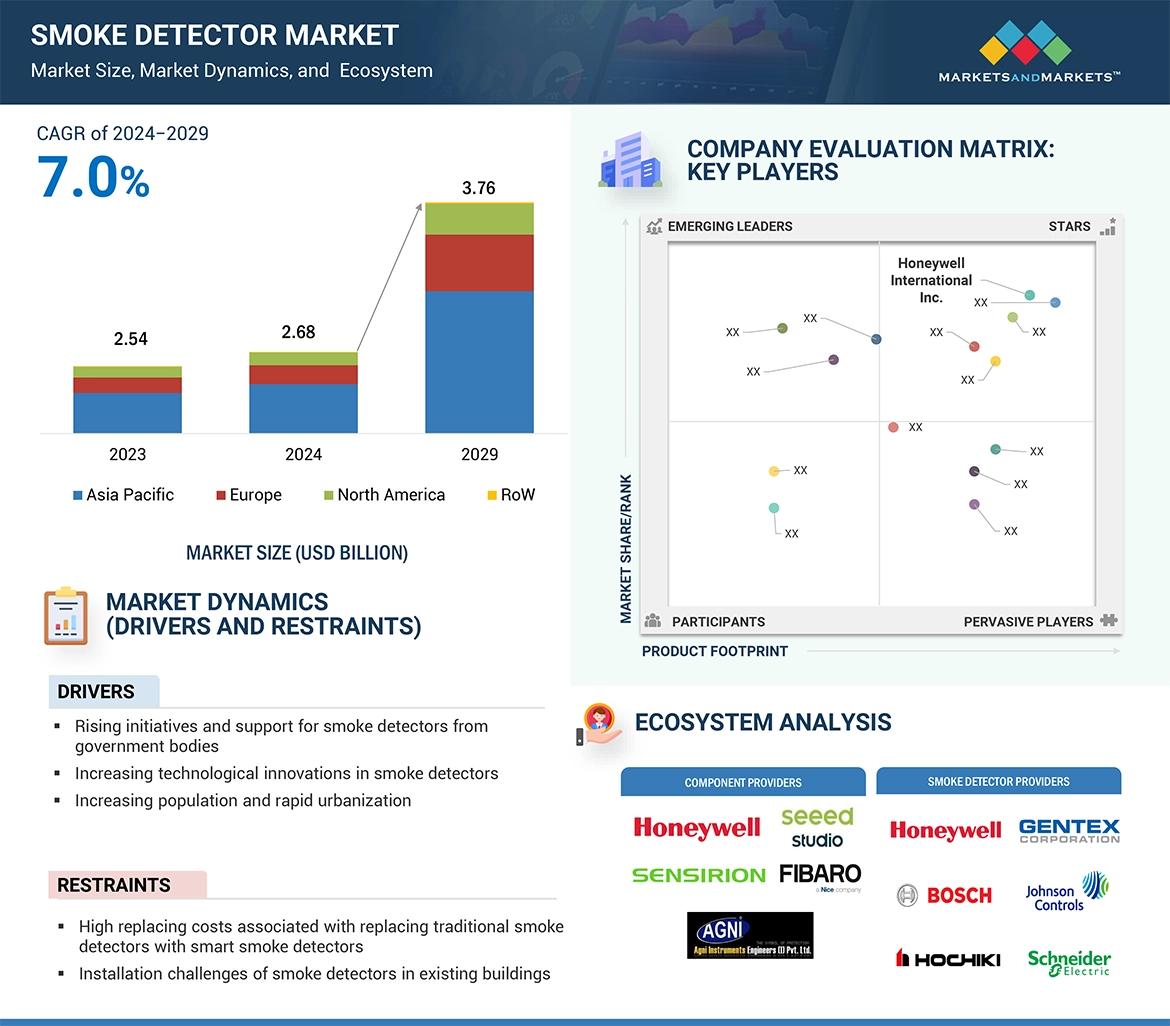
Asia Pacific presents considerable opportunities because of expanding urban populations, residential construction, commercial infrastructure investment, and smart city development. North America and Europe also offer growth potential through building modernization, fire safety compliance, and adoption of advanced building technologies. Replacement of outdated detectors across existing infrastructure will remain another important source of demand.
View detailed Table of Content here – https://www.marketsandmarkets.com/Market-Reports/smoke-detector-market-162940771.html
Competitive Landscape and Strategic Developments
Companies participating in the fire detection and intelligent building technology ecosystem include Honeywell, Siemens, Johnson Controls, Bosch, Carrier, and Hochiki. These companies offer products and technologies across fire alarms, detection systems, building automation, and integrated safety solutions. Competition increasingly focuses on product reliability, connectivity, system compatibility, certification, and maintenance capabilities.
Manufacturers are strengthening their market positions through research and development, product innovation, partnerships with system integrators, and expanded service offerings. Developing interoperable solutions that work with existing fire alarm infrastructure can help suppliers reach customers seeking gradual technology upgrades rather than complete system replacements.
Future Opportunities in Intelligent Fire Protection
The future of the Smoke Detector Industry will be influenced by increasing adoption of artificial intelligence, IoT connectivity, multi-sensor detection, and automated monitoring. Intelligent fire protection systems are expected to become more integrated with building management and emergency response platforms, creating demand for advanced detectors and associated services.
However, affordability, cybersecurity, installation complexity, communication reliability, and compliance with regional safety standards will remain important considerations. Companies that combine accurate detection, dependable connectivity, simplified maintenance, and effective system integration will be better positioned to capture emerging opportunities. As buildings and industrial facilities become more intelligent, smoke detectors will continue to serve as a fundamental component of modern fire protection infrastructure.