
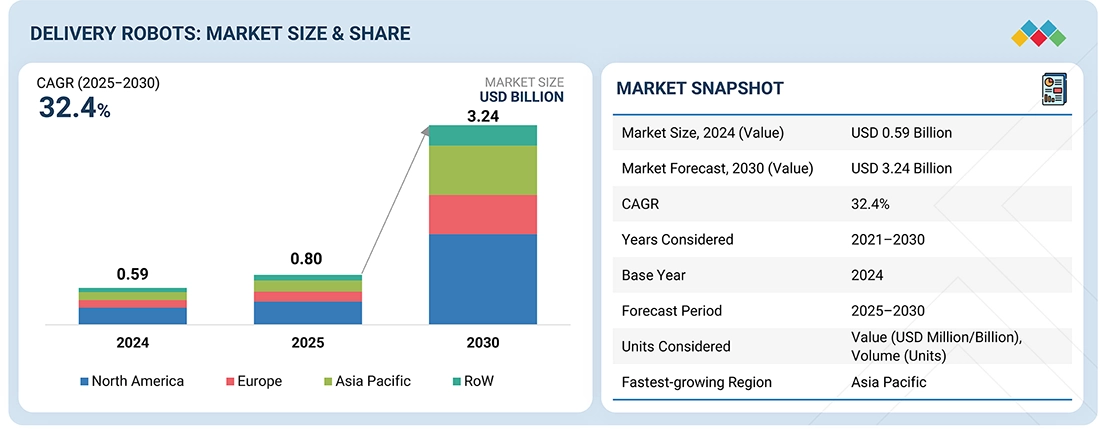
Growing Pharmaceutical Distribution Requirements Drive Robotic Adoption
The pharmaceutical industry’s increasing focus on efficient and reliable logistics is creating new opportunities for secure delivery robots. Pharmaceutical manufacturers, distributors, hospitals, pharmacies, and healthcare providers manage complex supply chains that require the timely transportation of medicines, vaccines, medical supplies, and other sensitive products. Maintaining product integrity, ensuring secure handling, and meeting delivery schedules are essential throughout pharmaceutical distribution operations.
Traditional logistics processes often involve manual handling and multiple transportation stages, increasing operational complexity and the need for careful coordination. Secure delivery robots are emerging as an innovative solution for automating selected material transportation activities within pharmaceutical facilities, hospitals, warehouses, and controlled distribution environments. Equipped with artificial intelligence, autonomous navigation, access control systems, and secure compartments, these robots can transport pharmaceutical products while supporting greater operational visibility.
The growing adoption of healthcare automation, digital supply chain management, and intelligent warehouse technologies is encouraging pharmaceutical organizations to explore robotic delivery solutions. These systems can improve internal transportation efficiency and support more organized pharmaceutical logistics operations.
Download PDF Brochure @ https://www.marketsandmarkets.com/pdfdownloadNew.asp?id=263997316
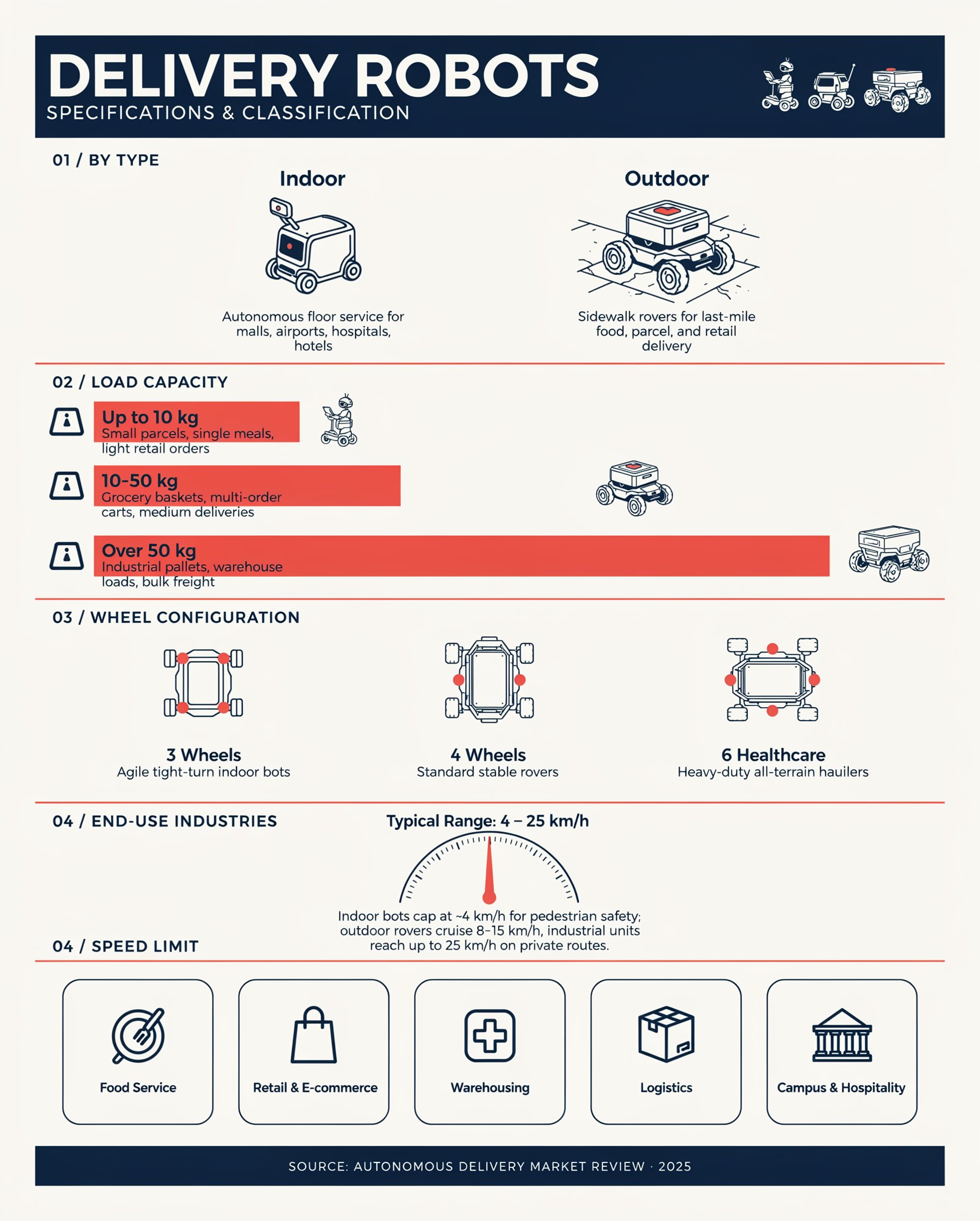
Secure Medication Transportation Strengthens Market Opportunities
Medication security is a critical requirement across pharmaceutical supply chains. Hospitals and pharmacies must ensure that medicines are transported to authorized locations while maintaining appropriate access controls and handling procedures. Manual transportation can create additional coordination requirements, particularly in large hospitals and pharmaceutical distribution facilities that manage frequent product movement.
Secure delivery robots can support the transportation of authorized medication orders through lockable compartments and digital authentication technologies. These features help restrict access to designated personnel and provide greater control over the delivery process. Robotic platforms can also communicate with pharmacy management systems to receive transportation instructions and provide updates about delivery progress.
Hospitals can use these systems to move selected medications from central pharmacies to nursing stations and clinical departments. Pharmaceutical warehouses may also deploy autonomous platforms to transport packaged products between storage areas, picking stations, and dispatch zones. These applications can reduce repetitive manual transportation and improve the coordination of internal logistics.
Temperature-Controlled Transportation Supports Sensitive Pharmaceutical Products
Many pharmaceutical products require specific environmental conditions during storage and transportation. Vaccines, biologics, certain injectable medicines, and other temperature-sensitive products may require controlled temperature ranges to maintain product quality. This creates demand for delivery technologies that can support reliable handling and monitoring.
Advanced robotic delivery systems can be equipped with insulated compartments, temperature sensors, and monitoring technologies to support the transportation of suitable pharmaceutical products. Connected systems can track environmental conditions and provide alerts when operating parameters move outside established limits. This information can help logistics personnel monitor transportation conditions and respond to potential handling issues.
However, robotic platforms must be designed and validated according to the specific requirements of the pharmaceutical products they transport. Temperature control, calibration, cleaning, and operational monitoring remain essential considerations. These requirements are encouraging technology providers to develop specialized robotic solutions for pharmaceutical and healthcare logistics.
Inquiry Before Buying @ https://www.marketsandmarkets.com/Enquiry_Before_BuyingNew.asp?id=263997316
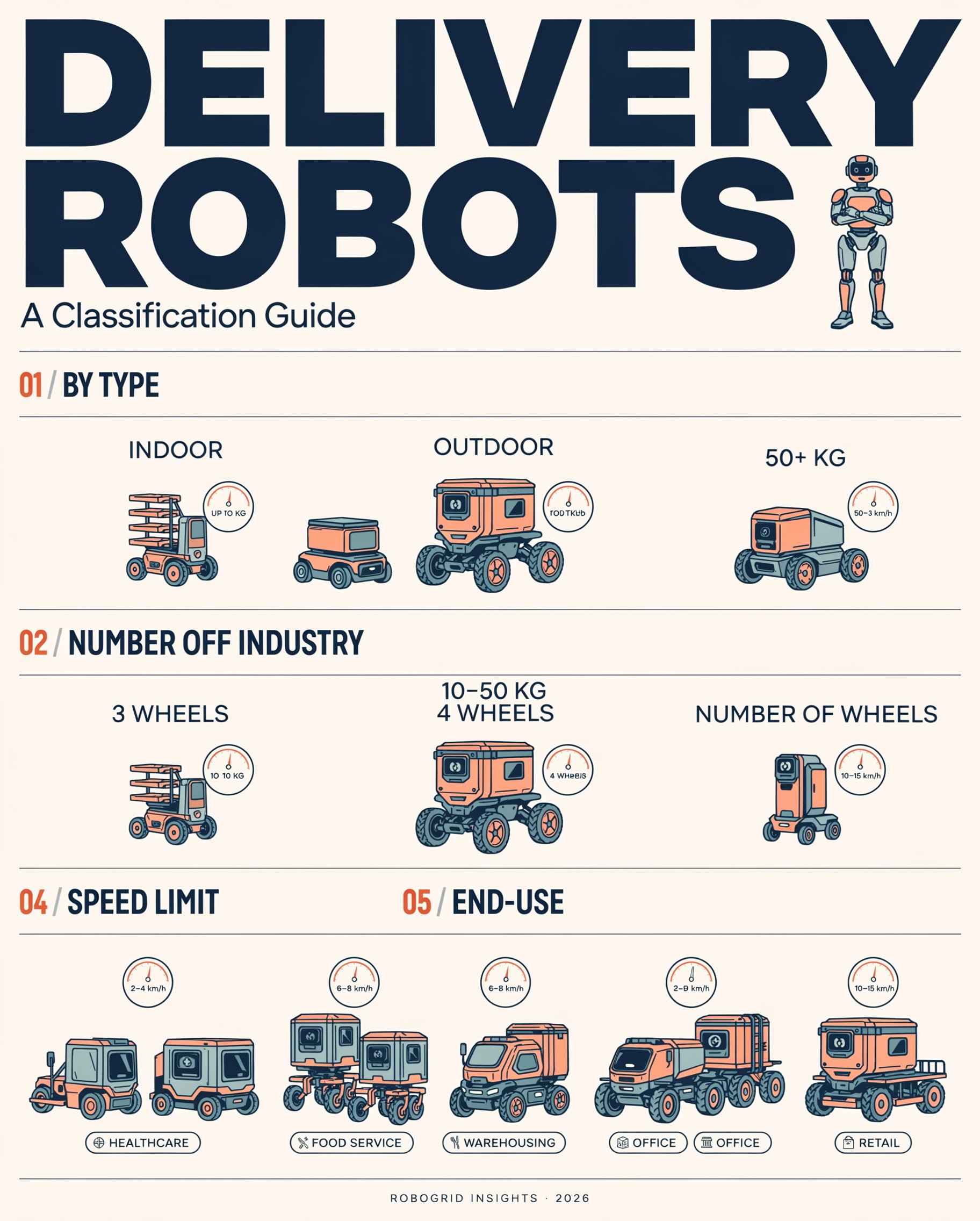
Artificial Intelligence and Autonomous Navigation Improve Reliability
Artificial intelligence is improving the capabilities of delivery robots used in pharmaceutical environments. Modern robotic platforms combine cameras, LiDAR, ultrasonic sensors, mapping systems, and navigation software to identify their surroundings and move through designated pathways. These technologies help robots transport products across pharmaceutical warehouses, laboratories, hospitals, and distribution facilities.
AI-powered navigation systems can identify obstacles, adjust routes, and support efficient movement in dynamic operating environments. Machine learning algorithms can analyze operational information to improve route planning and delivery coordination. These capabilities are particularly valuable in facilities where transportation activities occur continuously across multiple departments.
Internet of Things connectivity further strengthens operational visibility. Logistics managers can monitor robot locations, battery conditions, delivery assignments, and compartment status through centralized fleet management platforms. Integration with warehouse management systems and pharmaceutical inventory software can also improve coordination between product availability, order processing, and internal transportation.
Pharmaceutical Warehouses Accelerate Automation Investments
Pharmaceutical warehouses manage large volumes of packaged products and require accurate inventory movement between receiving, storage, picking, and dispatch areas. Autonomous delivery robots can support these activities by transporting containers, packages, and selected materials between designated operational zones.
When integrated with warehouse management systems, robots can receive instructions and coordinate transportation according to inventory and order requirements. This can reduce unnecessary employee movement and support more organized warehouse workflows. Automated transportation can also complement robotic picking systems, conveyors, and automated storage and retrieval technologies.
As pharmaceutical companies expand distribution networks and adopt advanced warehouse infrastructure, demand for flexible robotic platforms is expected to increase. These solutions can support facilities seeking to improve productivity while maintaining controlled material handling procedures.
View detailed Table of Content here – https://www.marketsandmarkets.com/Market-Reports/delivery-robot-market-263997316.html
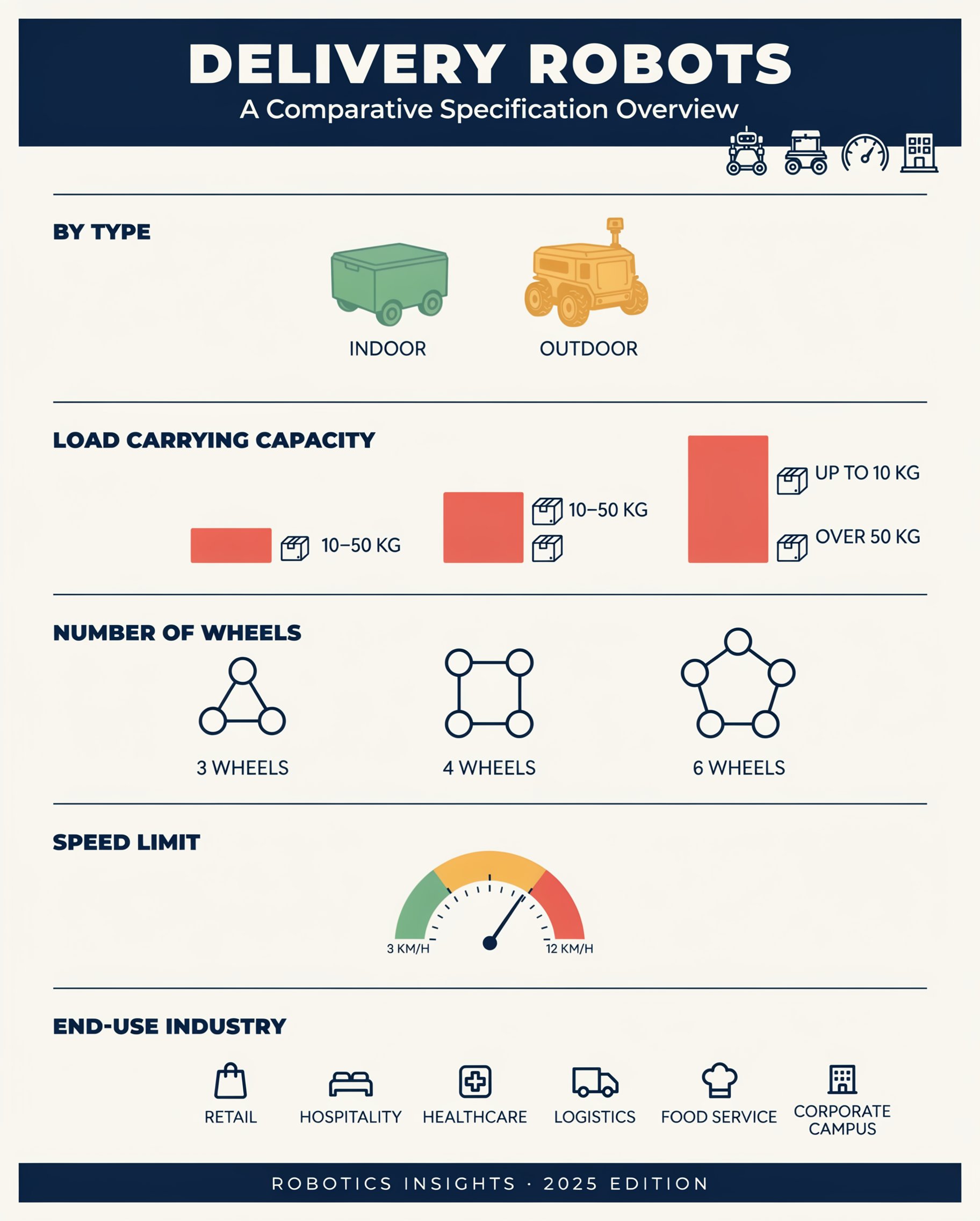
Operational Challenges and Security Requirements
Despite their potential, pharmaceutical delivery robots face challenges related to cybersecurity, product security, navigation accuracy, system integration, and regulatory compliance. Organizations must ensure that robots operate safely around employees and that access to transported products remains restricted to authorized personnel.
Pharmaceutical companies must also establish procedures for equipment cleaning, maintenance, environmental monitoring, and data protection. Integration with existing enterprise resource planning, inventory, and quality management systems may require technical modifications and employee training. The initial cost of robotic equipment and supporting infrastructure can also influence deployment decisions.
Future Outlook for Secure Pharmaceutical Delivery Robots
The increasing adoption of pharmaceutical automation and connected logistics technologies is expected to create new opportunities for secure and reliable delivery robots. Advancements in artificial intelligence, autonomous navigation, temperature monitoring, battery performance, and access control will improve their capabilities across pharmaceutical facilities.
As pharmaceutical manufacturers, hospitals, and distributors prioritize product security, operational efficiency, and supply chain visibility, robotic delivery systems are likely to become increasingly important in internal logistics. Their ability to support controlled medication transportation, warehouse automation, and connected material distribution will contribute to the modernization of pharmaceutical supply chains.