
The growing demand for temperature sensitive products has increased the importance of reliable cold chain operations across industries. Food products, pharmaceuticals, vaccines, chemicals, and biological materials require controlled environmental conditions during storage and transportation. Even minor temperature variations can affect product quality, safety, and effectiveness. Traditional monitoring methods often depend on manual inspections and periodic temperature recording, which may not identify problems immediately. This creates a need for advanced monitoring technologies that provide continuous visibility into storage and transportation conditions.
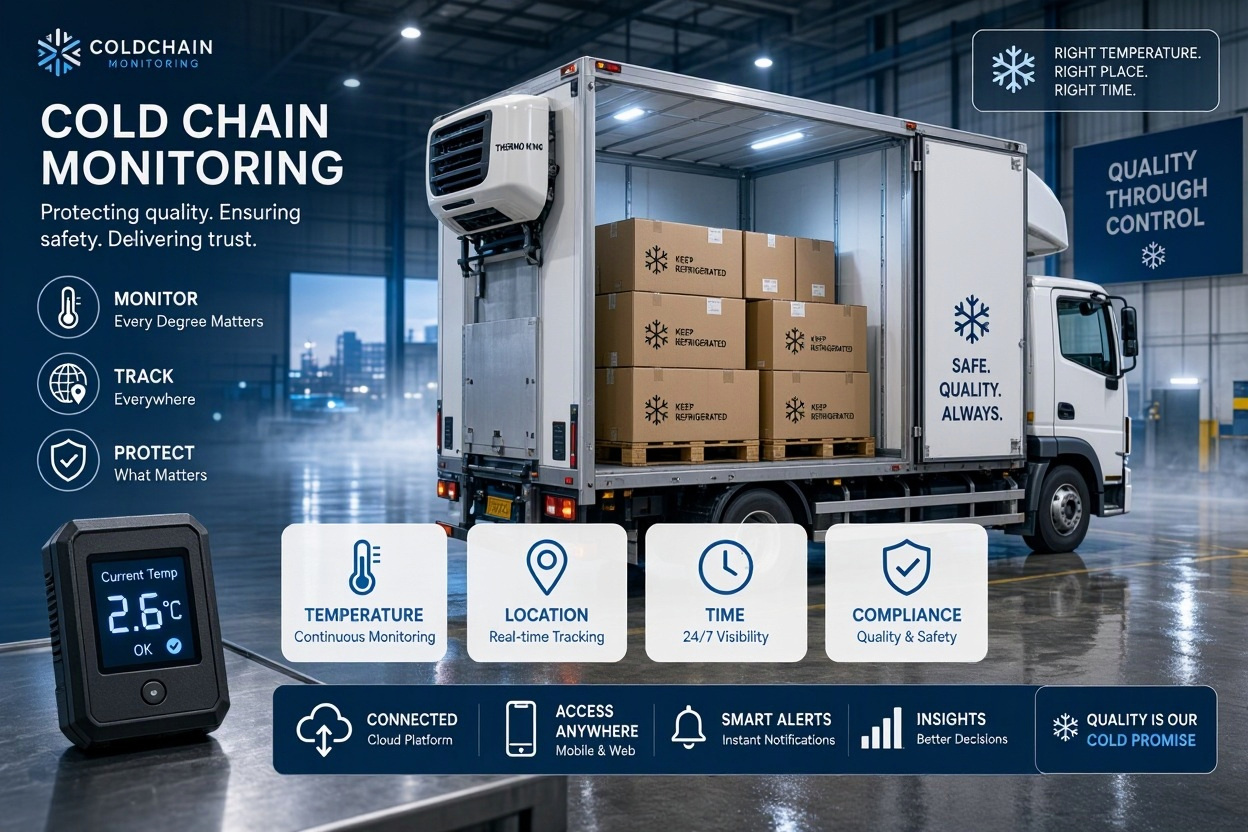
Smart sensors in cold chain management are transforming how businesses monitor, track, and protect temperature sensitive products throughout the supply chain. These sensors collect environmental information and transmit it to connected monitoring platforms for analysis. They help businesses identify temperature fluctuations, humidity variations, equipment failures, and other environmental changes. By providing real time information, smart sensors support faster decision making and improve operational visibility. Their integration with digital technologies is making cold chain operations more reliable, responsive, and efficient.
According to Marketsandmarkets, the global cold chain monitoring market size is projected to grow from USD 9.50 billion in 2026 to USD 19.54 billion by 2032, growing at a CAGR of 12.8% from 2026 to 2032.
Download PDF Brochure @ https://www.marketsandmarkets.com/pdfdownloadNew.asp?id=161738480
What Are Smart Sensors in Cold Chain Management?
Smart sensors are advanced electronic devices designed to detect, measure, and communicate changes in environmental conditions. They can monitor parameters such as temperature, humidity, light exposure, pressure, and movement. Unlike conventional monitoring devices, smart sensors can process collected information and transmit readings to connected systems. This allows businesses to monitor environmental conditions without depending entirely on manual inspections. They are commonly integrated with wireless communication technologies, cloud platforms, and Internet of Things systems.
Smart sensors in cold chain management help maintain suitable environmental conditions throughout product storage, handling, and transportation. These devices continuously collect information from refrigerated warehouses, cold storage facilities, transportation vehicles, and packaging systems. When conditions move beyond predefined limits, monitoring platforms can generate alerts for responsible personnel. This enables businesses to investigate problems before they cause significant product damage. The technology also creates digital records that support quality management, regulatory compliance, and operational analysis.
How Smart Sensors Work in Cold Chain Operations
Smart sensors work by continuously measuring environmental conditions and converting physical changes into digital information. For example, a temperature sensor detects changes in surrounding temperatures and generates corresponding electronic signals. A connected communication module transfers these readings to a monitoring platform through wireless or wired networks. The platform processes the information and displays it through dashboards, reports, and mobile applications. This allows supply chain managers to monitor multiple storage and transportation locations from a centralized interface.
Smart sensors in cold chain management generally operate through a combination of sensing devices, communication networks, data processing platforms, and alert mechanisms. Sensors are installed inside storage rooms, refrigerated containers, delivery vehicles, and temperature controlled packaging. Their readings are transmitted at predefined intervals or continuously, depending on the system configuration. Monitoring software compares collected information against established operating limits. If abnormal conditions are detected, the system sends notifications to authorized users so that corrective action can be taken quickly.Types of Smart Sensors Used in Cold Chain Management
Different types of sensors are used to monitor environmental and operational conditions across cold chain networks. Each sensor performs a specific function and contributes to maintaining product quality. The selection depends on the type of goods being transported, storage requirements, environmental risks, and monitoring objectives. Businesses often combine multiple sensor technologies to achieve better visibility and control. This integrated approach helps identify potential problems that may not be detected through temperature monitoring alone.
The major sensor technologies used in cold chain operations include:
Temperature Sensors: Measure temperature variations inside refrigerated storage facilities, containers, and transportation vehicles.
Humidity Sensors: Monitor moisture levels to prevent condensation, packaging damage, and quality deterioration.
GPS Sensors: Provide location information and support shipment tracking during transportation.
Light Sensors: Detect unwanted light exposure that may affect sensitive products.
Pressure Sensors: Monitor pressure conditions in specialized storage and transportation environments.
Motion Sensors: Identify unexpected movement, handling disturbances, and potential transportation risks.
Smart sensors in cold chain management become more effective when multiple sensor types work together. For instance, temperature and humidity sensors can monitor environmental conditions simultaneously, while GPS devices provide shipment location information. Motion sensors can identify unusual handling activities that may damage sensitive products. Combining these technologies creates a more comprehensive monitoring environment. Businesses can use the collected information to improve shipment visibility, identify operational weaknesses, and maintain better control over product handling.
Role of Temperature Sensors in Maintaining Product Quality
Temperature monitoring is one of the most important functions in cold chain management. Different products require specific temperature conditions to preserve their quality, safety, and effectiveness. Fresh food products can deteriorate when exposed to unsuitable temperatures, while pharmaceutical products may lose their intended properties. Traditional temperature monitoring methods may not provide sufficient visibility between scheduled inspections. Smart temperature sensors address this challenge by continuously recording environmental conditions and identifying deviations from established temperature limits.
Smart sensors in cold chain management help businesses monitor temperature conditions across warehouses, refrigerated trucks, distribution centers, and storage containers. These sensors can generate automatic alerts when temperatures exceed or fall below predefined thresholds. This allows employees to inspect refrigeration equipment, adjust cooling systems, or transfer products to suitable storage locations. Continuous monitoring also helps identify recurring temperature problems. By analyzing historical readings, businesses can understand where temperature variations occur and implement corrective measures to reduce product losses.
Integration of Smart Sensors With Internet of Things Technology
The Internet of Things has become an important technology in modern supply chain operations. It connects physical devices, sensors, communication networks, and software platforms to enable automated information exchange. In cold chain operations, IoT connectivity allows sensors installed across different locations to transmit environmental readings to centralized monitoring systems. This creates better visibility into product conditions during storage and transportation. Businesses can access information remotely instead of depending exclusively on physical inspections.
Smart sensors in cold chain management become more powerful when integrated with IoT platforms. Connected sensors can communicate with cloud based systems that collect and organize environmental information from multiple locations. Managers can review temperature histories, shipment locations, humidity readings, and operational alerts through digital dashboards. IoT integration also supports automated notifications and remote monitoring. This helps businesses coordinate activities across different supply chain stages and respond more efficiently to unexpected environmental changes.
Benefits of Smart Sensors in Cold Chain Management
The adoption of advanced sensor technologies offers several operational and quality related benefits. Businesses handling perishable and temperature sensitive products need accurate information to maintain suitable storage conditions. Smart monitoring systems reduce dependence on manual temperature recording and provide continuous visibility into environmental changes. They also support faster communication between transportation teams, warehouse personnel, and supply chain managers. These capabilities help organizations strengthen operational control while reducing risks associated with improper storage and transportation.
Smart sensors in cold chain management provide several important benefits, including:
Improved Product Quality: Continuous environmental monitoring helps maintain appropriate storage and transportation conditions.
Reduced Product Waste: Early detection of temperature deviations helps prevent avoidable spoilage and product damage.
Real Time Visibility: Connected systems provide updated information about shipment conditions and locations.
Better Operational Efficiency: Automated data collection reduces manual monitoring activities and administrative workloads.
Enhanced Decision Making: Historical sensor information helps businesses identify operational problems and improve processes.
Improved Compliance: Digital monitoring records support documentation, traceability, and quality assurance activities.
Another important advantage is the ability to identify problems before they become major operational disruptions. Businesses can use sensor generated information to understand refrigeration performance, transportation conditions, and storage efficiency. Automated alerts help employees prioritize corrective actions and coordinate responses across different locations. Digital records also improve accountability because managers can review environmental conditions throughout the shipment journey. These capabilities make smart sensors in cold chain management an important part of modern quality control strategies.
Applications of Smart Sensors Across Different Industries
Cold chain requirements differ across industries because products have different environmental sensitivities and storage conditions. Food products require appropriate temperature and humidity management to preserve freshness and prevent spoilage. Pharmaceutical products require controlled storage environments to maintain their quality and effectiveness. Similarly, biotechnology materials and specialized chemicals may require strict environmental monitoring during handling and transportation. Smart sensor technologies support these requirements by providing accurate and continuous environmental information.
Smart sensors in cold chain management are increasingly used across several important industrial applications.
Food and Beverage Industry
The food and beverage industry depends on reliable temperature management to preserve product freshness and safety. Dairy products, frozen foods, seafood, meat, fruits, and vegetables can deteriorate when exposed to unsuitable environmental conditions. Smart sensors help monitor temperatures inside refrigerated warehouses, processing facilities, distribution centers, and delivery vehicles. Humidity monitoring also supports the preservation of products that require specific moisture conditions. By identifying environmental deviations, businesses can take corrective action and reduce the possibility of spoilage during distribution.
Pharmaceutical and Healthcare Industry
Pharmaceutical products require controlled environmental conditions throughout manufacturing, storage, and distribution. Vaccines, biological medicines, diagnostic materials, and temperature sensitive drugs can be affected by improper handling. Smart sensors provide continuous monitoring and help maintain suitable storage conditions during transportation. They also generate digital records that support product traceability and quality assurance. Healthcare distributors can use monitoring information to identify environmental deviations and investigate potential risks before products reach medical facilities.
Biotechnology Industry
Biotechnology applications involve sensitive biological materials, laboratory samples, and specialized products that may require carefully controlled storage conditions. Temperature fluctuations can affect sample integrity and experimental reliability. Smart sensors help monitor environmental conditions in laboratories, storage facilities, and transportation containers. They provide continuous information that supports controlled handling procedures. Integration with digital monitoring platforms also helps researchers and logistics teams review historical environmental information and maintain consistent storage practices.
Chemical Industry
Certain chemicals require controlled temperatures and specific storage environments to maintain their stability and prevent unwanted reactions. Smart sensors help monitor temperature, pressure, and humidity conditions in specialized storage facilities and transportation systems. These devices can identify abnormal environmental changes and notify operators about potential risks. Continuous monitoring also helps businesses maintain better operational records. This supports safer handling practices and improves visibility across chemical distribution activities.
Role of Wireless Sensors in Cold Chain Monitoring
Wireless sensor technologies are improving the flexibility and scalability of environmental monitoring systems. Traditional monitoring devices may require physical connections and manual data collection, making installation and monitoring more complicated across large facilities. Wireless sensors communicate through technologies such as Bluetooth, Wi Fi, cellular networks, and other low power communication protocols. This allows businesses to install monitoring devices across different locations without extensive wiring requirements. Wireless connectivity also supports remote access to environmental information.
Smart sensors in cold chain management use wireless communication to transfer temperature and humidity readings to centralized monitoring platforms. These devices can be installed inside refrigerated containers, warehouses, transportation vehicles, and packaging systems. Depending on their communication capabilities, sensors can transmit information at regular intervals or when specific conditions change. Wireless monitoring improves flexibility because businesses can monitor products across different supply chain locations. It also supports the integration of additional sensors as operational requirements change.
Importance of Real Time Data and Remote Monitoring
Real time information is essential for managing temperature sensitive products across complex distribution networks. Delayed information can make it difficult for businesses to identify environmental problems before products are affected. Periodic manual inspections may also fail to capture short term temperature fluctuations. Remote monitoring addresses these limitations by providing continuous access to environmental readings through connected platforms. Managers can review conditions without physically visiting storage facilities or transportation locations.
Smart sensors in cold chain management support real time monitoring by transmitting environmental information to centralized dashboards and connected applications. When unusual readings are detected, automated notifications can alert responsible employees. This allows teams to investigate refrigeration problems, inspect transportation equipment, and take preventive action. Remote monitoring is particularly useful for businesses operating across multiple warehouses and distribution centers. It improves coordination and enables managers to maintain better oversight of cold chain activities.
Artificial Intelligence and Data Analytics in Smart Sensor Systems
Artificial intelligence and data analytics are expanding the capabilities of connected monitoring systems. Modern sensor networks generate large volumes of environmental information from warehouses, transportation vehicles, and distribution facilities. Analyzing this information manually can be time consuming, especially when businesses operate across multiple locations. Data analytics platforms help organize sensor readings and identify patterns that may indicate operational problems. Artificial intelligence can further support analysis by identifying unusual behavior and assisting with risk assessment.
Smart sensors in cold chain management can generate valuable information for AI powered monitoring platforms. These systems can analyze historical temperature variations, equipment performance, humidity levels, and transportation conditions. Predictive analytics can help identify patterns associated with refrigeration failures or recurring environmental deviations. Businesses can use these insights to improve maintenance planning and operational decisions. However, the effectiveness of AI based analysis depends on data accuracy, sensor reliability, connectivity, and appropriate system configuration.
Challenges in Implementing Smart Sensors in Cold Chain Management
Although smart sensor technologies offer several benefits, their implementation can involve technical and operational challenges. Businesses must consider installation requirements, connectivity limitations, device reliability, data security, and maintenance costs. Large cold chain networks may require hundreds or thousands of sensors across different facilities and transportation routes. Managing these devices requires suitable infrastructure and technical expertise. Organizations must also ensure that sensors provide accurate readings under different operating conditions.
Some major implementation challenges include:
Initial Investment: Purchasing sensors, communication equipment, and monitoring software may require significant investment.
Connectivity Limitations: Remote transportation routes and storage locations may have unreliable network coverage.
Data Security: Connected devices require appropriate protection against unauthorized access and cyber threats.
Sensor Calibration: Monitoring devices need regular calibration to maintain measurement accuracy.
System Integration: Connecting sensors with existing warehouse and transportation management platforms can be complicated.
Technical Expertise: Businesses need trained personnel to install, maintain, and manage monitoring systems.
Smart sensors in cold chain management also require appropriate maintenance and performance evaluation. Sensor batteries may need replacement, communication modules may experience failures, and devices can become inaccurate without proper calibration. Businesses should establish maintenance schedules and monitoring procedures to ensure reliable performance. They should also select devices according to product requirements and operating environments. Addressing these challenges through proper planning can improve implementation outcomes and support long term operational reliability.
Future Technological Developments in Smart Sensor Systems
The development of connected technologies is creating new opportunities for cold chain monitoring. Sensor devices are becoming more compact, energy efficient, and capable of collecting multiple types of environmental information. Improvements in wireless communication are supporting better connectivity across warehouses, transportation networks, and distribution facilities. Cloud based monitoring platforms are also making it easier to access and analyze information from different locations. These developments are encouraging businesses to adopt more connected and automated cold chain operations.
Smart sensors in cold chain management are also benefiting from improvements in artificial intelligence, edge computing, and advanced data analytics. Edge computing allows certain information processing activities to take place closer to the sensor instead of transferring every reading to a centralized platform. This can support faster responses to critical environmental changes. Improved battery technologies can extend device operating periods, while advanced sensor designs can provide more detailed environmental information. Together, these developments are strengthening the role of smart monitoring technologies in modern supply chains.
How Businesses Can Select the Right Smart Sensor Technology
Selecting suitable sensor technology requires an understanding of product characteristics, storage conditions, and operational requirements. Different products have different temperature ranges, humidity requirements, and monitoring needs. Businesses should evaluate the environmental conditions that could affect product quality during storage and transportation. They should also consider communication coverage, battery life, sensor accuracy, and compatibility with existing digital systems. A suitable monitoring solution should provide reliable information without creating unnecessary operational complexity.
Before implementing smart sensors in cold chain management, businesses should evaluate several important factors. Temperature accuracy and measurement range should match the requirements of the products being handled. Wireless communication capabilities should support the locations where sensors will operate. The monitoring platform should provide easy access to historical readings, automated alerts, and downloadable reports. Organizations should also consider device calibration, maintenance requirements, data protection, and scalability. Careful technology selection helps create a monitoring system that supports long term cold chain performance.
Importance of Smart Sensors for Supply Chain Transparency
Supply chain transparency has become increasingly important because businesses need to understand how products are handled at every stage of distribution. Customers, distributors, regulators, and quality management teams require reliable information about product storage and transportation conditions. Conventional monitoring approaches may provide limited visibility once goods leave a warehouse. Connected sensor technologies help address this problem by generating digital records throughout the product journey. This information supports better communication and accountability between supply chain participants.
Smart sensors in cold chain management improve transparency by providing environmental information from multiple stages of product distribution. Businesses can review temperature histories, shipment locations, and environmental alerts through connected monitoring systems. These records help identify where deviations occurred and which operational activities may have contributed to them. Better visibility also supports supplier evaluation, quality investigations, and process improvement. As supply chains become more complex, digital monitoring is becoming an important requirement for maintaining product integrity and operational confidence.
Conclusion
The increasing need to protect temperature sensitive products is encouraging businesses to adopt advanced monitoring technologies. Smart sensors provide continuous information about temperature, humidity, location, and other environmental conditions across storage and transportation networks. Their integration with IoT platforms, wireless communication, cloud computing, and artificial intelligence is improving the visibility and reliability of cold chain operations. These technologies help organizations identify environmental deviations, reduce product losses, and strengthen quality management practices.
Smart sensors in cold chain management are becoming an important part of modern supply chain infrastructure. Their ability to provide accurate information and support timely corrective actions makes them valuable across food processing, pharmaceuticals, healthcare, biotechnology, and chemical industries. Although implementation challenges related to investment, connectivity, calibration, and data security remain, technological improvements are making sensor based monitoring more accessible. Businesses that adopt appropriate monitoring solutions can improve operational efficiency, strengthen product protection, and build more reliable cold chain networks.
Frequently Asked Questions (FAQs)
1. What are smart sensors in cold chain management?
Smart sensors in cold chain management are connected monitoring devices that measure environmental conditions such as temperature, humidity, pressure, and location. They collect and transmit information to digital platforms, helping businesses maintain suitable storage and transportation conditions for temperature sensitive products.
2. How do smart sensors improve cold chain monitoring?
Smart sensors improve cold chain monitoring by continuously collecting environmental information and identifying unusual conditions. They provide automated alerts when readings move beyond predefined limits. This allows businesses to take corrective action quickly and reduce the risk of product spoilage or damage.
3. Which types of sensors are used in cold chain management?
Common sensor types include temperature sensors, humidity sensors, GPS sensors, light sensors, pressure sensors, and motion sensors. Each device monitors specific environmental or operational parameters to support product safety and supply chain visibility.
4. What is the role of IoT in smart cold chain monitoring?
IoT connects sensors with communication networks and digital monitoring platforms. It enables automatic information exchange, remote monitoring, real time alerts, and centralized access to environmental readings across warehouses, transportation vehicles, and distribution facilities.
5. How do smart sensors help reduce food spoilage?
Smart sensors continuously monitor temperature and humidity conditions during food storage and transportation. They identify environmental deviations and notify responsible personnel. This helps businesses correct storage problems quickly and maintain appropriate conditions for perishable products.
6. Why are smart sensors important for pharmaceutical cold chains?
Pharmaceutical products such as vaccines, biological medicines, and temperature sensitive drugs require controlled environmental conditions. Smart sensors help maintain suitable temperatures, identify deviations, and generate digital records that support product quality and traceability.
7. Can smart sensors monitor cold chain transportation?
Yes. Smart sensors can be installed inside refrigerated trucks, shipping containers, and specialized packaging. They monitor environmental conditions and can transmit information about temperature, humidity, and shipment location to connected monitoring platforms.
8. What are the major challenges of using smart sensors in cold chain management?
Major challenges include installation costs, network connectivity, sensor calibration, battery maintenance, cybersecurity, and integration with existing systems. Businesses need suitable infrastructure and maintenance procedures to ensure accurate and reliable monitoring.
9. How does artificial intelligence support smart sensor technology?
Artificial intelligence analyzes sensor generated information to identify unusual patterns, assess environmental risks, and support predictive maintenance. It can help businesses understand recurring temperature variations and improve cold chain operational decisions.
10. What is the future of smart sensors in cold chain management?
The future involves more energy efficient sensors, improved wireless connectivity, AI powered analytics, edge computing, and advanced remote monitoring platforms. These technologies will support better environmental visibility, automated monitoring, and improved product protection across cold chain networks.