
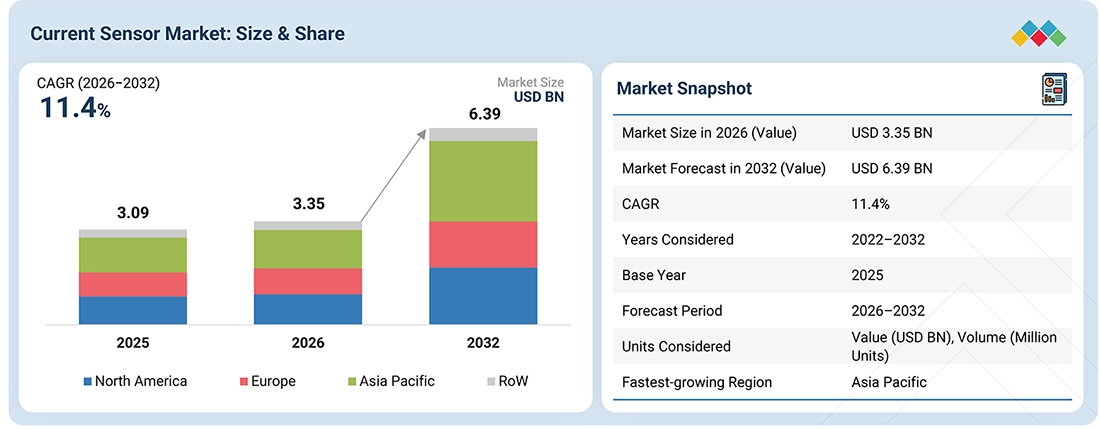
The growing adoption of fast-charging technologies across consumer electronics is creating significant opportunities for manufacturers of high-accuracy current sensing solutions. Increasing consumer demand for smartphones, laptops, tablets, wireless earbuds, smartwatches, and other portable electronic devices with shorter charging times is encouraging manufacturers to develop advanced power management systems. Fast-charging technologies enable electronic devices to receive higher levels of electrical power within shorter periods, improving convenience and supporting continuous device usage. However, these technologies require precise electrical monitoring to maintain charging efficiency, prevent excessive current flow, and protect sensitive electronic components. As a result, high-accuracy current sensors are becoming increasingly important in modern charging circuits and power management architectures.
Current sensors play a critical role in regulating electrical current during fast-charging operations. These devices continuously measure the current flowing between power adapters, charging controllers, batteries, and electronic components. Accurate measurements allow charging systems to adjust power delivery according to battery conditions and device requirements. This helps maintain stable charging performance while reducing the possibility of excessive electrical stress. High-accuracy current sensing solutions also provide essential feedback to battery management systems, enabling them to regulate charging cycles and protect rechargeable batteries from abnormal operating conditions.
Download PDF Brochure @ https://www.marketsandmarkets.com/pdfdownloadNew.asp?id=26656433
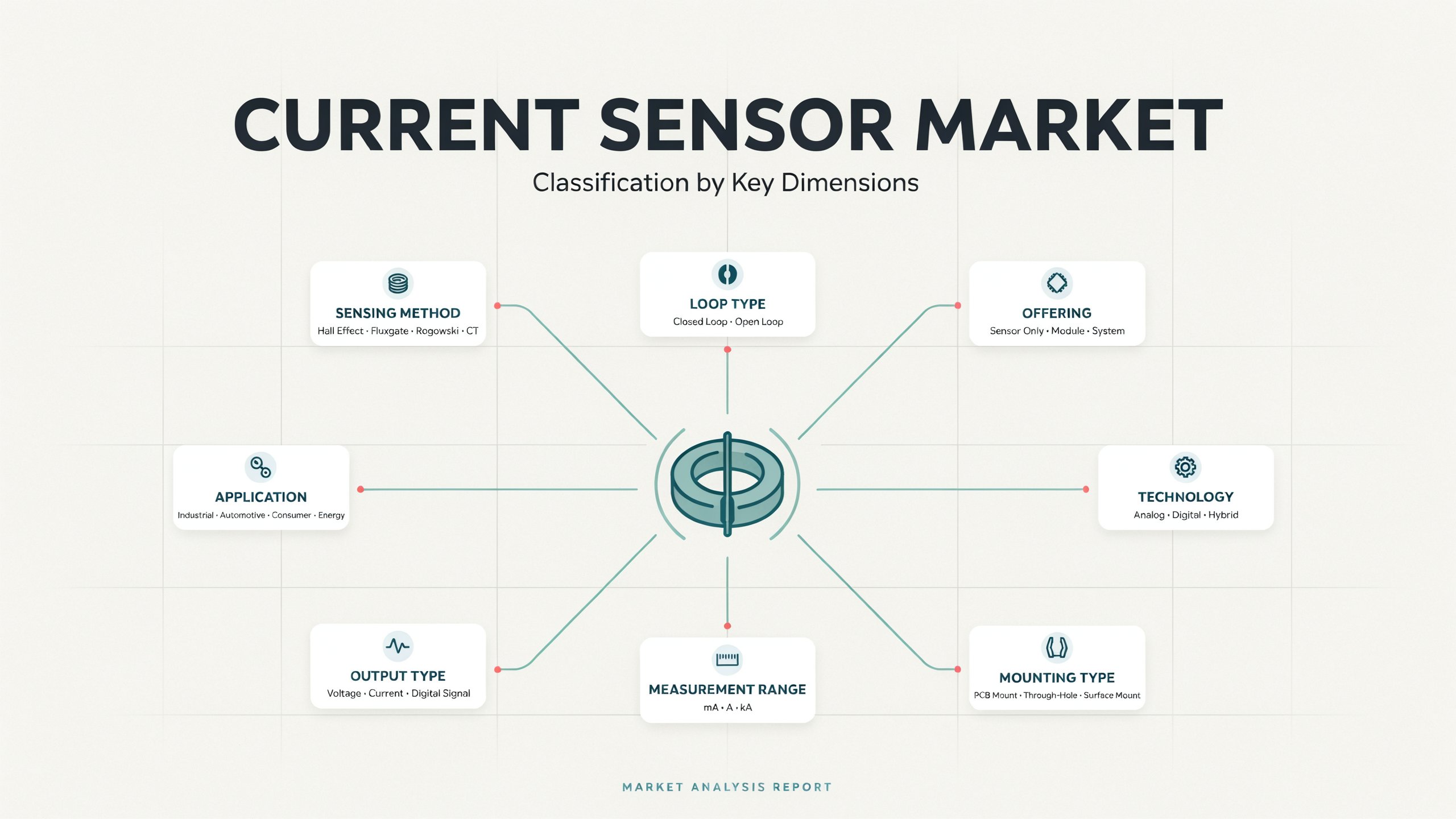
The increasing adoption of fast-charging smartphones is one of the major factors supporting demand for advanced current measurement technologies. Modern smartphones incorporate high-capacity lithium-ion batteries and sophisticated charging architectures designed to support rapid energy transfer. Fast-charging technologies operate at higher power levels than conventional charging systems, making accurate current monitoring essential. Current sensors help charging controllers measure electrical flow and adjust charging parameters according to battery temperature, voltage, and operating conditions. Their integration supports efficient charging while helping maintain battery performance and device safety. As smartphone manufacturers continue introducing faster charging capabilities, the demand for compact and highly accurate current sensors is expected to increase.
Laptop and tablet manufacturing is also contributing to the growing adoption of high-accuracy current sensing solutions. Modern laptops increasingly support USB Type-C Power Delivery and other advanced charging technologies that can deliver higher power levels. These devices require intelligent charging circuits to manage electricity distribution between batteries, processors, displays, and other internal components. Current sensors monitor power consumption and provide real-time feedback to charging controllers. Accurate measurements help prevent electrical overloads, optimize battery charging, and maintain reliable device operation. The growing popularity of thin laptops, high-performance computing devices, and portable workstations is creating additional opportunities for current sensor manufacturers.
Battery management systems represent another important application area for high-accuracy current sensors. Fast-charging batteries require precise monitoring to maintain suitable charging rates and avoid excessive electrical stress. Current sensors provide measurement data that supports state-of-charge estimation and battery performance evaluation. These measurements also help identify unusual charging patterns and potential electrical faults. By integrating accurate current sensing with voltage and temperature monitoring, battery management systems can regulate charging operations more effectively. This capability is particularly important for consumer electronics products that prioritize shorter charging times and extended battery lifespans.
Inquiry Before Buying @ https://www.marketsandmarkets.com/Enquiry_Before_BuyingNew.asp?id=26656433
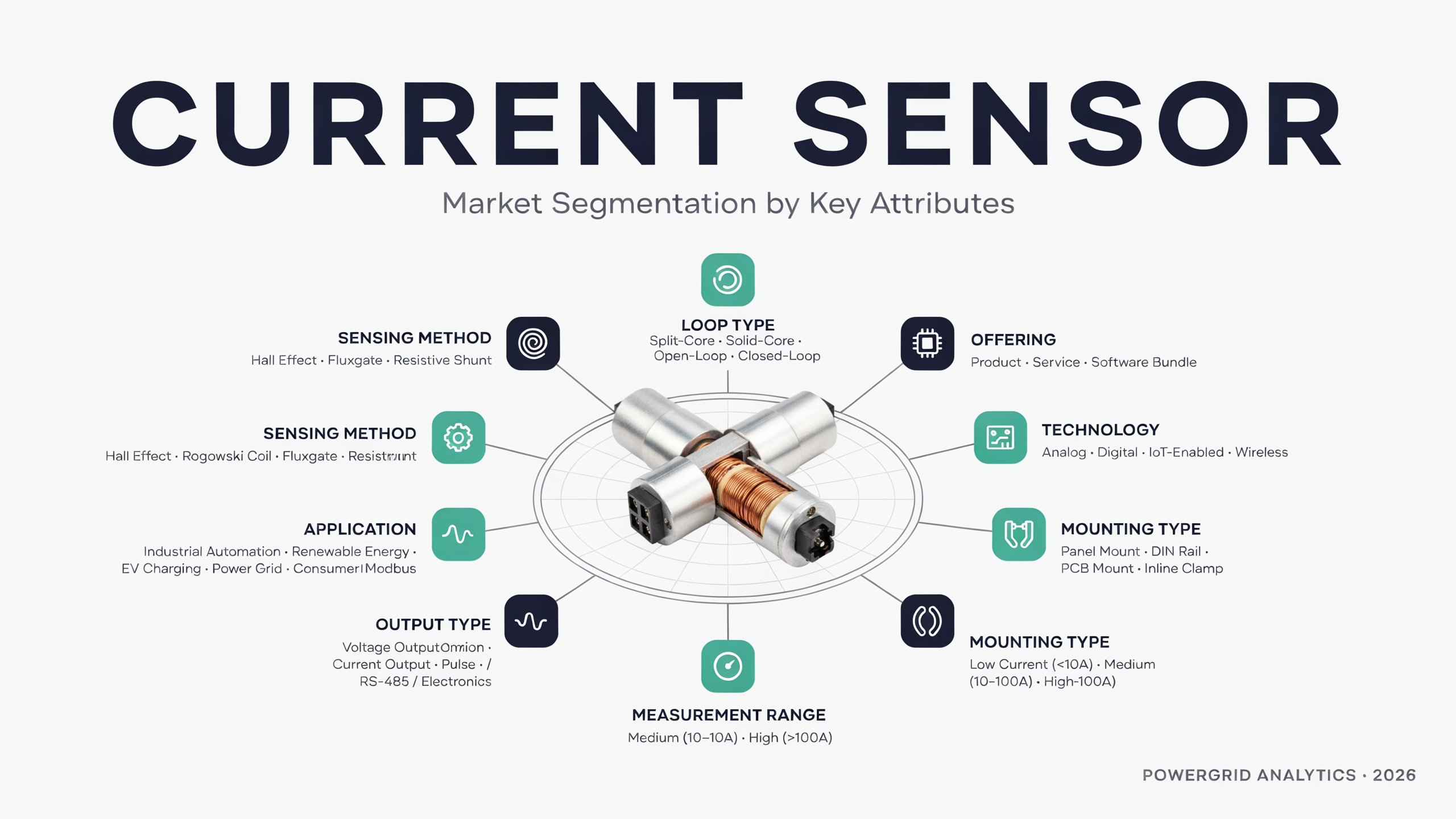
Technological advancements in power management integrated circuits are further strengthening the importance of current sensing solutions. Modern charging systems incorporate intelligent controllers that automatically adjust charging power according to battery requirements and device operating conditions. These controllers depend on accurate current measurement to manage power conversion and maintain stable electrical output. High-accuracy current sensors provide essential feedback for controlling switching operations and improving charging efficiency. Manufacturers are increasingly developing integrated sensing solutions that combine current measurement, signal conditioning, and protection capabilities within compact electronic packages.
The expansion of wireless charging technologies is also creating additional opportunities for current sensor manufacturers. Wireless charging systems transfer electrical energy through electromagnetic induction or resonant coupling, requiring accurate monitoring of power transfer and charging conditions. Current sensors help measure electrical input and output across charging circuits, supporting efficient energy conversion and system protection. As wireless charging becomes increasingly common in smartphones, smartwatches, earbuds, and other connected devices, demand for advanced current measurement technologies is expected to grow.
The increasing adoption of artificial intelligence and connected consumer electronics is further expanding the requirement for intelligent power management. Modern electronic devices perform computationally intensive tasks that create changing energy consumption patterns. High-accuracy current sensors help monitor these variations and provide data to power management systems for optimizing electrical distribution. Their integration supports efficient battery utilization and helps maintain device performance during demanding operations.
View detailed Table of Content here – https://www.marketsandmarkets.com/Market-Reports/current-sensor-market-26656433.html
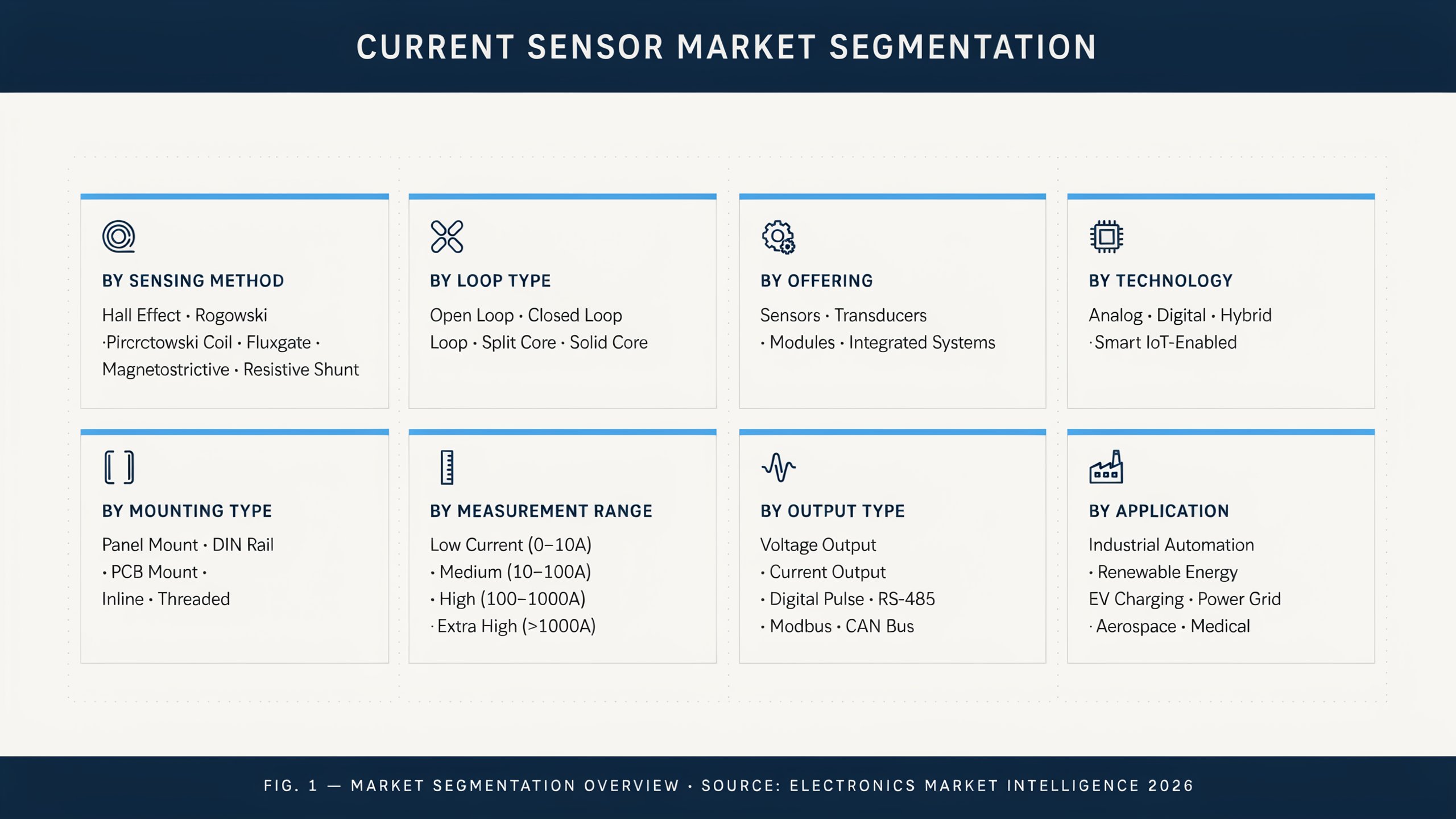
Manufacturers are also focusing on developing miniaturized Hall effect sensors, magnetic current sensors, and shunt-based measurement technologies to address the requirements of compact charging electronics. These solutions offer advantages such as improved measurement accuracy, faster response times, electrical isolation, and reduced physical dimensions. Advances in semiconductor packaging and integrated circuit design are enabling the development of sensors that can operate efficiently within space-constrained charging architectures.
Despite favorable growth opportunities, high-accuracy current sensor manufacturers face challenges related to measurement precision, thermal stability, electromagnetic interference, and cost optimization. Fast-charging systems operate under demanding electrical conditions, making sensor reliability and calibration particularly important. Manufacturers must continuously improve sensing performance while maintaining compact designs and competitive pricing.
Overall, the increasing adoption of fast-charging electronics is accelerating demand for high-accuracy current sensing solutions. Growing smartphone and laptop production, advanced battery management requirements, wireless charging adoption, and improvements in power management technologies are creating new opportunities for current sensor manufacturers. As electronic devices continue evolving toward faster charging and greater energy efficiency, accurate current measurement will remain essential for improving charging performance, battery reliability, and electrical safety.