
Growing Need for Quality Assurance in Battery Energy Storage Manufacturing
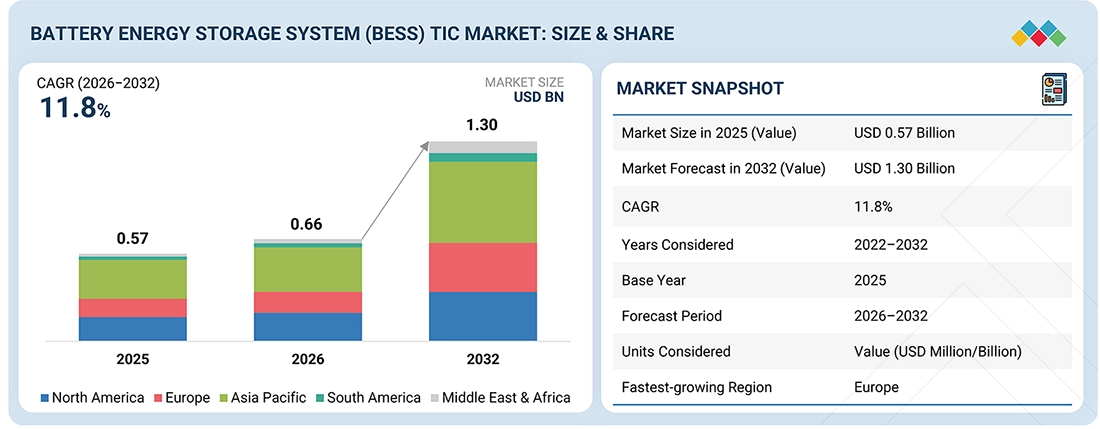
The rapid expansion of battery energy storage systems (BESS) is creating significant demand for testing, inspection, and certification (TIC) services. Battery manufacturers are increasing production capacities to address growing requirements from renewable energy projects, electric utilities, commercial facilities, and industrial applications. As energy storage becomes an essential component of modern electricity infrastructure, manufacturers must ensure that their products deliver reliable performance, operational safety, and compliance with applicable technical standards.
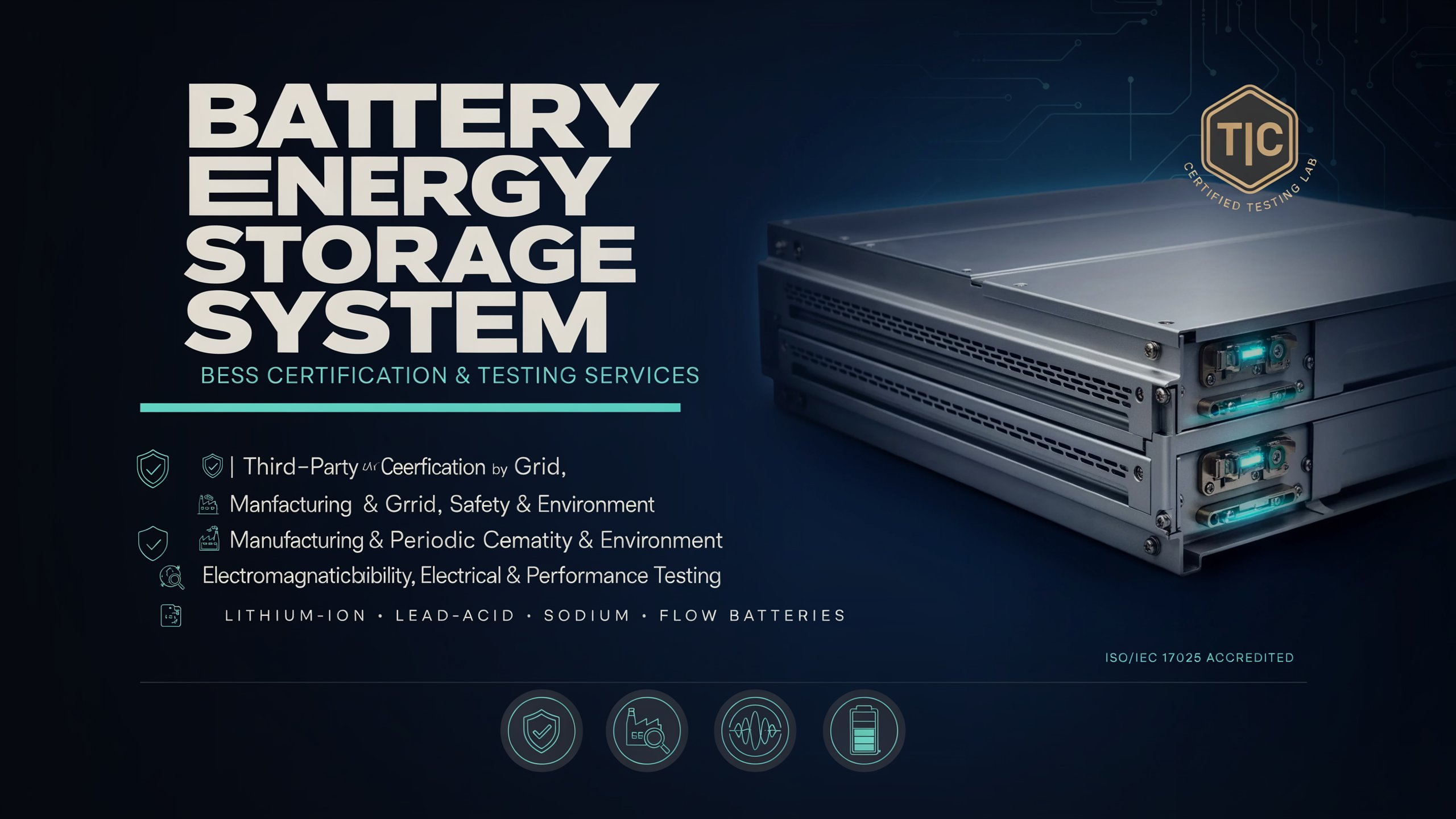
BESS manufacturing involves multiple stages, including battery cell production, module assembly, pack integration, battery management system development, and final system validation. Quality issues at any stage can affect the performance and safety of the complete installation. Consequently, manufacturers are increasingly relying on specialized TIC providers to evaluate product quality, identify potential defects, and verify compliance before battery systems enter commercial deployment.
Download PDF Brochure @ https://www.marketsandmarkets.com/pdfdownloadNew.asp?id=177783585
Battery Safety Requirements Strengthen Testing Demand
Battery safety is one of the most important priorities for BESS manufacturers. Energy storage systems operate with high electrical energy levels and may experience thermal, mechanical, or electrical stress under certain conditions. Manufacturing defects, improper component integration, and inadequate thermal management can increase operational risks.
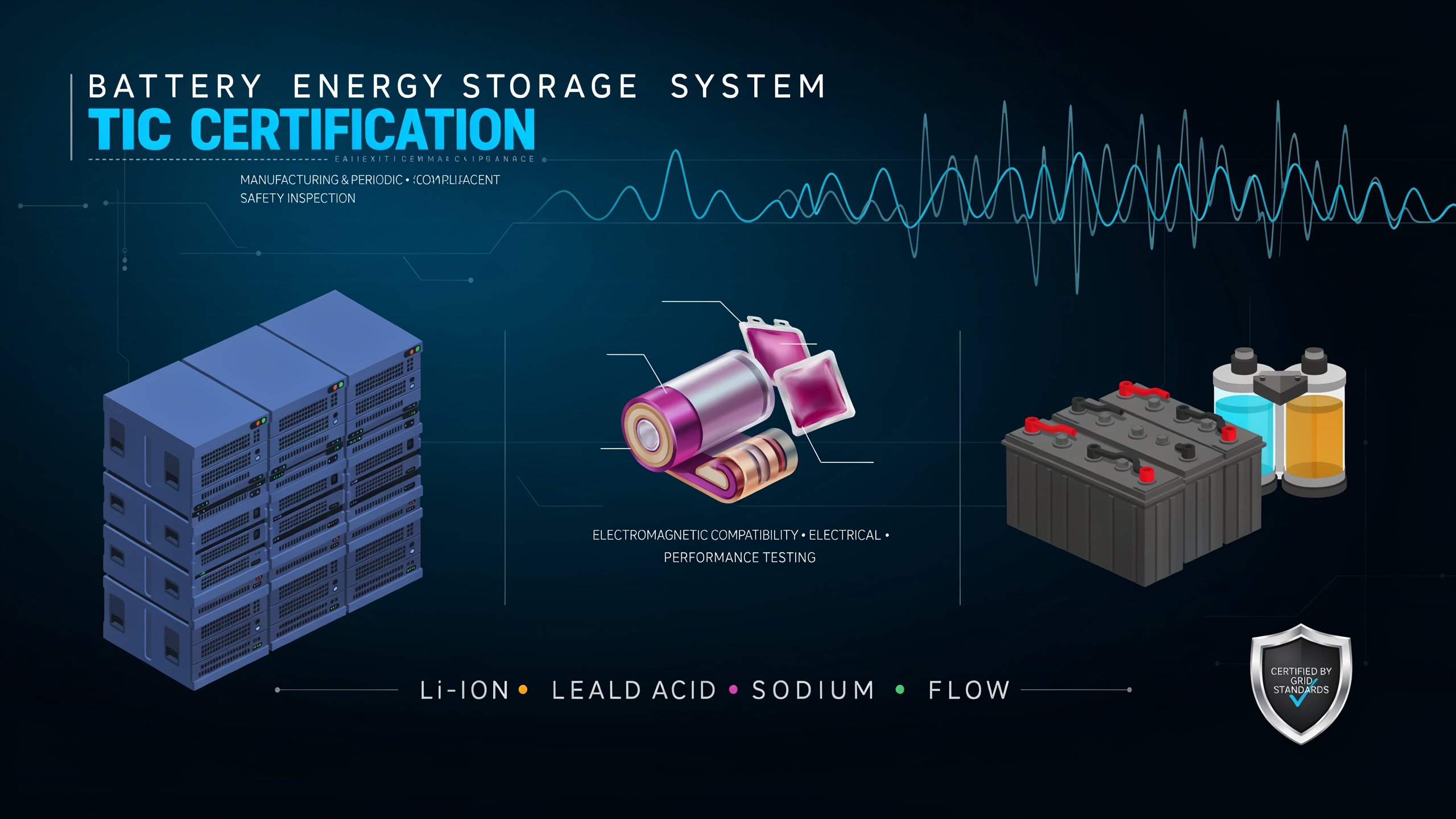
Testing services help manufacturers evaluate battery behavior under different operating conditions. These assessments may include electrical performance testing, thermal evaluation, environmental testing, mechanical testing, and safety-related assessments. Testing at the cell, module, pack, and system levels helps identify weaknesses before products are delivered to customers.
Thermal runaway prevention and mitigation are particularly important areas of evaluation for lithium-ion battery systems. Manufacturers require appropriate testing to understand how battery components respond to abnormal temperature conditions and whether system-level safety measures function as intended. Specialized TIC laboratories provide controlled testing environments and technical expertise to support these evaluations.
Product Reliability and Performance Validation Drive TIC Adoption
BESS manufacturers must demonstrate that their products can deliver consistent performance throughout their intended operating life. Battery capacity, charging and discharging efficiency, cycle life, electrical characteristics, and temperature management influence the suitability of energy storage systems for different applications.
Independent testing helps manufacturers validate product specifications and evaluate performance under defined conditions. These assessments are valuable during product development, manufacturing quality control, and final system verification. Testing results can also help manufacturers identify design limitations and improve product configurations before large-scale production.
Performance validation is increasingly important as battery systems are deployed in utility-scale renewable energy projects, grid support applications, and commercial energy management installations. Customers require dependable equipment that can operate according to project specifications. Reliable testing documentation helps manufacturers demonstrate product capabilities and strengthen confidence among project developers, utilities, and investors.
Inquiry Before Buying @ https://www.marketsandmarkets.com/Enquiry_Before_BuyingNew.asp?id=177783585
Inspection Services Improve Manufacturing and Installation Quality
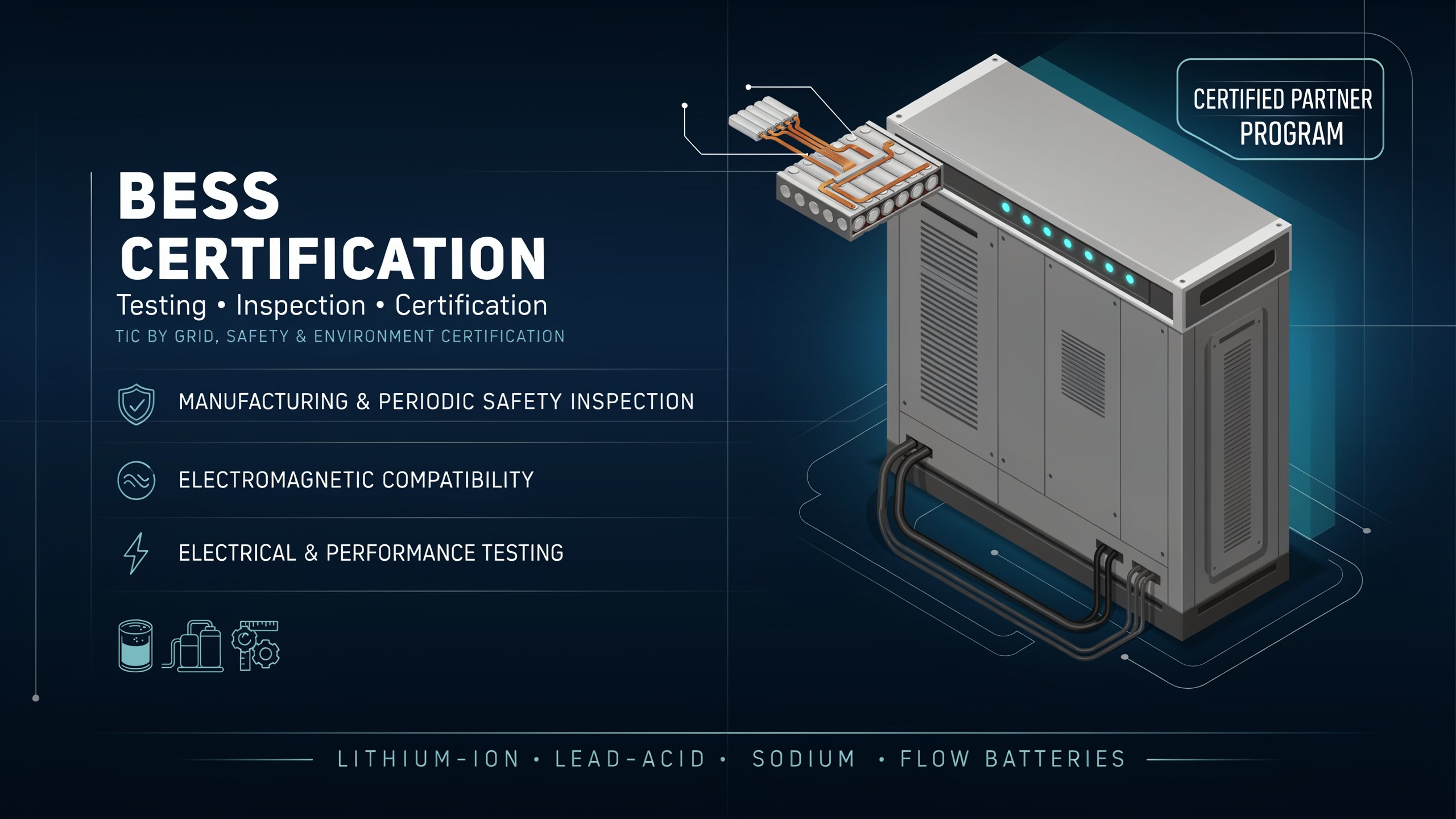
Inspection services support quality assurance by examining manufacturing processes, equipment conditions, and installation practices. Factory inspections can help verify production procedures, component quality, assembly practices, and compliance with specified requirements. These assessments enable manufacturers to identify inconsistencies and address potential issues before products are shipped.
Inspection requirements also extend beyond manufacturing facilities. Transportation, storage, installation, and commissioning can influence the condition and performance of battery systems. Independent inspectors can assess equipment condition, installation quality, electrical connections, enclosure integrity, and system integration at project sites.
For manufacturers supplying international energy storage projects, inspection services can help maintain consistent quality across geographically distributed production and deployment operations. Coordinated factory and site inspections provide greater visibility into the condition of equipment throughout the supply chain.
Certification Supports Regulatory Compliance and Market Expansion
BESS manufacturers serve customers across multiple countries, each with specific technical standards, safety requirements, and regulatory expectations. Certification helps demonstrate that battery products and systems have undergone relevant assessments against applicable requirements.
TIC providers support manufacturers by coordinating testing, technical documentation, compliance evaluation, and certification activities. This assistance is particularly important for companies entering new geographic markets or introducing advanced battery technologies. Appropriate certification can help reduce uncertainty during customer evaluations and support project approval processes.
Independent certification also strengthens confidence among utilities, insurers, financing institutions, and energy storage developers. As project owners become more focused on equipment safety and long-term reliability, documented evidence of testing and compliance is becoming an important consideration in supplier selection.
View detailed Table of Content here – https://www.marketsandmarkets.com/Market-Reports/bess-tic-market-177783585.html
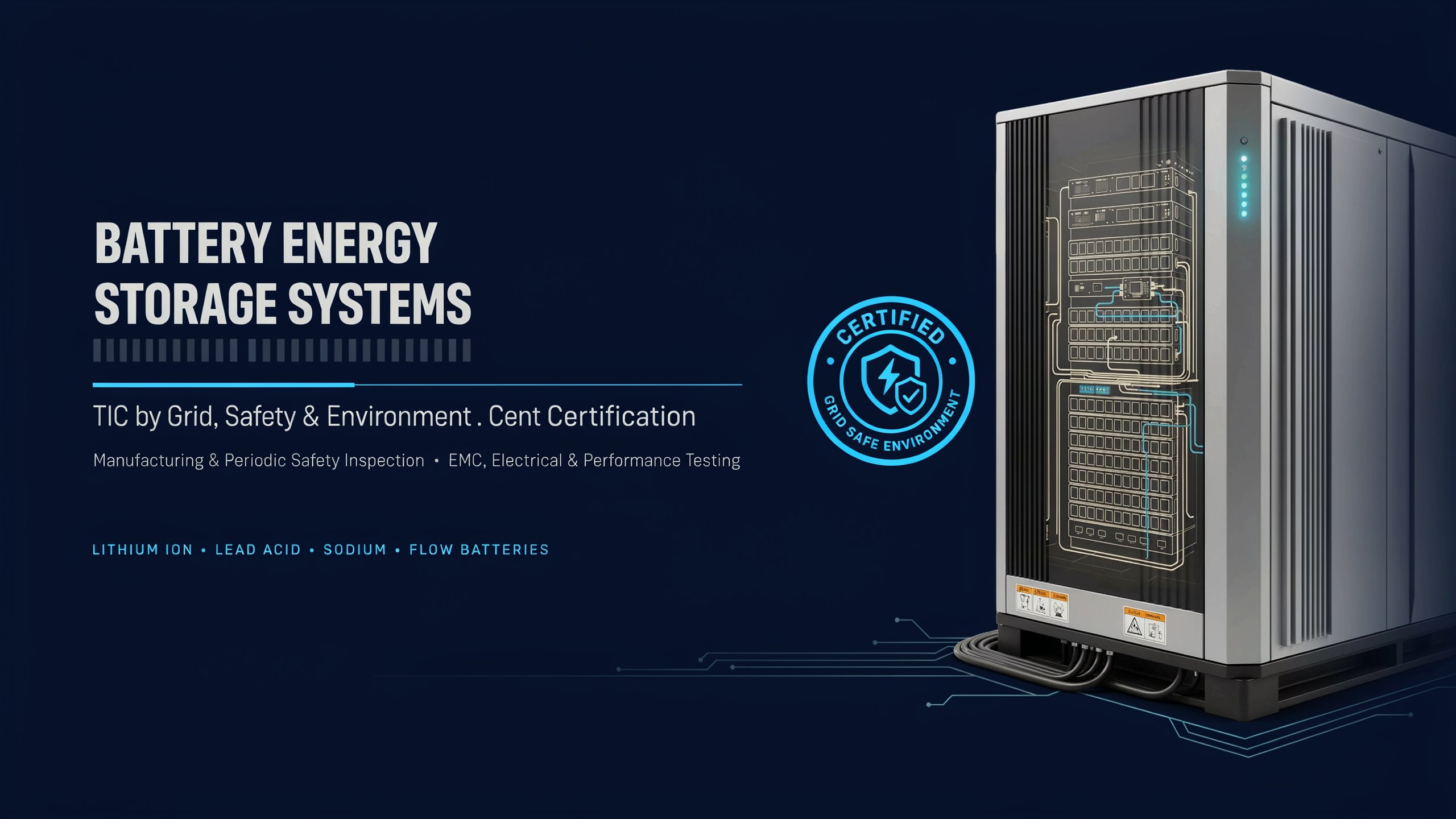
Digital Manufacturing Creates New TIC Opportunities
The adoption of automation, connected sensors, and digital manufacturing technologies is changing battery production processes. Manufacturers are increasingly using production monitoring systems, automated inspection equipment, and data analytics to improve quality control.
These technologies are creating opportunities for TIC providers to integrate digital inspection and testing capabilities into their service portfolios. Automated data collection, remote monitoring, and digital reporting platforms can improve documentation and help identify production irregularities. Artificial intelligence can also support selected visual inspection and data analysis activities.
Combining digital tools with independent technical assessments can improve inspection efficiency and provide manufacturers with better visibility into product quality. However, digital evaluations must be supported by validated procedures and qualified technical expertise.
Future Outlook for the BESS TIC Market
BESS manufacturers will continue to drive demand for specialized testing, inspection, and certification services as battery production expands and energy storage applications diversify. Increasing attention to battery safety, performance reliability, regulatory compliance, and product quality will encourage manufacturers to strengthen their relationships with independent TIC providers.
Companies offering advanced laboratory testing, factory inspection, system-level assessments, and certification support are well positioned to benefit from these developments. By helping manufacturers identify product weaknesses, verify technical performance, and meet applicable standards, TIC providers will play an increasingly important role in supporting the safe and reliable growth of the global battery energy storage industry.