
Introduction to Smart Building Safety
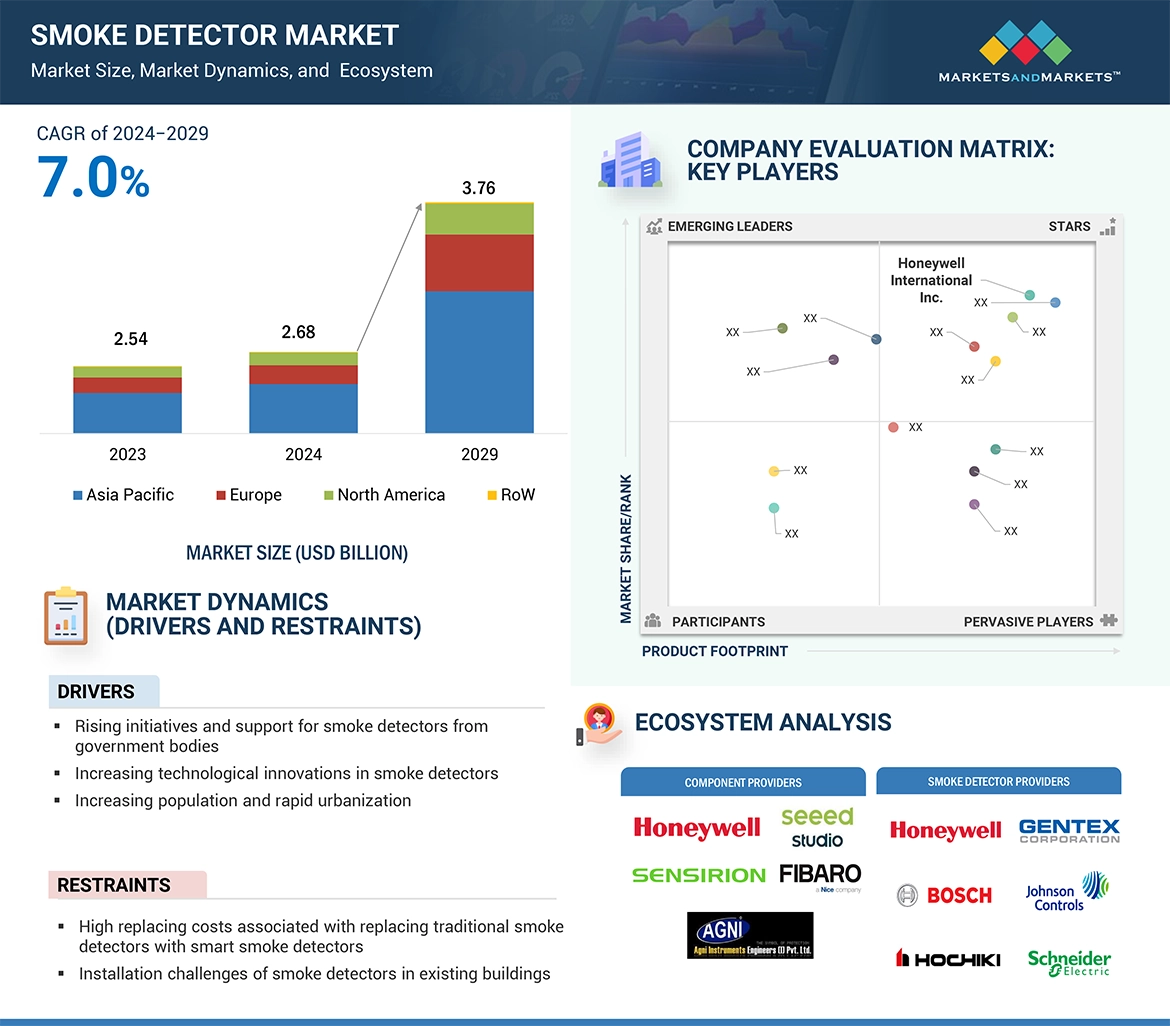
The Smoke Detector Market is experiencing growing demand as smart building technologies transform fire safety and facility management across residential, commercial, and industrial environments. Increasing awareness of fire hazards, stricter safety requirements, and rising investment in connected infrastructure are encouraging building owners to adopt advanced smoke detection solutions. Smart building safety systems combine intelligent sensors, wireless communication, and centralized monitoring to improve fire detection and support more effective emergency response.
Traditional smoke detectors primarily provide local alarms when smoke is detected. Modern smart smoke detectors extend these capabilities through connectivity with building management systems, mobile applications, and compatible safety platforms. These technologies enable real-time monitoring, remote notifications, and improved visibility into fire detection system conditions. As building operators seek integrated and reliable safety infrastructure, smart smoke detectors are becoming an important component of modern building management.
Download PDF Brochure @ https://www.marketsandmarkets.com/pdfdownloadNew.asp?id=162940771
Smart Building Integration Strengthens Market Demand
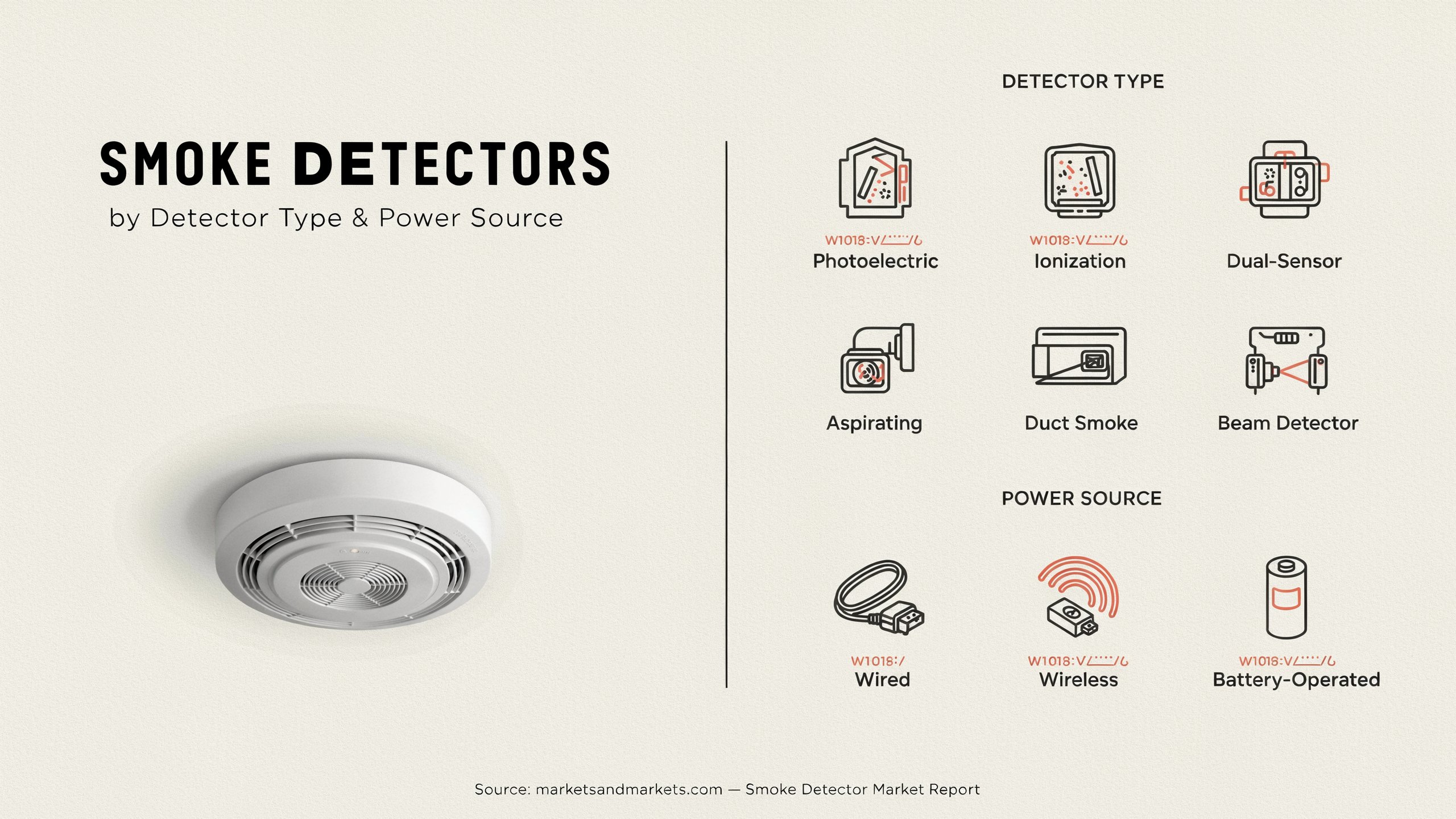
One of the major trends shaping the smoke detector market is the integration of fire detection systems with smart building platforms. Modern buildings increasingly connect lighting, ventilation, access control, security, and environmental monitoring systems through centralized management technologies. Smart smoke detectors can communicate with compatible platforms to provide alarm information and support coordinated safety procedures.
This integration is particularly valuable in commercial buildings, hotels, hospitals, educational institutions, and large residential developments. Facility managers can monitor detection systems across multiple floors or operational areas through centralized interfaces. When an alarm occurs, connected platforms may provide information about the affected location, helping personnel identify potential hazards and coordinate appropriate responses.
Smart building integration also supports more efficient management of fire safety infrastructure. Building operators can access system information, monitor device status, and identify maintenance requirements, helping maintain reliable detection coverage throughout a facility.
IoT Connectivity Improves Real-Time Monitoring
The adoption of Internet of Things technologies is creating additional opportunities for smart smoke detector manufacturers. IoT-enabled detectors can transmit alarm signals and operational information through supported communication networks. This allows users to receive notifications through mobile applications or centralized monitoring platforms.
Remote monitoring is particularly useful for buildings that remain unoccupied during certain periods. Property owners and designated personnel can receive alerts about potential fire incidents even when they are away from the premises. In facilities with multiple detection zones, connected monitoring can improve visibility into alarm events across different areas.
Wireless smoke detectors can also simplify installation and system expansion. In existing buildings, adding new wired infrastructure may require construction work and additional labor. Wireless technologies can provide more flexible installation options, supporting upgrades in older properties and buildings undergoing renovation.
Inquiry Before Buying @ https://www.marketsandmarkets.com/Enquiry_Before_BuyingNew.asp?id=162940771
Intelligent Detection Enhances Fire Safety Performance
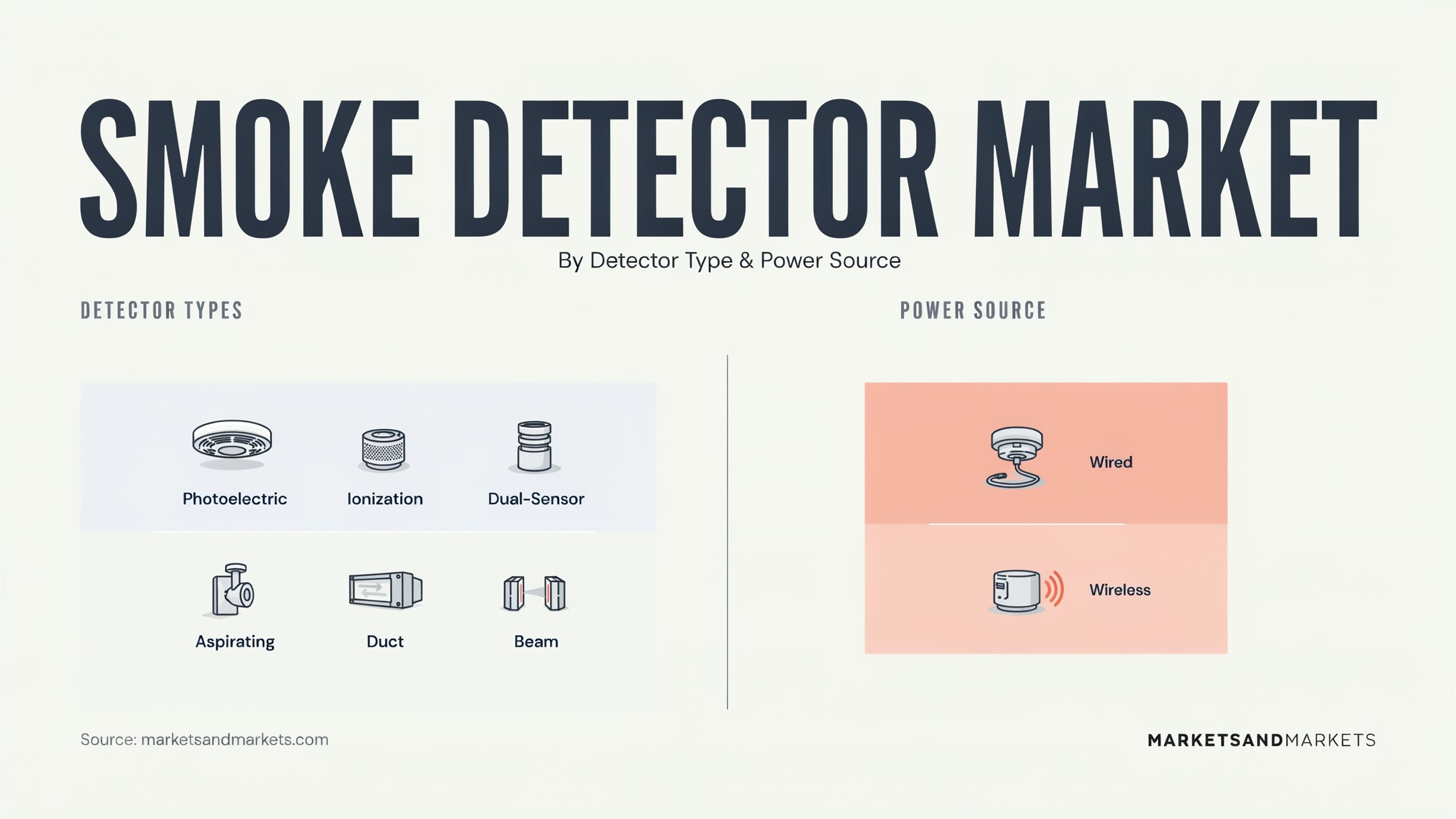
Advancements in sensing technologies are supporting the development of intelligent smoke detectors for smart building applications. Modern systems may combine photoelectric sensors, heat detection, and other sensing mechanisms to assess environmental conditions and identify potential fire hazards.
Multi-criteria detection can help distinguish smoke-related conditions from disturbances such as dust, steam, or cooking fumes. This can improve detection reliability and reduce unwanted alarms when supported by suitable sensor design and validation.
Intelligent smoke detectors may also provide information about device health, battery status, and maintenance requirements. These capabilities help facility managers identify detectors that require inspection or servicing. Reliable system performance remains essential, particularly in buildings where fire detection networks protect large numbers of occupants.
Applications Across Residential and Commercial Buildings
Residential properties are increasingly adopting smart smoke detectors as part of connected home safety systems. Mobile alerts, interconnected alarms, and remote monitoring can improve awareness of potential fire hazards. Integration with compatible smart home platforms may also support coordinated safety notifications.
Commercial buildings represent another important application area. Offices, shopping centers, hotels, hospitals, and educational facilities often require comprehensive fire detection coverage and centralized monitoring. Smart smoke detectors can help operators manage complex detection networks and improve visibility across different building zones.
Industrial facilities and warehouses may also benefit from smart building safety solutions. These environments often contain valuable equipment, materials, and infrastructure that require dependable fire monitoring. Connected detectors can support monitoring across operational areas and provide timely information about potential hazards.
View detailed Table of Content here – https://www.marketsandmarkets.com/Market-Reports/smoke-detector-market-162940771.html
Future Outlook for Smart Building Smoke Detectors
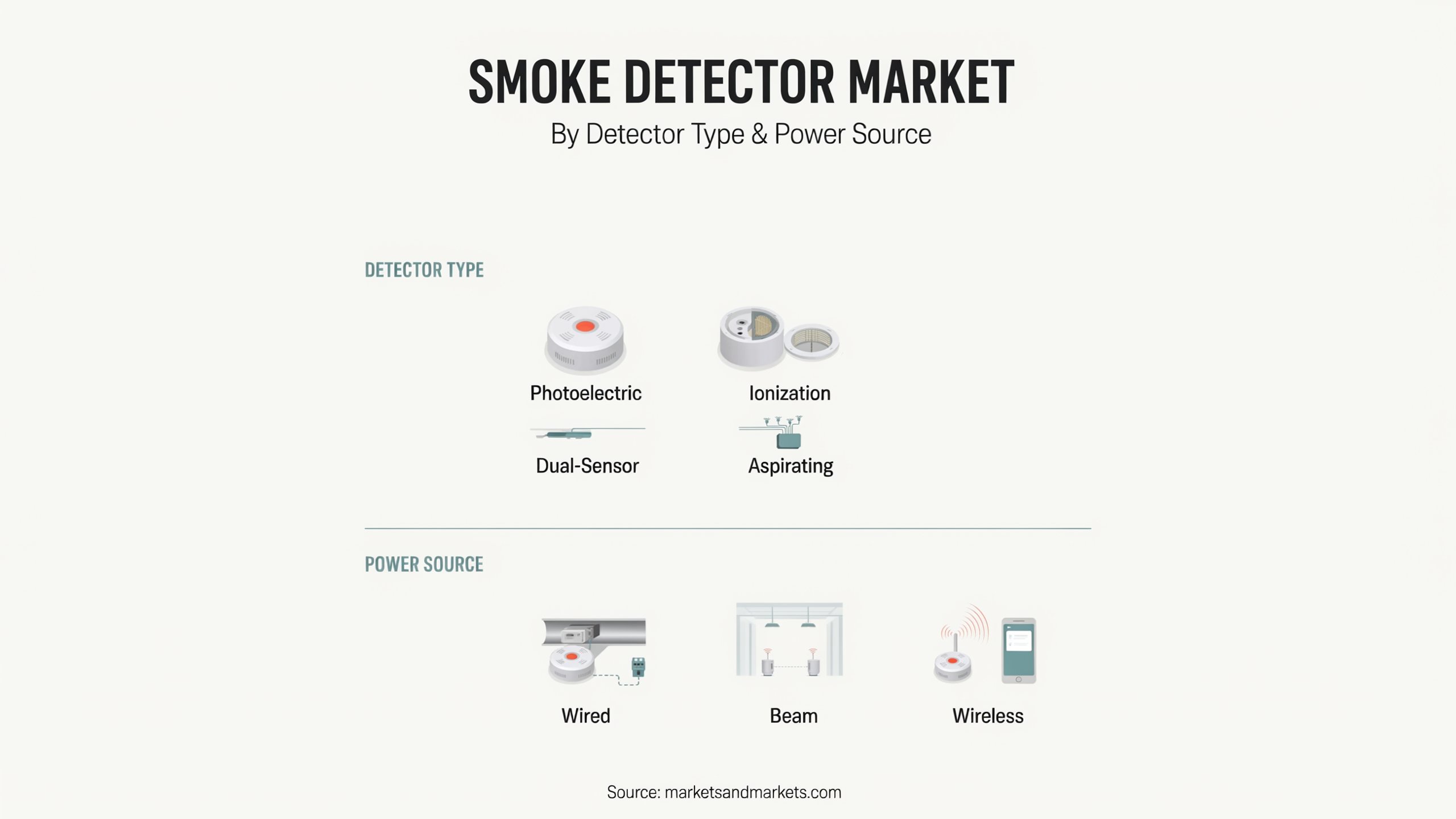
The future of the Smoke Detector Industry will be shaped by continued investment in smart buildings, connected safety infrastructure, and intelligent fire detection technologies. Manufacturers are expected to focus on improved connectivity, detection accuracy, interoperability, and remote monitoring capabilities.
Cybersecurity and communication reliability will remain important considerations as fire safety systems become more connected. Smart smoke detectors must also meet applicable safety standards and maintain dependable alarm performance.
Overall, smart building safety solutions are creating significant opportunities in the smoke detector market. By combining reliable detection with connected monitoring and intelligent building integration, advanced smoke detectors can support safer environments and more effective fire safety management across residential, commercial, and industrial applications.