
The global security screening industry is experiencing significant transformation as governments, transportation authorities, airports, and commercial organizations increasingly prioritize public safety and threat prevention. Rising security concerns, terrorist activities, illegal immigration, cross-border trafficking, and growing protection requirements for critical infrastructure are accelerating the adoption of advanced security screening technologies.
Security screening systems play an essential role in identifying prohibited items, weapons, explosives, hazardous materials, and unauthorized objects across airports, seaports, railway stations, government facilities, commercial buildings, and public venues. Traditional screening technologies are evolving through the integration of artificial intelligence (AI), machine learning, biometric authentication, advanced X-ray imaging, and automated threat detection systems.
These technologies are helping security operators improve detection accuracy, reduce false alarms, streamline inspection processes, and manage increasing passenger and cargo volumes. AI-powered screening solutions are particularly important in high-traffic environments where security personnel must identify potential threats without creating unnecessary delays.
According to MarketsandMarkets, the global security screening market was valued at USD 9.26 billion in 2024 and is estimated to reach USD 9.92 billion in 2025. The market is projected to grow to USD 13.80 billion by 2030, registering a compound annual growth rate (CAGR) of 6.8% during the forecast period. Increasing investments in security infrastructure, technological advancements, and stricter government regulations are expected to support market expansion.
Download PDF Brochure @ https://www.marketsandmarkets.com/pdfdownloadNew.asp?id=264685413
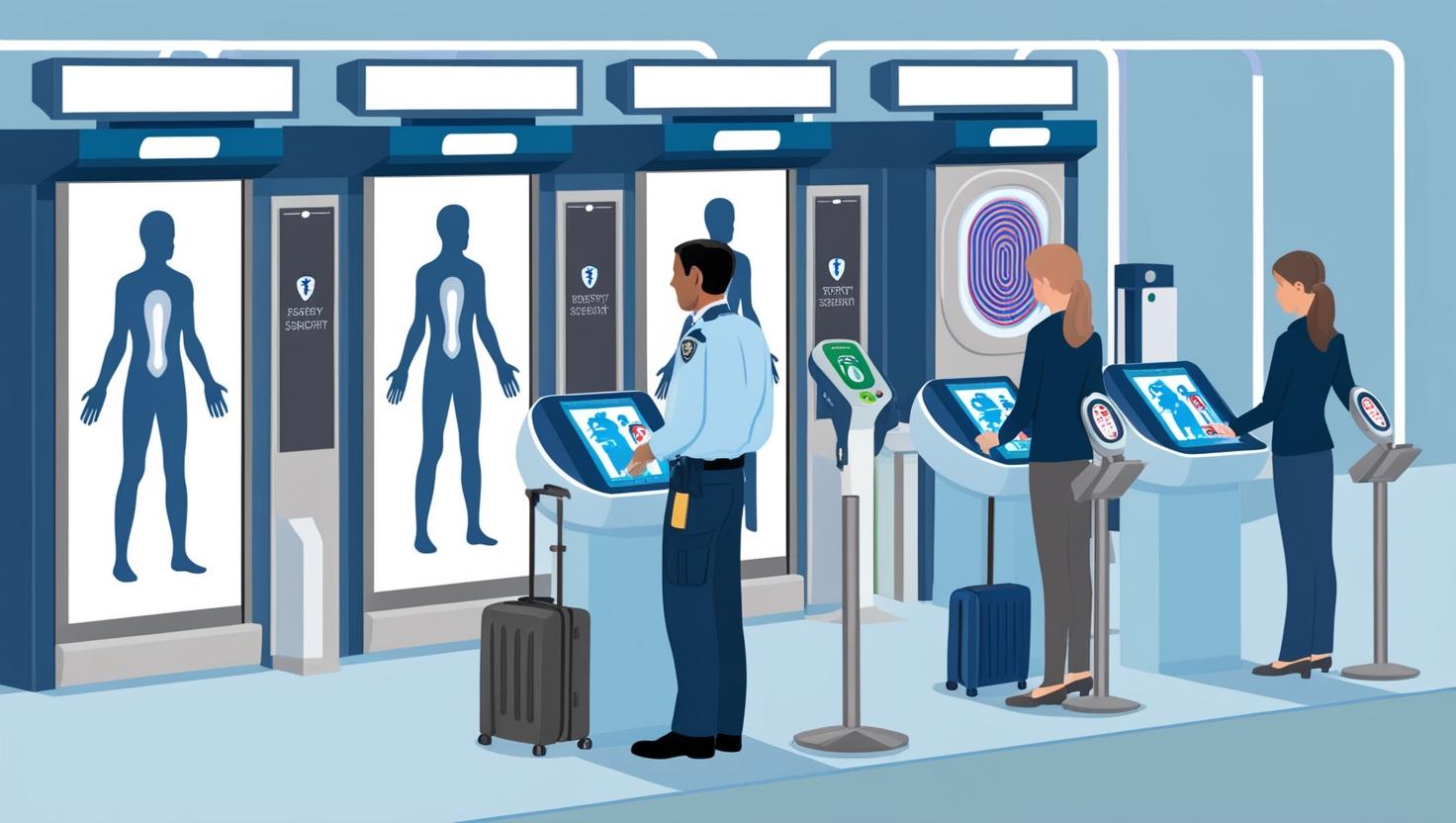
Artificial Intelligence and Automation Transform Threat Detection
Artificial intelligence is emerging as a major technology driving innovation in the security screening industry. Conventional screening processes often require security personnel to manually examine X-ray images, verify identities, and identify suspicious objects. These activities can become challenging when managing high passenger volumes and complex security requirements.
AI-powered screening systems are improving these processes through automated image analysis, object recognition, anomaly detection, and real-time threat identification. Machine learning algorithms can analyze screening images and identify potentially prohibited items, helping security personnel prioritize suspicious cases.
Computer vision technologies are also improving the ability of screening systems to distinguish between permitted and restricted objects. These capabilities can reduce false alarms, improve detection consistency, and increase screening throughput.
Automation is further transforming security operations through automated baggage handling, biometric identity verification, intelligent access control, and automated screening lanes. These solutions help organizations manage large volumes of passengers and cargo while maintaining security standards.
The integration of AI and automation is expected to create significant opportunities for manufacturers developing intelligent screening equipment and software platforms.
Growing Security Concerns Drive Demand for Advanced Screening Systems
Increasing concerns about terrorism, illegal immigration, smuggling, and organized criminal activities are encouraging governments to strengthen security infrastructure. Airports, border checkpoints, public transportation networks, and critical infrastructure facilities are investing in advanced screening technologies to identify threats and prevent unauthorized access.
X-ray scanners, electromagnetic metal detectors, body scanners, biometric systems, and explosive detection technologies are becoming important components of modern security infrastructure.
At airports, advanced baggage screening systems help identify weapons, explosives, and other prohibited materials. Passenger screening technologies, including body scanners and metal detectors, support the detection of concealed objects while maintaining efficient passenger movement.
Border security authorities are also adopting facial recognition, biometric identification, and automated border control systems to improve identity verification and monitor cross-border movement.
As security threats become more sophisticated, demand for integrated screening systems capable of delivering accurate, rapid, and non-intrusive threat detection is expected to increase.
Advanced Screening Technologies Strengthen Market Opportunities
Technological advancements are creating new opportunities for security screening equipment manufacturers. Organizations are increasingly adopting advanced imaging, biometric authentication, and chemical detection technologies to improve security performance.
Computed tomography (CT) scanning is gaining importance in baggage and cargo inspection. CT systems generate detailed three-dimensional images, allowing security personnel to examine the contents of bags and packages more effectively.
Millimeter-wave imaging is another important technology used in passenger screening. These systems help detect concealed objects without requiring physical contact, supporting efficient security checks in airports and other high-security environments.
Biometric technologies, including facial recognition, iris recognition, and fingerprint recognition, are improving identity verification and access management. Automated border control gates and biometric authentication systems are helping authorities streamline passenger processing while strengthening border security.
Spectrometry and spectroscopy systems are also gaining attention for detecting narcotics, explosives, and hazardous chemical substances. These technologies are particularly relevant to transportation facilities, cargo terminals, and critical infrastructure.
The integration of these technologies with AI, machine learning, and Internet of Things (IoT) platforms is expected to accelerate the development of intelligent security screening ecosystems.
Security Screening Market Segmentation: System Type, Application, and Vertical
The security screening market is segmented by system type, application, vertical, and region. Each segment contributes to improving security infrastructure and addressing evolving threat detection requirements.
By System Type: The market includes X-ray screening systems, electromagnetic metal detectors, biometric systems, spectrometry and spectroscopy systems, and other screening technologies.
X-ray screening systems include body scanners, baggage scanners, handheld scanners, and cabinet X-ray systems. These technologies are widely used for inspecting passengers, luggage, parcels, and cargo.
Electromagnetic metal detectors include handheld and walkthrough systems used to identify concealed metallic objects. This segment is expected to register the highest CAGR during the forecast period, supported by increasing demand for cost-effective, non-intrusive, and reliable threat detection solutions.
Biometric systems, including facial recognition, iris recognition, and fingerprint recognition, are gaining importance for identity verification and automated access management.
By Application: The market is divided into people screening, baggage and cargo screening, and vehicle inspection.
People screening is expected to account for the largest market share throughout the forecast period. Increasing passenger traffic, security concerns, and stringent airport regulations are driving demand for body scanners, metal detectors, and biometric screening systems.
Baggage and cargo screening is also expanding due to increasing international trade, e-commerce activities, and cross-border shipments. Advanced X-ray scanners, CT systems, and explosive detection technologies are helping organizations inspect large volumes of goods.
Vehicle inspection systems are increasingly deployed at border checkpoints, government facilities, seaports, and critical infrastructure locations to identify concealed contraband and unauthorized materials.
By Vertical: The market includes transportation, government, retail, hospitality, commercial, industrial, education, and other sectors.
The transportation segment is expected to register the highest CAGR during the forecast period. Growing passenger traffic and increasing investments in airport, railway, seaport, and border security infrastructure are supporting demand for advanced screening solutions.
Government facilities are adopting biometric authentication and advanced screening systems to strengthen public safety and protect sensitive locations. Retail, hospitality, and commercial organizations are also investing in modern security solutions to protect employees, customers, visitors, and physical assets.
Regional Outlook: Asia Pacific Emerges as the Fastest-Growing Market
The security screening market is expanding across North America, Europe, Asia Pacific, and the Rest of the World. Regional growth is influenced by government security investments, transportation infrastructure development, technological advancements, and increasing public safety requirements.
North America is estimated to account for the largest market share in 2025. The region benefits from substantial investments in airport security, border protection, critical infrastructure, and advanced threat detection technologies. The presence of established security technology providers and stringent regulatory requirements further supports market development.
Asia Pacific is expected to register the highest CAGR of 8.3% during the forecast period. Rapid urbanization, increasing passenger traffic, infrastructure modernization, and rising security concerns are driving demand for advanced screening systems.
China, India, Japan, and South Korea are important markets contributing to regional growth. Government initiatives focused on homeland security, smart transportation, border protection, and critical infrastructure are accelerating the deployment of modern screening equipment.
India is witnessing growing investments in airport modernization, railway infrastructure, commercial facilities, and public transportation networks. These developments are creating opportunities for manufacturers offering AI-enabled screening systems, biometric technologies, and automated threat detection solutions.
Europe continues to emphasize transportation security, regulatory compliance, and advanced inspection technologies. Investments in airport modernization, border management, and critical infrastructure protection are supporting regional demand.
Challenges Affecting the Security Screening Industry
Despite strong growth opportunities, the security screening industry faces several challenges that may influence technology adoption.
High Installation and Maintenance Costs: Advanced X-ray scanners, CT systems, biometric platforms, and automated screening equipment require substantial initial investments. Installation, integration, maintenance, and software upgrades can increase the total cost of ownership, particularly for smaller facilities and developing markets.
Health and Privacy Concerns: The adoption of high-frequency scanners and advanced imaging technologies can raise concerns regarding passenger privacy and perceived health risks. Organizations must implement appropriate safeguards, transparent screening procedures, and privacy-preserving technologies to improve public acceptance.
Data Privacy and Cybersecurity: Biometric systems and AI-powered screening platforms collect and process sensitive personal information. Compliance with regulations such as the General Data Protection Regulation (GDPR) and other regional data protection frameworks requires secure data storage, encryption, access controls, and responsible information management.
False Positives and Detection Accuracy: False alarms can increase inspection time, create operational delays, and place additional pressure on security personnel. Screening technology providers must continuously improve detection algorithms and system accuracy while maintaining effective threat identification.
Addressing these challenges through advanced technology development, privacy-focused system design, and cost-effective screening solutions will be essential for sustainable market growth.
Competitive Landscape and Key Market Players
The security screening industry includes established security technology manufacturers, defense contractors, and specialized inspection equipment providers. Companies are focusing on AI integration, product innovation, strategic collaborations, and geographic expansion to strengthen their competitive positions.
Major companies operating in the market include:
- Smiths Detection Group Ltd. (UK)
- OSI Systems, Inc. (US)
- Leidos (US)
- Thales (France)
- NEC Corporation (Japan)
- Teledyne Technologies (US)
- Bruker (US)
- Analogic Corporation (US)
- Astrophysics Inc. (US)
- LINEV Systems (US)
These companies are investing in advanced X-ray imaging, biometric authentication, automated inspection, and AI-powered threat detection technologies.
Smiths Detection is strengthening its screening portfolio through AI integration and advanced X-ray technologies. In March 2025, the company partnered with South Korean AI firm Deepnoid to integrate AI capabilities into its security screening systems.
OSI Systems is expanding its cargo and vehicle inspection business through advanced non-intrusive inspection solutions. Leidos is also collaborating with technology providers to improve AI-powered threat detection and airport screening efficiency.
Thales and NEC Corporation are focusing on advanced identity verification, biometric authentication, and integrated security technologies.
Strategic partnerships, product innovation, and investments in intelligent screening platforms are expected to remain important competitive strategies as security requirements evolve.
Future Outlook: Building an Intelligent and Automated Security Ecosystem
The future of the security screening industry will be shaped by the integration of artificial intelligence, automation, advanced imaging, biometric authentication, and real-time analytics.
AI-powered screening platforms are expected to improve threat identification by analyzing complex imaging data and recognizing suspicious patterns. Automated screening lanes and intelligent baggage inspection systems will help airports and transportation facilities manage increasing passenger volumes without compromising security.
The adoption of biometric technologies will continue to expand across airports, border checkpoints, government facilities, and commercial infrastructure. Facial recognition, iris scanning, and fingerprint authentication will support faster identity verification and automated access management.
Advanced CT scanning, millimeter-wave imaging, and electromagnetic metal detection will further strengthen screening capabilities. Meanwhile, IoT-enabled monitoring and edge computing will improve real-time information processing and coordination across distributed security infrastructure.
Increasing e-commerce activities and international cargo movement will also create opportunities for advanced cargo inspection, explosive detection, and vehicle screening solutions.
Asia Pacific is expected to remain an important growth engine as countries invest in transportation modernization, smart infrastructure, and homeland security programs.
With the global security screening market projected to reach USD 13.80 billion by 2030, companies that develop accurate, scalable, automated, and privacy-conscious screening solutions are expected to benefit from emerging opportunities.
The security screening industry is undergoing significant transformation as governments, airports, transportation authorities, and commercial organizations strengthen their security infrastructure. Rising security threats, increasing passenger and cargo traffic, and stricter regulatory requirements are accelerating the adoption of advanced screening technologies.
Artificial intelligence, machine learning, automation, biometric authentication, and advanced imaging systems are reshaping traditional threat detection processes by improving accuracy, reducing false alarms, and enhancing operational efficiency.
Although high implementation costs, privacy concerns, and data protection requirements remain challenges, continuous technological innovation is creating new growth opportunities for market participants.
As global security requirements become increasingly sophisticated, AI-powered and automated screening solutions will play an essential role in building safer, more efficient, and intelligent security infrastructure.
Frequently Asked Questions (FAQs)
1. What is the projected size of the security screening market by 2030?
The global security screening market is projected to reach USD 13.80 billion by 2030, growing from USD 9.92 billion in 2025 at a CAGR of 6.8%.
2. What are the major factors driving growth in the security screening industry?
Increasing security threats, rising passenger and cargo traffic, stricter government regulations, airport modernization, and growing adoption of AI-powered threat detection technologies are driving market growth.
3. Which system type is expected to register the highest CAGR in the security screening market?
Electromagnetic metal detectors are expected to register the highest CAGR during the forecast period, supported by demand for reliable and cost-effective screening solutions.
4. Which application segment holds the largest share of the security screening market?
People screening is expected to account for the largest market share, driven by increasing passenger screening requirements at airports, border checkpoints, and public transportation facilities.
5. Which region is expected to witness the fastest growth in the security screening market?
Asia Pacific is expected to register the highest CAGR of 8.3%, supported by infrastructure development, increasing security investments, and modernization of transportation facilities.