

Introduction to Rechargeable Solid-State Batteries
Rechargeable solid-state batteries are gaining attention as industries increasingly seek long-life energy storage solutions that can deliver dependable performance, improved safety, and efficient energy utilization. The growing adoption of electric vehicles, portable electronics, industrial automation, and connected devices is creating demand for advanced rechargeable battery technologies capable of supporting repeated charging and discharging over extended periods.
Solid-state batteries use solid electrolytes instead of the liquid or gel-based electrolytes found in many conventional rechargeable batteries. This design offers potential advantages in energy density, safety, and compactness, depending on the materials and cell architecture. As battery developers advance solid-state technology, its potential role in long-life energy storage is attracting interest across multiple industries.
Download PDF Brochure @ https://www.marketsandmarkets.com/pdfdownloadNew.asp?id=164577856
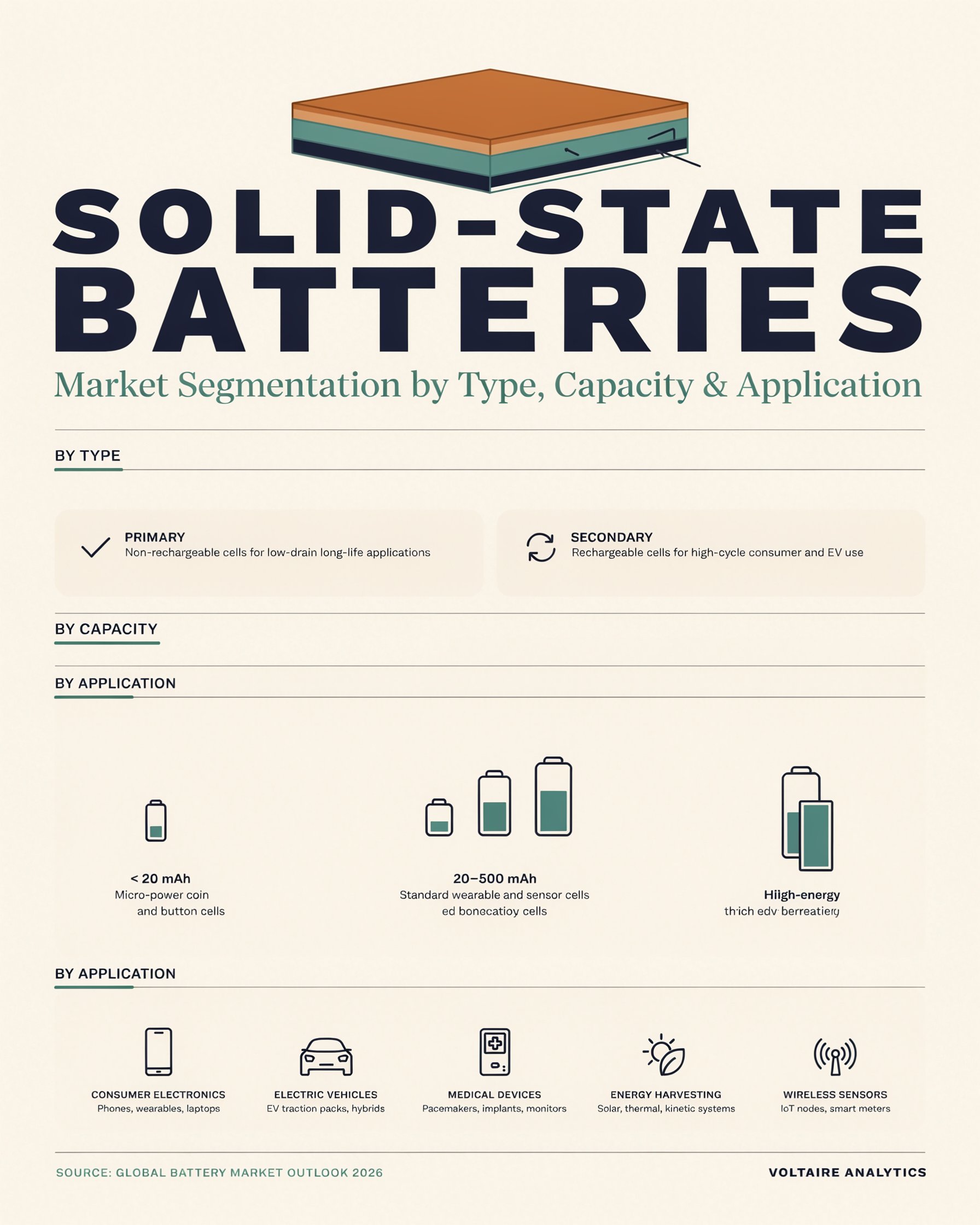
Growing Demand for Long-Life Energy Storage
Long-life energy storage is becoming increasingly important as battery-powered systems are deployed across applications that require continuous or repeated operation. Electric vehicles need batteries that can maintain performance over years of use, while industrial monitoring equipment and connected sensors often operate in locations where frequent battery replacement is difficult.
Rechargeable solid-state batteries may help address these requirements through improvements in battery design and materials. Their potential to support compact energy storage systems could create opportunities for applications that require reliable power within limited space.
The demand for longer battery service life is also influenced by maintenance costs and operational efficiency. Batteries that retain suitable performance over extended periods can reduce replacement frequency and support more convenient operation, although actual service life depends on chemistry, operating conditions, and usage patterns.
Applications in Electric Mobility
Electric mobility is one of the major application areas supporting demand for advanced rechargeable batteries. Electric cars, buses, commercial vehicles, and other battery-powered transportation systems require energy storage solutions that can withstand repeated charging and discharging cycles.
Solid-state batteries are being explored for their potential to improve energy density and safety while supporting advanced electric vehicle designs. Long-life battery performance is particularly important for transportation applications, where battery degradation can affect vehicle range, operating costs, and overall performance.
Battery developers are investigating materials and cell architectures that can improve cycle life and maintain stable performance. These developments may support future electric mobility systems if solid-state batteries can achieve cost-effective manufacturing and reliable operation at scale.
Inquiry Before Buying @ https://www.marketsandmarkets.com/Enquiry_Before_BuyingNew.asp?id=164577856
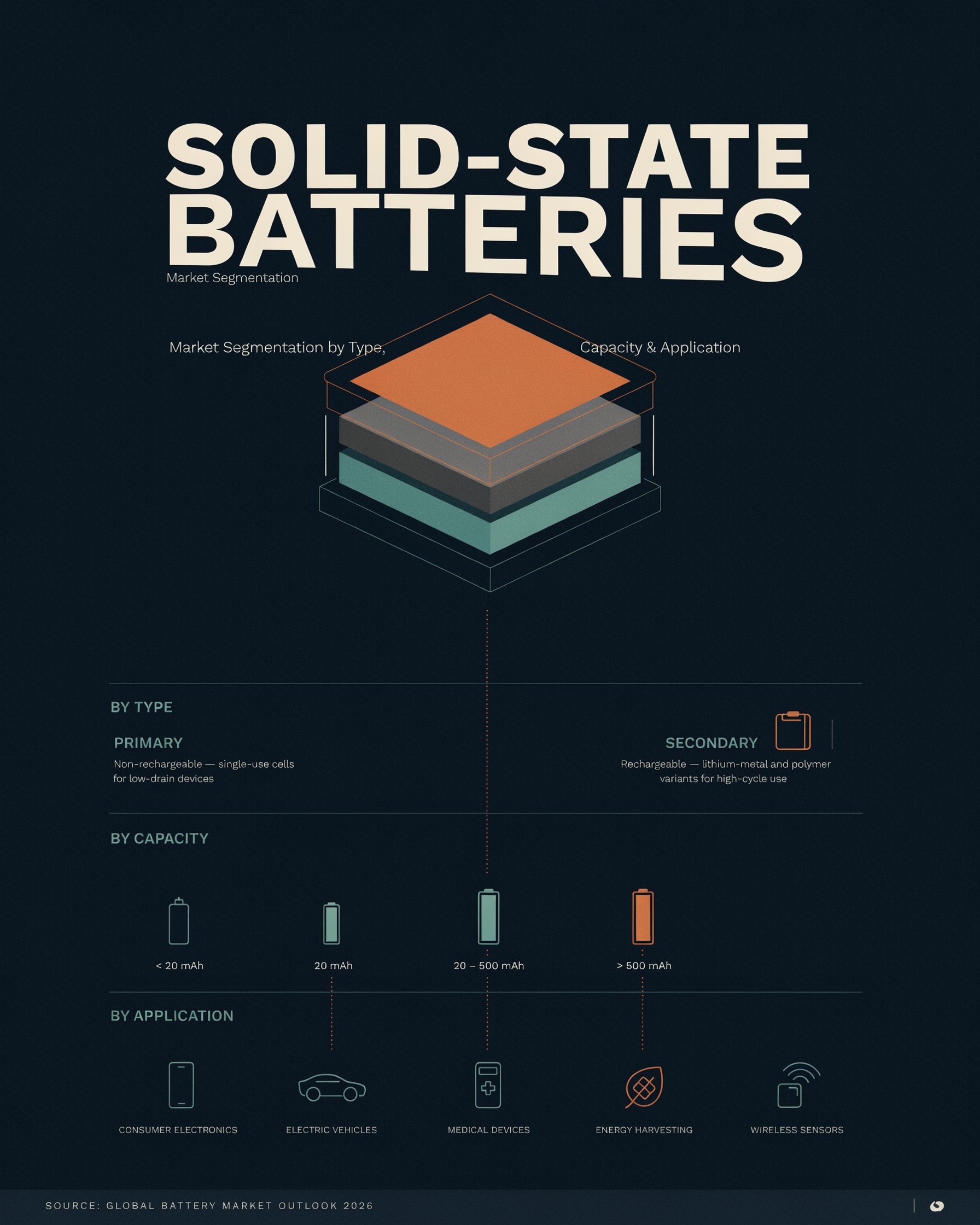
Opportunities in Industrial and Stationary Energy Storage
Industrial facilities increasingly rely on rechargeable batteries for equipment, automation systems, monitoring devices, and backup power applications. These systems require reliable energy storage to support operational continuity and reduce maintenance requirements.
Solid-state batteries may offer opportunities for selected industrial applications that require compact and dependable power solutions. Their potential use in stationary energy storage will depend on energy capacity, power output, cycle life, manufacturing cost, and operating conditions.
As renewable energy deployment expands, demand for rechargeable energy storage is also increasing. Battery technologies that can deliver dependable performance over extended operating periods may support applications involving electricity storage, energy management, and grid flexibility.
Supporting Connected Devices and Low-Power Electronics
The growth of the Internet of Things is increasing the deployment of wireless sensors, smart meters, wearable electronics, and connected infrastructure. Many of these devices require batteries that can operate for extended periods with minimal maintenance.
Rechargeable solid-state batteries may support compact electronic systems by providing energy storage within limited device dimensions. Their integration into selected sensor and wearable applications could help manufacturers develop smaller products and explore new power management approaches.
Long-life energy storage is particularly relevant for devices installed in remote locations or embedded within infrastructure, where battery replacement can be costly or inconvenient.
View detailed Table of Content here – https://www.marketsandmarkets.com/Market-Reports/solid-state-battery-market-164577856.html
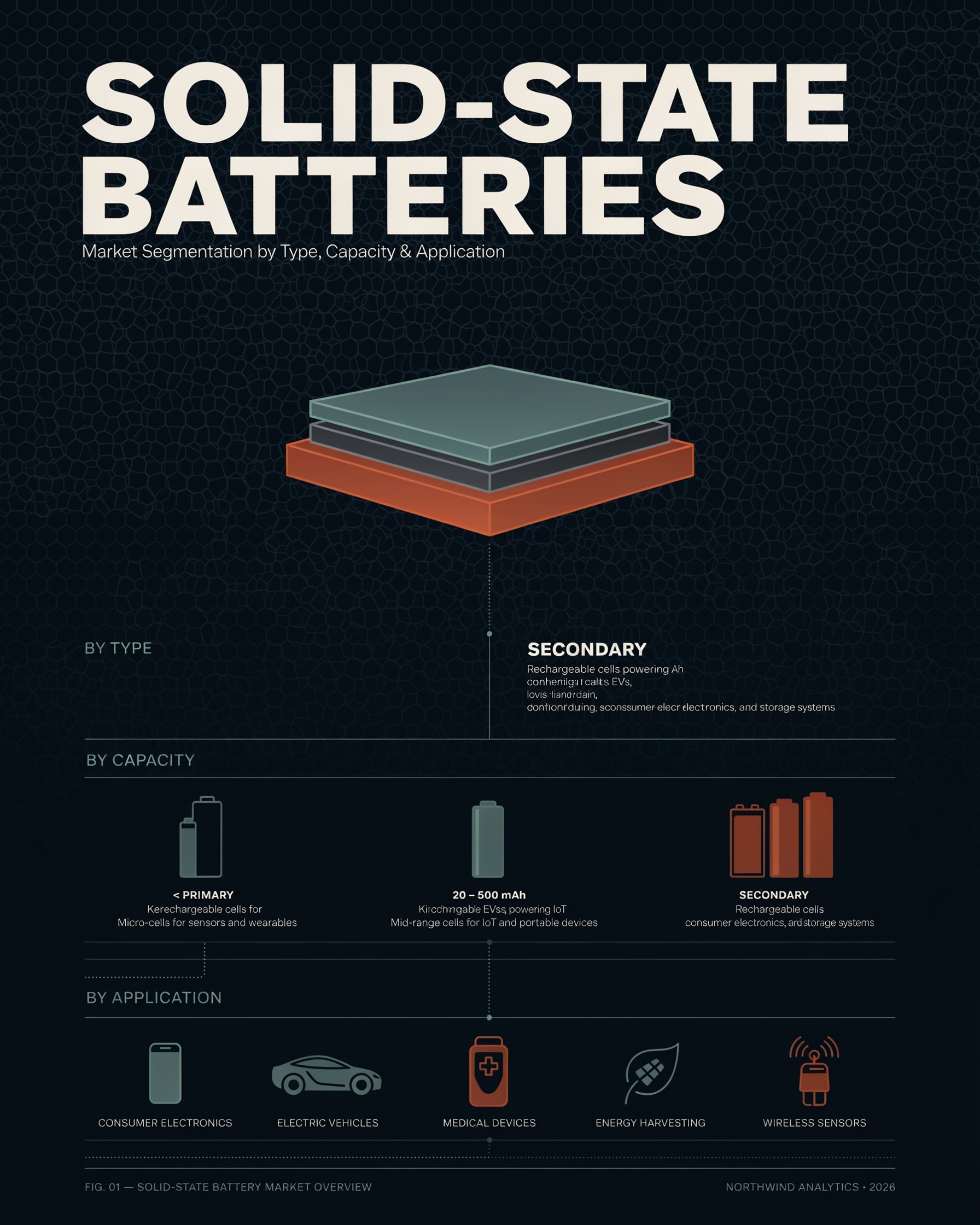
Technological Advancements in Battery Materials
The development of long-life solid-state batteries depends on advancements in solid electrolytes, electrode materials, and cell architecture. Researchers are exploring materials that can improve ion transport, reduce degradation, and support stable operation during repeated charging and discharging.
However, challenges such as interface instability, manufacturing consistency, and material degradation remain important considerations. Battery developers must balance energy density, cycle life, charging performance, and safety to meet the requirements of different applications.
Advancements in battery management systems and monitoring technologies can also contribute to effective battery operation by regulating charging and discharging conditions.
Future Outlook for Rechargeable Solid-State Batteries
The growing demand for long-life energy storage is creating opportunities for rechargeable solid-state battery technologies. Electric mobility, industrial applications, connected electronics, and stationary energy storage are expected to remain important areas of development.
Continued progress in materials science, manufacturing scalability, and battery integration could improve the commercial potential of solid-state batteries. However, widespread adoption will depend on cost competitiveness, demonstrated reliability, and application-specific performance.
Rechargeable solid-state batteries may contribute to the next generation of energy storage solutions by supporting compact designs and potentially improved long-term performance. As technological advancements continue, they could play an increasingly important role in applications requiring reliable and long-lasting rechargeable power.