
Digital Substation Automation is transforming how utilities and industrial facilities monitor, control, and protect electrical power networks. As electricity demand increases and power systems become more complex, traditional substations face challenges related to equipment reliability, operational visibility, maintenance costs, and response times. Modern substations integrate intelligent electronic devices, smart circuit breakers, digital protection relays, communication networks, and advanced monitoring systems to improve overall performance. These technologies enable operators to access real time equipment information and respond to electrical disturbances more effectively. By connecting critical substation components through digital communication systems, utilities can improve operational efficiency while maintaining reliable electricity distribution.
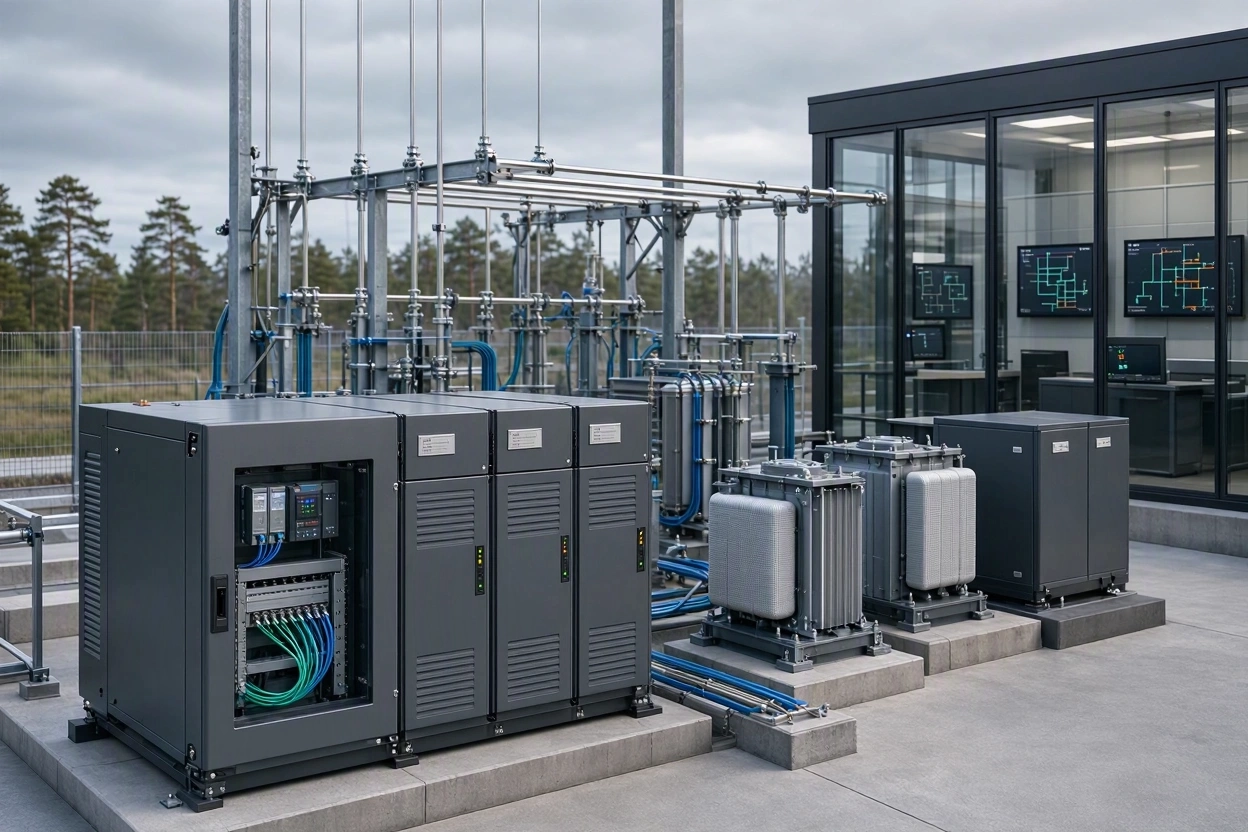
The growing adoption of renewable energy, electric vehicles, industrial electrification, and data center infrastructure is increasing the need for flexible and resilient power grids. Digital Substation Automation supports these requirements by improving coordination between protection devices, control systems, and monitoring platforms. Unlike conventional installations that rely heavily on hardwired connections and periodic manual inspections, digital substations can exchange operational data continuously. This improves fault visibility, simplifies troubleshooting, and helps maintenance teams identify potential equipment problems before they cause significant disruptions. Smart circuit breakers and advanced protection systems are particularly important because they enable faster fault isolation and more informed operational decisions.
According to Marketsandmarkets, the global digital substation market size is projected to grow from USD 15.62 billion in 2026 to USD 23.39 billion by 2032, growing at a CAGR of 7.0 from 2026 to 2032.
Download PDF Brochure @ https://www.marketsandmarkets.com/pdfdownloadNew.asp?id=43227003
Understanding Digital Substation Automation
Digital Substation Automation refers to the use of digital technologies to automate monitoring, protection, control, and communication within electrical substations. It combines intelligent electronic devices, sensors, protection relays, supervisory control systems, and standardized communication protocols to create a coordinated operating environment. These systems allow utilities to monitor electrical parameters, operate switching equipment remotely, and collect data from critical assets. Digital Substation Automation also improves information sharing between field equipment and control centers, helping operators understand changing network conditions without relying exclusively on manual inspections.
A typical digital substation includes protection and control devices, communication infrastructure, human machine interfaces, and connections to supervisory control and data acquisition systems. Intelligent electronic devices process measurements from current transformers, voltage transformers, and digital sensors to support protection and automation functions. Communication standards such as IEC 61850 allow compatible devices to exchange information using defined data models and messaging services. This architecture can reduce extensive copper wiring in appropriately designed installations and simplify the integration of new equipment. As a result, utilities gain better operational visibility, improved scalability, and more consistent control over their electrical infrastructure.
How Smart Circuit Breakers Improve Grid Performance
Smart circuit breakers are essential components of modern substation infrastructure because they can interrupt electrical current during abnormal operating conditions. Integrated with intelligent protection relays and monitoring devices, they help identify faults and isolate affected sections of a power network. Digital Substation Automation enables these breakers to exchange status information, receive authorized operating commands, and coordinate with other protection equipment. This integration helps reduce the time required to detect and respond to electrical disturbances. It also gives operators better visibility into breaker health, switching operations, and equipment availability.
Traditional circuit breakers generally depend on conventional control circuits and associated protection devices to perform their functions. Smart circuit breakers can provide richer diagnostic information, including operating status, trip indications, operation counts, and selected mechanical condition measurements where supported. These insights help maintenance teams identify abnormal behavior and investigate recurring faults more efficiently. Remote monitoring can also reduce unnecessary site visits and improve the speed of operational decision making. However, the actual capabilities depend on the breaker design, installed sensors, communication interfaces, and integration with the wider automation system.
Advanced Protection Systems Enable Faster Fault Detection
Protection systems safeguard electrical equipment against short circuits, overloads, earth faults, and other abnormal conditions. Digital protection relays analyze current and voltage measurements to determine whether an electrical disturbance requires a protective action. Digital Substation Automation connects these relays with circuit breakers and other control devices to coordinate the response across the installation. When a fault occurs, the relevant protection function can issue a trip command to disconnect the affected circuit. Properly configured protection reduces the likelihood of unnecessary outages and limits damage to transformers, cables, switchgear, and other expensive assets.
Modern protection systems can also support event recording, disturbance analysis, fault location functions, and detailed operating logs. These capabilities help engineers investigate why a protection operation occurred and determine whether corrective action is necessary. High speed communication between compatible devices can support coordinated protection schemes, including those using sampled measurement data or peer to peer messages. Digital Substation Automation improves access to this information by consolidating measurements and event records for engineering and operational teams. Effective protection still depends on correct relay settings, dependable communications, validated logic, and regular testing.
Key Technologies Driving Digital Substation Automation
Digital substations combine multiple technologies that work together to improve monitoring, control, and protection. Their effectiveness depends on how well the equipment, software, communication infrastructure, and operating procedures are integrated. Digital Substation Automation can be designed for new installations or introduced through carefully planned upgrades to existing substations. The following technologies play important roles in delivering these capabilities.
– Intelligent electronic devices: These devices perform protection, measurement, control, and monitoring functions while exchanging information with other substation equipment.
– IEC 61850 communication: This standard supports interoperability through defined data models and communication services for substation automation applications.
– Digital instrument transformers: Suitable digital measurement technologies provide current and voltage information to protection and control systems.
– Supervisory control and data acquisition systems: SCADA platforms allow operators to monitor equipment status, review alarms, and issue authorized remote commands.
– Condition monitoring sensors: Sensors can track selected equipment parameters, including temperature, operating mechanisms, and other indicators of asset condition.
– Engineering and asset management software: These applications help teams configure devices, analyze events, manage maintenance activities, and document system changes.
The integration of these technologies creates a more connected operational environment. Rather than examining separate equipment records manually, engineers can correlate alarms, electrical measurements, breaker operations, and protection events. Digital Substation Automation also helps standardize information exchange across compatible devices, although interoperability must be verified during design and commissioning. A well planned architecture makes it easier to expand monitoring capabilities, introduce new automation functions, and improve operational consistency. Utilities should assess compatibility, cybersecurity, communication performance, and lifecycle support before selecting technology platforms.
Improving Operational Efficiency Through Real Time Monitoring
Real time monitoring helps operators understand the condition of electrical equipment and identify changes that require attention. Digital Substation Automation provides access to selected measurements, equipment states, alarms, and event records through integrated monitoring interfaces. Operators can use this information to assess developing problems, prioritize field inspections, and coordinate switching activities. Better visibility can reduce the time spent collecting information from separate devices and help teams respond more quickly to operational incidents. The result is a more informed approach to managing substations and maintaining continuity of electrical service.
Remote operation is another important efficiency improvement, particularly for substations located in remote areas or supporting large industrial facilities. Authorized operators can perform supported switching operations from control centers, reducing the need for personnel to travel to a site for routine actions. Digital Substation Automation can also improve alarm management by presenting relevant information in a structured format and helping teams distinguish urgent events from routine status changes. Remote commands must remain subject to interlocks, operating procedures, access controls, and appropriate authorization. These safeguards help ensure that efficiency improvements do not compromise electrical safety or system reliability.
Predictive Maintenance Reduces Equipment Downtime
Conventional maintenance schedules often rely on fixed inspection intervals, equipment age, and manufacturer recommendations. Although these methods remain important, they may not identify every developing defect between inspections. Digital Substation Automation supports condition based maintenance by making relevant equipment information available for ongoing assessment. When suitable sensors and analytical tools are installed, maintenance teams can identify unusual temperature patterns, changes in operating behavior, or repeated protection events. This information helps engineers decide which assets require closer inspection and which maintenance tasks should receive priority.
Predictive maintenance does not mean that every failure can be forecast accurately. Its effectiveness depends on sensor quality, reliable historical data, suitable analytical models, and the ability to interpret findings correctly. Digital Substation Automation provides a foundation for combining operational records with maintenance histories and condition monitoring results. For example, repeated breaker operating anomalies may justify a detailed mechanical inspection before the next scheduled maintenance window. By targeting interventions according to asset condition, utilities can potentially reduce avoidable outages, improve maintenance planning, and make better use of technical resources.
Enhancing Grid Reliability and Power Quality
Reliable electricity supply depends on the ability to detect disturbances, isolate faults, and restore normal operating conditions safely. Digital Substation Automation improves coordination between monitoring, protection, and control functions, allowing operators to obtain information about changing network conditions more quickly. When supported by suitable protection schemes, automation logic, and network design, these capabilities can help limit the impact of faults on connected customers and industrial operations. Better event visibility also helps engineers identify recurring problems and implement corrective measures that strengthen long term reliability.
Power quality monitoring is another valuable capability in substations serving manufacturing plants, commercial buildings, and sensitive electrical loads. Depending on the installed measurement equipment, systems may record voltage variations, current behavior, frequency changes, harmonics, and other electrical parameters. Digital Substation Automation can make these measurements available for operational analysis and help teams investigate disturbances affecting connected equipment. Accurate monitoring is particularly useful when substations support renewable generation, variable industrial loads, or facilities with strict power quality requirements. Measurement coverage and reporting capabilities must be specified according to the application.
Supporting Renewable Energy and Modern Power Networks
The increasing integration of solar power, wind generation, battery storage, and distributed energy resources is changing how electrical networks operate. Power flows can vary according to weather conditions, generation availability, storage dispatch, and changing demand. Digital Substation Automation helps operators monitor these conditions and coordinate substation equipment with wider grid management systems. Faster access to measurements and alarms supports more informed decisions when operating networks with variable generation and increasingly dynamic loads.
Modern power networks also require stronger coordination between substations, distribution management platforms, and control centers. Standardized communications and consistent data models can simplify information exchange when devices and systems are compatible. Digital Substation Automation can support this integration by providing structured equipment data and operational events for wider analysis. However, automation alone cannot solve every challenge associated with renewable energy integration. Grid stability also depends on protection design, voltage regulation, forecasting, network capacity, and the capabilities of connected generation and storage systems.
Cybersecurity and Data Protection in Digital Substations
As substations become more connected, cybersecurity becomes an essential part of operational planning. Digital Substation Automation introduces communication links between intelligent electronic devices, engineering workstations, control systems, and external monitoring platforms. If these connections are inadequately protected, unauthorized access or malicious activity could affect equipment availability and operational safety. Utilities must therefore consider cybersecurity throughout system design, commissioning, maintenance, and future upgrades. Protecting digital infrastructure is just as important as maintaining the reliability of physical electrical equipment.
Effective cybersecurity measures include network segmentation, strong authentication, role based access control, secure remote access, system logging, and timely security updates. Digital Substation Automation deployments should also follow applicable operational technology security standards and organizational policies. IEC 62351 provides security measures for several power system communication protocols and related applications, while the IEC 62443 series addresses cybersecurity for industrial automation and control systems. Regular security assessments, configuration backups, incident response planning, and staff training further strengthen protection. These measures should be implemented without compromising the deterministic performance required by critical protection functions.
Implementation Challenges and Best Practices
Deploying digital automation requires careful coordination between electrical engineering, information technology, cybersecurity, and operations teams. Existing substations may contain equipment from different manufacturers, legacy communication protocols, and infrastructure that was not designed for extensive digital integration. Digital Substation Automation projects must address these constraints while preserving dependable protection and minimizing service interruptions. Capital expenditure, workforce training, system compatibility, and long term vendor support can also influence project timelines and overall costs. A phased implementation approach helps organizations manage these challenges while building internal expertise.
Successful implementation begins with a clear assessment of operational requirements, equipment condition, communication needs, and expected benefits. Organizations should define measurable objectives before selecting technologies or beginning installation. Digital Substation Automation should be tested thoroughly through engineering validation, factory acceptance testing, site acceptance testing, and commissioning activities appropriate to the project. Protection coordination, communication failure behavior, backup arrangements, and cybersecurity controls require particular attention. Ongoing performance reviews then help teams identify gaps and prioritize improvements.
Important implementation practices include:
– Assess existing infrastructure: Review installed breakers, protection relays, communication networks, and equipment condition before deciding which components require replacement or integration.
– Define interoperability requirements: Specify applicable standards, data models, communication performance, and interfaces between devices from different manufacturers.
– Establish cybersecurity controls: Apply access restrictions, network segmentation, secure configurations, and documented incident response procedures.
– Train operating personnel: Ensure engineers and operators understand digital interfaces, alarm interpretation, maintenance procedures, and safe remote operation.
– Measure performance: Track suitable indicators such as fault response time, equipment availability, maintenance workload, and outage duration.
These practices help align technical deployment with practical operational needs. Digital Substation Automation should be treated as a long term infrastructure program rather than a one time equipment installation. Clear ownership of system configuration, software updates, asset records, and cybersecurity responsibilities helps maintain dependable operation. Utilities should also establish procedures for testing changes before they affect live protection systems. With appropriate governance and lifecycle planning, digital capabilities can be expanded without losing control over system reliability and safety.
The Future of Digital Substation Automation
Emerging technologies are creating opportunities to improve substation intelligence and asset management. Artificial intelligence can support anomaly detection, equipment condition assessment, and analysis of large volumes of operational data when suitable training data and validation methods are available. Edge computing can process selected information near field equipment, reducing dependence on centralized processing for applications that benefit from local analysis. Digital Substation Automation can provide the connected data environment needed to support these capabilities, although the value of each application depends on the quality of implementation and its fit with operational requirements.
Digital twins may also help engineers examine equipment behavior, evaluate maintenance scenarios, and plan upgrades using digital representations of physical assets. Better integration with enterprise asset management and grid control platforms can improve coordination between engineering, maintenance, and operations teams. Future deployments are likely to place greater emphasis on interoperability, secure remote access, standardized architectures, and lifecycle management. As utilities modernize their infrastructure, digital substations can contribute to more flexible and resilient electricity networks when supported by robust engineering and appropriate operating practices.
Conclusion
Digital Substation Automation is an important enabler of modern power grid efficiency because it connects smart circuit breakers, protection relays, monitoring devices, and control platforms within a coordinated operating environment. These technologies improve fault visibility, support faster protective responses, enable remote monitoring, and help maintenance teams make better informed decisions. They also create opportunities for condition based maintenance, improved event analysis, and more effective integration of renewable energy resources. The greatest benefits emerge when digital systems are designed around clearly defined operational requirements rather than technology adoption alone.
For utilities and industrial operators, successful modernization requires investment in compatible equipment, dependable communications, cybersecurity, workforce skills, and lifecycle support. Digital Substation Automation cannot eliminate every outage or equipment failure, but it can provide better information and more effective tools for managing electrical infrastructure. As power networks become increasingly complex, integrating digital protection and intelligent switching technologies will remain an important strategy for improving operational performance, maintaining reliability, and supporting the changing demands of electricity distribution.
Frequently Asked Questions
1. What is Digital Substation Automation?
Digital Substation Automation uses intelligent electronic devices, digital protection relays, communication networks, and monitoring software to automate substation operations. It enables operators to monitor electrical equipment, manage switching operations, detect faults, and analyze operational events. The technology improves information availability and supports more efficient maintenance and control. Its effectiveness depends on proper system integration, protection design, and cybersecurity.
2. How do smart circuit breakers improve operational efficiency?
Smart circuit breakers support reliable fault interruption while providing equipment status and diagnostic information when these capabilities are available. Their integration with protection relays and automation systems helps operators identify faults and assess equipment conditions. Remote monitoring can reduce unnecessary site visits and improve maintenance planning. These benefits can contribute to better equipment availability and more efficient operations.
3. What role do protection relays play in digital substations?
Protection relays analyze electrical measurements to detect abnormal conditions such as short circuits and earth faults. When configured protection criteria are satisfied, they initiate appropriate protective actions, including commands to trip circuit breakers. Digital communication enables compatible relays to exchange information and support coordinated protection schemes. Correct settings, regular testing, and reliable communication remain essential for dependable operation.
4. How does Digital Substation Automation support predictive maintenance?
Digital Substation Automation makes equipment measurements, alarms, operating records, and condition monitoring information available for maintenance analysis. Engineers can use these data to identify abnormal behavior and prioritize inspections. Predictive maintenance tools may help identify developing problems before they cause unexpected failures. Results depend on data quality, suitable analytical methods, and appropriate engineering validation.
5. What is the role of IEC 61850 in digital substation systems?
IEC 61850 is an international standard for communication networks and systems used in power utility automation. It defines data models and communication services that support information exchange between compatible substation devices. Its use can simplify integration and reduce dependence on proprietary communication arrangements. Successful interoperability still requires careful engineering, configuration, and testing.
6. Can existing substations be upgraded with digital automation?
Yes, many existing substations can be modernized through phased upgrades to protection relays, communication networks, monitoring equipment, and control systems. The upgrade strategy depends on equipment age, compatibility, available space, operational requirements, and budget. A detailed assessment helps determine which assets can be retained and which need replacement. Careful commissioning and testing help maintain safety and service continuity.
7. How does Digital Substation Automation improve grid reliability?
Digital Substation Automation improves operational visibility and helps coordinate protection, monitoring, and switching functions. Faster access to fault information can support effective isolation of affected circuits and help operators investigate disturbances. Condition monitoring can also support maintenance planning and reduce some risks associated with unexpected equipment failures. Overall reliability depends on sound electrical design, protection coordination, and dependable communications.
8. What are the main cybersecurity risks in digital substations?
Important risks include unauthorized access, compromised engineering workstations, insecure remote connections, and malicious changes to system configurations. These threats can affect equipment monitoring, operational availability, and potentially critical control functions. Network segmentation, strong authentication, access restrictions, security monitoring, and tested recovery procedures help reduce exposure. Cybersecurity measures should be designed specifically for operational technology requirements.
9. Which industries benefit from digital substation technology?
Electric utilities, renewable energy operators, manufacturing facilities, mining companies, transportation networks, and large commercial infrastructure can benefit from digital substations. These organizations often require dependable electricity, effective fault management, and improved visibility into electrical assets. Digital automation can support remote operations and condition based maintenance across geographically distributed installations. The expected benefits depend on the site’s electrical requirements and existing infrastructure.
10. What is the future of Digital Substation Automation?
The future of Digital Substation Automation is likely to involve greater use of advanced analytics, artificial intelligence, digital twins, and integrated asset management platforms. These technologies can help engineers interpret equipment data, investigate abnormal operating conditions, and improve maintenance decisions. Stronger cybersecurity and interoperability will remain essential as digital connectivity expands. Continued modernization can support more flexible, efficient, and resilient power networks.