
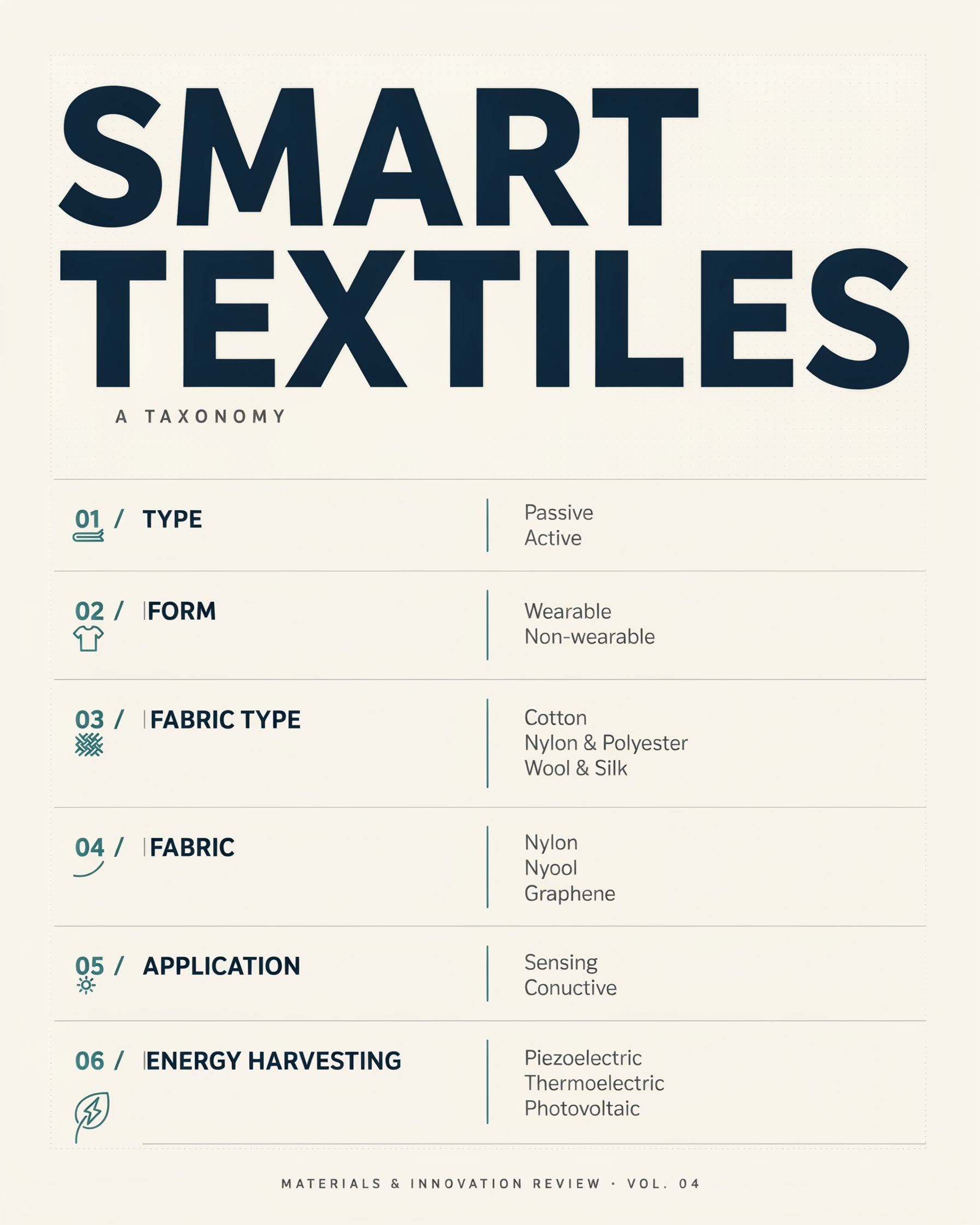
Growing Adoption of Smart Textiles in Healthcare
Healthcare applications are creating significant opportunities in the Smart Textiles Market as medical providers, researchers, and technology companies increasingly explore intelligent fabrics for patient monitoring, rehabilitation, and personalized care. Smart textiles incorporate sensing elements, conductive fibers, flexible electronics, and specialized materials into fabrics, enabling garments and textile products to collect information about physiological conditions or support specific healthcare functions. These innovations are expanding the role of textiles beyond conventional clothing and medical fabrics toward connected healthcare solutions.
The growing emphasis on remote patient monitoring, preventive healthcare, aging populations, and technology enabled treatment is encouraging the development of textile based medical products. Conventional monitoring systems often rely on separate devices, electrodes, or equipment that may restrict movement or require frequent adjustment. Smart textile solutions can integrate selected sensing functions into garments, allowing patients to move more comfortably while supporting continuous or repeated data collection, depending on the technology and application.
For manufacturers, healthcare represents an important opportunity to develop specialized products that combine textile engineering with medical technology. Smart garments, sensor integrated compression products, and intelligent wound care materials are among the solutions attracting interest across healthcare and research environments.
Download PDF Brochure @ https://www.marketsandmarkets.com/pdfdownloadNew.asp?id=13764132
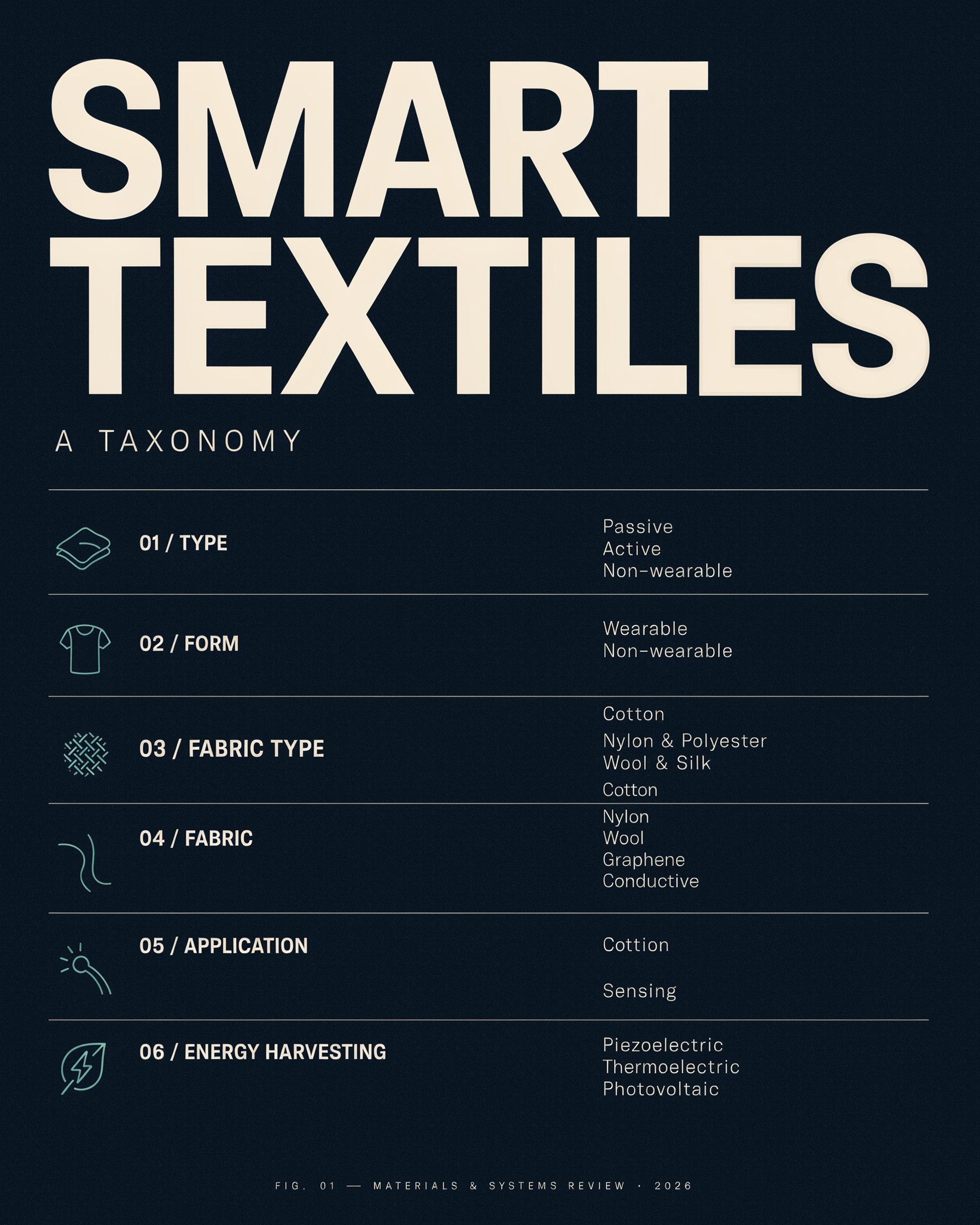
Remote Patient Monitoring and Connected Healthcare
Remote patient monitoring is a major application area for healthcare smart textiles. Sensor integrated garments can measure selected physiological parameters, including heart rate, respiration, body temperature, and movement. When connected to compatible monitoring systems, these measurements can help healthcare professionals observe patient trends outside traditional clinical settings.
Smart clothing may be particularly useful for supporting the monitoring of individuals who require ongoing observation or assistance with managing long term health conditions. Older adults and patients recovering at home may benefit from wearable textile solutions designed to collect relevant information without requiring frequent interaction with conventional monitoring equipment. Connected systems can transmit measurements to healthcare platforms, where authorized professionals can review the information and determine whether further assessment is necessary.
These applications can complement telehealth services and help improve visibility into patients’ daily health patterns. However, smart textiles do not replace clinical examinations or validated diagnostic equipment. Their usefulness depends on measurement accuracy, appropriate clinical validation, reliable connectivity, and integration into established care processes.
Smart Textiles for Rehabilitation and Physical Therapy
Rehabilitation is another promising area for smart textile adoption. Patients recovering from surgery, neurological conditions, or musculoskeletal injuries may require regular movement assessment and structured physical therapy. Garments equipped with motion sensors or flexible strain sensors can capture body position, joint movement, posture, and changes in activity, depending on their design.
This information can help therapists assess exercise execution and monitor progress between appointments. Connected rehabilitation garments may also provide feedback that encourages patients to perform prescribed movements more consistently. When integrated with digital rehabilitation platforms, textile based monitoring can support personalized exercise programs and help healthcare professionals evaluate changes over time.
Smart compression garments may offer additional functionality by combining conventional support with sensing capabilities. Depending on their construction, these products can be designed to monitor movement or selected physiological signals during recovery. Continued research into flexible sensors and fabric structures is helping manufacturers develop solutions that prioritize comfort, flexibility, and ease of use.
Inquiry Before Buying @ https://www.marketsandmarkets.com/Enquiry_Before_BuyingNew.asp?id=13764132
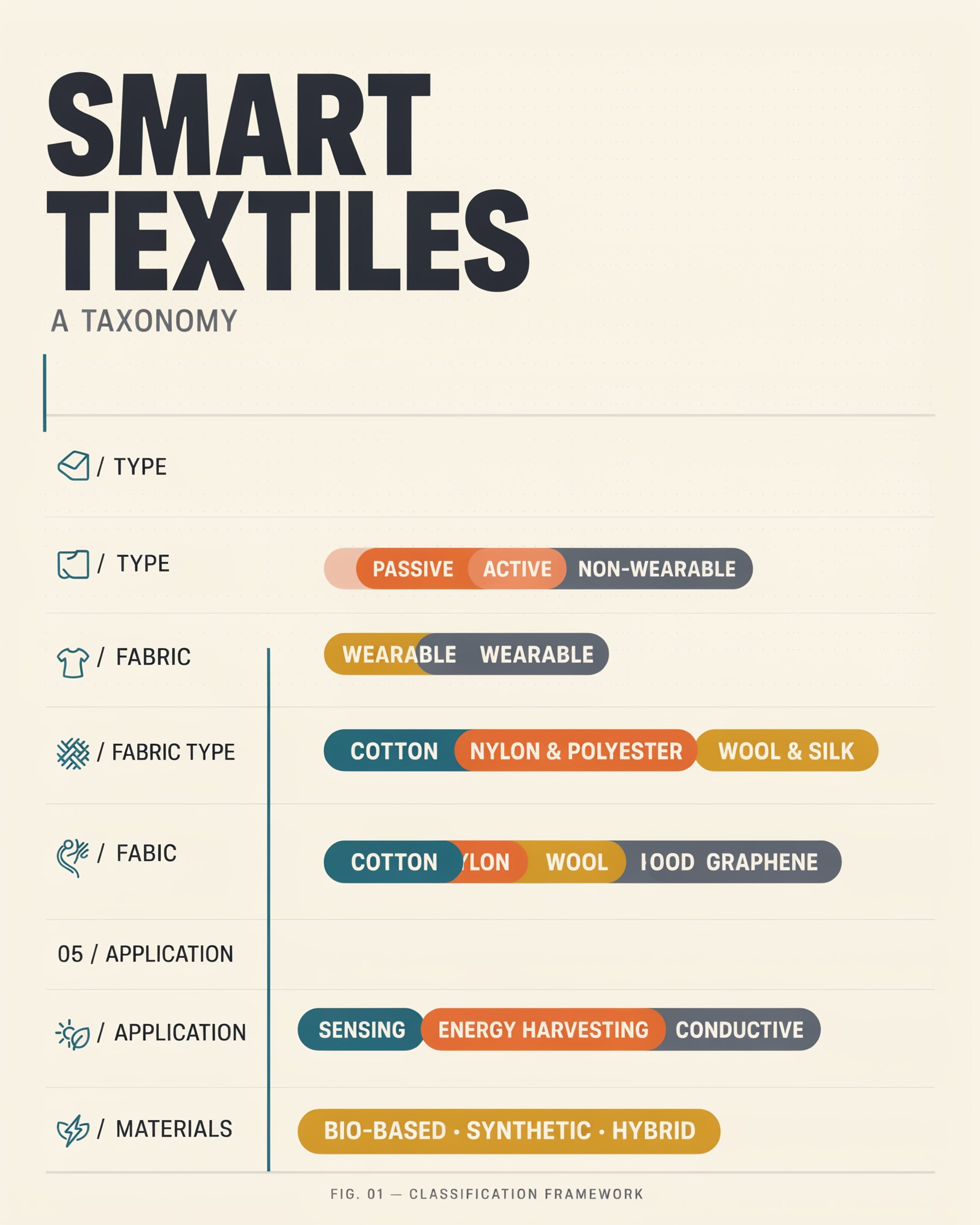
Wound Care and Intelligent Medical Textiles
Advanced wound care is creating opportunities for smart textiles that respond to changes in the wound environment or support better monitoring. Researchers are exploring textile materials that incorporate sensors capable of detecting selected indicators, such as temperature, moisture, or pH changes. These measurements may help clinicians assess wound conditions and identify changes that warrant closer attention.
Intelligent dressings could eventually support more informed wound management by reducing the need to remove dressings solely to inspect certain conditions. However, clinical effectiveness depends on the reliability of the sensing technology, compatibility with wound care materials, and evidence demonstrating meaningful benefits for patients.
Smart textiles are also being investigated for pressure injury prevention, particularly among individuals with limited mobility. Sensor enabled fabrics may help identify pressure distribution or prolonged loading in selected applications. Such systems could support caregivers in adjusting patient positioning and improving monitoring practices when appropriately validated.
Technological Advancements and Market Opportunities
Advances in conductive fibers, flexible electronics, biocompatible materials, miniaturized sensors, and wireless connectivity are strengthening the potential of healthcare smart textiles. Manufacturers are working to improve sensor accuracy, garment durability, washability, and comfort while reducing the complexity of integrating electronic components into fabrics.
Artificial intelligence can further enhance these products by helping analyze collected data and identify patterns that may require professional review. Partnerships among textile manufacturers, healthcare providers, medical device companies, and software developers are important for translating research into practical commercial solutions.
Nevertheless, companies must address significant challenges, including production costs, data privacy, cybersecurity, interoperability, and regulatory requirements. Medical applications may require clinical evidence and compliance with applicable medical device regulations. Protecting sensitive patient information and ensuring reliable performance are essential to building trust among healthcare professionals and users.
View detailed Table of Content here – https://www.marketsandmarkets.com/Market-Reports/smart-textiles-market-13764132.html
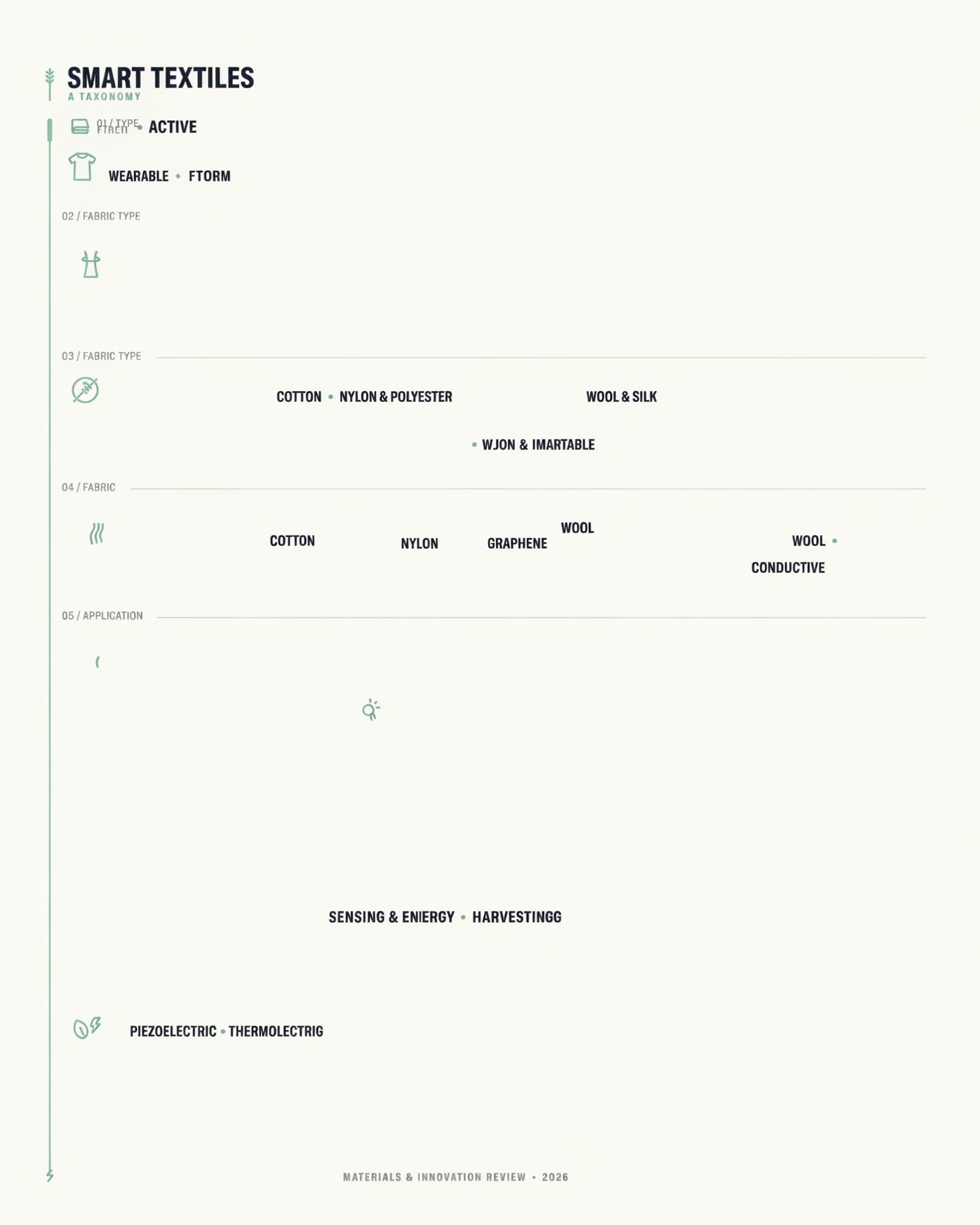
Future Outlook for Healthcare Smart Textiles
Healthcare applications are expanding the potential of the Smart Textiles Industry by creating demand for intelligent garments and textile based monitoring solutions. As remote care, rehabilitation technology, and personalized healthcare continue to develop, manufacturers have opportunities to deliver products that combine comfort with clinically relevant functionality.
Future growth will depend on advances in material science, sensor reliability, clinical validation, and integration with healthcare systems. Companies that prioritize patient safety, usability, affordability, and secure data management will be better positioned to address emerging needs. Through continued innovation and collaboration, smart textiles can contribute to more connected healthcare services and new approaches to patient monitoring and rehabilitation.