

The Power Electronics Market is gaining new growth opportunities from the increasing adoption of high-efficiency onboard chargers in electric and hybrid vehicles. Onboard chargers are essential components of electric vehicle charging systems because they convert alternating current from an external power source into direct current suitable for battery charging. As automotive manufacturers focus on improving charging efficiency, reducing energy losses, and optimizing vehicle performance, demand for advanced power conversion technologies is increasing. Developments in semiconductor materials, digital control systems, thermal management, and compact circuit architectures are further supporting innovation in onboard charging solutions.
Rising Adoption of Electric Vehicles
The expansion of battery electric vehicles and plug-in hybrid electric vehicles is a major factor driving demand for onboard chargers. These vehicles require reliable charging systems that can transfer electrical energy from residential outlets, workplace charging stations, and public AC charging infrastructure into their battery packs.
As automakers introduce new electrified models across passenger cars, commercial vehicles, and fleet applications, onboard charger requirements are becoming more diverse. Manufacturers are seeking charging systems that provide high efficiency, compact dimensions, and compatibility with different power levels. This growing demand is creating opportunities for power semiconductor suppliers, electronic component manufacturers, and automotive system integrators.
Download PDF Brochure @ https://www.marketsandmarkets.com/pdfdownloadNew.asp?id=204729766
Demand for Higher Charging Efficiency
Charging efficiency is an important consideration for electric vehicle manufacturers and users. Energy losses during power conversion can increase electricity consumption and generate additional heat within the charging system. High-efficiency onboard chargers help reduce these losses by optimizing switching behavior, circuit design, and power management.
Improved efficiency can also reduce cooling requirements and support more compact system configurations. For vehicle owners, efficient charging helps ensure that a greater proportion of electricity drawn from the charging source reaches the battery. As electric vehicle adoption expands, these advantages are encouraging investment in advanced power electronics architectures.
Advanced Power Semiconductor Technologies
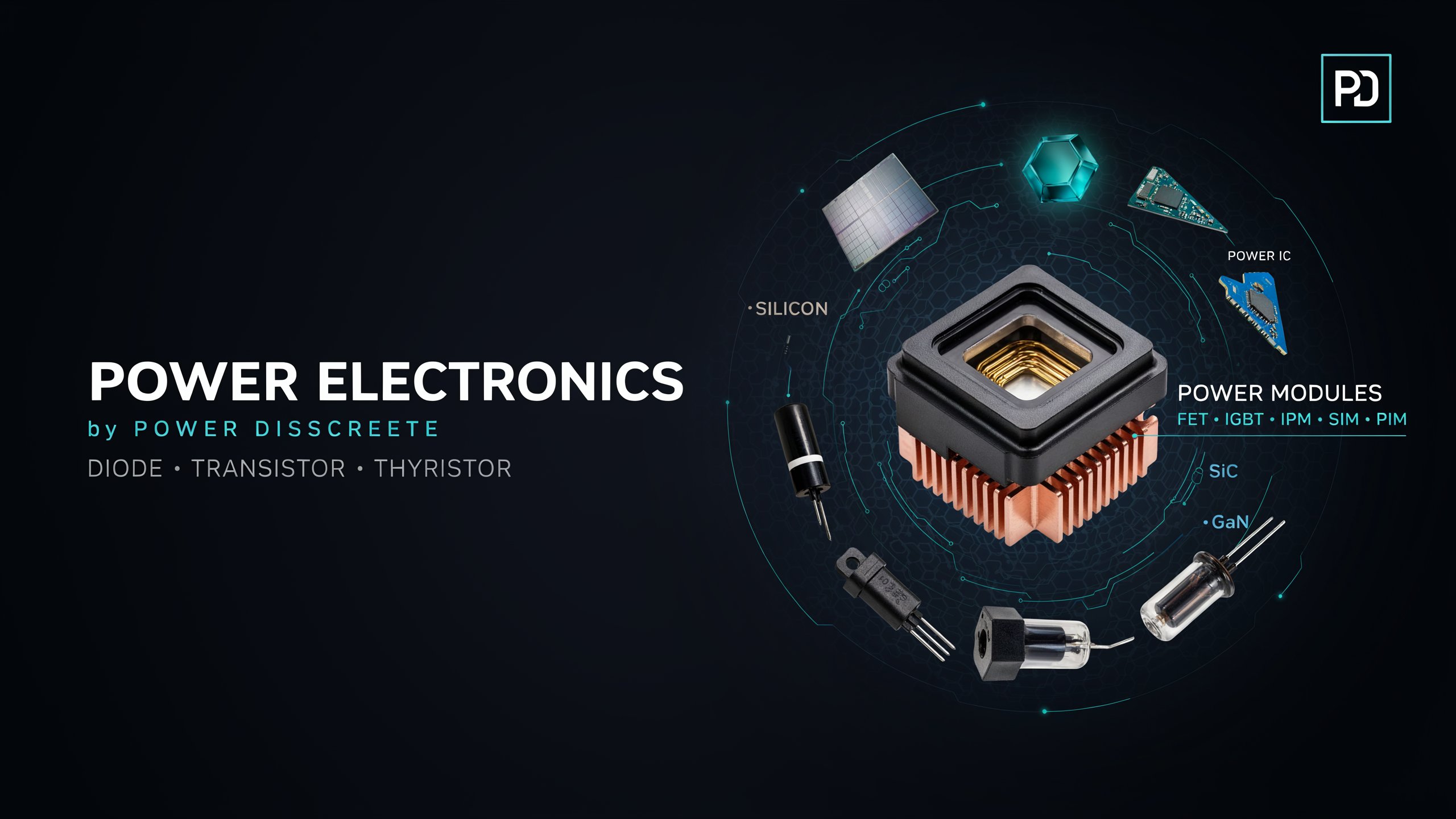
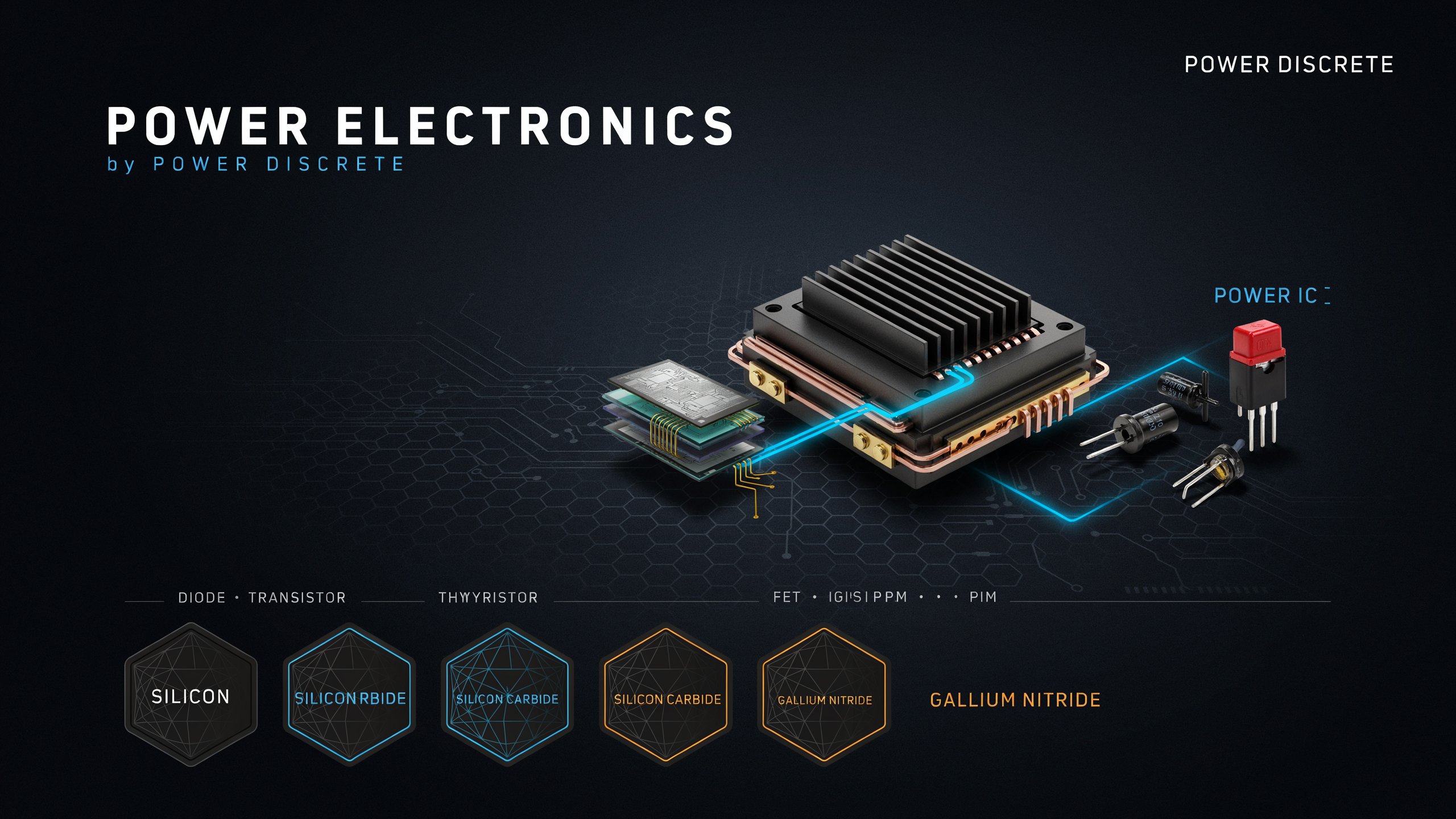
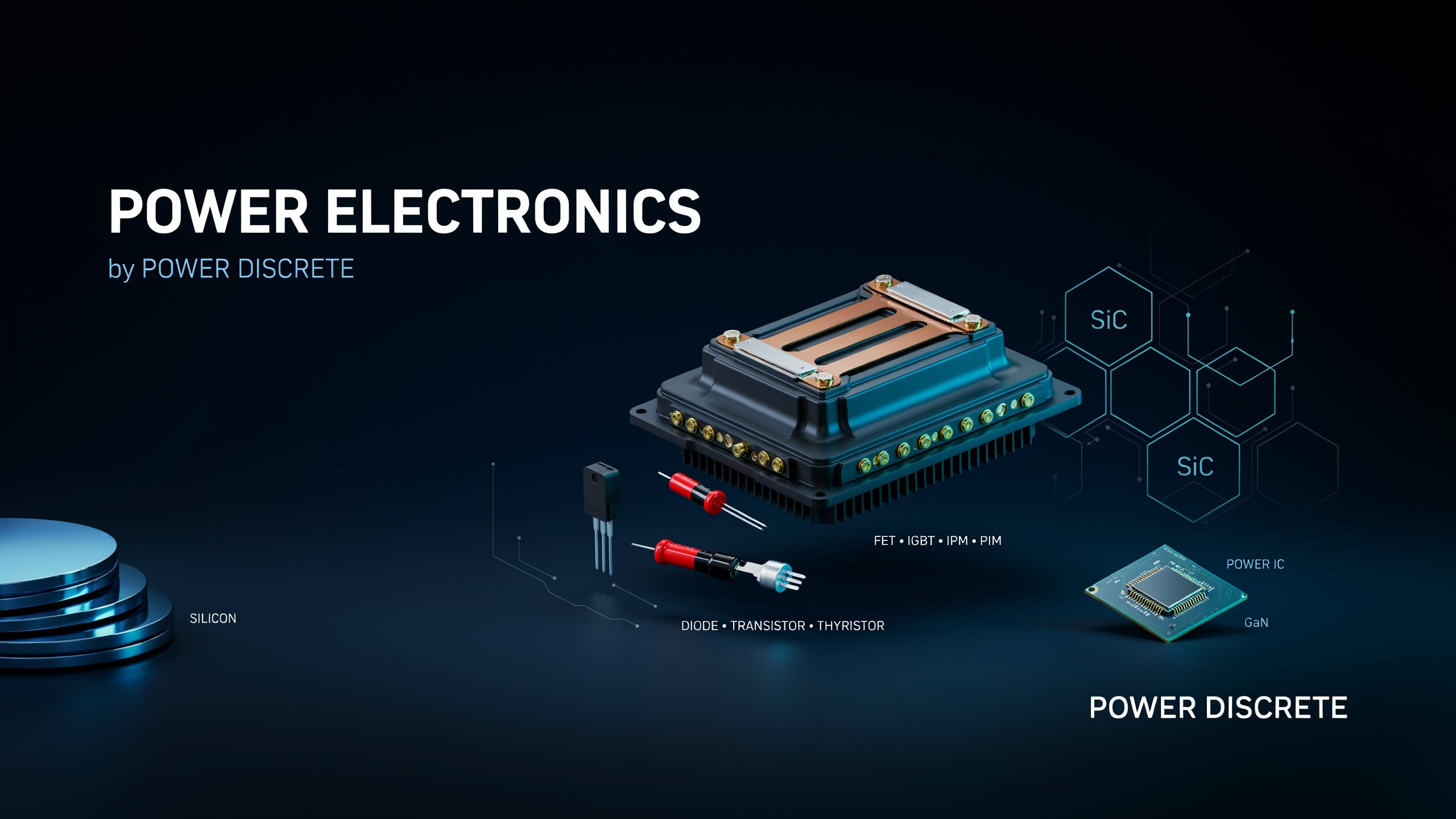
Advances in semiconductor technology are contributing to the development of high-efficiency onboard chargers. Silicon carbide and gallium nitride devices offer potential advantages over conventional silicon components in selected power conversion applications.
Silicon carbide semiconductors can support high-voltage operation, efficient switching, and improved thermal performance, making them suitable for many automotive charging architectures. Gallium nitride devices can enable high switching frequencies and compact circuit designs in appropriate applications. These technologies can help reduce conversion losses and component size, although adoption depends on cost, reliability, manufacturing capacity, and specific charger requirements.
Inquiry Before Buying @ https://www.marketsandmarkets.com/Enquiry_Before_BuyingNew.asp?id=204729766
Compact and Lightweight Charger Designs
Automotive manufacturers are seeking to reduce vehicle weight and optimize the use of available space. Onboard chargers must fit within increasingly complex vehicle platforms alongside battery systems, inverters, DC-DC converters, and other electronic components.
Power electronics suppliers are responding with higher power density, integrated components, and advanced packaging techniques. Compact charger designs can simplify vehicle integration and help reduce the space required for charging equipment. Lightweight and efficient architectures are particularly valuable in electric vehicles, where overall vehicle weight can influence driving range and energy consumption.
Bidirectional Charging Capabilities
Bidirectional onboard chargers are creating additional opportunities in the Power Electronics Market. Unlike conventional chargers that transfer energy primarily from the grid to the vehicle battery, bidirectional systems can also support electricity flowing from the vehicle back to an external load or compatible electrical network.
Vehicle-to-load and vehicle-to-home applications can allow electric vehicles to supply power to selected equipment or household systems. Vehicle-to-grid applications may enable participating vehicles to support grid flexibility where suitable infrastructure, standards, and utility arrangements are available. These capabilities require advanced power conversion, control, protection, and communication technologies, increasing the importance of sophisticated onboard charging systems.
View detailed Table of Content here – https://www.marketsandmarkets.com/Market-Reports/power-electronics-market-204729766.html
Digital Control and Smart Charging
Digital control technologies are improving onboard charger performance by monitoring voltage, current, temperature, and operating conditions in real time. Electronic controllers can adjust switching patterns and charging parameters to maintain efficient operation while respecting battery and system limits.
Smart charging capabilities can also support communication between vehicles and charging equipment. This enables charging behavior to respond to factors such as available power, battery requirements, and charging schedules. As connected vehicle architectures become more common, demand for onboard chargers with advanced monitoring, communication, and diagnostic functions is expected to increase.
Thermal Management and System Reliability
Thermal management is essential for high-efficiency onboard chargers because power conversion generates heat during operation. Excessive temperatures can reduce efficiency, affect component reliability, and limit charging performance.
Manufacturers are investing in improved cooling systems, thermal interface materials, optimized component layouts, and advanced packaging. Effective thermal management can support higher power density while helping maintain stable operation under different environmental conditions. Reliability is particularly important for automotive applications, where charging systems must withstand vibration, temperature variations, and repeated charging cycles.
Future Market Outlook
The Power Electronics Industry is expected to benefit from growing demand for high-efficiency onboard chargers as electric and plug-in hybrid vehicle production expands. Advances in wide-bandgap semiconductors, compact power conversion architectures, bidirectional charging, digital controls, and thermal management are expected to influence future product development.
As automakers prioritize charging efficiency, vehicle integration, energy optimization, and connected functionality, onboard chargers will remain an important part of electrified vehicle architecture. Continued innovation in power electronics will create opportunities for component suppliers and automotive technology providers while supporting the development of more efficient and reliable electric mobility systems.