
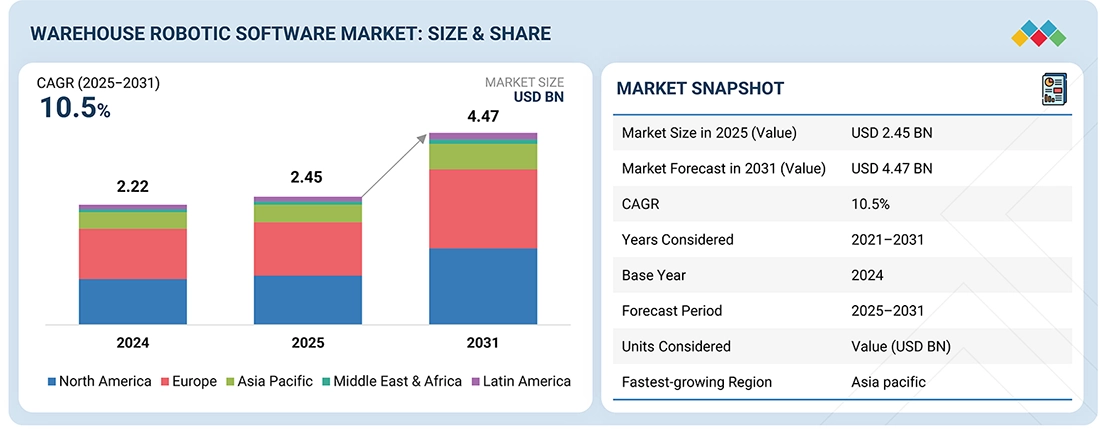
The Warehouse Robotics Software Market is gaining new opportunities from the growing adoption of intelligent warehouse slotting technologies. As distribution centers manage larger product portfolios, faster order cycles, and increasingly complex inventory flows, efficient placement of products has become essential for maintaining productivity. Intelligent warehouse slotting uses data analytics, artificial intelligence, warehouse management systems, and robotics software to determine where products should be stored based on demand, dimensions, weight, handling requirements, and order frequency. This approach can improve picking efficiency, reduce travel distances, and enhance the utilization of automated warehouse equipment.
Growing Need for Efficient Warehouse Slotting
Traditional warehouse slotting often relies on fixed storage assignments and periodic manual reviews. However, product demand can change rapidly due to seasonal trends, promotions, new product introductions, and changing customer preferences. Static slotting strategies can therefore result in inefficient inventory placement and unnecessary movement.
Warehouse robotics software can support dynamic slotting by continuously analyzing operational data and recommending adjustments to inventory locations. Products with high picking frequency can be positioned closer to automated picking stations, while slower-moving products can be assigned to less accessible storage areas.
Download PDF Brochure @ https://www.marketsandmarkets.com/pdfdownloadNew.asp?id=86640666
Artificial Intelligence for Dynamic Product Placement
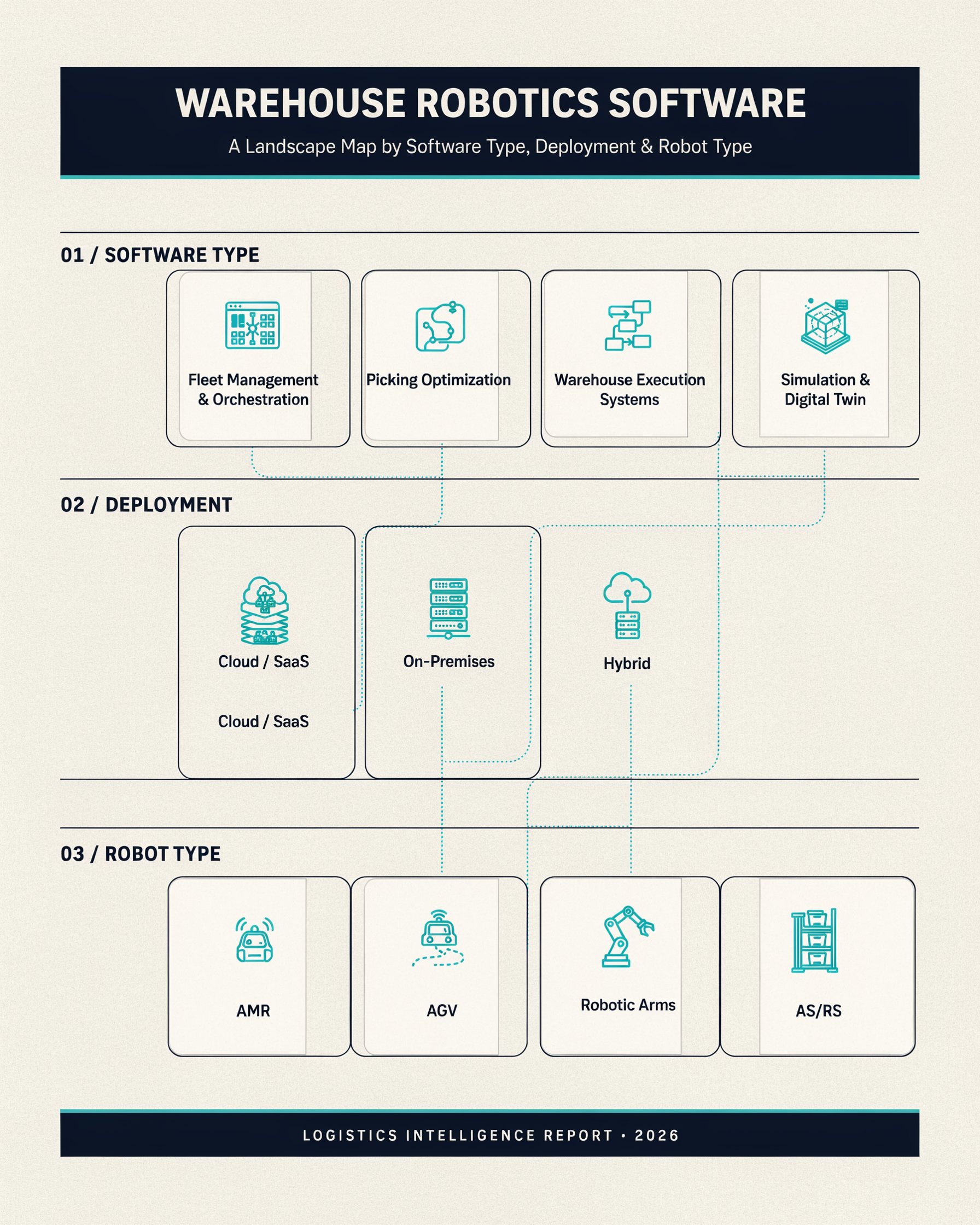
Artificial intelligence is becoming an important technology for intelligent warehouse slotting. AI algorithms can analyze historical order data, product velocity, seasonal demand, inventory levels, and warehouse traffic patterns to identify optimal storage locations.
When demand changes, the software can recommend relocating products to improve fulfillment efficiency. Robotics systems can then execute these movements automatically through autonomous mobile robots or automated storage and retrieval systems.
This creates a more adaptive warehouse environment in which inventory placement responds continuously to operational requirements.
Integration with Warehouse Management Systems
Integration with warehouse management systems is essential for effective intelligent slotting. Warehouse management platforms contain important information about inventory quantities, product locations, order histories, and fulfillment priorities.
Robotics software can combine this information with real-time robot utilization, travel distances, congestion, and picking performance data. This integrated approach enables warehouse operators to make more informed slotting decisions while coordinating physical inventory movements.
Real-time data synchronization can also reduce errors associated with outdated inventory location information.
Inquiry Before Buying @ https://www.marketsandmarkets.com/Enquiry_Before_BuyingNew.asp?id=86640666
Optimizing Robotic Picking Operations
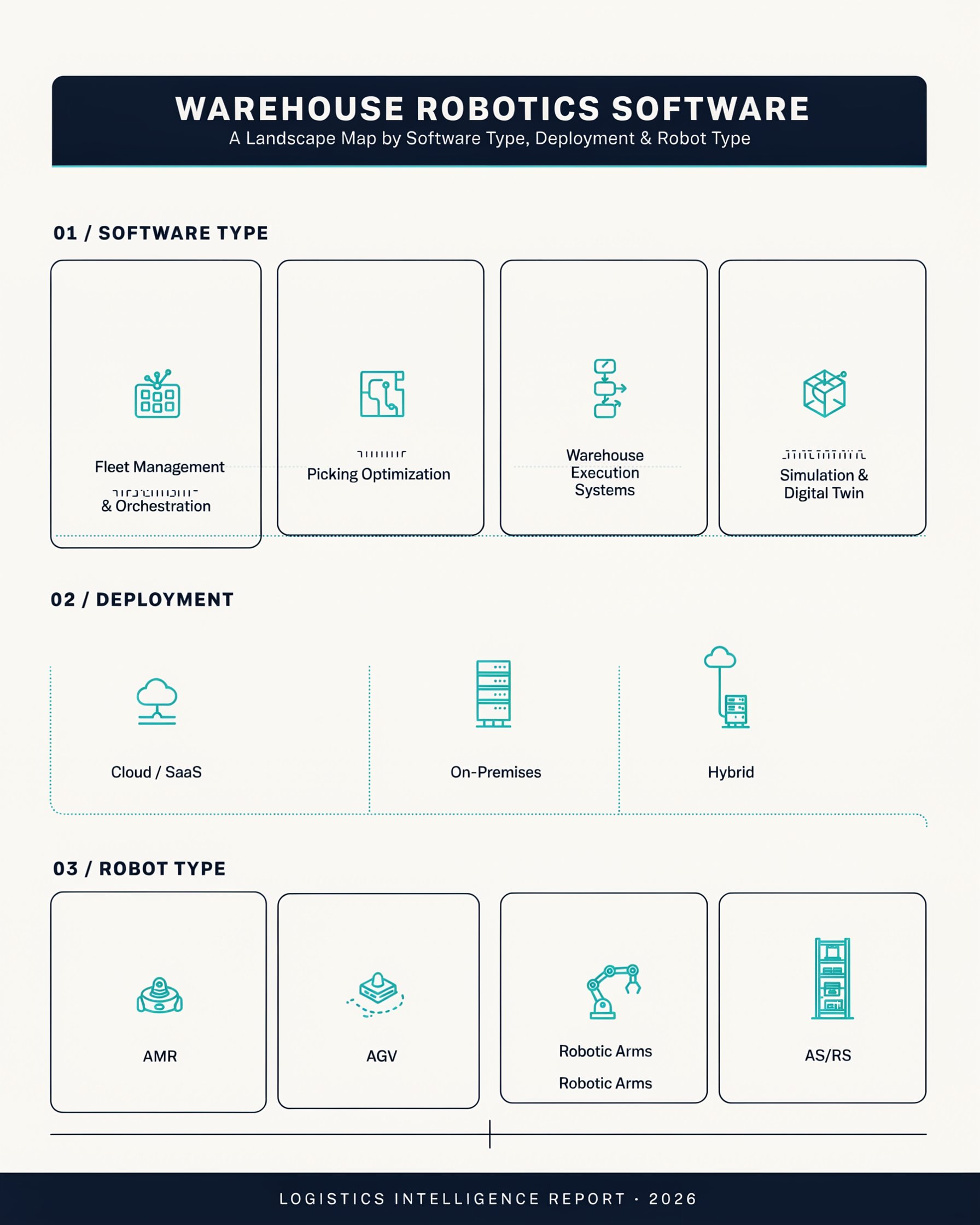
Intelligent slotting can significantly improve robotic picking efficiency. When frequently ordered products are placed in optimized locations, robots can travel shorter distances and complete more tasks within the same operating period.
Warehouse robotics software can consider the interaction between product location and robotic movement when developing slotting recommendations. This can help minimize unnecessary travel, reduce congestion, and improve the utilization of robotic picking equipment.
In high-volume fulfillment centers, even small reductions in average travel distance can create meaningful productivity improvements.
Supporting Autonomous Mobile Robots
Autonomous mobile robots are increasingly used to transport products and containers throughout warehouses. Intelligent slotting can help these robots operate more efficiently by reducing travel requirements and balancing inventory distribution across warehouse zones.
Robotics software can analyze robot traffic patterns and identify locations where excessive movement or congestion occurs. Slotting recommendations can then be adjusted to improve the overall flow of automated transportation.
This coordination between inventory placement and robotic fleet management can create more efficient fulfillment operations.
Improving Storage Space Utilization
Warehouse slotting is not limited to improving picking speed. It can also help optimize storage capacity. Intelligent software can analyze product dimensions, packaging characteristics, weight, stacking requirements, and storage equipment availability.
Products can be assigned to storage locations that make better use of available vertical and horizontal space. This can support higher storage density while maintaining accessibility for automated retrieval systems.
Improved space utilization can become particularly valuable as warehouse operators seek to expand capacity without significantly increasing facility size.
View detailed Table of Content here – https://www.marketsandmarkets.com/Market-Reports/warehouse-robotics-software-market-86640666.html
E-Commerce and Omnichannel Fulfillment
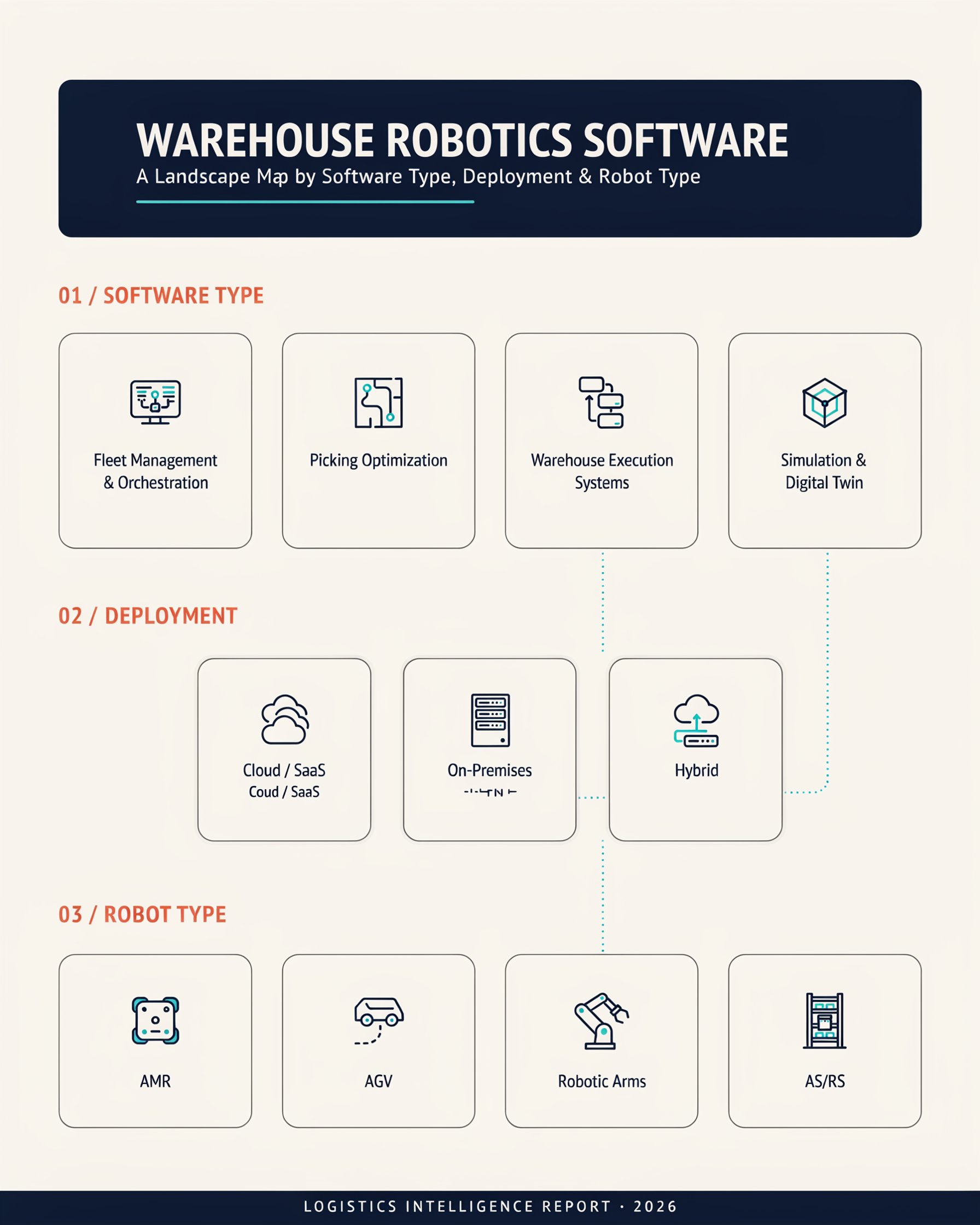
The growth of e-commerce and omnichannel retail is increasing demand for intelligent slotting solutions. Online fulfillment centers often manage large numbers of stock keeping units with highly variable demand patterns.
Intelligent slotting can help prioritize fast-moving products and dynamically adjust inventory locations according to customer order trends. This can support faster picking, packing, and shipping while improving responsiveness during seasonal demand peaks.
Future Market Outlook
The Warehouse Robotics Software Industry is expected to benefit from increasing adoption of intelligent warehouse slotting as operators seek to improve throughput, storage efficiency, and robotic productivity. AI-driven product placement, real-time inventory analytics, autonomous mobile robots, automated storage and retrieval systems, and warehouse management integration will remain important areas of development.
Future slotting systems are likely to become increasingly predictive and autonomous. By continuously analyzing demand patterns, inventory movements, robot traffic, and warehouse capacity, robotics software can recommend and execute product relocations with limited manual intervention. The convergence of artificial intelligence, digital twins, computer vision, IoT sensors, and robotic fleet management is expected to strengthen intelligent warehouse slotting and support more flexible, efficient, and data-driven fulfillment operations.