
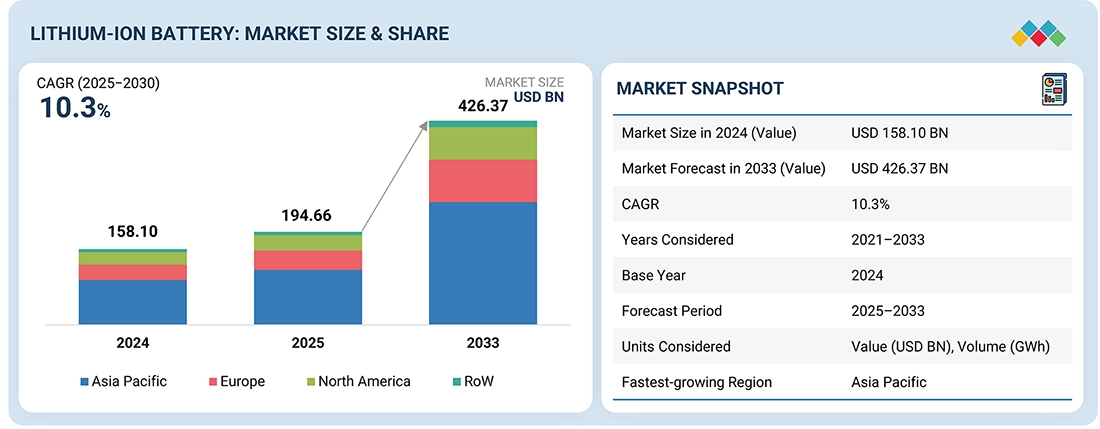
The Lithium-ion Battery Market is evolving rapidly as manufacturers optimize battery systems according to capacity requirements, application needs, space constraints, performance expectations, and cost considerations. Battery capacity and cell format are closely connected factors influencing the design of lithium-ion battery packs across electric vehicles, consumer electronics, energy storage systems, industrial equipment, and portable devices. Cylindrical, prismatic, and pouch cells offer different combinations of energy density, packaging efficiency, thermal management, manufacturing scalability, and mechanical characteristics. At the same time, increasing demand for higher-capacity batteries is encouraging innovation in cell chemistry, pack architecture, charging systems, and battery management technologies.
Battery Capacity and Application Requirements
Battery capacity is a key consideration in lithium-ion battery selection because different applications require different levels of stored energy and power delivery. Small-capacity cells are widely used in portable electronics, wearable devices, medical equipment, and compact industrial products where low weight and limited physical dimensions are important.
Medium-capacity battery systems are increasingly used in power tools, robotics, material handling equipment, electric two-wheelers, and industrial machinery. Higher-capacity systems are becoming particularly important for electric vehicles, utility-scale battery energy storage, commercial backup power, and renewable energy applications.
Download PDF Brochure @ https://www.marketsandmarkets.com/pdfdownloadNew.asp?id=49714593
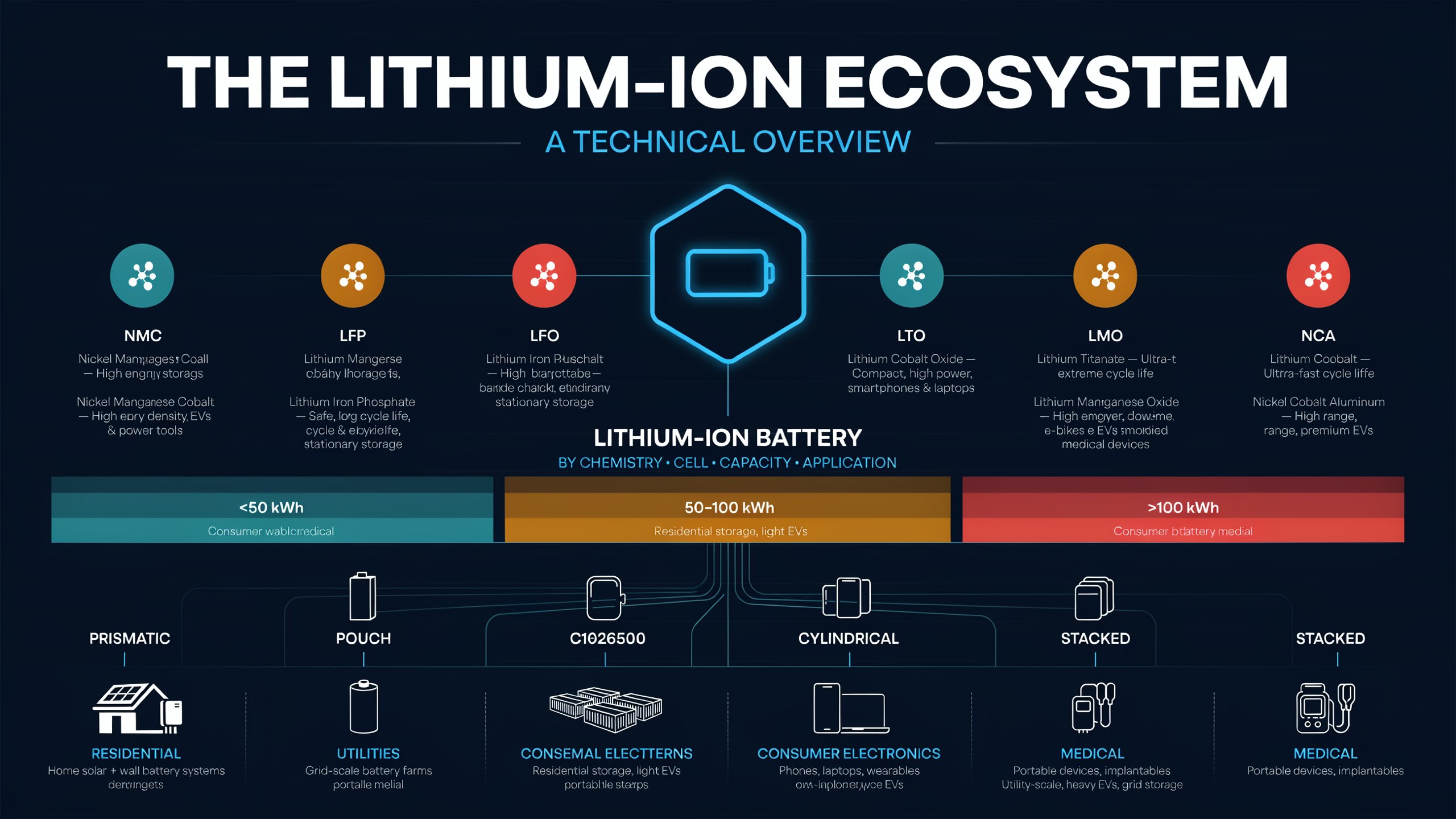
Low-capacity Lithium-ion Batteries
Low-capacity lithium-ion batteries benefit from growing demand for compact and portable electronic devices. Smartphones, laptops, tablets, smartwatches, wireless equipment, and medical devices require batteries capable of providing sufficient operating time without significantly increasing product size or weight.
Pouch cells are often suitable for applications requiring thin and customized form factors, while small cylindrical cells can provide standardized manufacturing and mechanical robustness. Improvements in electrode materials and energy density are allowing manufacturers to increase runtime while maintaining compact battery dimensions.
Medium-capacity Battery Systems
Medium-capacity batteries are gaining opportunities from industrial electrification and the expansion of cordless equipment. Automated guided vehicles, autonomous mobile robots, electric forklifts, warehouse equipment, power tools, and portable industrial systems require reliable rechargeable energy sources.
Cylindrical and prismatic cells can support these applications by providing scalable configurations and reliable power output. Battery management systems are increasingly integrated into these platforms to monitor cell voltage, temperature, state of charge, and state of health, improving battery utilization and operational reliability.
High-capacity Battery Systems
High-capacity lithium-ion batteries are becoming increasingly important in electric mobility and stationary energy storage. Electric cars, buses, commercial vehicles, grid-scale battery systems, and renewable energy storage installations require large quantities of stored energy.
Prismatic and pouch cells can provide efficient space utilization in large battery packs, while large-format cylindrical cells are also being developed to increase energy capacity per cell. Cell-to-pack architectures can further reduce inactive components and improve overall pack-level energy density.
Inquiry Before Buying @ https://www.marketsandmarkets.com/Enquiry_Before_BuyingNew.asp?id=49714593
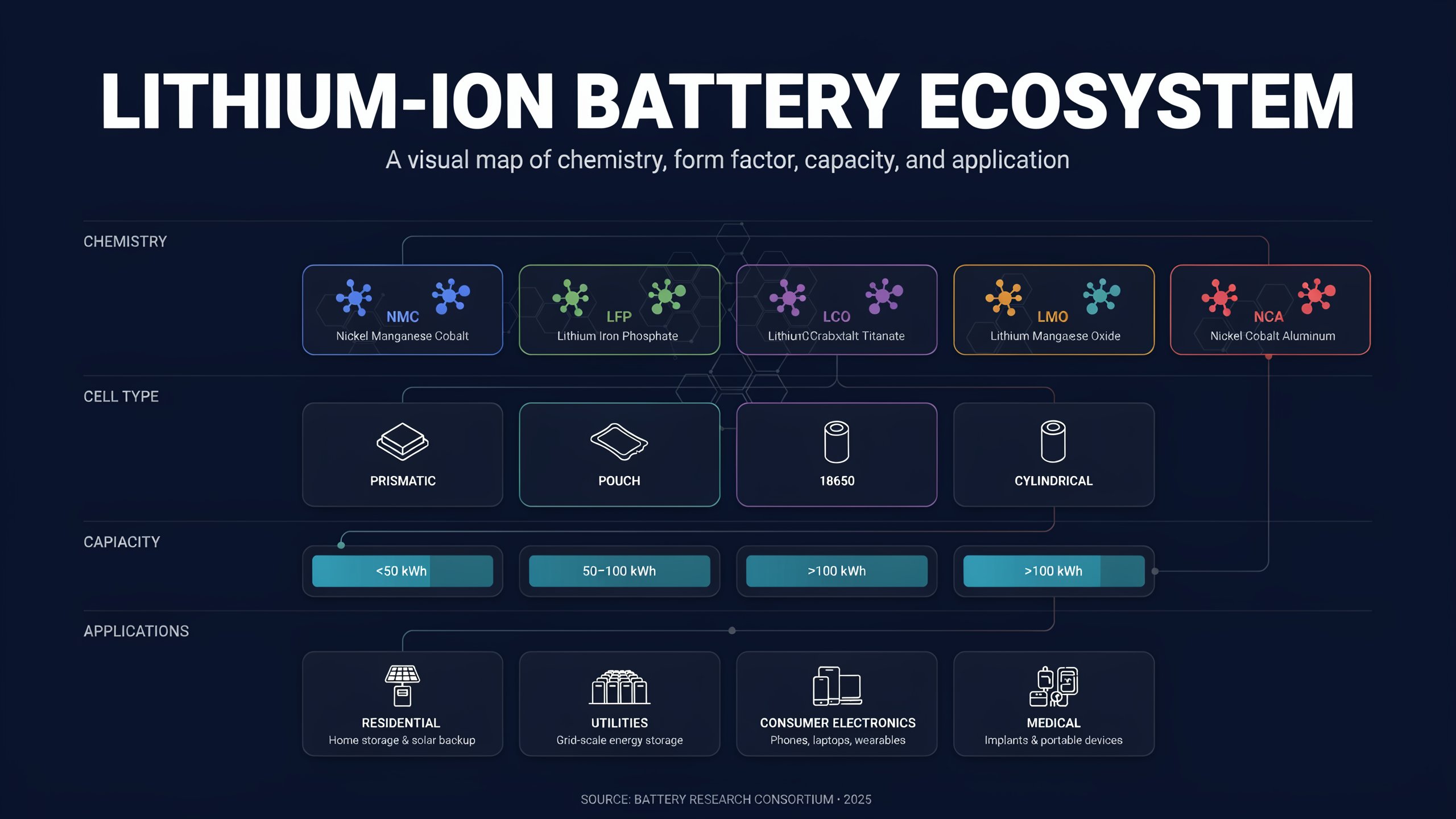
Cylindrical Cell Format
Cylindrical cells remain an important format in the Lithium-ion Battery Market because of their standardized dimensions, established manufacturing processes, mechanical strength, and compatibility with automated production. Common formats include 18650 and 21700 cells, while larger formats such as 4680-type cells are being developed for high-capacity applications.
Large cylindrical cells can reduce the number of cells and electrical connections required in a battery pack. Improvements in thermal management, electrode design, tab structures, and manufacturing automation are supporting their use in electric vehicles and other high-power applications.
Prismatic Cell Format
Prismatic cells use rigid rectangular casings and can provide efficient packaging within battery modules and packs. Their larger dimensions can reduce the number of individual cells required for a specific battery capacity.
Prismatic cells are increasingly relevant to electric vehicles and energy storage systems, particularly where high capacity, efficient space utilization, and simplified pack architectures are required. Lithium iron phosphate chemistry is also widely associated with applications emphasizing cycle life, safety, and cost considerations.
Pouch Cell Format
Pouch cells use flexible laminated packaging and offer manufacturers significant flexibility in cell dimensions and shape. This makes them attractive for consumer electronics, electric vehicles, medical devices, and specialized energy storage applications.
Their lightweight packaging can contribute to efficient system-level energy density. However, pouch cells require appropriate mechanical support and careful management of swelling, thermal behavior, and packaging integrity. Advances in cell design and battery management are helping manufacturers address these requirements.
View detailed Table of Content here – https://www.marketsandmarkets.com/Market-Reports/lithium-ion-battery-market-49714593.html
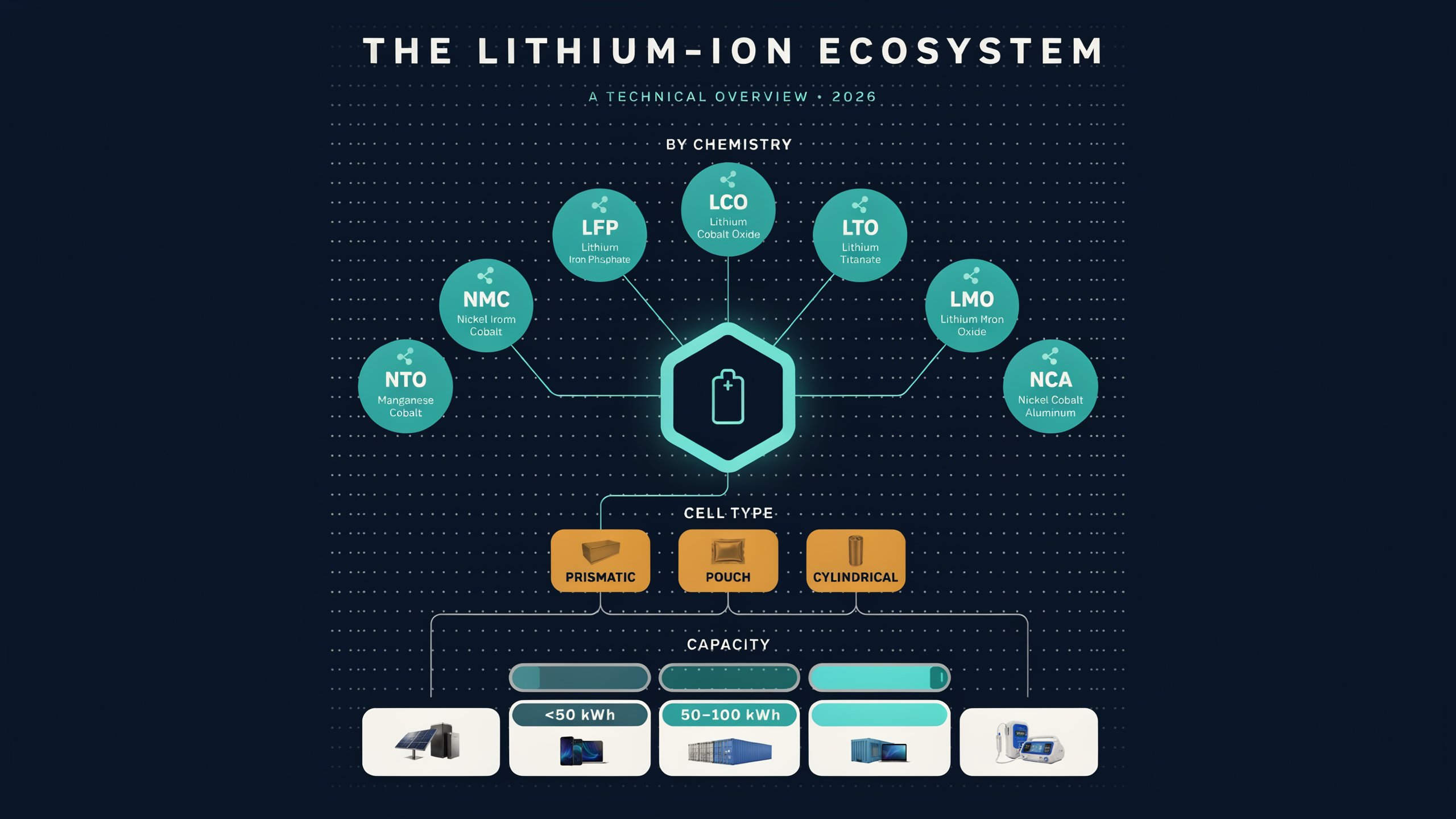
Capacity and Cell Format Optimization
Battery manufacturers increasingly evaluate capacity and cell format together rather than treating them as separate design variables. High-capacity cells can reduce the number of cells required in a pack, while smaller cells can provide greater flexibility in certain applications.
The optimal configuration depends on energy density, power requirements, thermal characteristics, available space, manufacturing costs, safety requirements, and expected operating conditions. Artificial intelligence and digital modeling are also being used to optimize battery pack designs and predict performance throughout the battery lifecycle.
Future Market Outlook
The Lithium-ion Battery Industry will continue to be influenced by the relationship between battery capacity and cell format. Rising demand for electric vehicles, battery energy storage systems, portable electronics, industrial automation, and renewable energy will encourage manufacturers to develop cells with higher energy density, improved safety, faster charging, and longer service life. Cylindrical, prismatic, and pouch formats will continue serving different application requirements, while large-format cells, cell-to-pack architectures, advanced chemistries, intelligent battery management, and automated manufacturing will shape future market development. As battery system designers prioritize performance, space utilization, cost efficiency, and reliability, capacity and cell format optimization will remain central to lithium-ion battery innovation.