
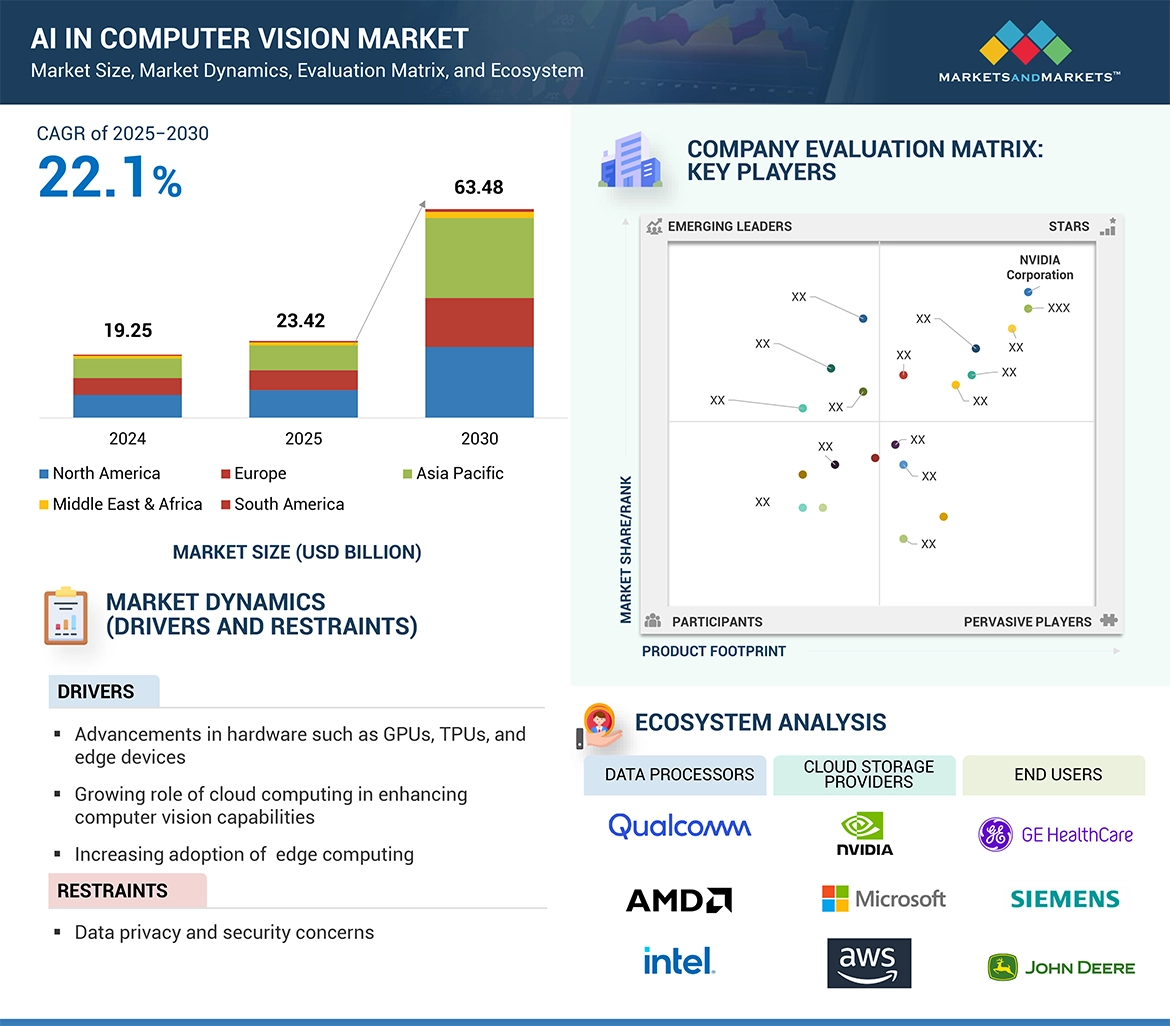
The AI in Computer Vision Market is gaining momentum as organizations increasingly adopt automated security monitoring technologies to improve threat detection, operational efficiency, and situational awareness. Traditional surveillance systems largely depend on human operators to monitor continuous video streams, while AI powered computer vision can analyze footage automatically and identify events that require attention. The combination of artificial intelligence, advanced cameras, edge computing, and video analytics is creating new opportunities across commercial, industrial, transportation, retail, and public security applications.
Rising Demand for Automated Surveillance
The growing number of cameras deployed across facilities and public environments is increasing the volume of video data that security teams must manage. Manual monitoring becomes challenging when hundreds or thousands of camera feeds operate continuously.
AI based computer vision can automate video analysis by identifying objects, movements, behaviors, and predefined security events. Automated systems can filter routine activity and generate alerts for potentially important incidents. This allows security personnel to focus on relevant events while improving monitoring coverage.
Download PDF Brochure @ https://www.marketsandmarkets.com/pdfdownloadNew.asp?id=141658064
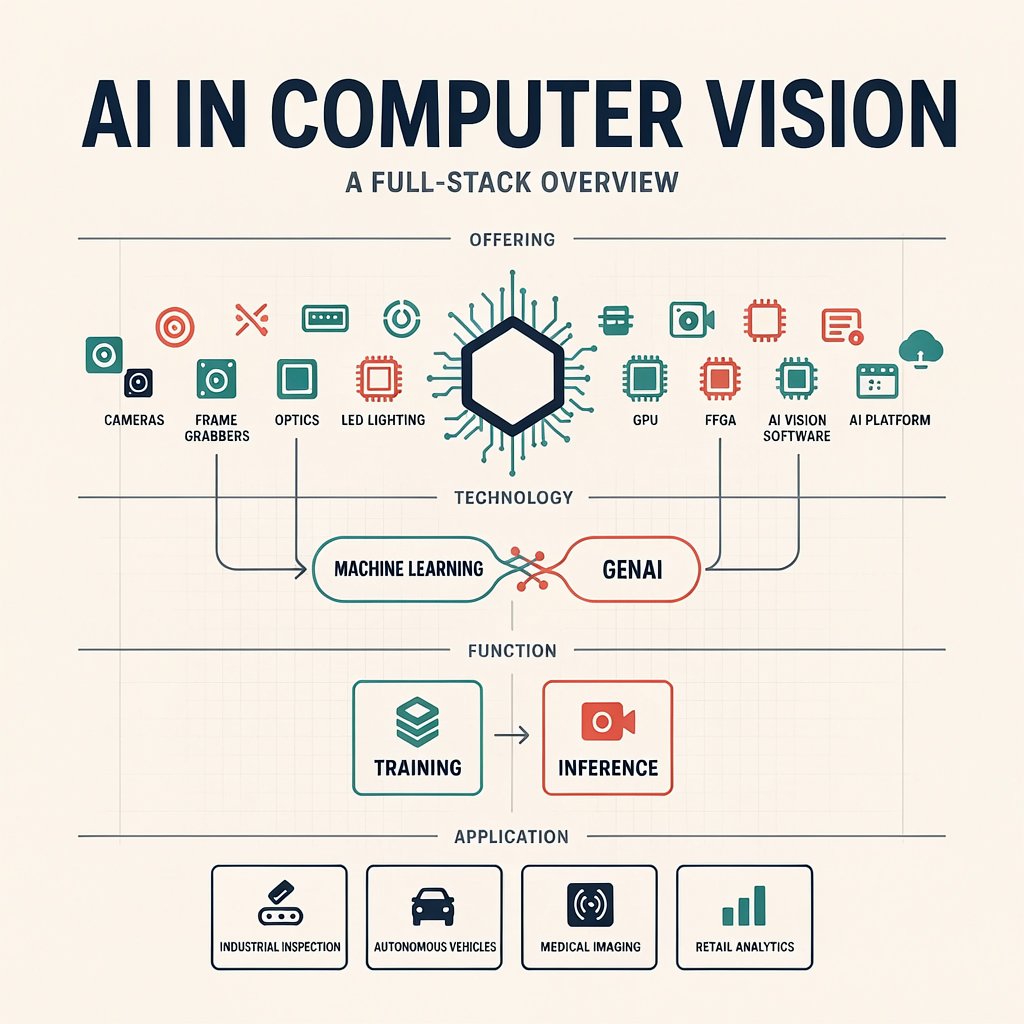
AI Based Threat Detection
Automated security monitoring is increasingly moving from simple motion detection toward intelligent threat detection. AI algorithms can distinguish between people, vehicles, animals, and other moving objects and can identify activities that may require intervention.
Deep learning models can analyze patterns in video footage and detect unusual activities such as unauthorized entry, loitering, sudden crowd movement, or access to restricted areas. This transition toward context aware monitoring is expected to strengthen demand for AI enabled security solutions.
Intelligent Object Recognition
Object recognition is becoming a central component of automated security platforms. Computer vision systems can identify specific objects and track their movement across monitored environments.
Applications can include detecting abandoned packages, monitoring vehicles, identifying unauthorized equipment movement, and recognizing objects within restricted zones. Improved image processing and AI classification capabilities can help security systems reduce false alerts and improve the prioritization of security events.
Behavioral Analytics
Behavioral analytics is another important trend supporting automated security monitoring. Instead of analyzing individual objects only, AI systems can evaluate how people and objects interact with their surroundings.
Computer vision can identify unusual movement patterns, crowd formation, sudden running, prolonged loitering, and other activities that differ from normal behavior. Such capabilities can support proactive security by identifying potentially significant situations before they develop into more serious incidents.
Inquiry Before Buying @ https://www.marketsandmarkets.com/Enquiry_Before_BuyingNew.asp?id=141658064
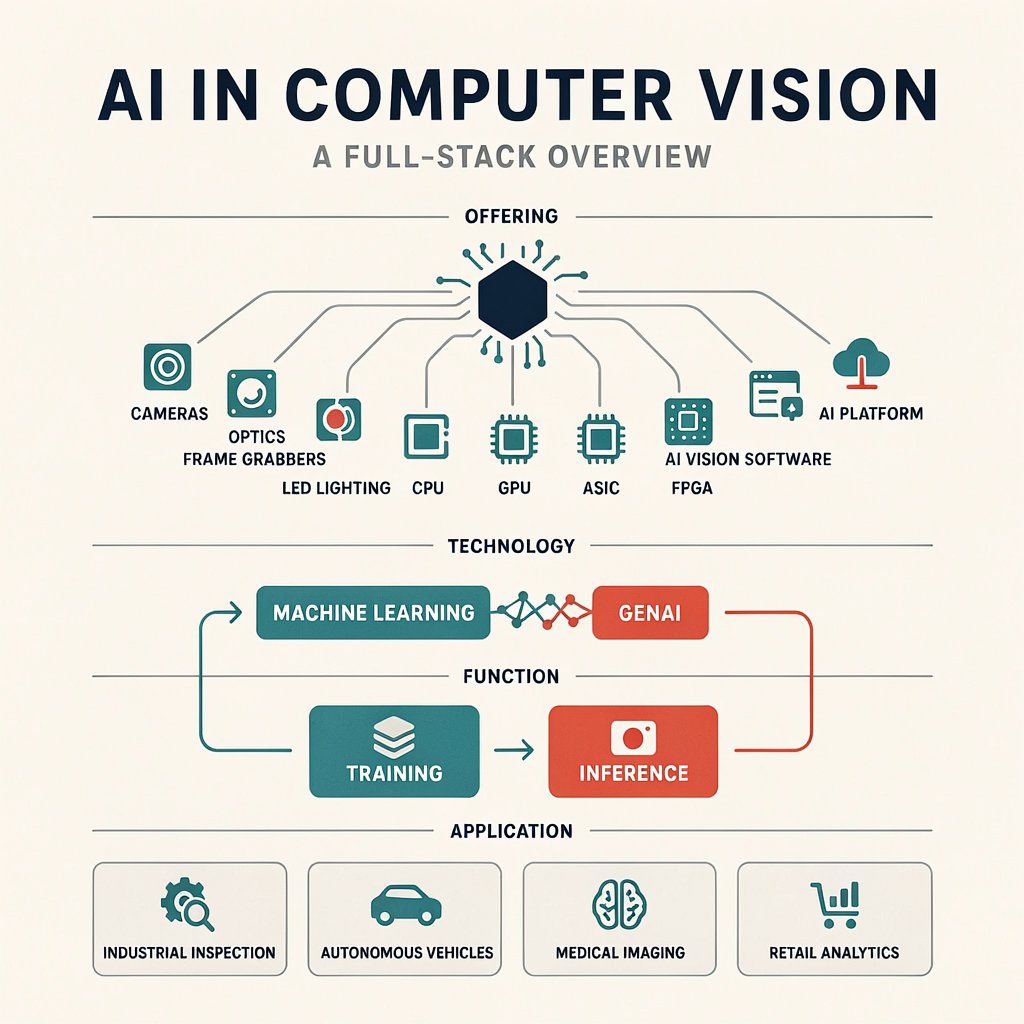
Edge AI and Real Time Monitoring
The adoption of edge AI is transforming automated security monitoring architectures. Edge devices can process video data close to cameras, allowing systems to identify events without sending all raw footage to centralized cloud platforms.
Local processing can reduce latency, bandwidth consumption, and dependence on continuous network connectivity. It can also support privacy oriented deployments by limiting the transfer of sensitive video information. As organizations expand camera networks, edge AI is expected to become increasingly important for scalable security monitoring.
Smart City Security
Smart city development is creating additional opportunities for automated computer vision monitoring. Governments and infrastructure operators are deploying connected cameras across public spaces, transportation facilities, roads, government buildings, and critical infrastructure.
AI systems can monitor these environments for unusual crowd activity, unauthorized access, traffic incidents, and potential security threats. Integration with IoT sensors and centralized command centers can allow visual information to be combined with other data sources, supporting faster incident response.
Automated Security in Retail
Retailers are increasingly using computer vision for automated security monitoring and loss prevention. AI systems can monitor customer and employee activity, detect suspicious behavior, and identify movement in restricted areas.
Automated video analytics can also support store safety and operational monitoring. As retailers adopt smart store technologies, computer vision can become integrated with inventory systems, point of sale platforms, access control, and other digital infrastructure.
View detailed Table of Content here – https://www.marketsandmarkets.com/Market-Reports/ai-in-computer-vision-market-141658064.html
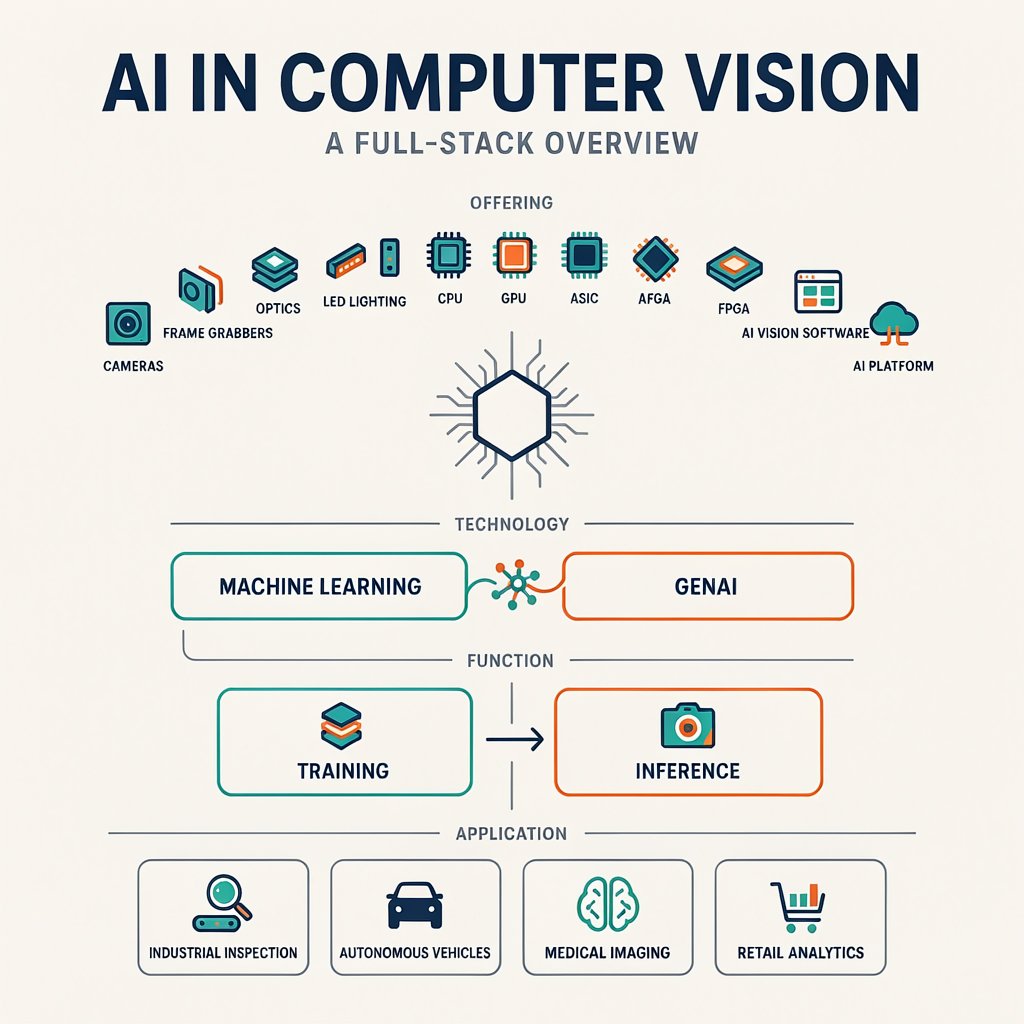
Industrial Security and Workplace Safety
Industrial facilities require continuous monitoring to protect personnel, equipment, and restricted areas. AI computer vision can detect unauthorized access, perimeter breaches, unsafe behavior, and movement near hazardous machinery.
Integration with Industrial IoT systems can strengthen monitoring by combining video analytics with information from sensors and equipment. This can help organizations identify security incidents and workplace safety risks in real time.
Integration with Facial Recognition
Facial recognition can add identity based monitoring capabilities to automated security systems. AI algorithms can compare captured facial features with authorized identities, subject to applicable privacy and data protection requirements.
This technology can support access control at airports, corporate facilities, financial institutions, and other controlled environments. Combining facial recognition with object and behavioral analytics can create more comprehensive automated security platforms.
Future Market Outlook
The AI in Computer Vision Indusrty is expected to benefit from continued adoption of automated security monitoring across public infrastructure, transportation, retail, industrial, and commercial environments. Advances in edge AI, deep learning, object recognition, behavioral analytics, facial recognition, and multi camera tracking are improving the capabilities of intelligent surveillance systems.
As organizations seek to reduce manual monitoring requirements and improve response times, AI based computer vision will increasingly support automated detection, classification, and alert generation. The integration of intelligent video analytics with IoT, cloud platforms, access control, and automated response technologies is expected to strengthen the role of computer vision in next generation security monitoring.