
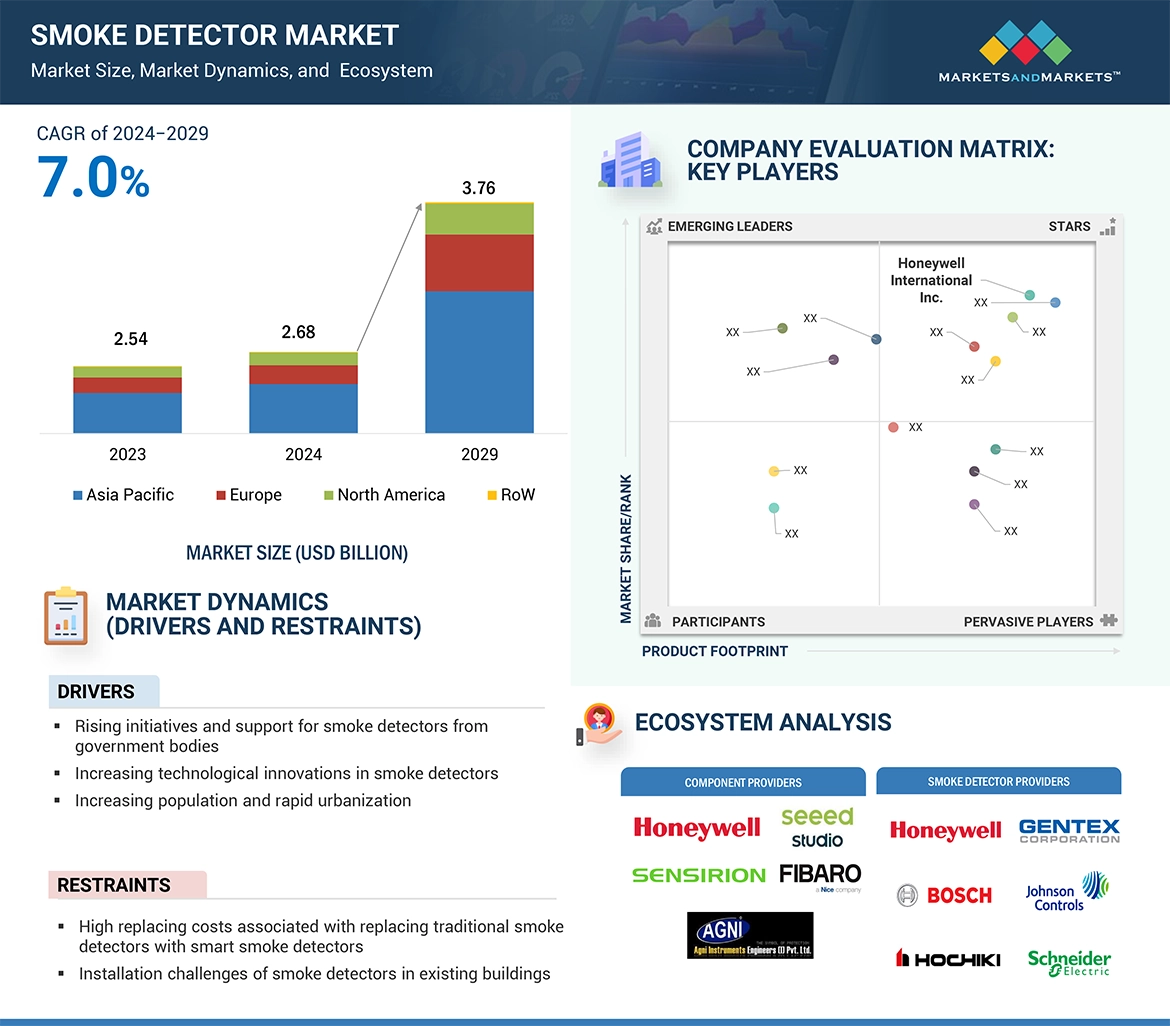
The Smoke Detector Market is becoming increasingly connected to the development of smart buildings as property owners, facility managers, and technology providers seek more intelligent approaches to fire safety and building management. Traditional smoke detectors remain fundamental components of fire protection, but advances in sensing, wireless communication, Internet of Things connectivity, data analytics, and automation are expanding their capabilities. Smart building development is creating demand for smoke detection solutions that can provide real-time information, support remote monitoring, improve maintenance, and integrate with broader building management systems.
The growing adoption of connected building infrastructure is one of the strongest trends influencing the market. Modern smart buildings use interconnected systems to monitor occupancy, energy consumption, indoor environmental conditions, security, access control, and equipment performance. Smoke detectors can become important sensing nodes within this ecosystem by communicating alarm conditions and device status to centralized platforms. This integration can improve visibility into building safety and support faster responses to potential fire events.
IoT connectivity is transforming smoke detectors from standalone devices into networked safety components. Connected detectors can transmit information about alarms, battery levels, sensor health, connectivity, and maintenance conditions. Building operators can use this information to monitor large numbers of devices through centralized dashboards. The ability to access real-time detector information can be particularly valuable in large office complexes, hotels, hospitals, campuses, retail facilities, warehouses, and multifamily properties.
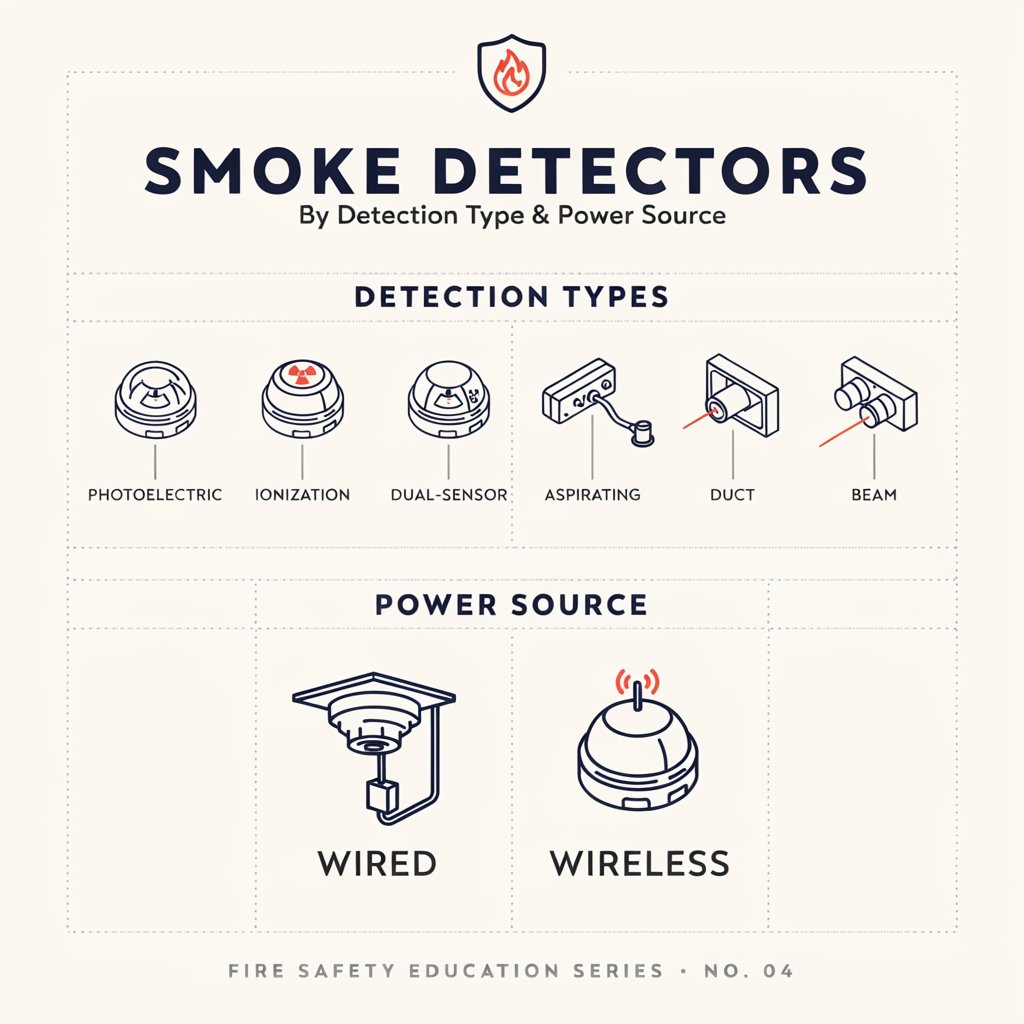
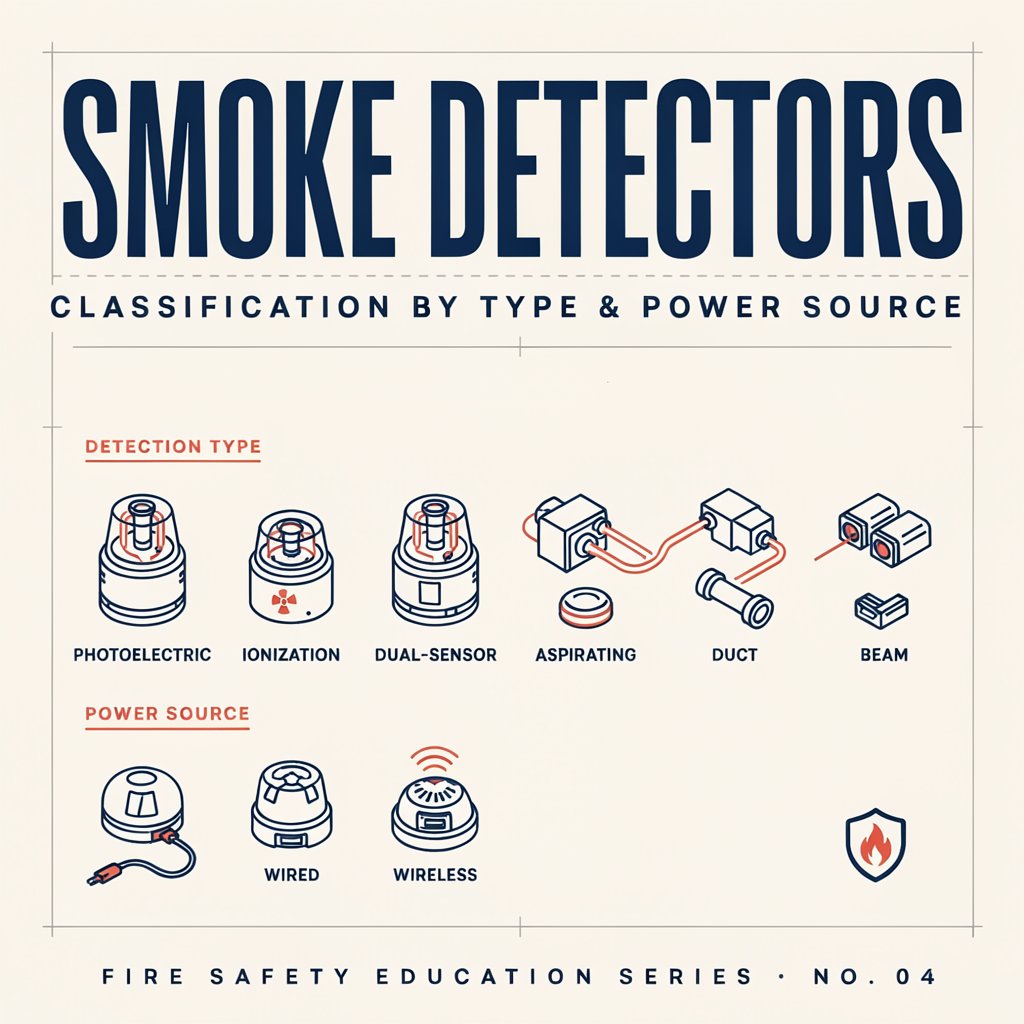
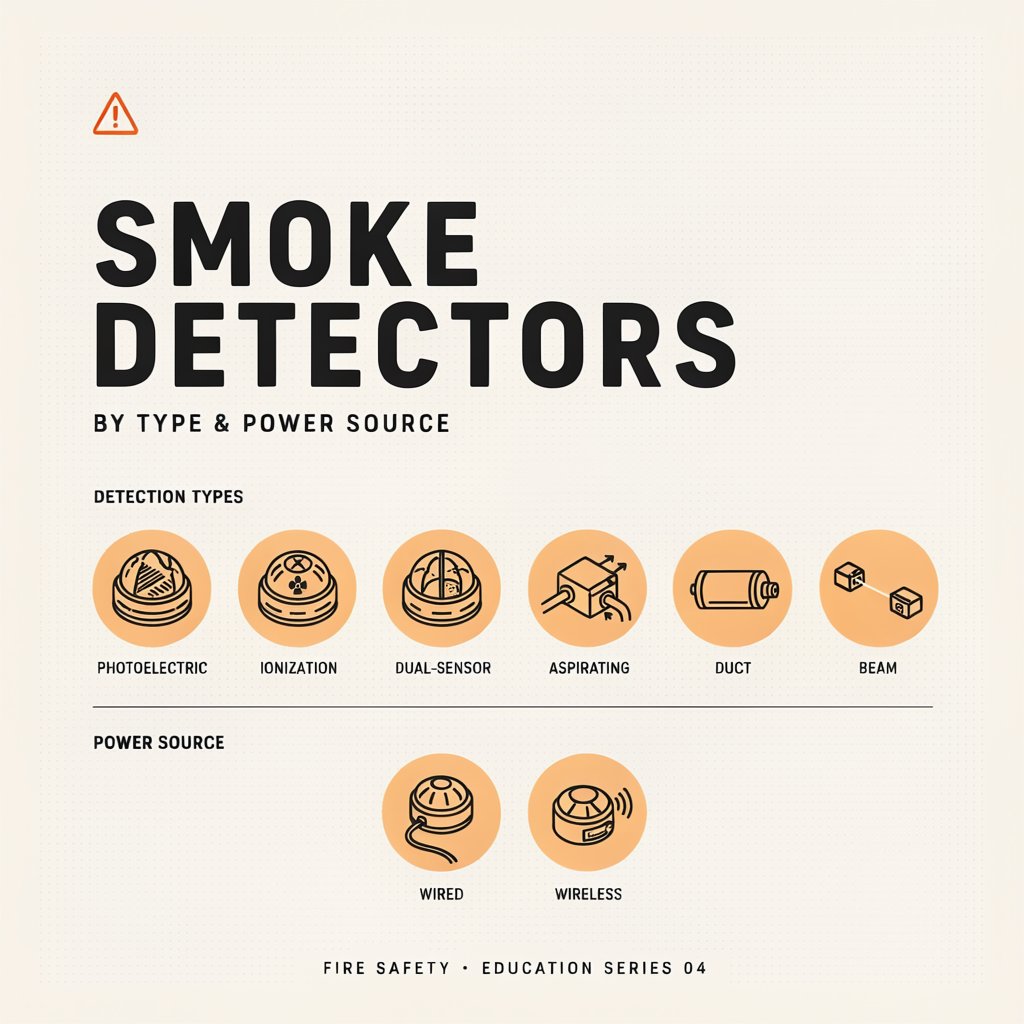
Wireless communication is supporting smart building development by simplifying the installation and expansion of connected smoke detection systems. Retrofitting existing buildings with new wired infrastructure can require extensive cabling, construction work, and operational disruption. Wireless smoke detectors can provide greater installation flexibility in suitable applications while enabling interconnected alarms and centralized monitoring. Improvements in wireless reliability and low-power communication are expected to encourage adoption in both new and existing buildings.
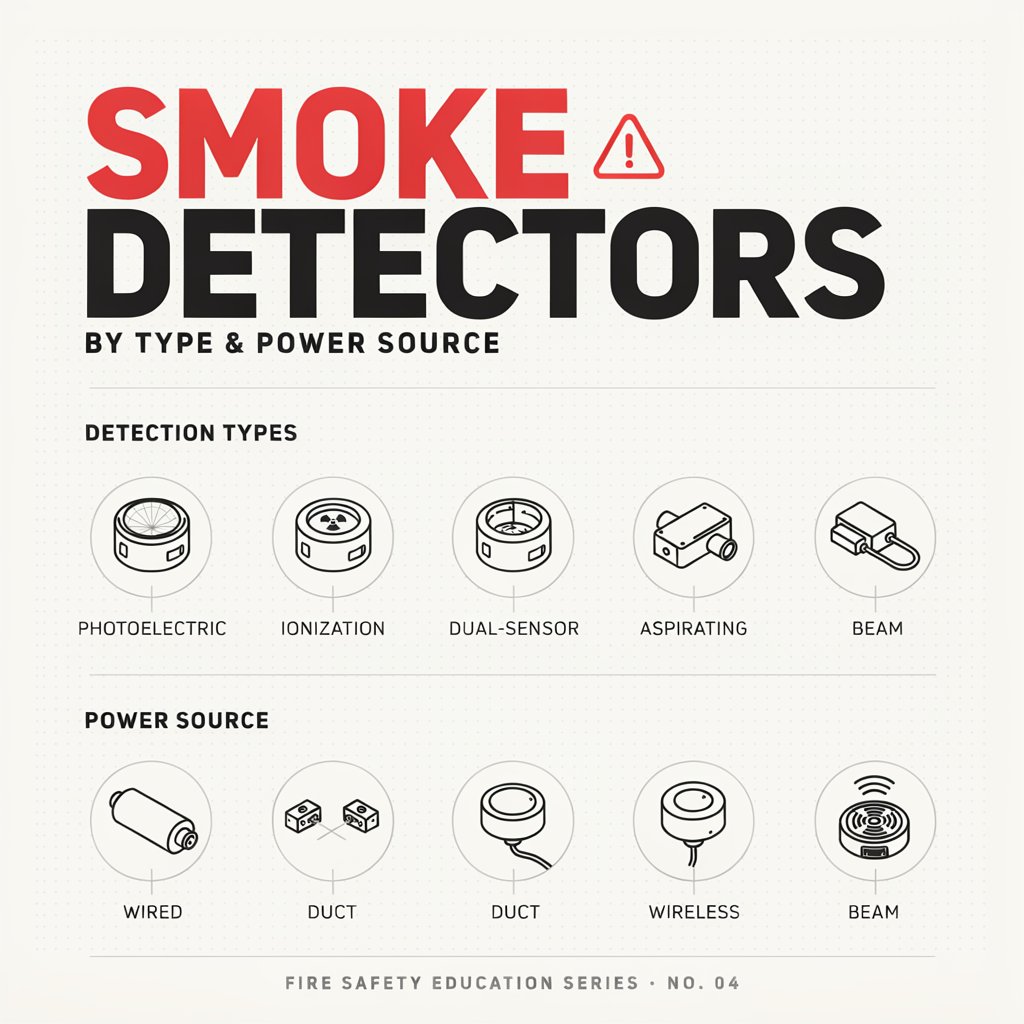
Advanced sensing technologies are another important trend. Smart buildings require accurate detection systems that can operate reliably under changing environmental conditions. Modern smoke detectors are incorporating improved photoelectric sensors, multi-criteria sensing, heat detection, carbon monoxide sensing, and advanced signal processing. These technologies can provide more detailed information about environmental conditions and support improved identification of potential fire events.
Multi-criteria detection is becoming increasingly relevant because smart buildings often contain diverse environmental conditions. Steam, dust, aerosols, airflow, and temperature fluctuations can affect conventional smoke detection. By combining information from smoke, heat, carbon monoxide, and other sensors, intelligent detectors can evaluate multiple indicators before generating an alarm. This can support efforts to reduce nuisance alarms while maintaining reliable fire detection.
Download PDF Brochure @ https://www.marketsandmarkets.com/pdfdownloadNew.asp?id=162940771
Artificial intelligence is emerging as a supporting technology for smart building fire safety. AI-based systems can analyze information collected from multiple smoke detectors and other building sensors. Machine learning algorithms may identify patterns associated with potential fire conditions, environmental disturbances, or recurring nuisance alarms. AI can also support analysis of historical data to help building operators identify locations or conditions requiring additional attention.
Real-time data analytics is becoming an important part of intelligent fire safety management. Smart building platforms can collect data from large numbers of detectors and other connected devices. Analytics tools can identify abnormal readings, recurring alarm events, device communication problems, and maintenance requirements. This provides building managers with information that can support more informed decisions about safety system performance.
Predictive maintenance is another major opportunity created by smart smoke detection. Conventional maintenance programs often rely on fixed schedules and manual inspections. Connected detectors can continuously provide information about battery condition, sensor performance, contamination, and device health. Analytics can identify changes that may indicate future problems, allowing maintenance teams to address potential issues before they affect system performance.
Self-diagnostics are becoming increasingly important as buildings deploy larger and more complex fire detection networks. Advanced smoke detectors can monitor selected internal functions and communicate fault conditions to centralized systems. Automated diagnostics can help identify battery depletion, sensor faults, communication failures, and other abnormal conditions. This can reduce the amount of time required to locate problematic devices across large facilities.
Cloud-based fire safety management is supporting geographically distributed smart building portfolios. Organizations with multiple offices, hotels, retail locations, healthcare facilities, or residential properties can use cloud platforms to monitor connected smoke detection systems from centralized locations. Cloud-based dashboards can provide information about alarms, device health, maintenance requirements, and system performance across multiple properties.
Integration with building management systems is becoming a defining feature of smart buildings. Smoke detection platforms can communicate with HVAC systems, access control, security systems, emergency communication infrastructure, lighting controls, and facility management software. During an emergency, information from the fire detection system can support coordinated procedures. The precise actions depend on system design and applicable safety requirements, but interoperability is increasing the value of connected detection technologies.
Inquiry Before Buying @ https://www.marketsandmarkets.com/Enquiry_Before_BuyingNew.asp?id=162940771
HVAC integration is particularly significant because airflow can influence smoke movement within buildings. Smart building platforms can combine smoke detection information with ventilation and environmental data to provide greater situational awareness. In appropriate systems, this information can support predefined emergency procedures and help authorized personnel understand conditions across different building zones.
Integration with security systems is also creating new opportunities. Smart smoke detectors can operate alongside surveillance cameras, access control systems, and intrusion detection technologies. When an alarm occurs, centralized platforms may provide authorized personnel with information from multiple systems. This can help improve incident assessment and response coordination while creating a more comprehensive safety environment.
Occupancy monitoring is another emerging element of smart building safety. Connected building systems can provide information about occupancy patterns and building usage. When combined appropriately with fire detection infrastructure, occupancy information can support emergency management and situational awareness. Privacy and safety considerations remain essential when integrating occupancy data into building management platforms.
Energy-efficient smoke detectors are becoming increasingly important as smart buildings seek to reduce overall energy consumption. Low-power sensors, efficient processors, and optimized wireless communication can extend battery life and reduce maintenance requirements. Energy-efficient electronics also support the deployment of battery-powered connected detectors in locations where electrical wiring is difficult to install.
Smart buildings are also increasing demand for touchless and digitally managed maintenance processes. Connected smoke detectors can provide notifications when batteries need replacement, sensors require inspection, or devices experience faults. Facility personnel can receive these alerts through centralized software and mobile applications, reducing dependence on manual checks. This supports more efficient building operations and can improve maintenance responsiveness.
False alarm reduction remains a key objective in smart building environments. Unnecessary alarms can disrupt occupants and business activities, particularly in large commercial properties. Intelligent signal processing, environmental compensation, multi-sensor analysis, and advanced algorithms can help differentiate between genuine fire conditions and certain non-fire disturbances. Improving detection accuracy can strengthen confidence in automated fire safety systems.
Smart building development is also increasing the importance of interoperability. Property owners often deploy products from multiple technology providers across fire protection, security, HVAC, energy management, and automation. Smoke detection solutions that can communicate effectively with broader platforms can simplify system management. Standardized interfaces and communication protocols can therefore influence purchasing decisions and technology adoption.
View detailed Table of Content here – https://www.marketsandmarkets.com/Market-Reports/smoke-detector-market-162940771.html
Cybersecurity is becoming a critical requirement for connected smoke detection. Smart detectors may communicate with building networks, cloud services, mobile applications, and centralized management platforms. Secure authentication, encrypted communication, access controls, protected firmware, and regular security updates are necessary to reduce cyber risks. Fire safety manufacturers must ensure that digital connectivity does not compromise essential alarm and monitoring functions.
Regulatory compliance will continue to influence the integration of smoke detectors into smart buildings. Advanced features must operate alongside established fire safety requirements and applicable standards. Building operators and technology providers must consider certified equipment, proper installation, system testing, maintenance, and emergency procedures. Smart functionality can enhance safety management, but it cannot replace fundamental requirements for dependable fire detection.
Data centers, hospitals, hotels, airports, warehouses, and high-rise buildings represent important application areas for smart smoke detection. These facilities often contain valuable assets, complex infrastructure, and large numbers of occupants. Connected detection systems can provide centralized visibility and support more efficient management of safety infrastructure. The growing deployment of automation and digital services in these facilities is expected to increase demand for intelligent fire protection.
The regional expansion of smart building investments is also supporting market opportunities. Developed economies are emphasizing building modernization, energy efficiency, digital facility management, and connected infrastructure. Emerging economies are investing in new commercial buildings, residential developments, industrial facilities, and urban infrastructure. As smart building technologies become more accessible, connected smoke detection can become an increasingly important part of new construction and retrofit projects.
Looking ahead, the Smoke Detector Industry will increasingly align with smart building development through advanced sensing, IoT connectivity, wireless communication, cloud monitoring, AI-supported analytics, predictive maintenance, self-diagnostics, and system interoperability. These capabilities are creating a transition from standalone alarms toward connected fire safety infrastructure that provides continuous operational intelligence.
As building owners prioritize occupant protection, asset resilience, operational continuity, and intelligent facility management, demand for connected smoke detection solutions is expected to grow. The strongest opportunities will emerge for manufacturers that combine reliable sensing performance with advanced connectivity, low-power operation, intelligent diagnostics, cybersecurity, and compatibility with broader building management platforms. This convergence will strengthen the role of smoke detectors as essential components of next-generation smart building safety systems.