
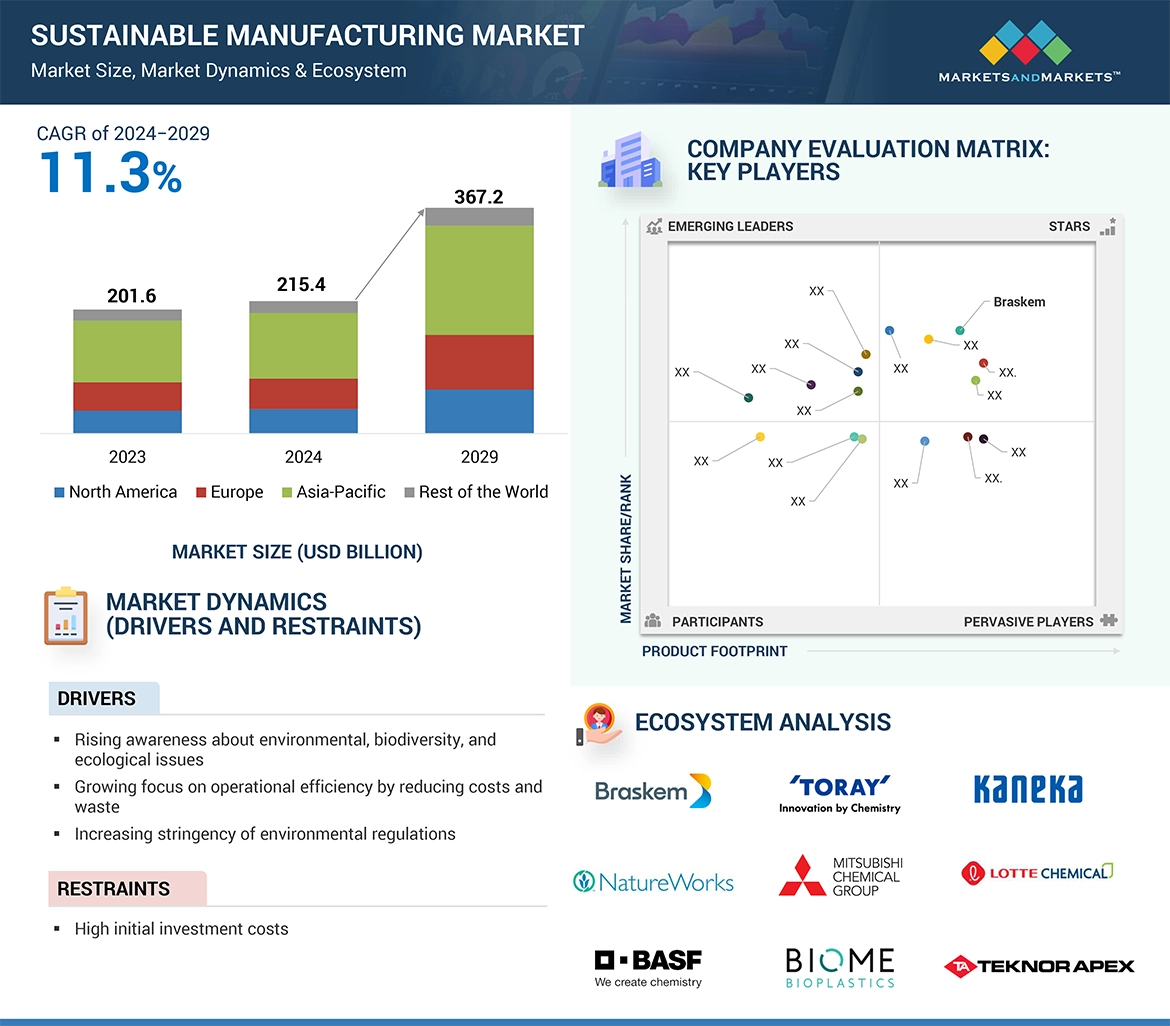
The Sustainable Manufacturing Market is increasingly driven by the transition toward resource-efficient production as manufacturers seek to reduce material consumption, energy use, water requirements, waste generation, and overall environmental impact. Resource efficiency is becoming a strategic priority across automotive, electronics, industrial machinery, chemicals, food processing, aerospace, and other manufacturing sectors. Companies are investing in advanced equipment, digital technologies, automation, renewable energy, circular production systems, and sustainable materials to achieve higher output with fewer resources.
Growing Importance of Resource-efficient Manufacturing
Traditional manufacturing models can consume significant quantities of raw materials, electricity, water, and industrial chemicals. Rising resource costs and growing environmental pressures are encouraging companies to improve the efficiency of production processes.
Resource-efficient manufacturing focuses on optimizing inputs while maintaining product quality and production capacity. Manufacturers are increasingly measuring resource consumption at the machine, production-line, facility, and supply-chain levels.
This approach can create a direct connection between sustainability and operational performance because reducing material and energy consumption can lower both environmental impact and production costs.
Energy Efficiency as a Core Strategy
Energy efficiency remains one of the most important components of resource-efficient production. Industrial facilities use electricity and fuel for machinery, heating, cooling, compressed air, lighting, and material handling.
Manufacturers are deploying high-efficiency motors, variable-frequency drives, intelligent controls, efficient HVAC systems, heat recovery technologies, and automated energy management platforms. These technologies can reduce energy consumption while supporting stable production.
Real-time energy monitoring also allows companies to identify equipment operating inefficiently and optimize production schedules according to energy demand.
Download PDF Brochure @ https://www.marketsandmarkets.com/pdfdownloadNew.asp?id=140349832
Industrial IoT and Real-time Resource Monitoring
Industrial IoT is transforming resource management by connecting machines, sensors, production systems, and enterprise platforms. Sensors can monitor electricity consumption, water usage, material flows, equipment performance, temperature, pressure, and production quality.
This information provides manufacturers with greater visibility into resource consumption. Production managers can identify abnormal operating conditions and make adjustments before inefficiencies become significant.
The integration of Industrial IoT with cloud platforms and advanced analytics is expected to strengthen resource-efficient manufacturing by enabling continuous monitoring and optimization.
Artificial Intelligence and Process Optimization
Artificial intelligence is becoming increasingly important for optimizing resource use. AI algorithms can analyze production data to identify patterns and recommend adjustments to machine settings, production schedules, and material usage.
AI can help manufacturers reduce energy consumption by optimizing equipment operation according to real-time demand. It can also improve production quality, reducing defective products and the resources required for rework.
Predictive analytics can identify equipment degradation before failures occur, helping manufacturers maintain machines at optimal operating conditions.
Digital Twins and Virtual Process Optimization
Digital twins provide manufacturers with virtual representations of physical production systems. These models can simulate equipment behavior, production flows, energy consumption, and resource requirements.
Manufacturers can use digital twins to evaluate process changes before implementing them in physical facilities. This can reduce development risks and help identify opportunities to improve energy and material efficiency.
The growing integration of digital twins with AI and Industrial IoT is creating more intelligent approaches to resource management.
Inquiry Before Buying @ https://www.marketsandmarkets.com/Enquiry_Before_BuyingNew.asp?id=140349832
Material Efficiency and Waste Reduction
Material efficiency is another important aspect of sustainable production. Manufacturers are increasingly optimizing product designs and production processes to reduce material consumption and minimize scrap.
Generative design, advanced simulation, precision machining, and additive manufacturing can help companies produce components using optimized quantities of raw materials.
Reducing defects is also critical because defective products consume materials and energy without generating usable output. Machine vision and automated quality inspection can identify production issues earlier.
Water-efficient Manufacturing
Water-intensive industries are increasingly adopting technologies that reduce water consumption and improve recycling. Advanced filtration, wastewater treatment, closed-loop cooling, and water-reuse systems can reduce dependence on fresh water.
Manufacturers can use sensors and digital monitoring platforms to track water consumption and identify leaks or inefficient processes.
Water-efficient production is becoming particularly important in regions facing water scarcity and increasing industrial demand.
Circular Manufacturing Models
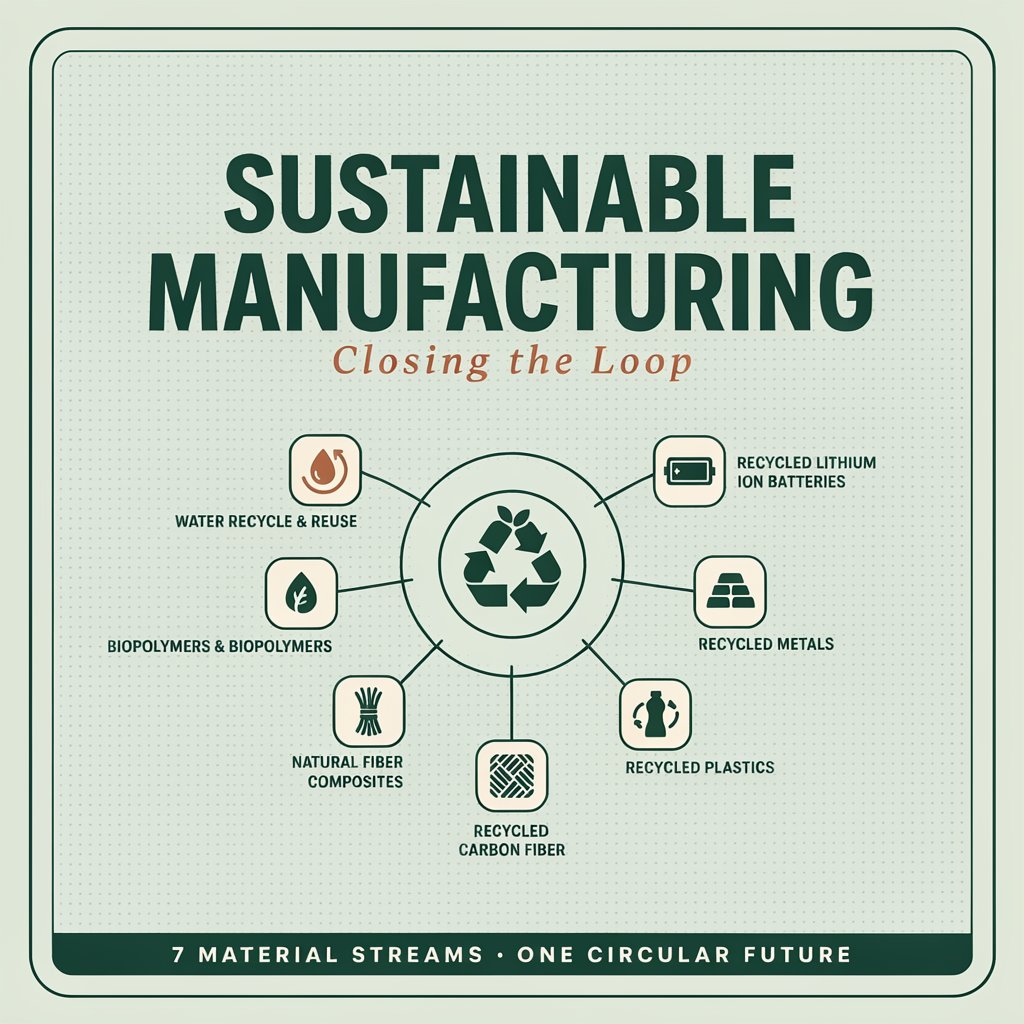
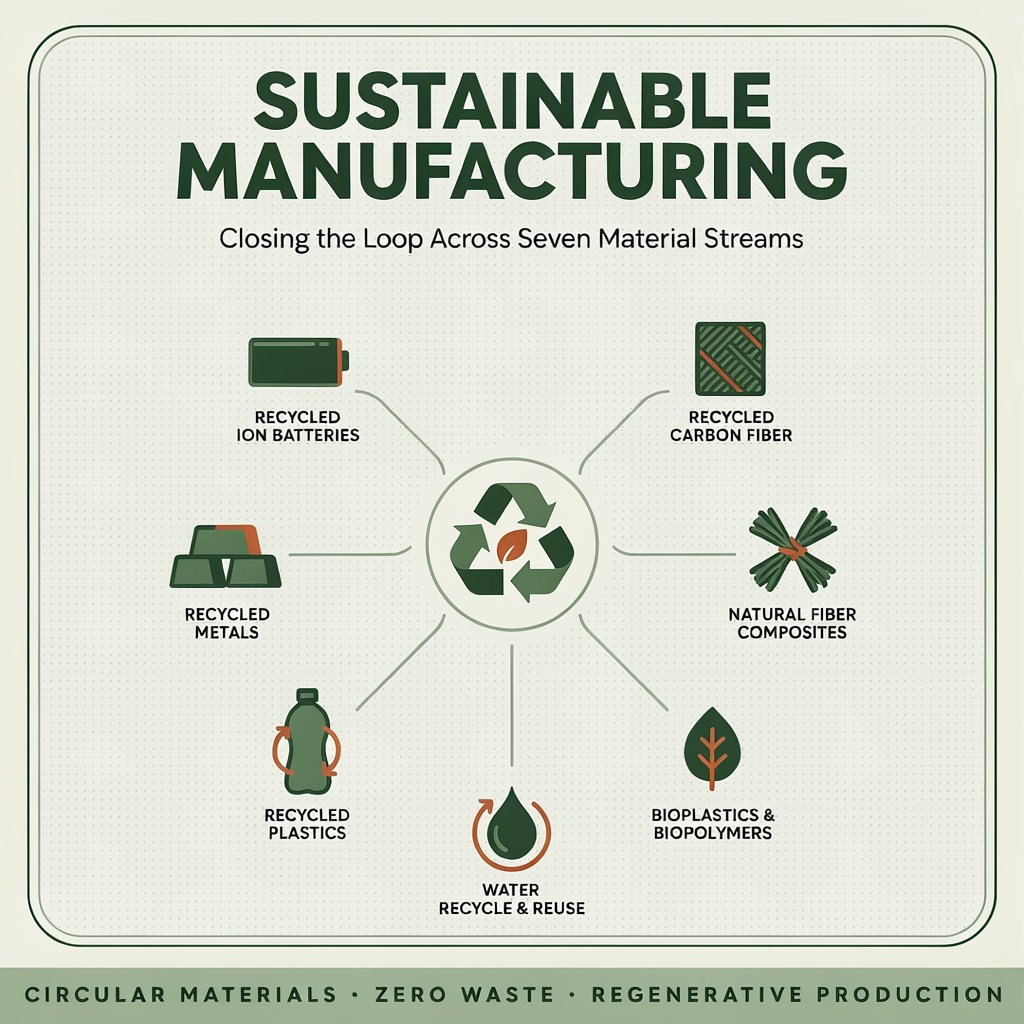
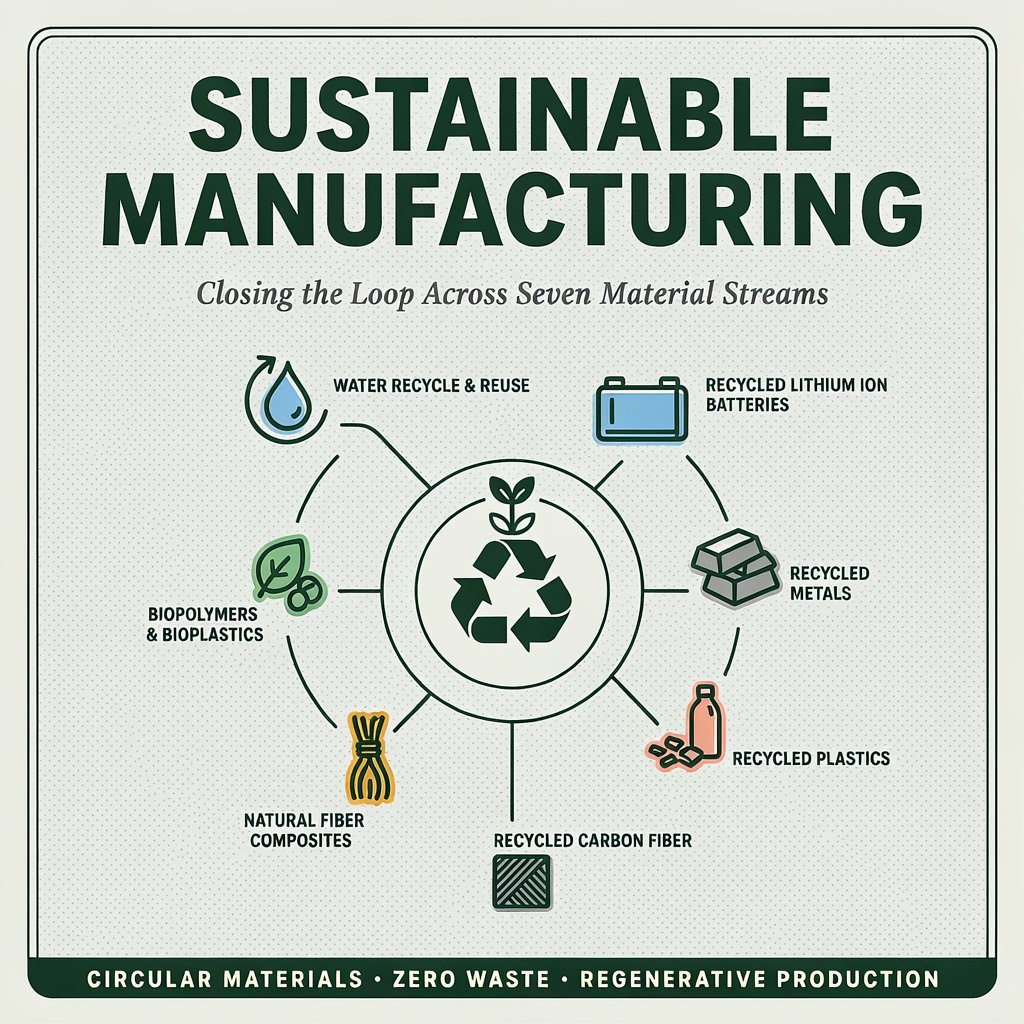
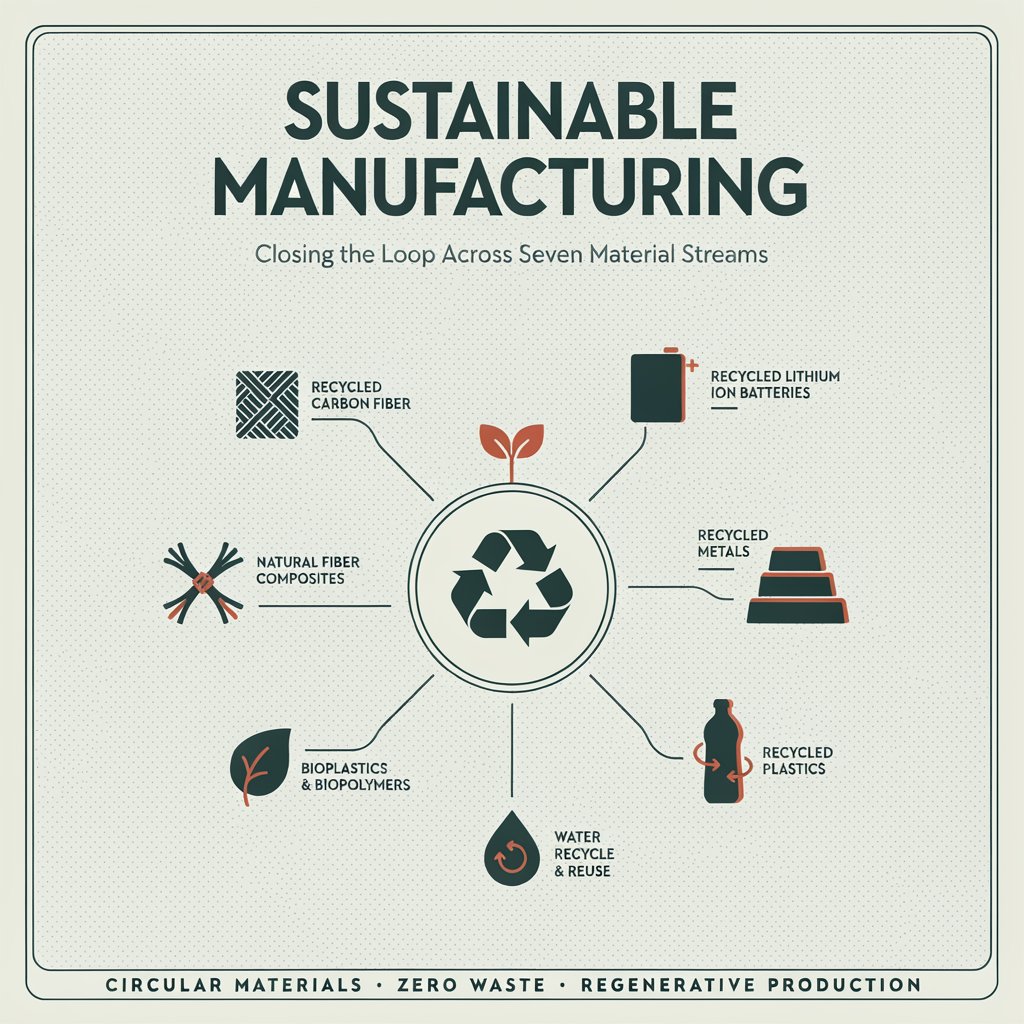
Circular economy principles are supporting resource-efficient manufacturing by keeping materials and products in use for longer periods. Recycling, remanufacturing, refurbishment, reuse, and component recovery can reduce the need for virgin resources.
Manufacturers are increasingly designing products to facilitate disassembly and material recovery. Recovered materials can then be reintroduced into production where quality and regulatory requirements allow.
Circular production can improve resource security while reducing waste and environmental impacts.
View detailed Table of Content here – https://www.marketsandmarkets.com/Market-Reports/sustainable-manufacturing-market-140349832.html
Renewable Energy and Energy Storage
Renewable energy integration is strengthening resource-efficient manufacturing by reducing dependence on fossil-based electricity. Manufacturers are installing solar power systems, purchasing renewable electricity, and exploring wind and other clean-energy sources.
Battery energy storage can help facilities manage renewable generation and electricity demand. Intelligent energy management systems can coordinate renewable generation, storage, and industrial loads.
This combination can improve energy utilization while supporting carbon-reduction objectives.
Automation and Smart Production
Automation can improve resource efficiency by increasing production precision and consistency. Robotics, automated material handling, smart production controls, and machine vision can reduce waste and optimize production speed.
Connected automation systems can also adjust operations according to demand, preventing unnecessary equipment usage.
As smart factories become more widespread, resource efficiency is increasingly becoming an integrated performance objective alongside productivity and quality.
Sustainable Supply Chain Resource Management
Resource efficiency extends beyond factory boundaries. Manufacturers are increasingly evaluating raw material sourcing, supplier operations, transportation, packaging, and logistics.
Digital supply chain platforms can improve visibility into material flows and resource consumption across multiple suppliers. Companies can use this information to optimize logistics, reduce transportation requirements, and select suppliers with stronger resource-efficiency practices.
This approach can reduce environmental impacts throughout the broader manufacturing ecosystem.
Future Market Outlook
The Sustainable Manufacturing Industry is expected to benefit from continued investment in resource-efficient production technologies. Industrial IoT, AI, digital twins, automation, renewable energy, water recycling, advanced material optimization, and circular manufacturing will remain important areas of development.
Manufacturers are increasingly recognizing that resource efficiency can improve both sustainability and business performance. By producing more with fewer materials, less energy, reduced water consumption, and lower waste, companies can strengthen operational resilience while meeting environmental objectives. The convergence of digital transformation and resource management is expected to make resource-efficient production a fundamental component of future sustainable manufacturing strategies.