
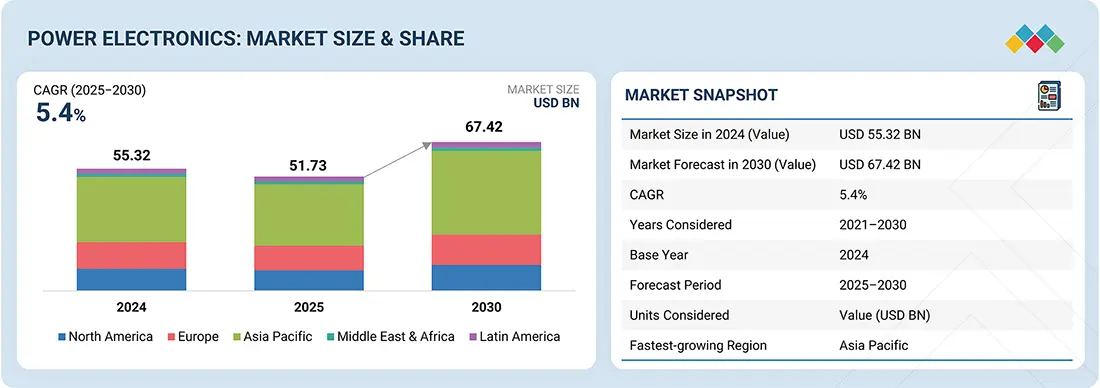
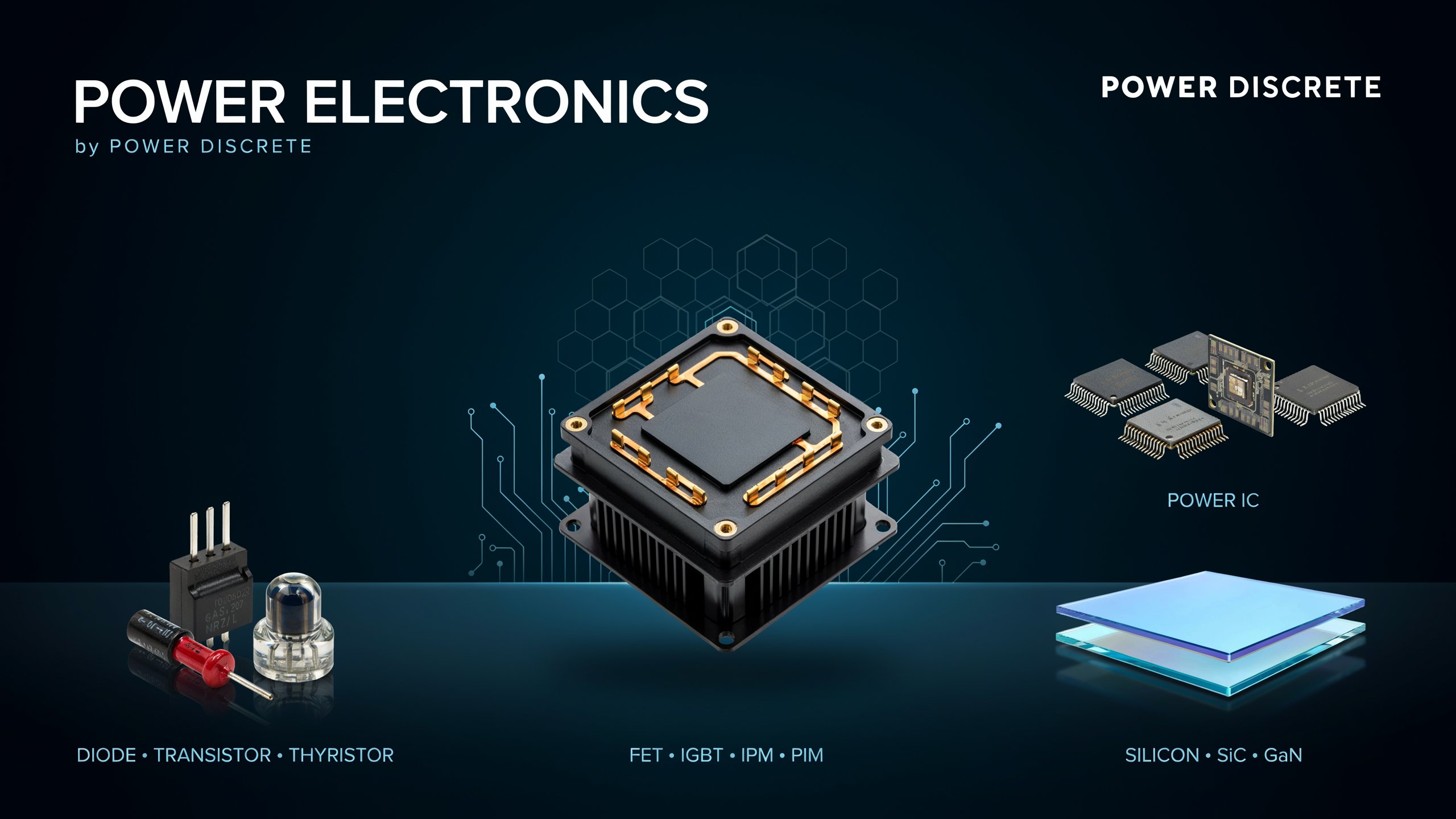
The Power Electronics Market is experiencing rapid transformation as leading power semiconductor companies focus on improving efficiency, increasing power density, expanding semiconductor portfolios, and developing application-specific solutions. Growing electrification across automotive, renewable energy, industrial automation, consumer electronics, data centers, telecommunications, and aerospace is creating strong demand for advanced power devices. To capitalize on these opportunities, leading companies are adopting strategies centered on wide-bandgap semiconductors, advanced manufacturing, strategic partnerships, product diversification, and regional expansion.
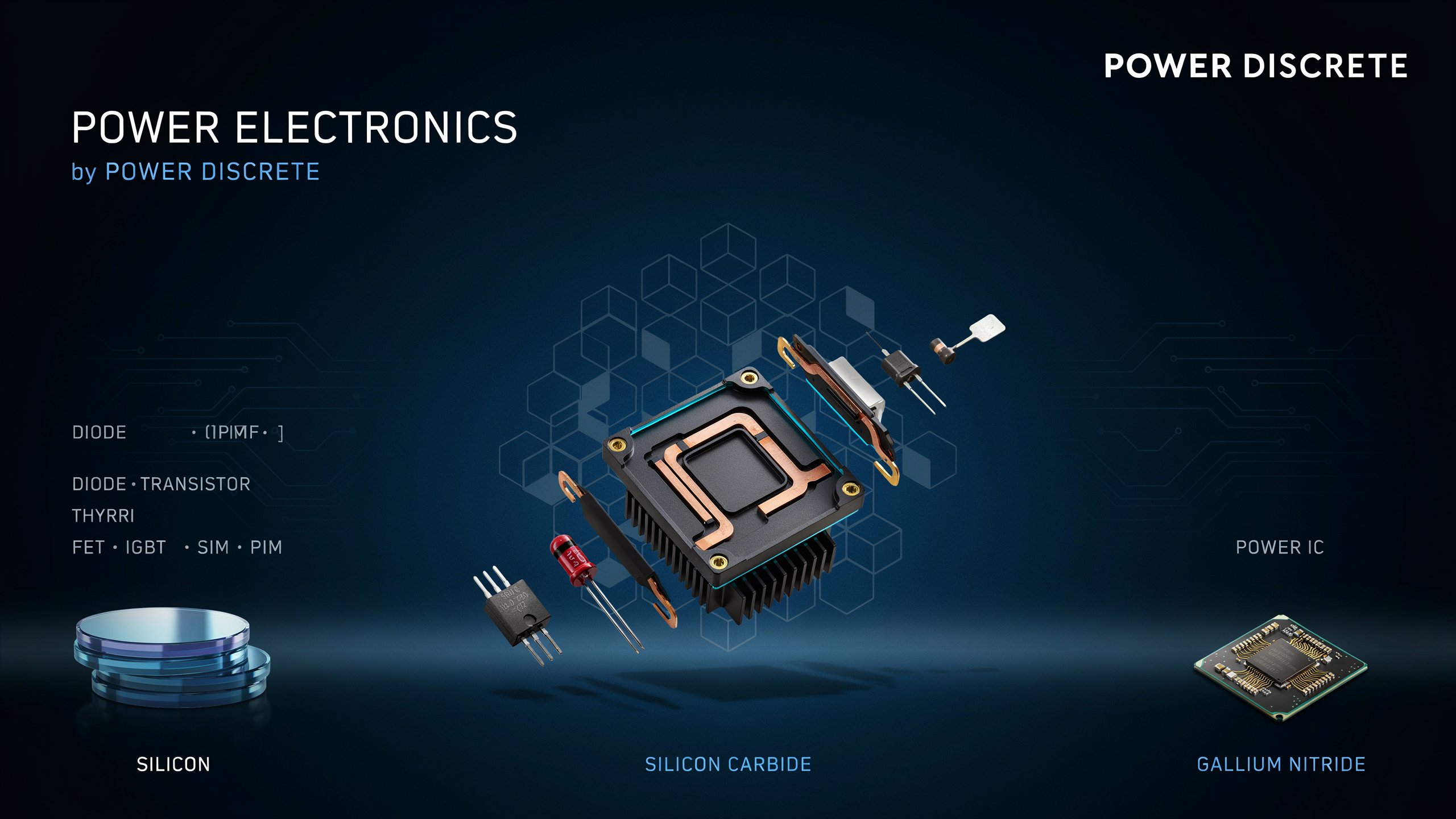
One of the most important strategies is investment in silicon carbide and gallium nitride technologies. Power semiconductor manufacturers are expanding their portfolios beyond conventional silicon devices to address applications requiring higher efficiency, faster switching, higher voltage capability, and improved thermal performance. Silicon carbide is gaining traction in electric vehicle traction inverters, renewable energy systems, industrial drives, and high-power charging, while gallium nitride is increasingly used in fast chargers, consumer electronics, telecommunications, and high-frequency power supplies.
Product innovation is another major strategy adopted by leading companies. Manufacturers are developing MOSFETs, insulated-gate bipolar transistors, diodes, integrated power modules, intelligent power devices, and application-specific solutions with improved electrical and thermal characteristics. Product development is increasingly focused on achieving lower conduction and switching losses while maintaining reliability under demanding operating conditions.
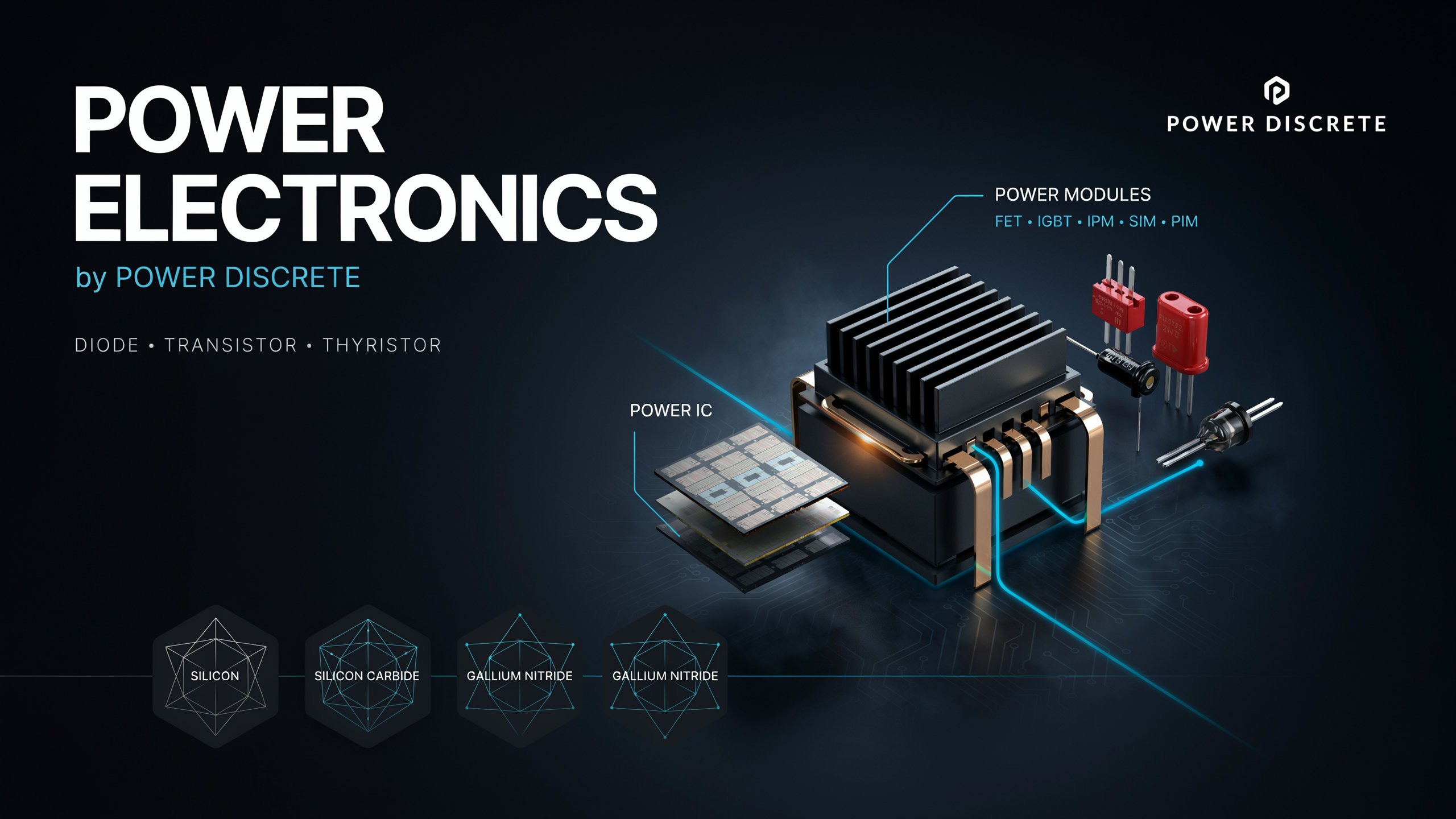
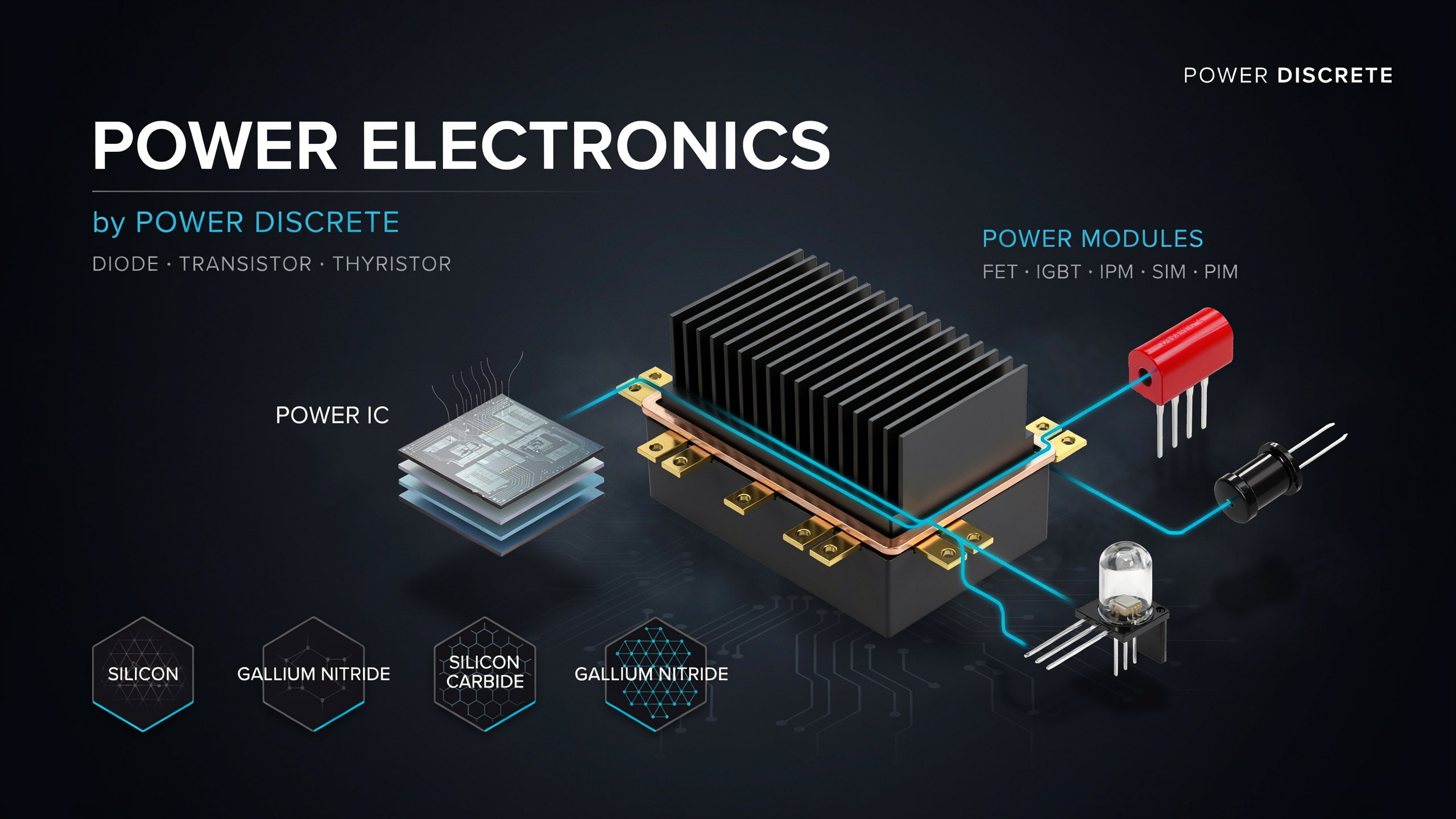
Leading companies are also emphasizing advanced power module technologies. Power modules integrate multiple semiconductor devices into compact packages that can handle high current and voltage levels. Manufacturers are investing in improved substrates, interconnections, thermal interfaces, and package architectures to increase power density and reliability. These innovations are particularly important in electric vehicles, industrial motor drives, renewable energy converters, and grid infrastructure.
Download PDF Brochure @ https://www.marketsandmarkets.com/pdfdownloadNew.asp?id=204729766
Strategic partnerships are becoming increasingly important across the power semiconductor industry. Semiconductor companies are collaborating with automotive manufacturers, renewable energy developers, industrial equipment suppliers, charger manufacturers, and electronics companies to optimize devices for specific applications. Such partnerships can accelerate product development and help semiconductor manufacturers better understand changing customer requirements.
Automotive electrification is encouraging companies to establish dedicated strategies for electric vehicle applications. Leading power semiconductor manufacturers are developing automotive-qualified devices designed for traction inverters, onboard chargers, DC-DC converters, and charging stations. Automotive-grade reliability, thermal performance, functional safety, and long operating life are becoming key factors in product development.
Companies are also expanding their presence in high-power charging infrastructure. The growth of electric vehicles is creating demand for semiconductor devices capable of handling high currents and voltages efficiently. Manufacturers are developing power modules and wide-bandgap devices for fast-charging systems while working with charging equipment providers to improve conversion efficiency and thermal management.
Renewable energy represents another strategic growth area. Leading semiconductor companies are developing devices for solar inverters, wind power converters, battery energy storage systems, and grid-support equipment. These applications require high-efficiency power conversion and reliable operation under changing environmental and electrical conditions. Companies are therefore focusing on devices that can support higher power density while minimizing energy losses.
Inquiry Before Buying @ https://www.marketsandmarkets.com/Enquiry_Before_BuyingNew.asp?id=204729766
Manufacturing capacity expansion is another important competitive strategy. As demand for advanced power semiconductors increases, companies are investing in fabrication facilities, packaging plants, and specialized production capabilities. Expanding manufacturing capacity can help reduce supply constraints and support long-term demand from automotive, energy, industrial, and consumer markets.
Vertical integration is also being explored to strengthen supply-chain resilience. Companies may increase control over semiconductor materials, wafer production, device fabrication, packaging, testing, and module assembly. Greater control over the production process can improve supply reliability, quality management, and product customization while reducing exposure to external supply disruptions.
Research and development investment remains a central strategy. Leading power semiconductor companies are investing in new device structures, materials, manufacturing processes, advanced packaging, thermal management, and digital control technologies. Research efforts increasingly focus on improving switching performance, reducing losses, increasing voltage ratings, and extending semiconductor operating lifetimes.
Companies are also developing integrated solutions rather than selling individual semiconductor components. Power devices are increasingly combined with gate drivers, protection circuits, sensors, controllers, and monitoring capabilities. Integrated solutions can simplify system design for customers and improve the overall performance of power conversion systems.
Digitalization is creating additional strategic opportunities. Semiconductor companies are developing intelligent power devices capable of communicating operational information to control systems. Sensors and monitoring functions can provide data on temperature, voltage, current, and device health. These capabilities support predictive maintenance, energy optimization, and real-time power management.
View detailed Table of Content here – https://www.marketsandmarkets.com/Market-Reports/power-electronics-market-204729766.html
Another strategy involves expanding regional market presence. Asia Pacific remains a major center for electronics manufacturing, semiconductor production, electric vehicle development, and renewable energy deployment. North America offers opportunities in electric mobility, data centers, grid modernization, and domestic semiconductor manufacturing, while Europe is focused strongly on electrification, energy efficiency, renewable energy, and industrial decarbonization. Leading companies are strengthening regional manufacturing, distribution, research, and customer-support networks to capture these opportunities.
Sustainability is also becoming an important component of corporate strategy. Power semiconductor companies are developing technologies that enable lower energy consumption across end-use applications while improving the efficiency of their own manufacturing operations. Energy-efficient semiconductor devices can support customers in reducing electricity consumption and carbon emissions.
Mergers, acquisitions, and technology investments can further strengthen competitive positioning. Companies may acquire specialized semiconductor technologies, intellectual property, manufacturing capabilities, or engineering expertise to accelerate entry into emerging application areas. These strategies can help organizations expand their portfolios and respond more quickly to technological changes.
Despite strong opportunities, companies face challenges related to manufacturing costs, supply-chain volatility, raw material availability, technological competition, qualification requirements, and the high investment needed for semiconductor fabrication. Competition between silicon, silicon carbide, and gallium nitride technologies also requires manufacturers to carefully identify applications where each technology provides the strongest economic and technical advantages.
Looking ahead, leading power semiconductor companies are expected to continue combining technology innovation with manufacturing expansion, strategic partnerships, application-specific product development, and global market expansion. Investments in silicon carbide, gallium nitride, advanced power modules, intelligent devices, digital monitoring, and next-generation packaging will remain important competitive strategies. As global electrification accelerates, companies capable of delivering efficient, reliable, compact, and intelligent power semiconductor solutions are expected to strengthen their position in the evolving Power Electronics Industry.