
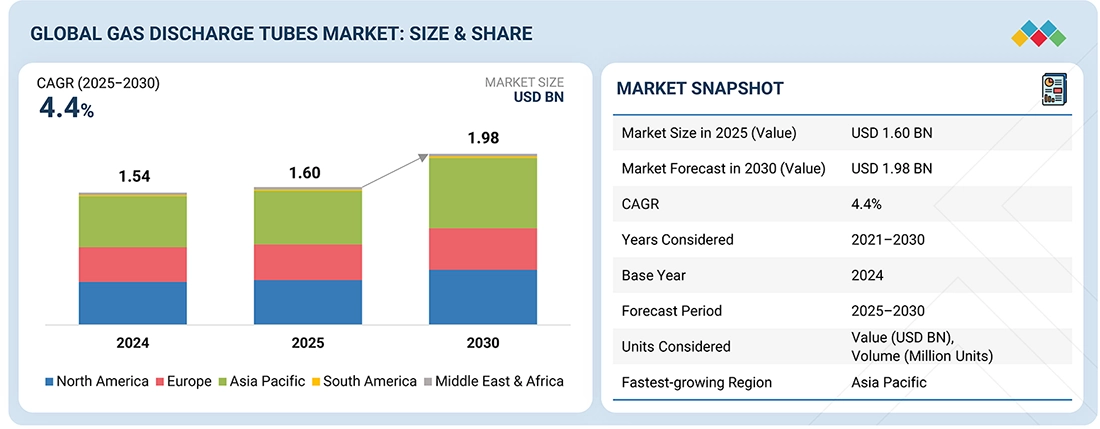
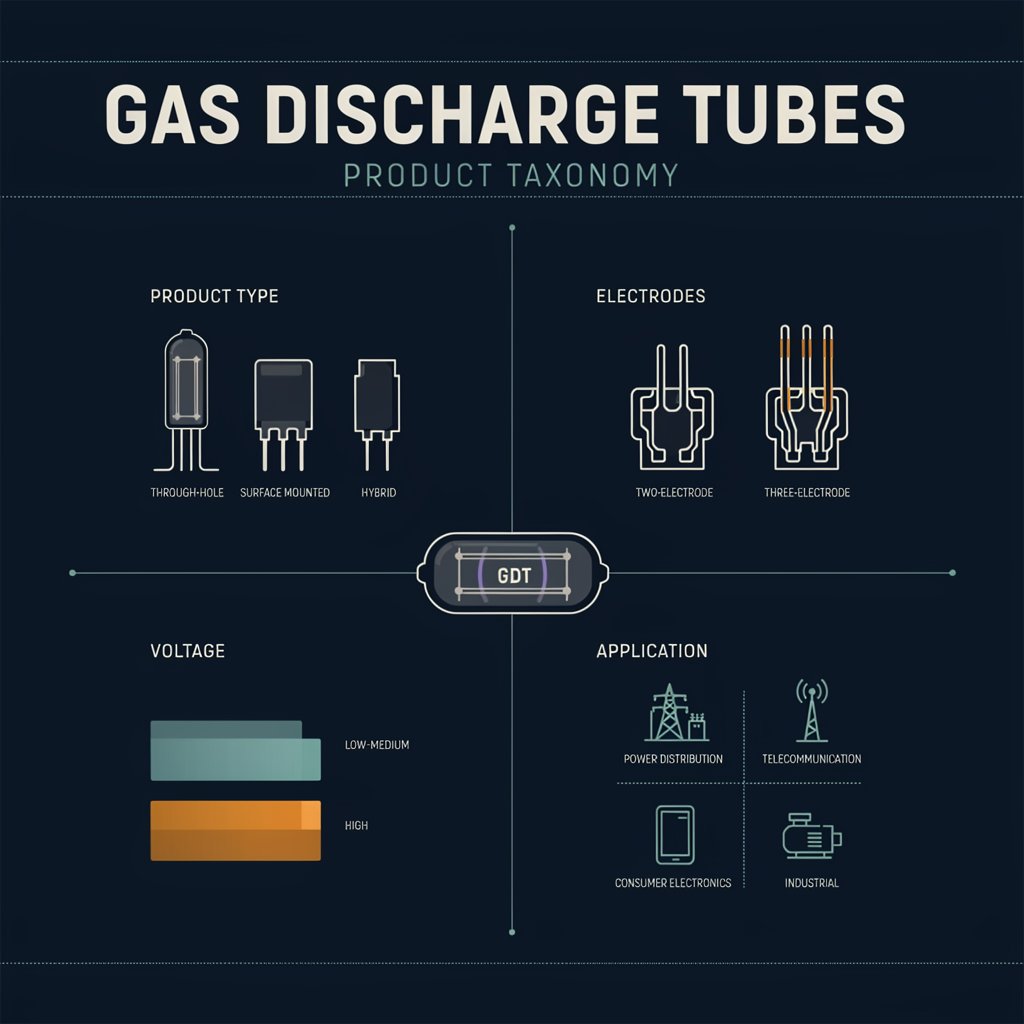
The Gas Discharge Tubes Market is experiencing increasing demand from industrial automation systems as manufacturing facilities adopt connected machines, robotics, sensors, programmable controllers, and intelligent control platforms. Gas discharge tubes, commonly known as GDTs, provide high-energy surge protection by remaining highly resistive under normal operating conditions and becoming conductive when a transient voltage exceeds a predetermined breakdown level. Their ability to divert high-energy surge currents makes them valuable for protecting sensitive automation electronics from lightning-induced surges, switching transients, and other electrical disturbances.
The rapid transition toward smart manufacturing is a major factor supporting market growth. Industrial facilities increasingly depend on automated production lines, machine-to-machine communication, industrial Ethernet, programmable logic controllers, motor drives, and distributed control systems. These technologies rely on sensitive electronic components that can be affected by transient overvoltages. As manufacturers prioritize equipment availability and production continuity, surge protection is becoming an increasingly important part of industrial automation system design.
Industrial environments can generate significant electrical disturbances through the operation of motors, transformers, contactors, relays, variable frequency drives, and inductive loads. Switching these devices can create voltage transients that travel through power and communication networks. External lightning events can introduce additional surge risks, particularly for facilities with extensive outdoor cabling and distributed equipment. Gas discharge tubes can provide a path for high-energy transient currents, helping protect downstream electronic components.
Programmable logic controllers are an important application area within industrial automation. PLCs coordinate machinery, production processes, sensors, and actuators and are essential to many automated operations. A transient event affecting a PLC or its communication interfaces can result in equipment downtime and production interruptions. GDT-based protection can be incorporated into power and signal protection architectures to reduce the risk of surge-related failures.
Download PDF Brochure @ https://www.marketsandmarkets.com/pdfdownloadNew.asp?id=120991765
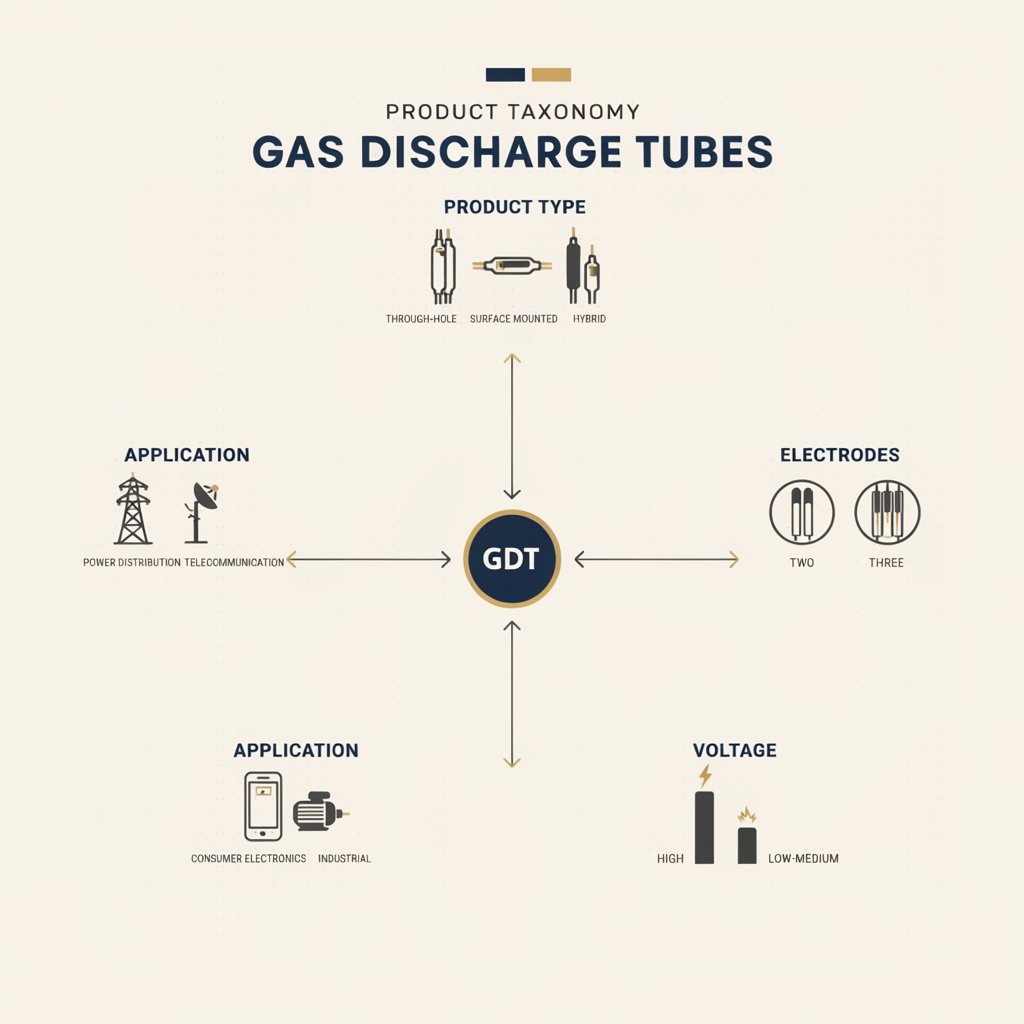
Industrial communication networks are also driving demand. Modern factories use Ethernet-based communication, fieldbus systems, wireless networks, and other technologies to connect machines and control systems. Communication lines can be exposed to induced surge voltages, especially when cables extend across large facilities or between indoor and outdoor equipment. Gas discharge tubes can protect selected communication interfaces while maintaining high impedance during normal operating conditions.
The expansion of Industrial Internet of Things technologies is strengthening this trend. IIoT enables manufacturers to connect sensors, machines, controllers, energy systems, and analytics platforms to improve operational visibility. The number of connected electronic devices in factories is therefore increasing rapidly. Each additional electronic endpoint can create a potential vulnerability to electrical disturbances, expanding the addressable market for compact surge protection components.
Robotics is another important growth area. Automated guided vehicles, industrial robots, collaborative robots, robotic arms, and automated handling systems contain multiple sensors, controllers, communication interfaces, and power electronics. These systems often operate in environments with frequent electrical switching activity. GDTs can complement other protection technologies to safeguard communication and control circuits against high-energy transient events.
Motor drives and power electronics represent another significant application. Variable frequency drives and other power conversion systems control the speed and operation of industrial motors but can also generate switching-related electrical disturbances. Protection architectures incorporating GDTs can help reduce the impact of external surges on connected electronics and communication interfaces. The increasing adoption of energy-efficient motor control systems is therefore creating additional opportunities.
Inquiry Before Buying @ https://www.marketsandmarkets.com/Enquiry_Before_BuyingNew.asp?id=120991765
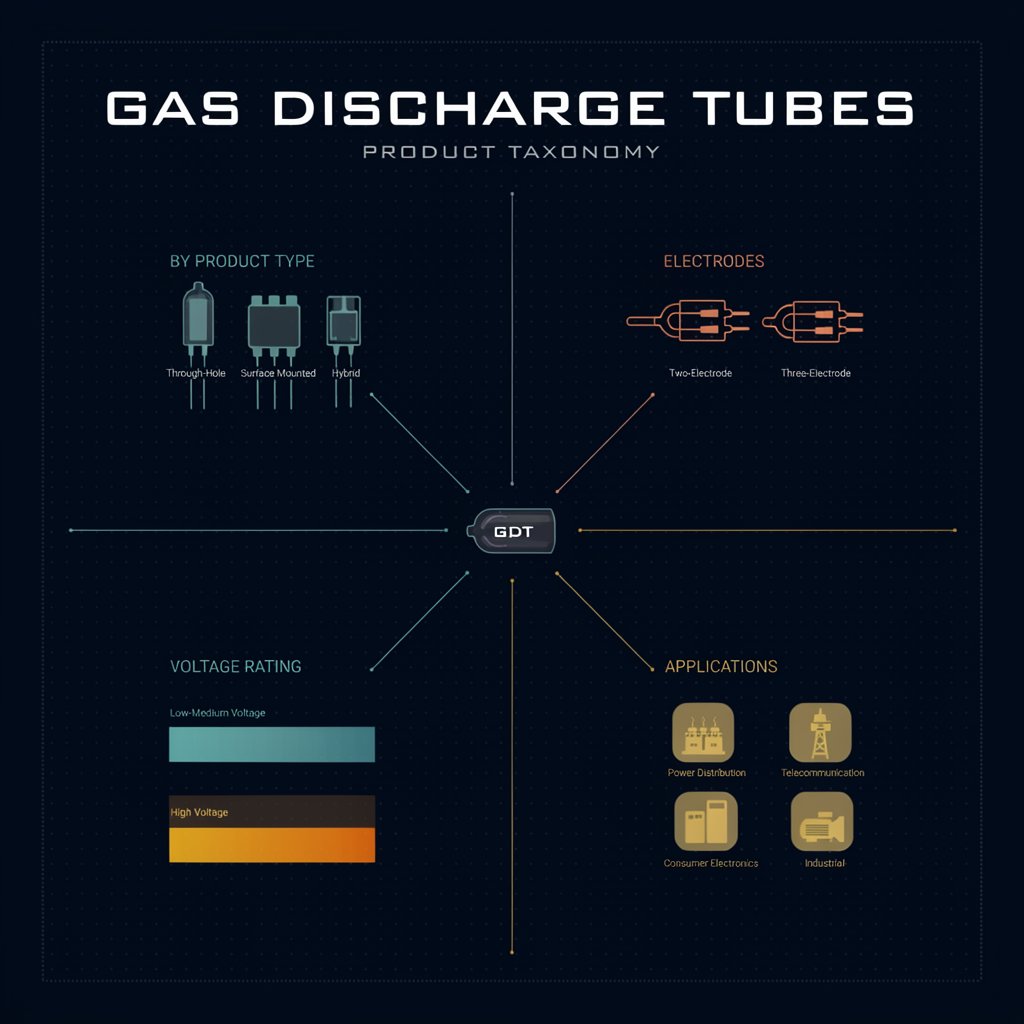
Industrial automation is also expanding beyond traditional manufacturing. Warehouses, logistics centers, water treatment facilities, energy plants, oil and gas facilities, and infrastructure operations increasingly use automated control systems. These environments contain distributed sensors, remote terminals, communication equipment, and electronic controllers. Gas discharge tubes can help protect selected interfaces from transient events, supporting reliable operation across a broader industrial base.
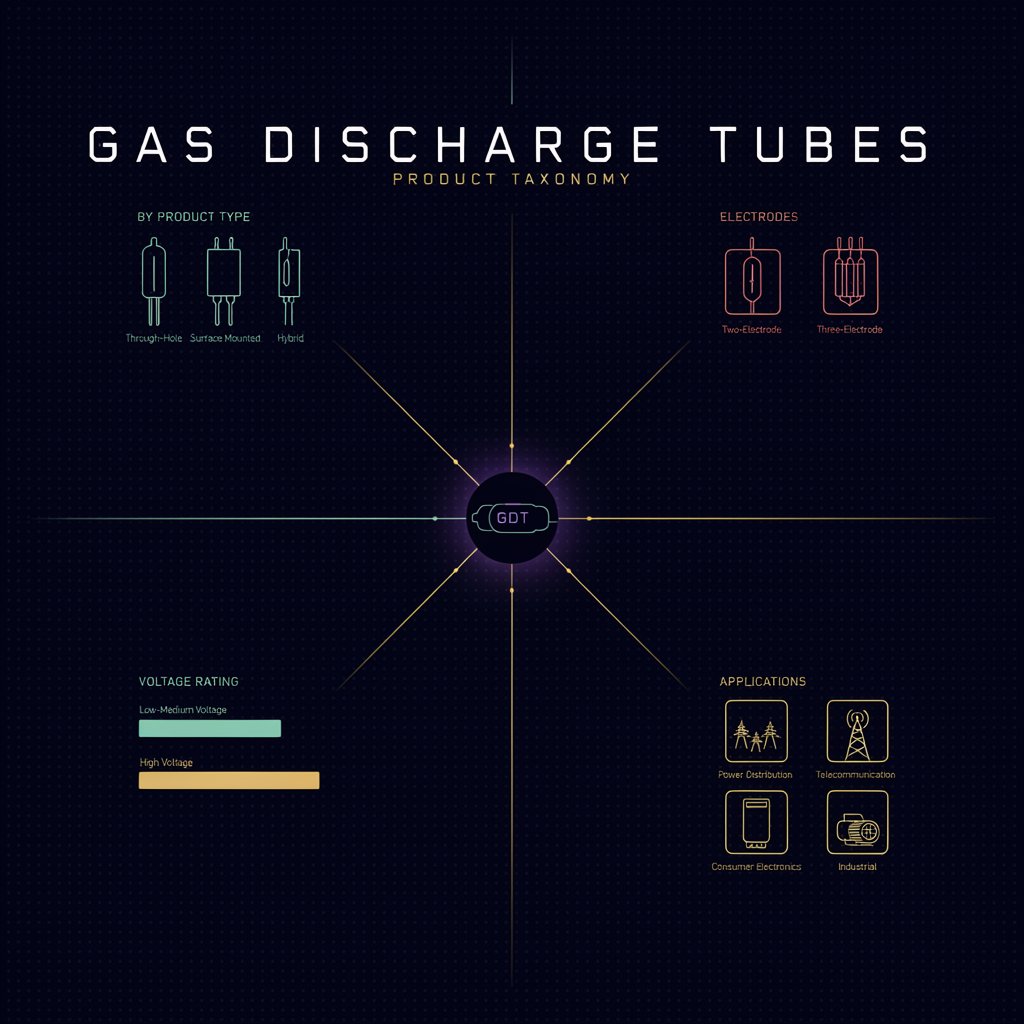
Miniaturization is an important product trend supporting adoption. Industrial control cabinets and electronic assemblies are becoming more compact as manufacturers seek to increase functionality while reducing equipment footprints. Surface-mounted GDTs can provide surge protection within densely populated circuit boards and are compatible with automated assembly processes. Advances in ceramic materials, electrode geometry, gas composition, and packaging are helping manufacturers develop compact devices with reliable surge-current handling.
Three-electrode GDTs can also provide opportunities in industrial automation applications involving multiple communication or signal lines. These devices can offer coordinated protection for selected conductors within compact packages. Their use can simplify circuit protection architectures in applications where multiple lines need to be protected against transient events.
Low-capacitance GDT designs are increasingly relevant for high-speed industrial communication systems. Excessive capacitance can affect signal performance in sensitive communication circuits. Manufacturers are therefore developing GDT products that balance high-energy surge handling with low parasitic capacitance. These characteristics can support applications involving industrial Ethernet and other high-speed communication technologies.
View detailed Table of Content here – https://www.marketsandmarkets.com/Market-Reports/gas-discharge-tubes-market-120991765.html
The integration of GDTs with other circuit protection technologies is another important market trend. Metal oxide varistors, transient voltage suppression devices, fuses, and other components can be combined with GDTs to create layered protection systems. GDTs can handle high-energy surge currents, while complementary components can address faster and lower-energy transient events. This coordinated approach allows industrial equipment designers to tailor protection systems to specific operating conditions.
Regional industrialization will continue to influence market growth. Asia Pacific is a major manufacturing hub and is investing heavily in smart factories, robotics, industrial IoT, and automation technologies. North America is expanding advanced manufacturing, warehouse automation, and connected industrial infrastructure, while Europe is emphasizing Industry 4.0, energy efficiency, robotics, and digital production systems. These trends create opportunities for GDT suppliers across multiple industrial applications.
Despite positive growth prospects, the market faces competition from alternative surge protection technologies and challenges related to cost, component reliability, equipment standards, and application-specific performance requirements. Manufacturers must ensure that GDTs provide stable breakdown characteristics and withstand repeated surge events while operating reliably under varying temperature, humidity, vibration, and electromagnetic conditions.
Looking ahead, the Gas Discharge Tubes Market is expected to benefit from the continued adoption of industrial automation, smart manufacturing, robotics, IIoT, connected control systems, and advanced industrial communication networks. As factories become more digitally integrated, the potential impact of electrical disturbances on production operations will increase. Innovations in compact packaging, low-capacitance designs, multi-electrode configurations, high-energy surge handling, and coordinated protection architectures will strengthen the role of gas discharge tubes in improving the reliability and resilience of next-generation industrial automation systems.