
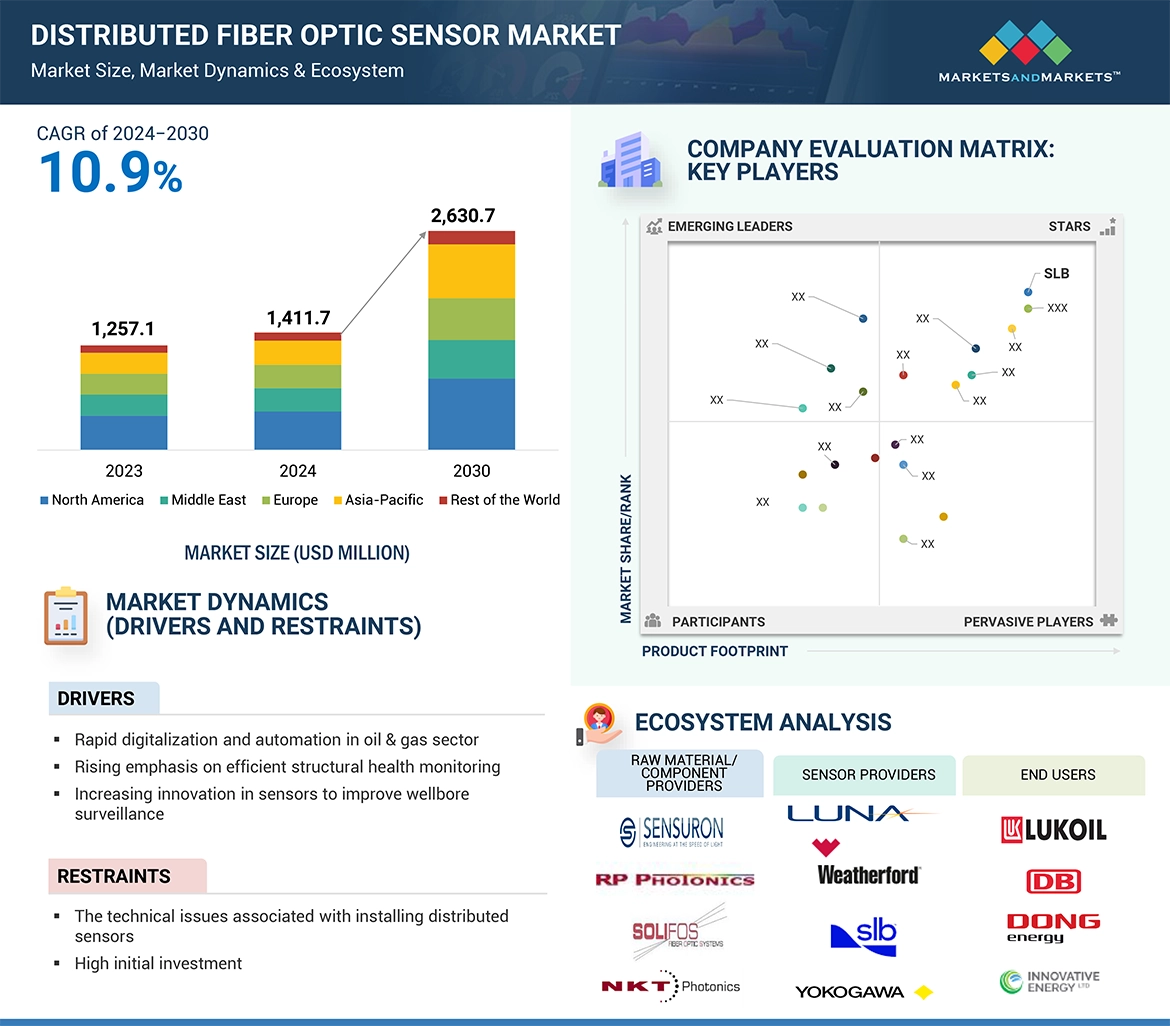
The Distributed Fiber Optic Sensor Market for temperature monitoring applications is experiencing significant growth as industries increasingly demand accurate, continuous, and real-time thermal monitoring across critical infrastructure and industrial processes. Temperature is one of the most important operational parameters affecting the safety, reliability, and efficiency of industrial assets. Traditional temperature sensors typically provide measurements only at specific locations, leaving large portions of infrastructure unmonitored. Distributed fiber optic temperature sensing overcomes this limitation by transforming an entire optical fiber into a continuous temperature sensor capable of measuring thermal conditions over distances extending from several kilometers to more than one hundred kilometers. This unique capability has positioned distributed fiber optic sensing as a preferred solution across oil and gas, power generation, transportation, renewable energy, manufacturing, mining, and civil infrastructure applications.
One of the primary drivers of market growth is the increasing demand for continuous temperature monitoring in the energy sector. Oil and gas production facilities operate under challenging environmental conditions where accurate temperature measurement is essential for ensuring equipment reliability and operational safety. Distributed Temperature Sensing (DTS) systems enable continuous thermal monitoring of pipelines, wells, offshore platforms, storage tanks, and refineries. By identifying abnormal temperature variations, operators can detect leaks, insulation failures, flow irregularities, and equipment malfunctions before they develop into serious operational problems. Continuous thermal monitoring improves production efficiency while reducing maintenance costs and environmental risks.
Pipeline monitoring remains one of the largest temperature sensing applications within the distributed fiber optic sensor market. Oil, natural gas, chemical, water, and hydrogen pipelines often extend across remote regions where conventional monitoring methods may be difficult to implement. Fiber optic temperature sensing enables operators to identify localized temperature anomalies associated with leaks, mechanical failures, or external interference. Early detection allows rapid corrective action, minimizing product losses, environmental damage, and operational disruptions. As governments strengthen environmental regulations and pipeline safety requirements, distributed temperature sensing continues gaining widespread adoption.
Download PDF Brochure @ https://www.marketsandmarkets.com/pdfdownloadNew.asp?id=113715879

Power transmission infrastructure also represents a major growth area for temperature monitoring applications. Underground power cables, high-voltage transmission lines, substations, and electrical distribution networks require continuous thermal supervision to prevent overheating and equipment failure. Distributed fiber optic sensors monitor cable temperatures along their entire length, enabling utilities to identify hotspots before damage occurs. Real-time thermal information allows operators to optimize electrical loading while extending equipment lifespan and reducing maintenance expenses. The increasing modernization of electrical grids worldwide continues driving investment in distributed temperature sensing technologies.
Renewable energy projects are becoming increasingly important users of distributed fiber optic temperature monitoring systems. Wind farms, solar power plants, battery energy storage systems, and hydroelectric facilities require reliable thermal monitoring to maximize operational efficiency and ensure safe equipment operation. In battery energy storage installations, distributed temperature sensing enables early identification of thermal imbalances that could potentially lead to overheating or thermal runaway events. Continuous monitoring enhances operational safety while supporting the growing deployment of renewable energy infrastructure.
Industrial manufacturing facilities increasingly rely on distributed temperature sensing to improve production quality and equipment reliability. Manufacturing processes involving furnaces, kilns, chemical reactors, metal processing, semiconductor fabrication, and advanced materials production require precise temperature control to maintain product consistency. Distributed fiber optic sensors provide highly accurate thermal profiles across production equipment, enabling manufacturers to optimize process performance while reducing defects and energy consumption. As industrial automation continues expanding, advanced thermal monitoring solutions are becoming essential components of intelligent manufacturing systems.
The mining industry also contributes significantly to market growth. Underground mining operations present challenging environments where temperature monitoring is critical for worker safety and operational efficiency. Distributed fiber optic sensors continuously monitor ventilation systems, conveyor belts, electrical infrastructure, underground tunnels, and processing facilities. Early detection of abnormal heat generation helps prevent equipment failures, fire hazards, and unsafe working conditions. Continuous thermal monitoring improves overall mine safety while supporting efficient resource extraction.
Inquiry Before Buying @ https://www.marketsandmarkets.com/Enquiry_Before_BuyingNew.asp?id=113715879
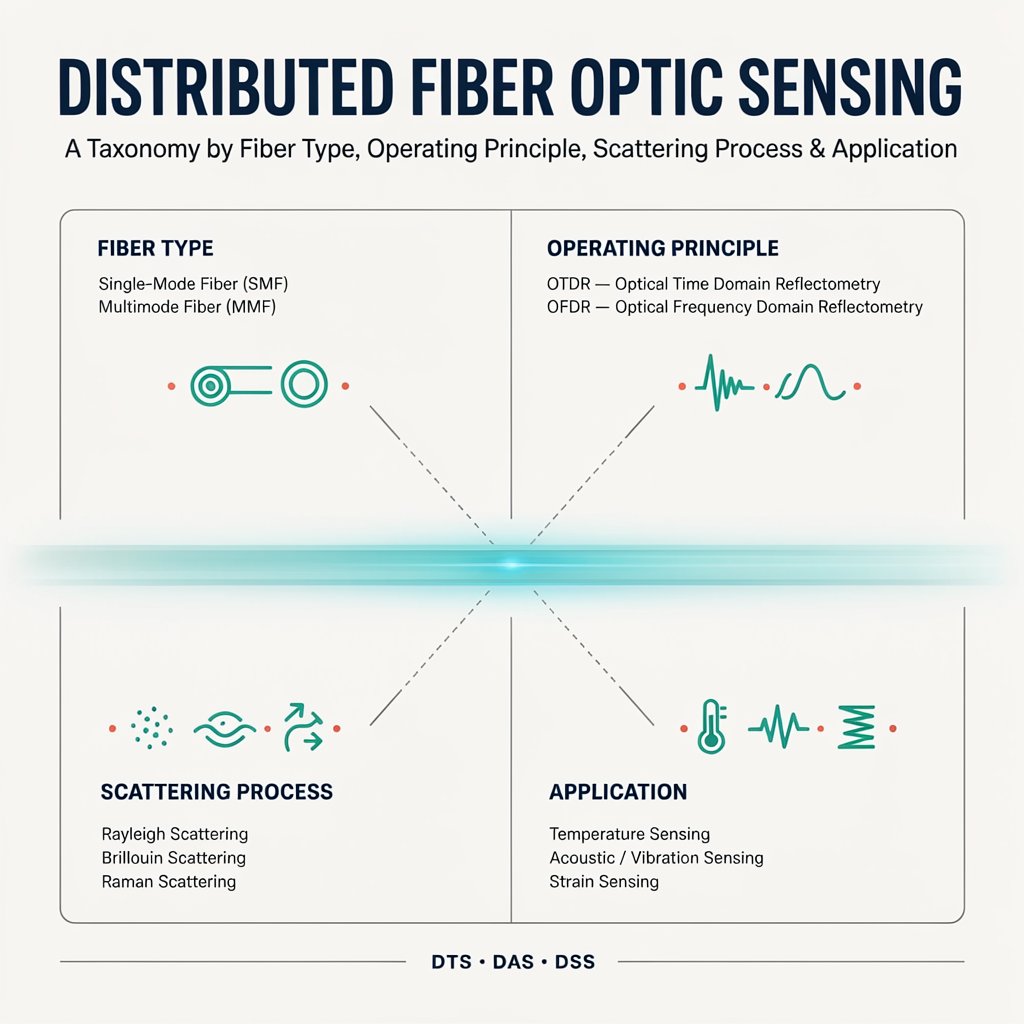
Transportation infrastructure is another rapidly expanding application area. Railway systems, tunnels, bridges, airports, and metro networks require continuous temperature monitoring to maintain safe operations under varying environmental conditions. Distributed fiber optic sensing technologies identify abnormal heating within electrical systems, rail components, tunnel structures, and transportation infrastructure. These monitoring capabilities enable infrastructure operators to schedule maintenance proactively while reducing the likelihood of service disruptions and safety incidents.
Civil infrastructure monitoring has become increasingly important as governments invest in resilient infrastructure development. Bridges, dams, tunnels, retaining walls, and large public structures experience thermal expansion and contraction that can influence structural performance over time. Distributed temperature sensing enables engineers to observe thermal behavior continuously, providing valuable information regarding structural health and environmental influences. Long-term monitoring supports predictive maintenance while extending infrastructure service life and reducing inspection costs.
Technological innovation continues improving the performance of distributed temperature sensing systems. Modern DTS technologies offer greater measurement accuracy, faster response times, higher spatial resolution, and longer monitoring distances than earlier generations of sensing equipment. Advances in Raman scattering techniques, optical interrogators, laser stability, and signal processing algorithms enable increasingly reliable thermal measurements under demanding industrial conditions. These improvements continue expanding commercial applications across multiple industries.
Artificial intelligence is becoming an important enhancement for temperature monitoring systems. Distributed fiber optic sensors generate continuous streams of temperature data that require advanced analytical capabilities for effective interpretation. Machine learning algorithms automatically identify abnormal thermal patterns, predict equipment failures, classify operational conditions, and recommend preventive maintenance actions. AI-driven analytics reduce false alarms while enabling intelligent infrastructure monitoring with minimal human intervention.
View detailed Table of Content here – https://www.marketsandmarkets.com/Market-Reports/distributed-fiber-optic-sensor-market-113715879.html

Cloud computing and Industrial Internet of Things integration further strengthen temperature monitoring capabilities. Fiber optic sensing systems increasingly connect with centralized cloud platforms that aggregate real-time thermal data from geographically distributed assets. Operators gain comprehensive visibility into infrastructure performance through digital dashboards, predictive analytics, and automated maintenance recommendations. Cloud-enabled monitoring supports enterprise-wide asset management while improving operational decision-making across multiple facilities.
The growing emphasis on predictive maintenance continues driving adoption of distributed temperature sensing technologies. Rather than relying on scheduled inspections or reactive repairs, organizations increasingly monitor equipment continuously to identify developing problems before failures occur. Temperature often serves as one of the earliest indicators of equipment degradation, making continuous thermal monitoring an essential element of modern maintenance strategies. Early intervention reduces downtime while improving equipment reliability and lowering maintenance costs.
Environmental sustainability also contributes to market expansion. Continuous temperature monitoring enables industries to optimize energy consumption, improve process efficiency, reduce emissions, and minimize resource waste. Better thermal management supports sustainable industrial operations while helping organizations achieve environmental performance targets and regulatory compliance.
Despite strong market growth, certain challenges remain. Initial implementation costs, specialized installation requirements, system integration complexity, and management of large volumes of monitoring data continue requiring careful planning. However, ongoing technological advancements, increased manufacturing scale, and software innovation are steadily reducing these barriers while improving overall system affordability.
Looking toward 2030, temperature monitoring applications are expected to remain one of the most important segments within the Distributed Fiber Optic Sensor market. Growing investment in smart infrastructure, renewable energy, industrial automation, predictive maintenance, and digital asset management will continue accelerating adoption worldwide. As distributed temperature sensing technologies become more accurate, intelligent, and integrated with advanced digital platforms, they will play an increasingly vital role in improving operational safety, infrastructure reliability, energy efficiency, and industrial productivity across global markets.