
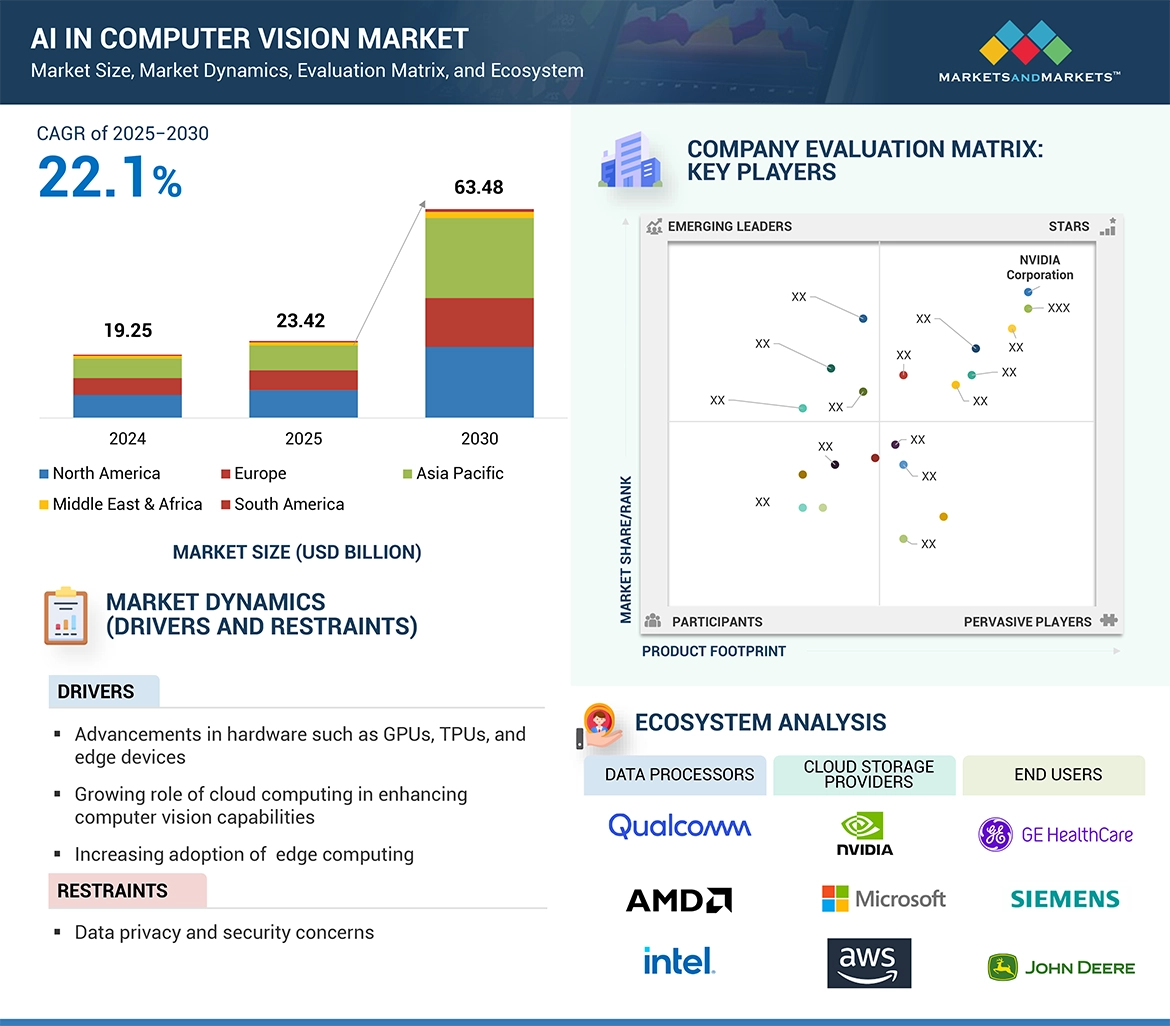
The AI in Computer Vision Market is undergoing rapid transformation as edge computing and real-time analytics become fundamental technologies supporting intelligent visual processing. Organizations across manufacturing, healthcare, automotive, retail, logistics, agriculture, energy, and smart cities increasingly require instant analysis of images and video streams without depending solely on centralized cloud infrastructure. Edge computing enables artificial intelligence algorithms to process visual data directly on cameras, industrial equipment, autonomous vehicles, drones, and embedded devices, while real-time analytics converts visual information into immediate operational insights. Together, these technologies are improving decision-making speed, reducing latency, enhancing data security, and expanding the practical deployment of AI-powered computer vision across mission-critical applications.
One of the most significant trends shaping the market is the migration of AI workloads from cloud data centers to edge devices. Traditional cloud-based computer vision systems transmit captured images or video streams to remote servers for processing before returning results to users. Although cloud platforms offer substantial computing power, this approach introduces network delays and increases bandwidth requirements. Modern organizations increasingly require instant visual intelligence for applications where milliseconds matter. Edge computing addresses these challenges by enabling AI inference directly on local hardware, allowing systems to make decisions immediately without relying on constant internet connectivity.
Manufacturing is among the leading sectors adopting edge-enabled computer vision solutions. Production facilities operate at high speeds where delays in identifying defects or equipment failures can result in significant financial losses. AI-powered cameras positioned along production lines continuously inspect products for defects, monitor robotic operations, verify assembly accuracy, and detect abnormal production conditions in real time. Processing visual information directly at the edge allows manufacturers to remove defective products instantly, adjust machine parameters automatically, and maintain uninterrupted production while reducing waste and improving product quality.
Industrial automation is further accelerating adoption of real-time computer vision analytics. Smart factories increasingly integrate cameras, sensors, industrial robots, programmable logic controllers, and manufacturing execution systems into connected production environments. Edge AI enables these systems to collaborate seamlessly by analyzing visual information locally and responding immediately to operational changes. Real-time analytics also supports predictive maintenance by continuously monitoring equipment conditions, identifying wear patterns, detecting leaks, and recognizing abnormal operating behavior before equipment failures occur.
Download PDF Brochure @ https://www.marketsandmarkets.com/pdfdownloadNew.asp?id=141658064
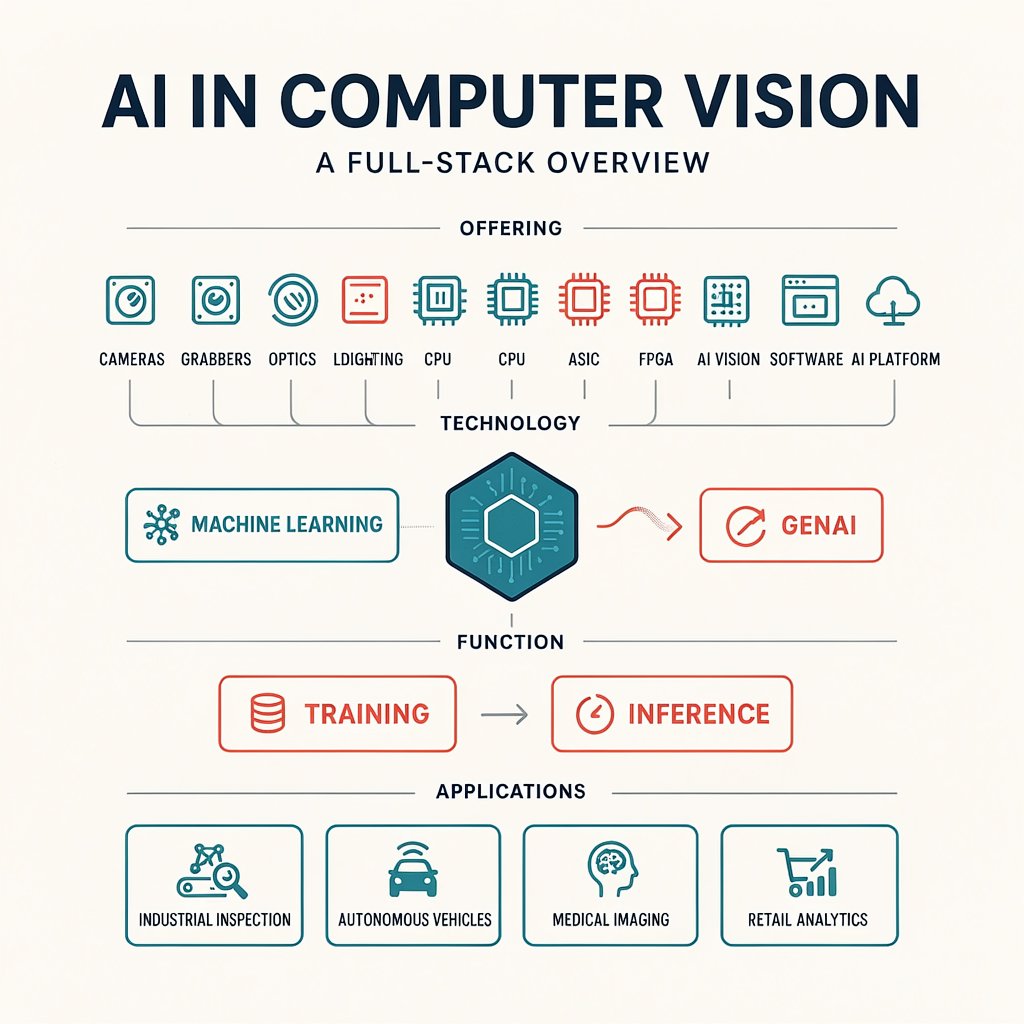
Autonomous transportation represents another major application benefiting from edge computing. Self-driving vehicles, advanced driver assistance systems, delivery robots, drones, and intelligent transportation infrastructure require immediate interpretation of surrounding environments to ensure safe operation. AI-powered computer vision processes camera feeds directly within onboard computing platforms, allowing vehicles to recognize pedestrians, traffic signs, lane markings, obstacles, and road conditions without cloud dependency. Low-latency processing is essential because even small communication delays could affect navigation accuracy and operational safety.
Healthcare organizations are increasingly utilizing edge-based computer vision for diagnostic imaging and patient monitoring. Medical devices equipped with embedded artificial intelligence analyze visual information locally, enabling rapid diagnosis and immediate clinical decision-making. Real-time image processing supports applications including radiology, pathology, surgical navigation, ophthalmology, dermatology, and intensive care monitoring. Edge computing also improves patient privacy by minimizing the transmission of sensitive medical images across external networks while maintaining high analytical performance.
Retail transformation is creating additional opportunities for edge-enabled AI vision systems. Intelligent checkout solutions, customer behavior analysis, inventory monitoring, shelf management, and loss prevention increasingly rely on local image processing to improve operational responsiveness. Computer vision systems deployed within retail environments analyze shopper movements, recognize products, monitor stock availability, and identify checkout transactions instantly. Local processing improves customer experiences while reducing operational complexity and network infrastructure requirements.
Smart cities continue driving demand for edge computing and real-time analytics. Urban infrastructure increasingly includes intelligent cameras monitoring traffic flow, pedestrian movement, public safety, environmental conditions, and transportation systems. Processing visual information locally enables faster traffic signal adjustments, immediate accident detection, emergency response coordination, and public safety monitoring. Real-time analytics also supports infrastructure management by continuously monitoring roads, bridges, tunnels, public transportation, and utilities while identifying maintenance requirements before service disruptions occur.
Inquiry Before Buying @ https://www.marketsandmarkets.com/Enquiry_Before_BuyingNew.asp?id=141658064
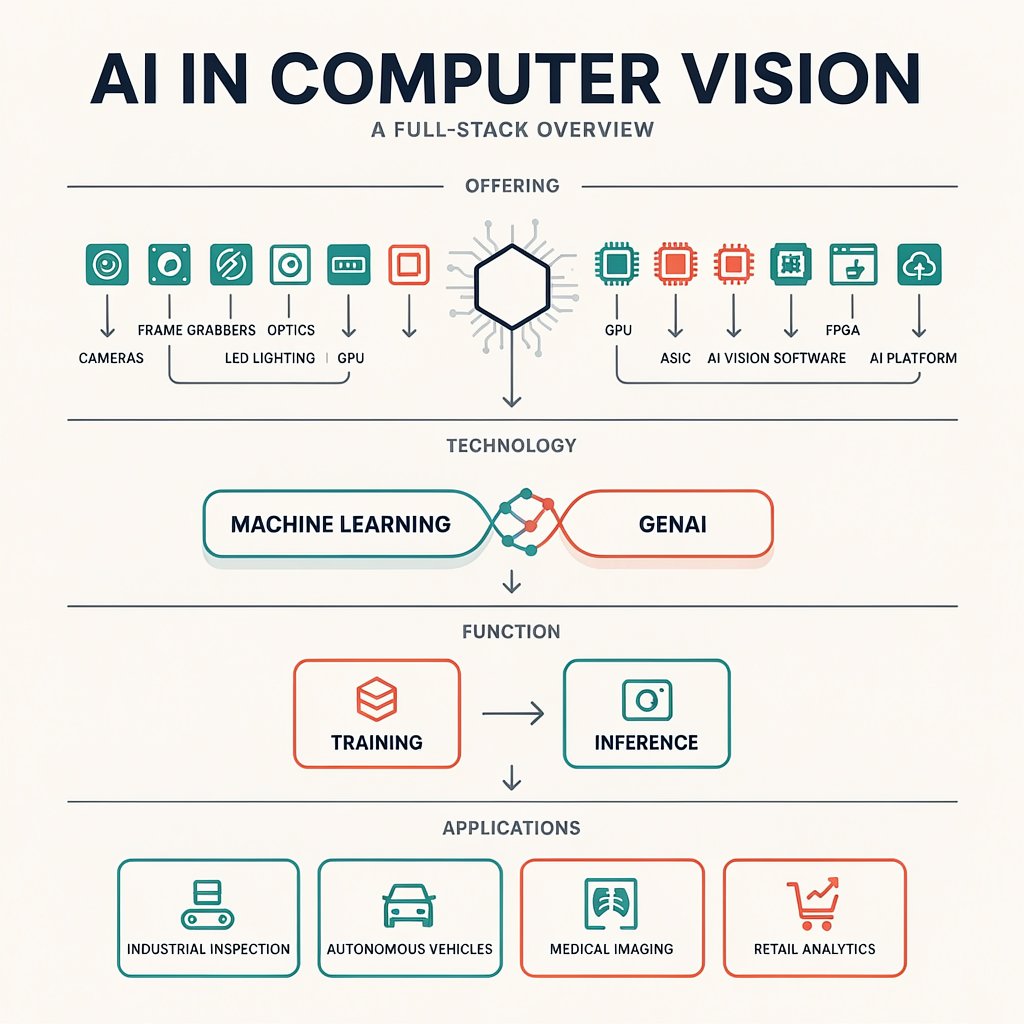
The widespread deployment of Internet of Things devices is strengthening the role of edge computing within the AI in Computer Vision market. Connected cameras, drones, robots, industrial sensors, wearable devices, and intelligent machinery continuously generate enormous volumes of visual information. Transmitting all this data to centralized cloud servers is often impractical due to bandwidth limitations and operational costs. Edge intelligence allows organizations to analyze data at its source while transmitting only meaningful insights or exceptional events to centralized management platforms.
Artificial intelligence hardware innovation continues supporting edge deployment. Specialized processors including Graphics Processing Units, Neural Processing Units, Tensor Processing Units, Application-Specific Integrated Circuits, and Field Programmable Gate Arrays provide increasingly powerful local computing capabilities while maintaining low energy consumption. These dedicated AI accelerators enable sophisticated computer vision algorithms to operate efficiently on embedded platforms ranging from industrial cameras to mobile devices and autonomous systems.
Cloud computing remains an important component of modern AI in Computer Vision architectures despite growing edge adoption. Rather than replacing cloud infrastructure, edge computing complements centralized platforms through hybrid deployment models. Edge devices perform immediate image analysis and operational decision-making, while cloud platforms provide large-scale model training, centralized management, long-term data storage, and enterprise-wide analytics. This hybrid architecture combines the speed of local processing with the scalability of cloud infrastructure, creating flexible and efficient computer vision ecosystems.
Real-time analytics is becoming increasingly sophisticated through advances in deep learning and artificial intelligence algorithms. Modern computer vision systems perform continuous object detection, image segmentation, facial recognition, behavior analysis, anomaly detection, and predictive monitoring while processing live video streams with remarkable accuracy. These analytical capabilities enable organizations to respond proactively to changing operational conditions rather than reacting after problems occur.
View detailed Table of Content here – https://www.marketsandmarkets.com/Market-Reports/ai-in-computer-vision-market-141658064.html
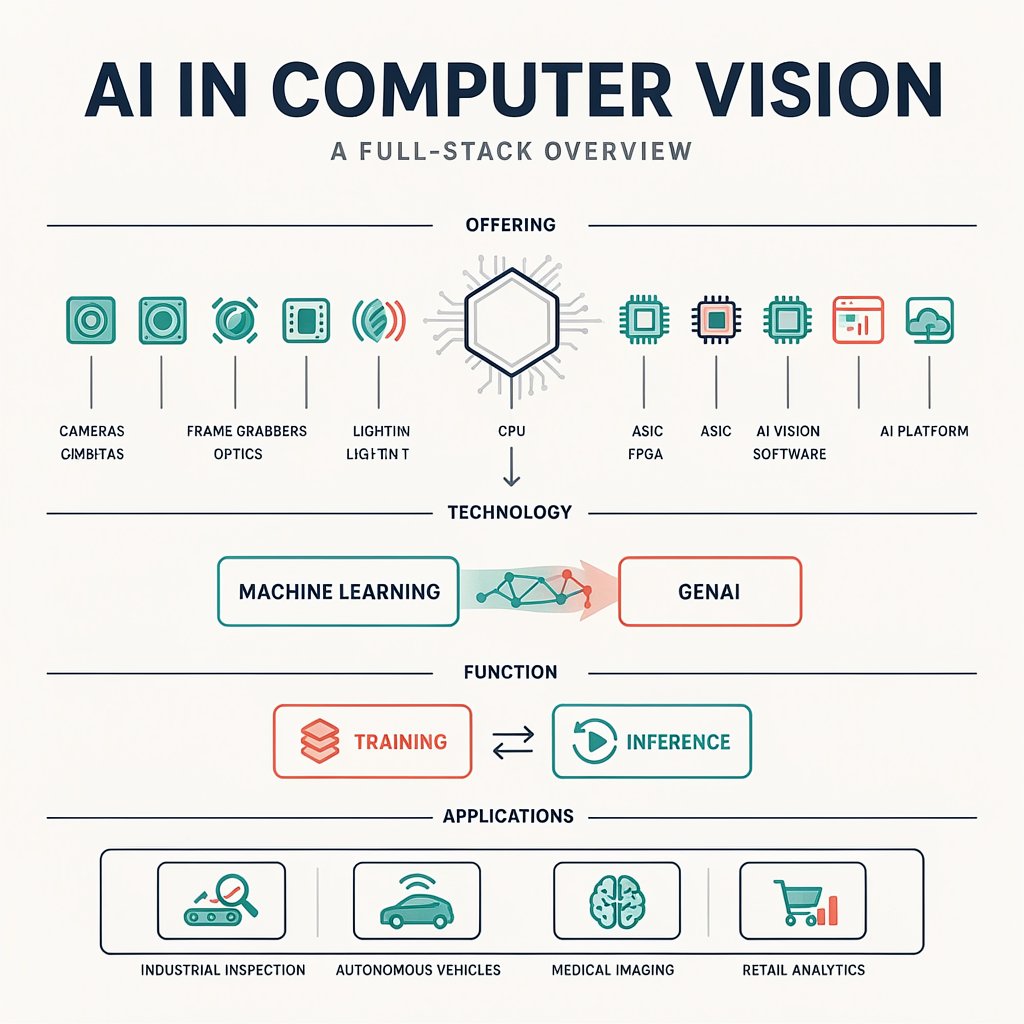
Cybersecurity and data privacy are also influencing market trends. Processing visual information locally reduces exposure of sensitive data by limiting unnecessary transmission across public networks. Industries such as healthcare, finance, defense, and critical infrastructure increasingly prefer edge computing because it enhances regulatory compliance while reducing cybersecurity risks associated with centralized data storage. Secure edge platforms incorporate encrypted processing, identity management, and secure software updates to further strengthen operational resilience.
Energy efficiency has become another important focus area. AI hardware manufacturers continue optimizing processors to deliver higher computational performance with lower power consumption. These improvements enable battery-powered cameras, drones, wearable devices, and autonomous robots to perform advanced computer vision tasks for extended periods while maintaining efficient energy utilization. Improved efficiency supports broader deployment across remote and mobile operating environments.
Looking toward 2030, edge computing and real-time analytics will continue transforming the AI in Computer Vision market by enabling faster, more intelligent, and more autonomous visual decision-making. Continued advances in artificial intelligence, semiconductor technologies, hybrid cloud-edge architectures, Industrial Internet of Things, 5G connectivity, and autonomous systems will further expand the capabilities of edge-based vision platforms. As organizations increasingly prioritize low-latency processing, operational efficiency, cybersecurity, and intelligent automation, edge computing and real-time analytics will remain central technologies driving the next generation of AI-powered computer vision solutions across global industries.