
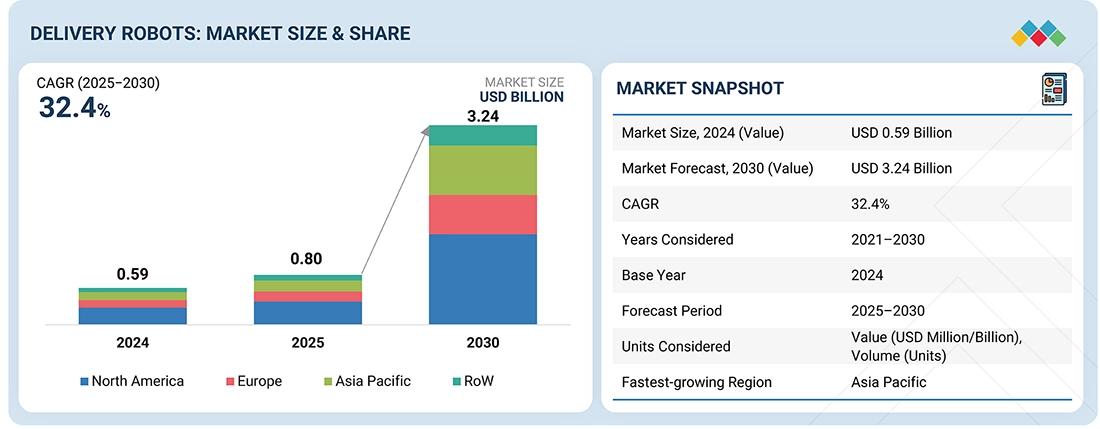
The Delivery Robots Market is experiencing significant growth as the rapid expansion of e-commerce transforms global logistics and consumer purchasing behavior. Online shopping has become an essential part of modern retail, with consumers expecting fast, convenient, and reliable delivery services for everything from groceries and electronics to pharmaceuticals and daily essentials. This dramatic increase in online orders has intensified pressure on logistics providers and retailers to optimize last-mile delivery operations while controlling costs and improving customer satisfaction. Autonomous delivery robots have emerged as an effective solution to these challenges by offering intelligent, contactless, and cost-efficient transportation for short-distance deliveries. As e-commerce continues expanding worldwide, delivery robots are becoming an increasingly important component of next-generation fulfillment networks.
The growth of online retail is one of the strongest drivers supporting the adoption of delivery robots. Consumers increasingly prefer the convenience of ordering products through digital platforms rather than visiting physical stores. This shift has generated an unprecedented volume of deliveries that traditional logistics systems often struggle to manage efficiently. Last-mile delivery remains the most expensive and operationally complex stage of the supply chain, accounting for a significant portion of total logistics expenses. Delivery robots help reduce these costs by automating repetitive local deliveries while enabling businesses to improve operational efficiency and expand delivery capacity.
The rise of same-day and next-day delivery expectations has accelerated investment in autonomous logistics solutions. Consumers increasingly expect rapid order fulfillment regardless of product category, making delivery speed a critical competitive differentiator for retailers. Delivery robots support these expectations by transporting packages directly from nearby fulfillment centers or retail stores to customers within localized service areas. Their ability to complete short-distance deliveries efficiently allows businesses to reduce delivery times while maintaining consistent service quality throughout the day.
Quick commerce has become another major factor driving market growth. The demand for groceries, household products, personal care items, and convenience goods delivered within minutes has encouraged retailers to establish localized fulfillment models supported by autonomous transportation. Delivery robots operate effectively within neighborhood delivery zones, enabling businesses to complete multiple deliveries over relatively short distances. This capability supports high-frequency delivery operations while reducing dependence on conventional delivery vehicles and manual courier services.
Download PDF Brochure @ https://www.marketsandmarkets.com/pdfdownloadNew.asp?id=263997316
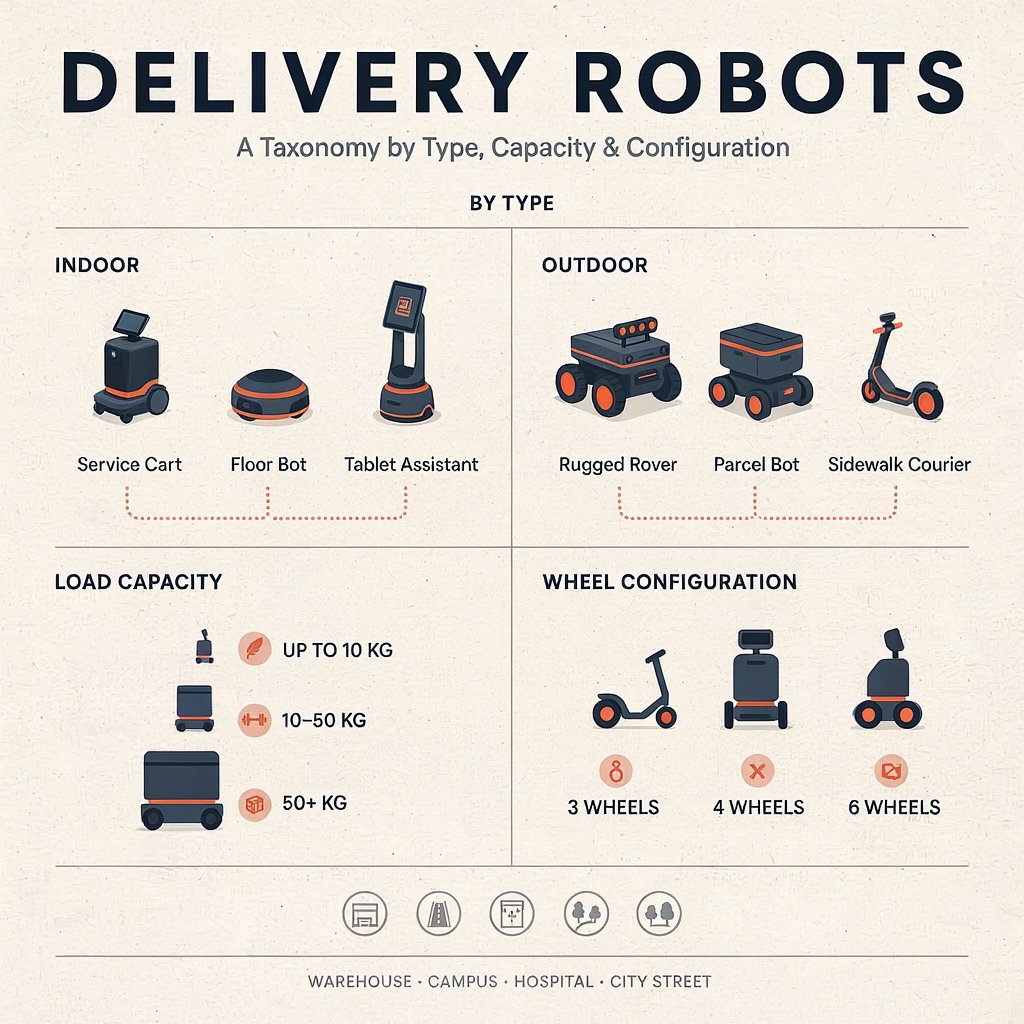
Micro-fulfillment centers are becoming increasingly integrated with delivery robot operations. These compact distribution facilities are strategically located close to residential communities, allowing retailers to store frequently purchased products near customers. Autonomous delivery robots transport orders directly from these centers, significantly reducing transportation time and operating costs. The combination of localized inventory and robotic delivery improves order accuracy, shortens fulfillment cycles, and supports scalable urban logistics strategies that align with evolving consumer expectations.
Artificial intelligence is playing a central role in supporting e-commerce-driven market expansion. AI-powered delivery robots continuously analyze delivery routes, traffic conditions, pedestrian movement, weather patterns, and operational data to optimize navigation and improve delivery efficiency. Machine learning algorithms enable robots to learn from previous deliveries, improving decision-making and reducing travel time over repeated operations. AI also enhances fleet management by coordinating multiple robots simultaneously, optimizing delivery assignments, and predicting demand patterns to maximize operational productivity.
Computer vision and advanced sensor technologies further strengthen the capabilities of autonomous delivery robots. Cameras, LiDAR, radar, ultrasonic sensors, and GPS work together to provide real-time environmental awareness, allowing robots to navigate safely through urban neighborhoods and commercial districts. These technologies enable obstacle detection, pedestrian recognition, route planning, and adaptive navigation that are essential for reliable last-mile delivery. As sensor technology continues improving, delivery robots become increasingly capable of operating under diverse environmental conditions and complex urban scenarios.
The continued expansion of digital marketplaces has also increased demand for flexible logistics solutions. Large online retailers, independent merchants, and marketplace sellers all require efficient delivery systems capable of handling fluctuating order volumes. Delivery robots provide scalable transportation that complements existing logistics infrastructure while helping businesses manage seasonal demand peaks, promotional events, and daily order fluctuations. Their flexibility allows retailers to improve customer service without proportionally increasing labor costs.
Inquiry Before Buying @ https://www.marketsandmarkets.com/Enquiry_Before_BuyingNew.asp?id=263997316
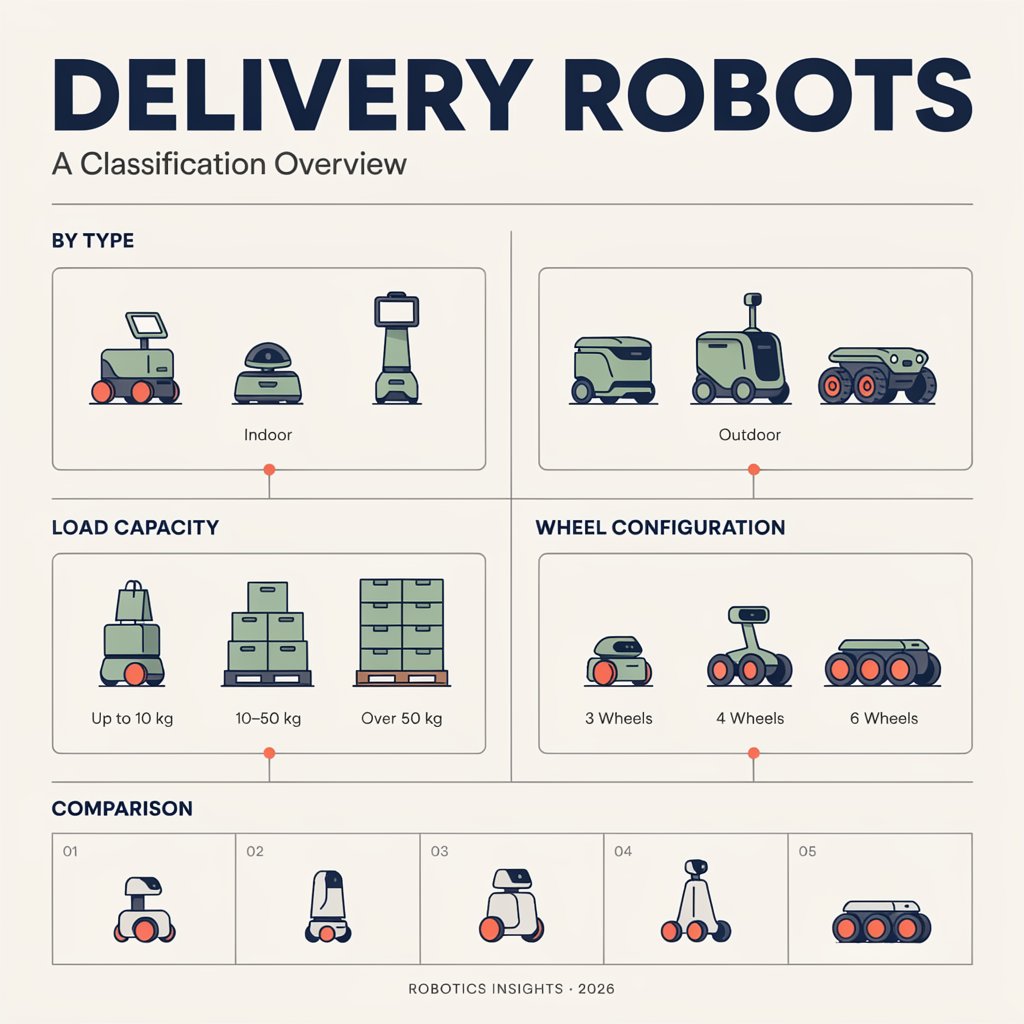
Food delivery services have become an important extension of the broader e-commerce ecosystem. Online ordering platforms continue expanding rapidly as consumers increasingly purchase meals through digital applications. Delivery robots enable restaurants and food delivery companies to automate neighborhood deliveries while improving efficiency and reducing delivery expenses. Their ability to provide contactless transportation also aligns with consumer preferences for convenient and hygienic delivery experiences.
Battery technology improvements continue supporting market growth by increasing operational efficiency. Modern delivery robots utilize advanced lithium-ion batteries with higher energy density, longer operating life, and intelligent power management systems. These improvements allow robots to complete more deliveries between charging cycles while minimizing downtime. Enhanced battery performance directly supports the growing delivery volumes generated by expanding e-commerce operations.
Cloud computing has become another important enabler of autonomous delivery. Cloud-based fleet management platforms monitor robot performance, optimize delivery routes, manage software updates, and provide real-time operational analytics. Logistics providers can supervise large robotic fleets from centralized control centers while continuously improving efficiency through artificial intelligence and predictive analytics. This digital infrastructure enables businesses to scale autonomous delivery operations across multiple cities and fulfillment networks.
The growth of omnichannel retail strategies further strengthens demand for delivery robots. Modern retailers increasingly integrate physical stores, online platforms, mobile applications, and local fulfillment centers into unified customer experiences. Delivery robots support omnichannel fulfillment by transporting online purchases directly from nearby retail locations to customers. This approach improves inventory utilization while allowing physical stores to function as local distribution hubs, reducing delivery distances and improving order fulfillment speed.
View detailed Table of Content here – https://www.marketsandmarkets.com/Market-Reports/delivery-robot-market-263997316.html
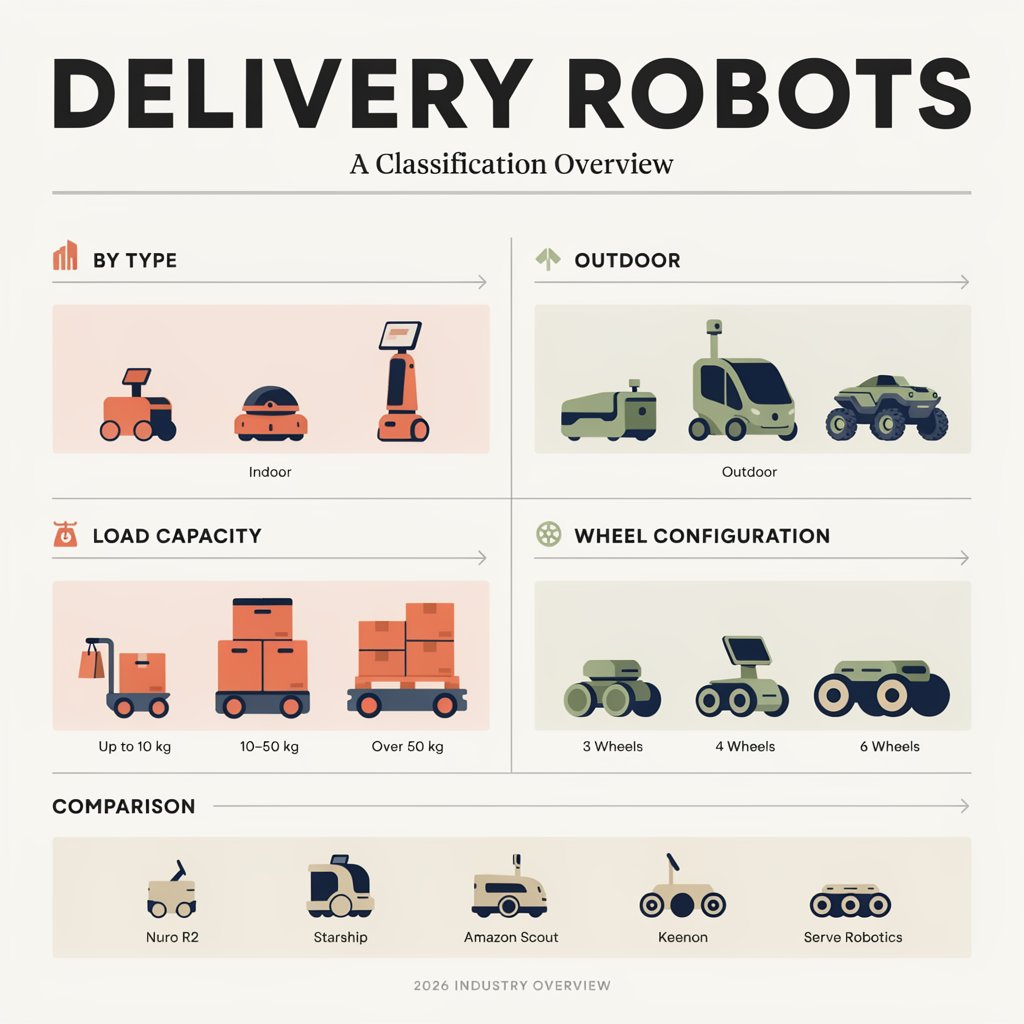
Sustainability has become another important factor influencing adoption. E-commerce companies increasingly seek environmentally responsible delivery solutions that reduce emissions and support corporate sustainability objectives. Delivery robots operate using electric propulsion systems that produce minimal direct emissions while consuming considerably less energy than conventional delivery vehicles. Their compact size also helps reduce urban congestion, making them an attractive option for retailers pursuing greener logistics operations.
The rapid expansion of smartphone usage and digital payment systems further supports market development. Mobile applications enable customers to place orders, track deliveries in real time, receive delivery notifications, and securely access robotic delivery compartments. This seamless digital experience enhances customer convenience while strengthening confidence in autonomous delivery services.
Strategic partnerships between robotics companies, retailers, logistics providers, and technology firms continue accelerating commercialization. Collaborative initiatives allow businesses to integrate autonomous delivery into existing supply chains while expanding service coverage and improving operational efficiency. These partnerships also facilitate continuous innovation in artificial intelligence, navigation software, fleet management, and customer experience.
Looking ahead, the continued expansion of global e-commerce will remain one of the most influential drivers of the Delivery Robots market through 2030. Growing online shopping activity, increasing demand for rapid fulfillment, advances in artificial intelligence, improvements in battery technology, and expanding micro-fulfillment networks will continue strengthening the role of autonomous delivery solutions. As retailers and logistics providers seek faster, more efficient, and environmentally sustainable delivery models, delivery robots will become a vital component of modern e-commerce ecosystems, reshaping last-mile logistics and enhancing customer experiences worldwide.