
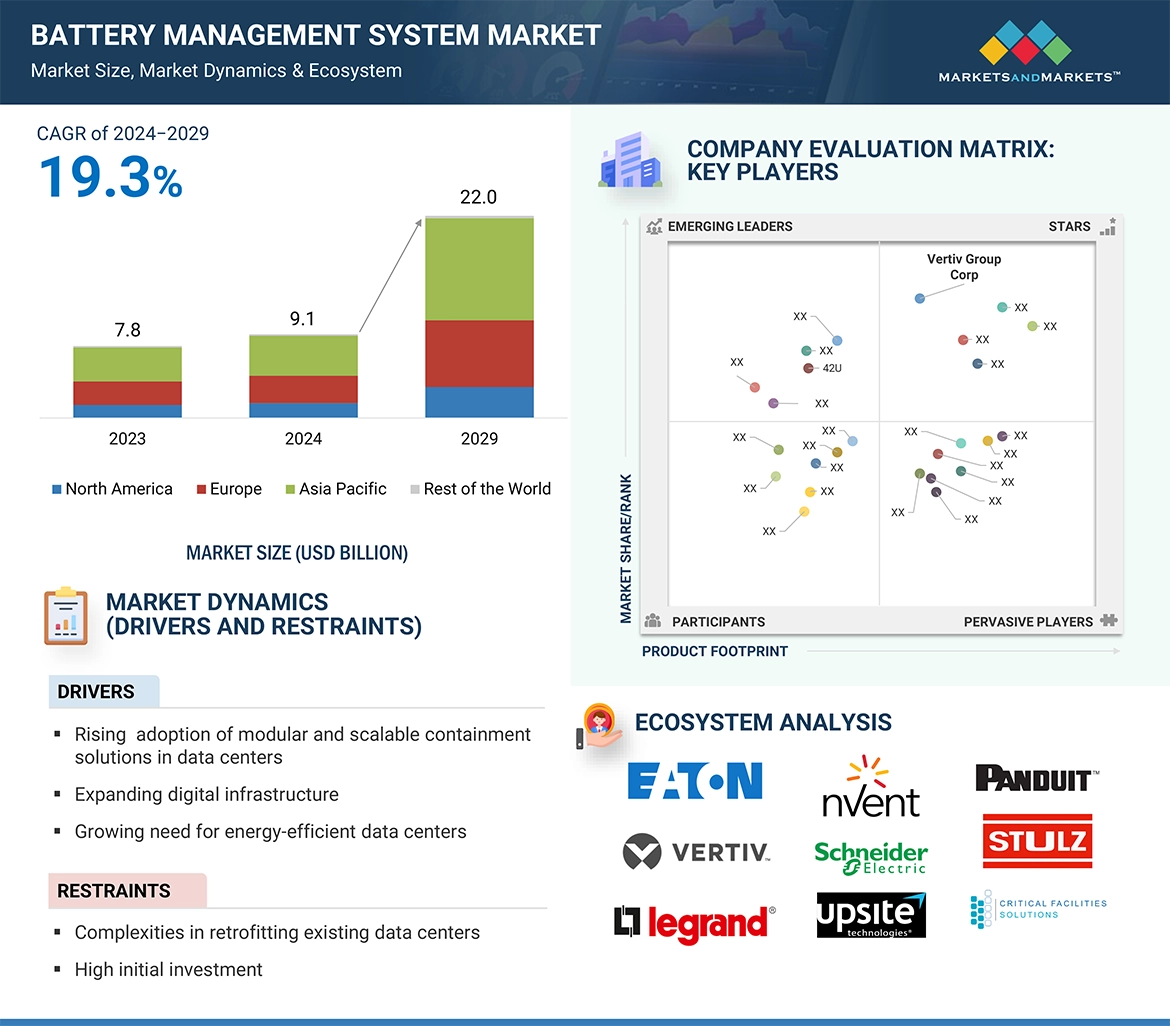
The Battery Management System (BMS) Market is experiencing substantial growth as electric mobility continues transforming the global transportation landscape. The increasing adoption of electric vehicles, electric buses, electric trucks, electric two-wheelers, shared mobility platforms, and emerging electric transportation solutions has significantly increased demand for advanced battery management technologies. Battery Management Systems serve as the intelligence layer of battery-powered vehicles, ensuring safe operation, maximizing battery performance, optimizing charging efficiency, and extending battery lifespan. As governments worldwide implement stricter emissions regulations and invest in sustainable transportation infrastructure, electric mobility is becoming a primary driver of Battery Management System market expansion. The growing diversity of electric mobility applications is creating new opportunities for innovation and accelerating the development of increasingly sophisticated battery management solutions.
Electric passenger vehicles remain the largest and most influential segment driving the Battery Management System market. Consumers are increasingly choosing electric cars due to lower operating costs, government incentives, improved charging infrastructure, and growing environmental awareness. Modern electric vehicles rely on large lithium-ion battery packs that contain hundreds or thousands of individual cells. Battery Management Systems continuously monitor cell voltage, temperature, current flow, state of charge, and state of health to ensure safe and efficient operation. Without advanced battery management, electric vehicles would face reduced battery life, compromised safety, and lower overall performance. As electric passenger vehicle production continues increasing globally, demand for intelligent battery management systems is expected to grow significantly through the coming years.
The growing popularity of long-range electric vehicles is further expanding the role of Battery Management Systems. Consumers increasingly expect electric vehicles to deliver driving ranges comparable to conventional gasoline-powered vehicles. To achieve this, manufacturers are developing larger and more energy-dense battery packs that require highly sophisticated monitoring and control systems. Advanced Battery Management Systems optimize battery utilization by balancing cells, controlling charging rates, managing thermal conditions, and maximizing energy efficiency. These capabilities allow electric vehicles to achieve greater driving range while maintaining battery durability and operational safety.
Electric commercial vehicles are emerging as another important area of market expansion. Delivery vans, logistics fleets, municipal vehicles, and commercial transportation operators are increasingly transitioning to electric powertrains to reduce fuel costs and meet sustainability targets. Commercial electric vehicles typically operate under demanding conditions involving frequent stops, heavy payloads, and extended daily operating hours. Battery Management Systems play a crucial role in maintaining battery reliability while supporting intensive usage patterns. Fleet operators rely on advanced battery monitoring to maximize vehicle availability, reduce maintenance costs, and optimize charging schedules across large vehicle fleets.
Download PDF Brochure @ https://www.marketsandmarkets.com/pdfdownloadNew.asp?id=234498189
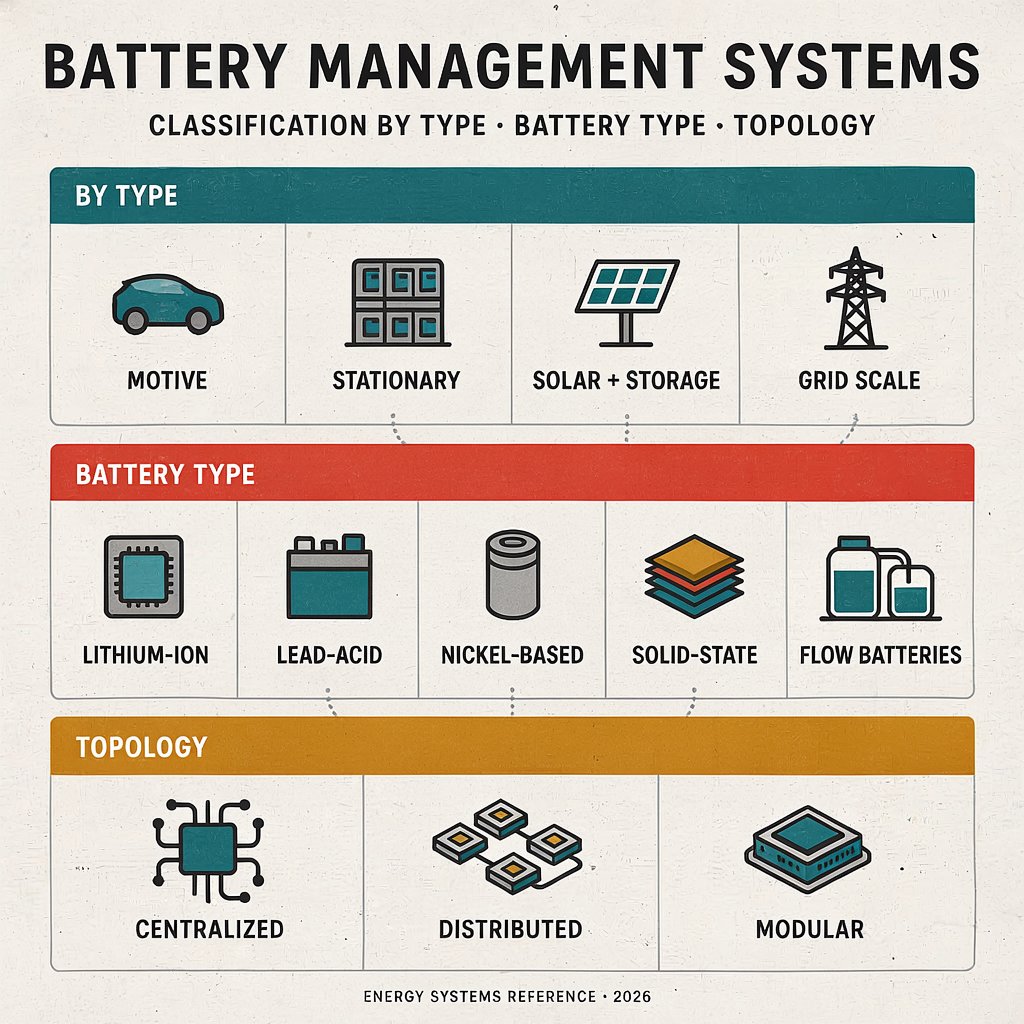
Electric buses are becoming a major contributor to Battery Management System market growth. Public transportation agencies around the world are investing heavily in electric bus fleets to improve urban air quality and reduce greenhouse gas emissions. Electric buses utilize large battery systems that require continuous monitoring to ensure safe operation during long service hours. Battery Management Systems help transit operators maximize battery efficiency while supporting fast charging, route optimization, and predictive maintenance. As cities continue implementing sustainable transportation programs, the adoption of electric buses is expected to generate significant demand for high-performance battery management solutions.
The expansion of electric trucks is creating additional opportunities within the Battery Management System market. Heavy-duty transportation is increasingly adopting electrification technologies as battery performance improves and charging infrastructure expands. Electric trucks require large-capacity battery systems capable of supporting long-distance transportation while carrying substantial cargo loads. Battery Management Systems optimize battery performance by managing thermal conditions, balancing energy consumption, and monitoring battery health under challenging operating environments. The growth of electric freight transportation is expected to drive continued innovation in battery monitoring and management technologies.
Electric two-wheelers represent one of the fastest-growing electric mobility segments globally. Electric scooters, motorcycles, and bicycles are becoming increasingly popular due to their affordability, convenience, and environmental benefits. Many urban areas are experiencing rapid adoption of electric two-wheelers as consumers seek efficient transportation solutions for short-distance travel. Battery Management Systems are essential for ensuring safe battery operation while maximizing battery life and charging efficiency. As electric two-wheeler markets continue expanding, particularly in Asia Pacific and emerging economies, demand for compact and cost-effective battery management solutions is expected to increase substantially.
Shared mobility services are also contributing to Battery Management System market expansion. Electric ride-sharing vehicles, rental scooters, bike-sharing programs, and autonomous mobility platforms depend on reliable battery performance to maintain operational efficiency. Operators require advanced battery monitoring capabilities to track battery health, optimize charging schedules, and maximize asset utilization. Cloud-connected Battery Management Systems enable centralized fleet monitoring, predictive maintenance, and real-time performance analysis, helping mobility service providers reduce operating costs while improving service reliability.
Inquiry Before Buying @ https://www.marketsandmarkets.com/Enquiry_Before_BuyingNew.asp?id=234498189
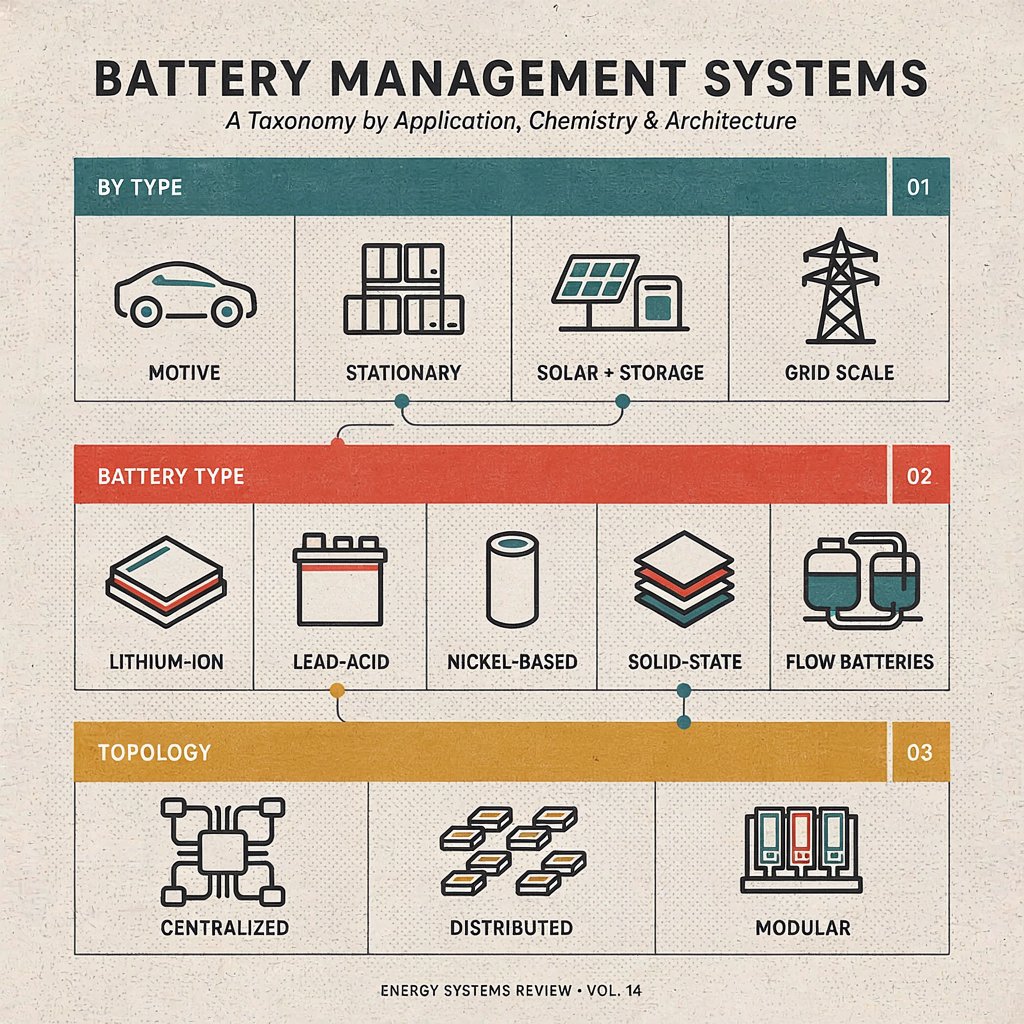
Artificial intelligence is playing an increasingly important role in supporting electric mobility applications. AI-powered Battery Management Systems continuously analyze operational data to predict battery degradation, optimize charging behavior, and improve energy efficiency. Machine learning algorithms adapt to driving conditions, environmental factors, and user behavior, allowing batteries to operate more efficiently while extending their service life. These intelligent capabilities are becoming increasingly valuable as electric mobility applications grow more complex and performance expectations continue rising.
Fast-charging technology is another key factor influencing Battery Management System development. Electric mobility users increasingly expect charging times that approach the convenience of conventional fuel refueling. However, rapid charging places additional stress on battery systems, making advanced battery monitoring essential. Modern Battery Management Systems continuously adjust charging parameters based on battery condition, temperature, and charging history to ensure safe and efficient charging. Intelligent charging management improves battery longevity while supporting the widespread adoption of fast-charging infrastructure.
Wireless Battery Management Systems are also gaining traction within electric mobility applications. Traditional battery management architectures require extensive wiring throughout battery packs, increasing weight and complexity. Wireless communication technologies simplify battery pack design while reducing manufacturing costs and improving scalability. Automotive manufacturers are increasingly exploring wireless battery management as a way to enhance vehicle performance and support future battery innovations.
Thermal management innovations are closely linked to electric mobility expansion. Battery temperature directly affects performance, charging efficiency, safety, and battery lifespan. Advanced Battery Management Systems integrate sophisticated thermal monitoring capabilities that continuously evaluate battery conditions and coordinate cooling or heating systems as needed. Effective thermal management is particularly important in electric vehicles operating across diverse climates and demanding driving environments.
View detailed Table of Content here – https://www.marketsandmarkets.com/Market-Reports/battery-management-bms-market-234498189.html
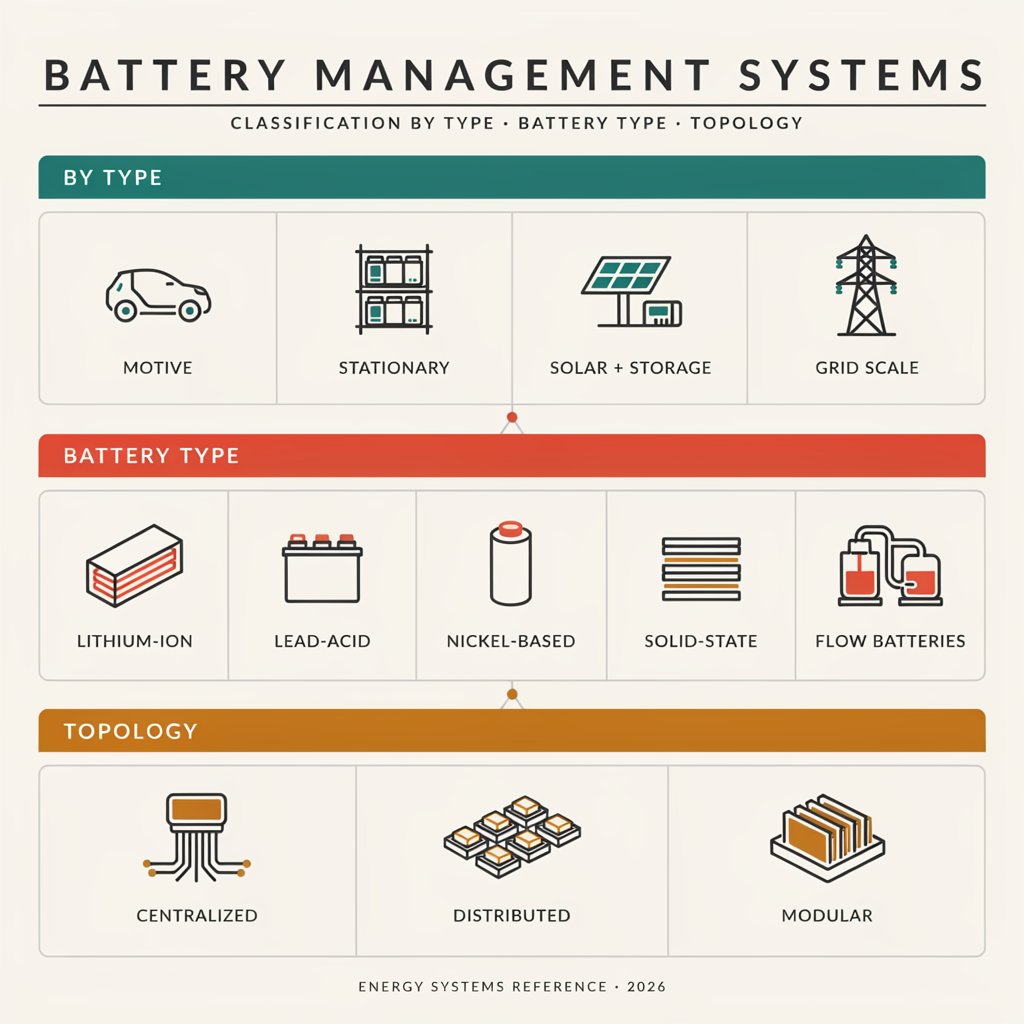
Vehicle-to-grid technology is creating new opportunities for Battery Management Systems within electric mobility. Electric vehicles are increasingly viewed as mobile energy storage resources capable of supplying electricity back to the grid during periods of high demand. Battery Management Systems coordinate energy exchange while protecting battery health and ensuring reliable vehicle operation. This emerging capability strengthens the integration of electric mobility with renewable energy systems and smart grid infrastructure.
Electric mobility applications are also driving innovation in battery cybersecurity. As connected vehicles become increasingly reliant on digital communication, Battery Management Systems must protect sensitive battery information and operational controls from cyber threats. Secure communication protocols, encryption technologies, and intelligent threat detection are becoming standard features within advanced battery management platforms.
Regional developments continue supporting Battery Management System market expansion. Asia Pacific remains the largest market due to strong electric vehicle manufacturing, battery production, and government support for electrification. China, Japan, South Korea, and India are investing heavily in electric mobility infrastructure and battery innovation. Europe continues advancing vehicle electrification through strict emissions regulations and sustainability targets. North America is experiencing rapid growth through increasing electric vehicle adoption, battery manufacturing investments, and supportive policy initiatives.
Looking ahead, electric mobility will remain one of the most important growth engines for the Battery Management System market. The continued expansion of electric cars, buses, trucks, two-wheelers, shared mobility services, and emerging transportation technologies will drive sustained demand for intelligent battery monitoring and management solutions. Advances in artificial intelligence, wireless communication, cloud connectivity, fast charging, thermal management, and next-generation battery technologies will further enhance Battery Management System capabilities. As transportation systems become increasingly electrified worldwide, Battery Management Systems will continue playing a critical role in enabling safe, efficient, and sustainable electric mobility across a wide range of applications.