
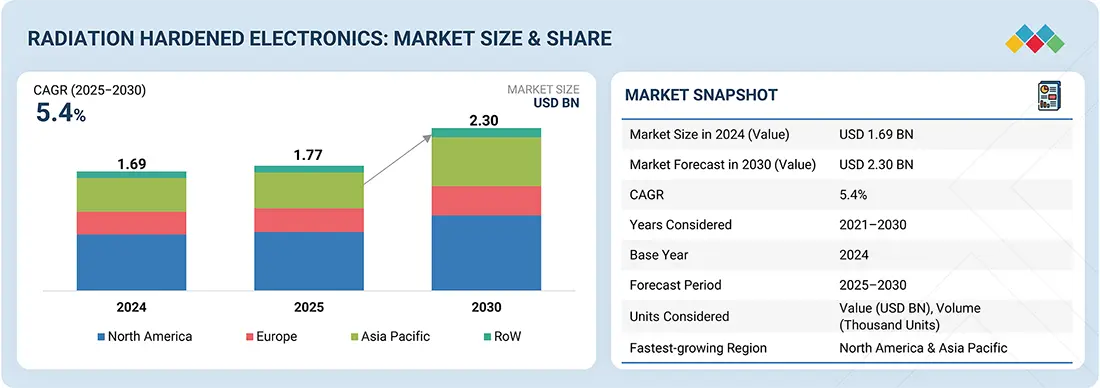
The global Radiation Hardened Electronics Market is advancing rapidly as innovations in mission-critical electronics redefine the capabilities of aerospace, defense, nuclear, and high-reliability industrial systems. Mission-critical electronics are designed to perform flawlessly in environments where equipment failure is unacceptable and could result in mission loss, operational disruption, or significant safety risks. These systems must withstand ionizing radiation, high-energy particles, extreme temperatures, electromagnetic interference, and mechanical stress while maintaining uninterrupted functionality. Radiation hardened electronics play a fundamental role in enabling these applications by providing highly reliable processors, memory devices, power management integrated circuits, communication modules, sensors, and programmable logic devices that continue operating under some of the harshest conditions encountered in modern engineering. Continuous technological innovation is transforming the market, making mission-critical electronics more intelligent, compact, energy efficient, and capable of supporting increasingly sophisticated operations.
One of the most significant innovations shaping the market is the development of high-performance radiation-hardened processors capable of supporting complex onboard computing. Earlier generations of space and defense electronics were primarily designed for basic control and communication functions. Modern mission-critical systems now require advanced computational capabilities to process high-resolution imagery, manage autonomous navigation, execute artificial intelligence algorithms, perform secure communication, and analyze large volumes of sensor data in real time. Semiconductor manufacturers are introducing multicore radiation-hardened processors with significantly improved processing speeds while maintaining exceptional resistance to total ionizing dose effects and single-event upsets. These advancements are enabling spacecraft, satellites, and military systems to operate with greater autonomy and intelligence.
Artificial intelligence has become one of the most transformative innovations within mission-critical electronics. AI-enabled radiation-hardened systems can analyze operational data, recognize patterns, detect anomalies, optimize resource allocation, and support autonomous decision-making without continuous human intervention. Satellites now process Earth observation images onboard, military surveillance platforms automatically identify potential threats, and autonomous spacecraft adjust operational parameters based on changing mission conditions. Radiation-hardened processors optimized for artificial intelligence allow these advanced capabilities to function reliably despite prolonged exposure to harsh radiation environments. As AI technologies continue evolving, their integration into mission-critical electronics is expected to accelerate significantly.
Download PDF Brochure @ https://www.marketsandmarkets.com/pdfdownloadNew.asp?id=44047967
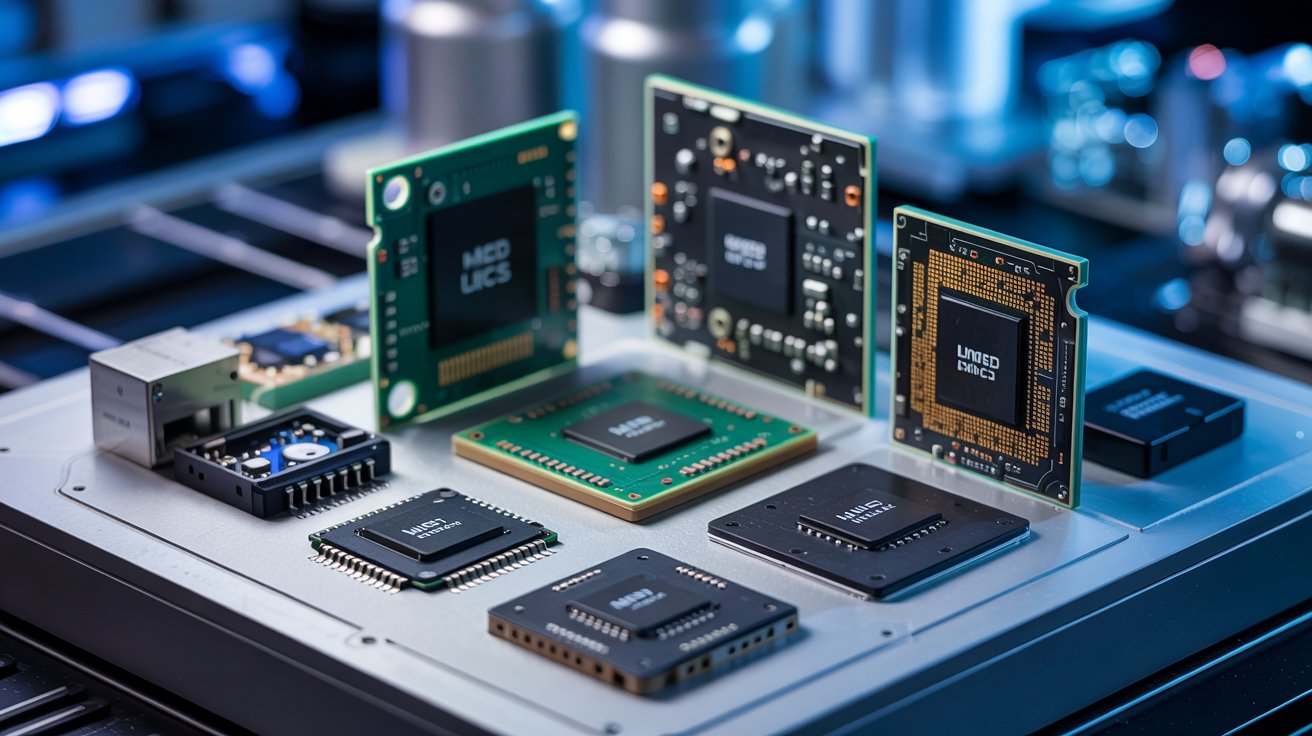
Edge computing represents another major innovation influencing the radiation hardened electronics market. Rather than transmitting all collected information to remote control centers for processing, modern mission-critical platforms increasingly perform computation directly onboard. Satellites, unmanned aerial vehicles, defense communication systems, and scientific instruments generate vast amounts of operational data that require immediate analysis to support navigation, environmental monitoring, predictive maintenance, and autonomous control. Radiation-hardened edge computing platforms reduce communication latency while improving operational efficiency and resilience, making them increasingly valuable across both government and commercial missions.
Innovations in semiconductor manufacturing are also strengthening the capabilities of mission-critical electronics. Radiation Hardening by Design has become an increasingly preferred development approach because it improves radiation tolerance through advanced circuit architecture instead of relying solely on specialized manufacturing processes. Engineers incorporate redundant logic structures, hardened memory cells, intelligent error correction algorithms, and fault-tolerant transistor layouts that enable integrated circuits to recover automatically from radiation-induced disturbances. This approach allows manufacturers to utilize advanced semiconductor fabrication technologies while achieving high levels of reliability, improving both performance and scalability.
Silicon-on-insulator technology remains one of the most important innovations supporting next-generation mission-critical electronics. The insulating oxide layer incorporated within silicon-on-insulator devices minimizes radiation-induced charge accumulation while reducing electrical leakage and improving switching performance. These characteristics significantly enhance radiation tolerance while lowering power consumption and increasing computational efficiency. Silicon-on-insulator technology has become widely adopted across radiation-hardened processors, memory devices, analog integrated circuits, and communication systems used in satellites, spacecraft, and defense equipment.
Wide-bandgap semiconductor materials are also expanding the performance boundaries of mission-critical electronics. Gallium nitride devices provide outstanding efficiency for high-frequency communication systems, radar platforms, satellite transmitters, and electronic warfare equipment while maintaining stable performance under harsh environmental conditions. Silicon carbide technologies offer exceptional thermal conductivity, high voltage capability, and superior durability for power management applications supporting spacecraft, military vehicles, and nuclear facilities. These advanced semiconductor materials are enabling smaller, lighter, and more efficient mission-critical electronic systems.
Inquiry Before Buying @ https://www.marketsandmarkets.com/Enquiry_Before_BuyingNew.asp?id=44047967
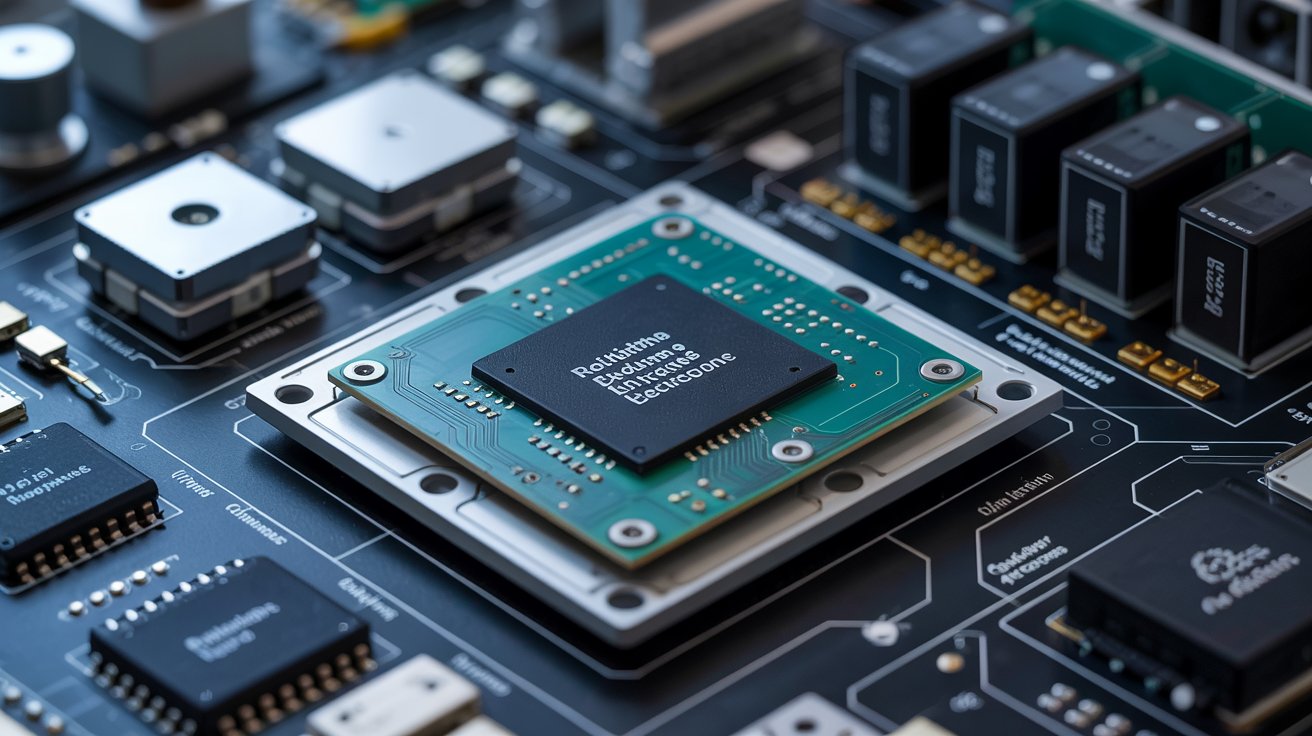
Power management innovations have become increasingly important as spacecraft and defense systems require greater computational capability without significantly increasing energy consumption. Modern radiation-hardened power management integrated circuits optimize voltage regulation, battery charging, electrical distribution, and energy monitoring while minimizing power losses. Intelligent power management systems continuously evaluate operational conditions and dynamically allocate electrical resources to maximize mission duration and improve system reliability. These innovations are particularly valuable for long-duration satellite missions, autonomous defense platforms, and deep-space exploration vehicles.
Radiation-hardened memory technologies are also undergoing significant transformation. Advanced error detection and correction mechanisms now enable memory devices to automatically identify and repair data corruption caused by radiation exposure. High-density radiation-hardened flash memory, static random-access memory, and dynamic random-access memory provide reliable storage for increasingly complex software, mission data, artificial intelligence models, and scientific information. These innovations allow modern spacecraft and defense systems to process larger datasets while maintaining data integrity throughout extended missions.
Secure communication technologies represent another major area of innovation. Modern mission-critical electronics incorporate advanced encryption engines, secure authentication mechanisms, trusted execution environments, and hardware-based cybersecurity capabilities directly into semiconductor devices. These security features protect highly sensitive communication networks used by military satellites, command centers, autonomous systems, and critical infrastructure. Integrating cybersecurity with radiation resistance strengthens overall mission resilience while reducing vulnerability to both cyber threats and environmental hazards.
Miniaturization continues reshaping the design of mission-critical electronics. Small satellites, CubeSats, autonomous drones, portable military systems, and compact scientific instruments require highly integrated semiconductor devices capable of delivering advanced functionality within limited physical dimensions. Manufacturers are developing system-on-chip architectures that combine processors, communication interfaces, sensors, memory, security modules, and power management functions onto single radiation-hardened integrated circuits. These highly integrated solutions reduce system weight, simplify hardware design, improve reliability, and support lower launch costs for commercial space missions.
Three-dimensional semiconductor integration is another emerging innovation. By stacking multiple semiconductor layers vertically, manufacturers increase computational density while reducing package size and improving electrical performance. Three-dimensional integration enables greater functionality within constrained mission platforms while supporting advanced processing, communication, and sensing capabilities required by next-generation aerospace and defense systems.
View detailed Table of Content here – https://www.marketsandmarkets.com/Market-Reports/radiation-hardened-electronics-market-44047967.html
Digital twin technology is enhancing mission-critical electronics throughout the product lifecycle. Engineers create virtual replicas of spacecraft, satellites, defense platforms, and nuclear systems that receive continuous operational data from onboard radiation-hardened electronics. These digital models enable predictive maintenance, performance optimization, failure analysis, and mission planning while improving long-term operational reliability. Integration between mission-critical electronics and digital twin platforms supports more informed engineering decisions throughout complex mission operations.
Commercial space missions are creating additional opportunities for innovation. Satellite communication providers, Earth observation companies, space transportation firms, and lunar exploration programs require reliable radiation-hardened electronic systems that balance performance, affordability, and production scalability. Semiconductor manufacturers are developing standardized yet highly capable mission-critical electronics that address both commercial and government requirements, expanding market opportunities while accelerating technology adoption.
Strategic collaboration continues driving innovation across the industry. Semiconductor companies increasingly partner with aerospace manufacturers, defense contractors, government agencies, research institutions, and commercial space organizations to develop application-specific mission-critical electronic solutions. These collaborations accelerate product development while ensuring new technologies meet evolving operational requirements for reliability, computational performance, and environmental resilience.
North America remains the leading center for innovation in mission-critical electronics due to strong investments in defense modernization, commercial space activities, semiconductor research, and advanced aerospace engineering. Europe continues contributing through collaborative space exploration, secure communication technologies, and scientific research programs. Asia Pacific is emerging rapidly as governments expand investments in satellite manufacturing, indigenous semiconductor development, military modernization, and commercial aerospace infrastructure.
Looking ahead, innovation in mission-critical electronics will continue defining the future direction of the radiation hardened electronics market. Artificial intelligence, edge computing, advanced semiconductor materials, three-dimensional integration, secure hardware architectures, intelligent power management, and highly integrated system-on-chip designs will significantly improve the performance and reliability of future electronic systems. As global investments in space exploration, defense technologies, autonomous platforms, and critical infrastructure continue increasing, mission-critical radiation hardened electronics will remain an essential foundation supporting safe, resilient, and intelligent operations in the world’s most demanding environments.