
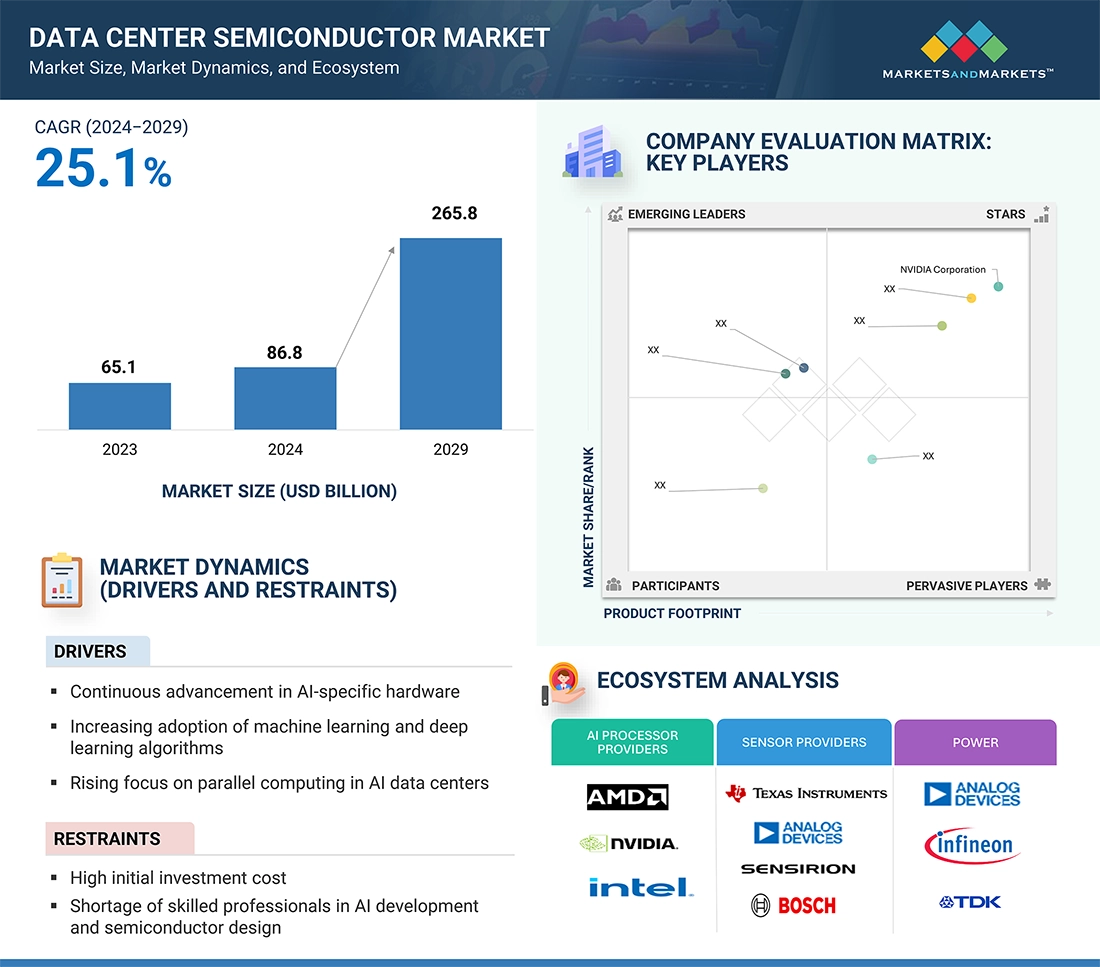
The global Data Center Semiconductor Market is undergoing a significant transformation as High Bandwidth Memory (HBM) becomes an increasingly critical technology for supporting artificial intelligence (AI), high-performance computing (HPC), cloud computing, and data-intensive applications. Modern data centers are processing unprecedented volumes of information generated by generative AI, machine learning, big data analytics, scientific simulations, and real-time enterprise workloads. These applications require not only powerful processors but also memory technologies capable of delivering extremely high data transfer rates with minimal latency. High Bandwidth Memory has emerged as a key solution to these challenges, enabling faster communication between processors and memory while improving energy efficiency. As organizations continue expanding AI infrastructure and hyperscale cloud deployments, HBM adoption is becoming one of the most influential trends shaping the future of the data center semiconductor market.
One of the primary drivers of HBM adoption is the rapid expansion of artificial intelligence workloads. Generative AI models, large language models, computer vision applications, and recommendation engines require the continuous movement of enormous datasets between processors and memory. Conventional memory technologies often struggle to meet these bandwidth requirements, creating performance bottlenecks that limit overall computing efficiency. High Bandwidth Memory addresses this challenge by utilizing vertically stacked memory chips connected through advanced packaging technologies, allowing significantly faster data transfer rates than traditional memory architectures. This capability makes HBM an essential component for AI accelerators and graphics processing units deployed in modern data centers.
The growth of AI model training has become one of the strongest catalysts for HBM demand. Training advanced machine learning models involves billions or trillions of parameters that must be processed simultaneously across multiple computing nodes. These workloads require constant access to large volumes of data, making memory bandwidth a decisive factor in overall system performance. High Bandwidth Memory enables processors to retrieve and process information much faster, reducing training times and improving computational efficiency. As organizations continue investing in increasingly sophisticated AI applications, HBM is expected to become a standard memory technology across AI-optimized data centers.
Download PDF Brochure @ https://www.marketsandmarkets.com/pdfdownloadNew.asp?id=47625470
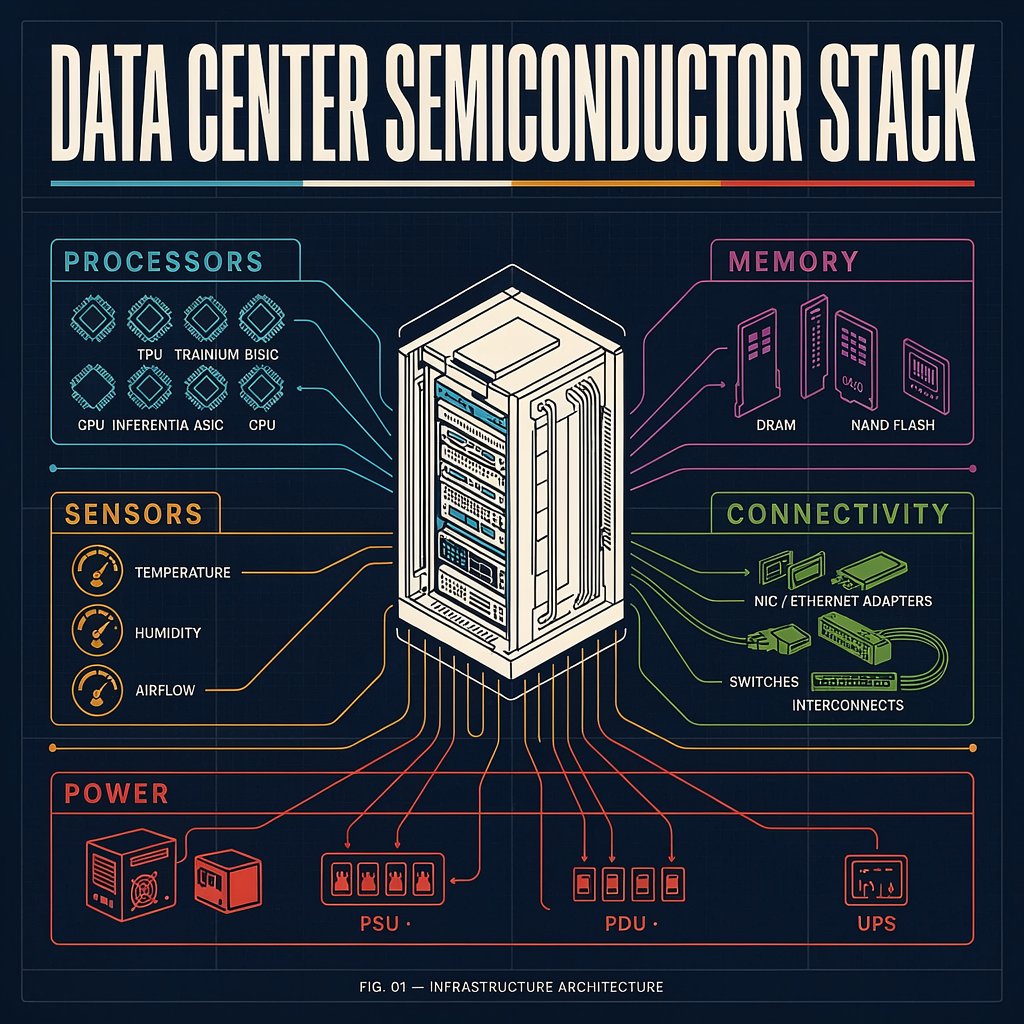
AI inference workloads are also contributing significantly to HBM adoption. While AI training receives considerable attention, real-world deployment of artificial intelligence involves continuous inference processing across cloud services, enterprise software, healthcare diagnostics, financial analytics, industrial automation, and intelligent customer support systems. These applications demand rapid response times and low-latency computing environments. High Bandwidth Memory enhances inference performance by enabling faster communication between AI accelerators and memory, allowing organizations to deliver more responsive AI-powered services while maintaining high operational efficiency.
Graphics processing units represent one of the largest application areas for High Bandwidth Memory within the data center semiconductor market. GPUs are widely used for artificial intelligence, scientific research, engineering simulations, video processing, and high-performance computing due to their exceptional parallel processing capabilities. However, GPU performance depends heavily on memory bandwidth. High Bandwidth Memory significantly enhances GPU performance by supplying data at much higher speeds than conventional memory technologies. This close integration between GPUs and HBM enables data centers to maximize computational throughput while minimizing latency, making the combination indispensable for AI infrastructure.
Dedicated AI accelerators are another major driver behind HBM adoption. Specialized processors designed specifically for machine learning and neural network execution require rapid access to large datasets during tensor operations and deep learning computations. High Bandwidth Memory complements these processors by providing the data throughput necessary to sustain continuous high-speed processing. As semiconductor manufacturers continue developing increasingly powerful AI accelerators, integration with HBM has become a critical design priority for achieving optimal computational performance.
Inquiry Before Buying @ https://www.marketsandmarkets.com/Enquiry_Before_BuyingNew.asp?id=47625470
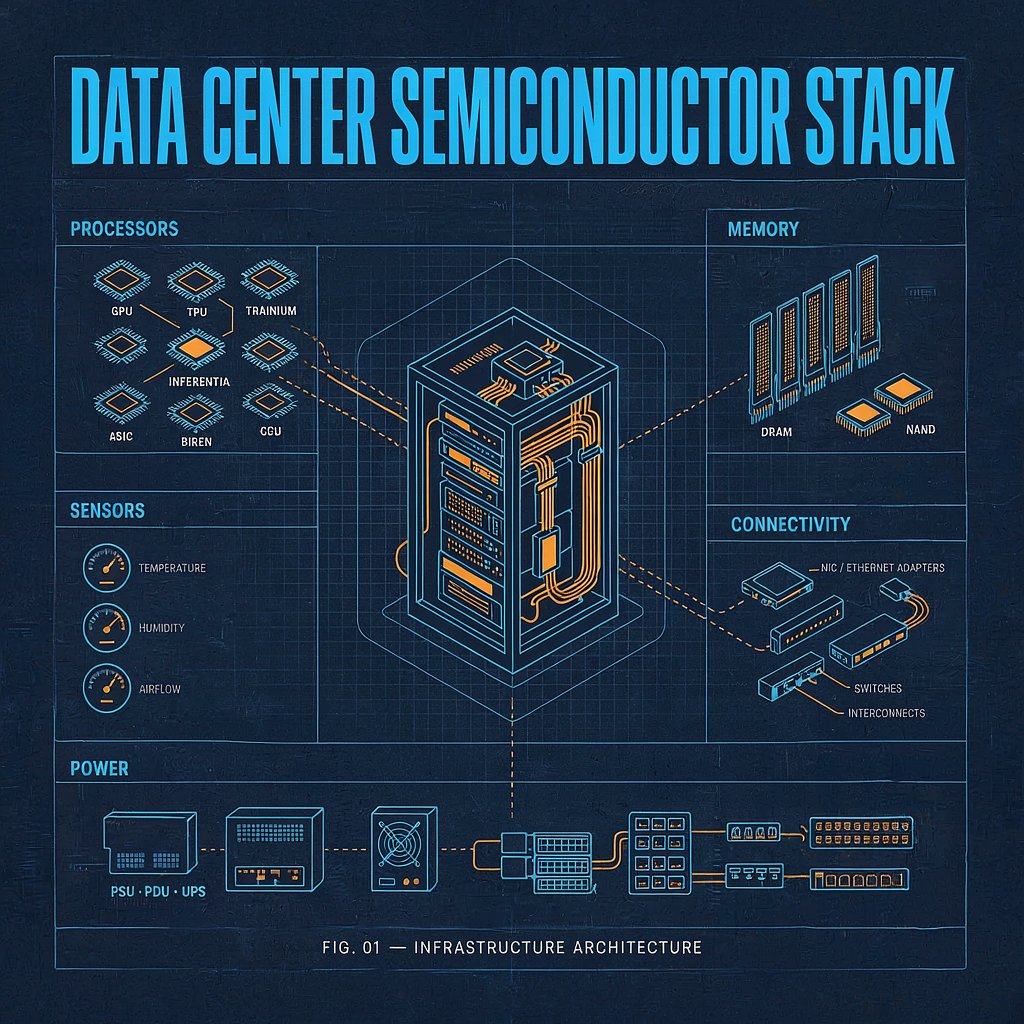
High-performance computing applications are further strengthening the demand for High Bandwidth Memory. Scientific research institutions, government laboratories, financial organizations, pharmaceutical companies, and engineering firms rely on HPC systems to perform climate modeling, genomic analysis, molecular simulations, financial risk modeling, and advanced engineering calculations. These workloads require extremely high memory bandwidth to efficiently process large datasets and execute parallel computations. HBM enables HPC systems to operate more efficiently by minimizing memory-related bottlenecks, making it an increasingly important technology across research-oriented data centers.
Cloud computing providers are playing a major role in accelerating HBM deployment. Hyperscale cloud operators are expanding AI-ready infrastructure to support growing enterprise demand for machine learning, data analytics, AI-as-a-service, and cloud-native applications. These facilities increasingly deploy GPU clusters and AI accelerator platforms integrated with High Bandwidth Memory to maximize computational efficiency. As cloud customers continue shifting AI workloads to public cloud platforms, demand for HBM-equipped semiconductor solutions is expected to increase substantially throughout the forecast period.
Advanced semiconductor packaging technologies are enabling broader HBM adoption across modern data centers. High Bandwidth Memory utilizes three-dimensional stacking and through-silicon via technology to integrate multiple memory layers within a compact package. This architecture shortens communication distances between memory and processors while reducing energy consumption and improving signal integrity. Innovations in three-dimensional packaging, heterogeneous integration, and chiplet architectures are making HBM more scalable and cost-effective, allowing semiconductor manufacturers to develop increasingly powerful computing platforms for AI and cloud infrastructure.
View detailed Table of Content here – https://www.marketsandmarkets.com/Market-Reports/data-center-semiconductor-market-47625470.html
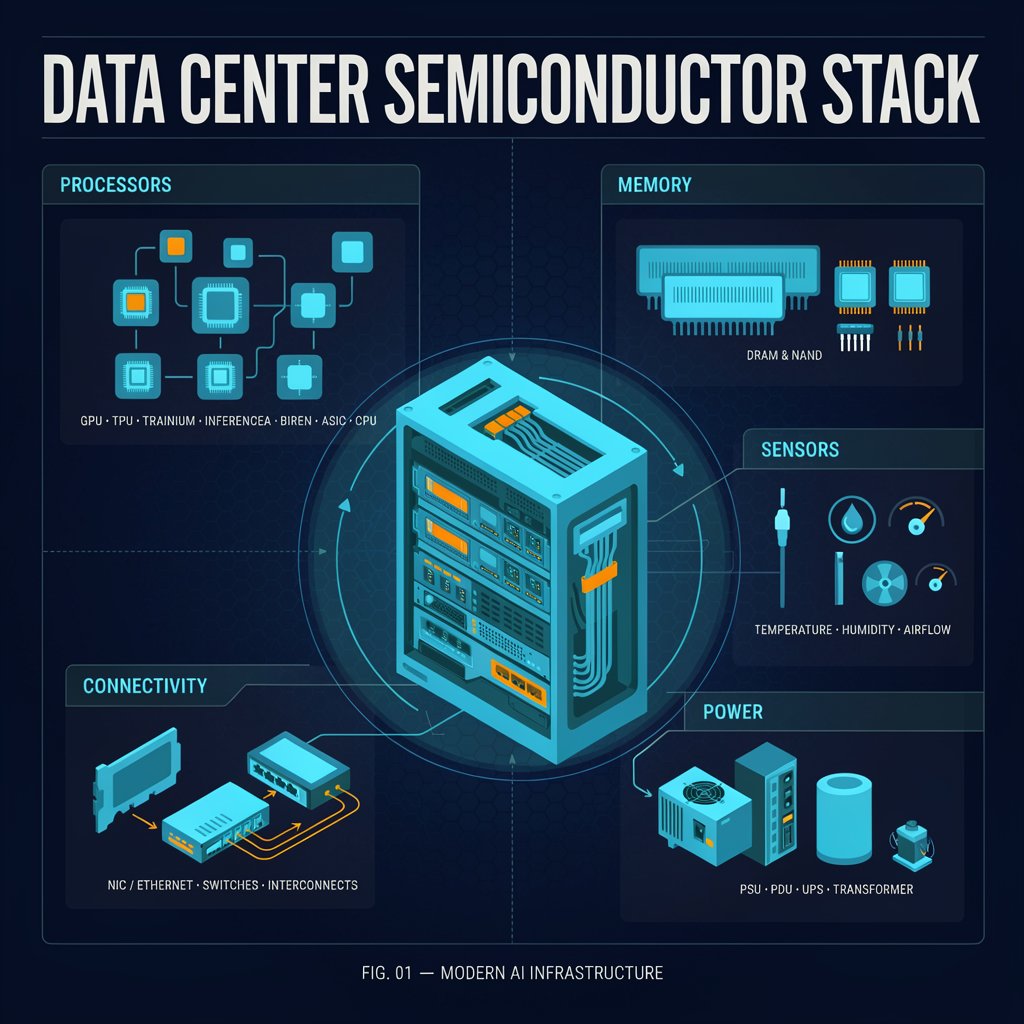
Energy efficiency has become another important factor driving HBM adoption. Data centers supporting artificial intelligence and high-performance computing consume significant electrical power, making operational efficiency a strategic priority. High Bandwidth Memory delivers higher performance per watt compared to many traditional memory technologies by transferring more data while consuming less energy. Improved power efficiency helps cloud providers reduce operational costs, enhance sustainability, and support environmental objectives without compromising computing performance. As energy consumption becomes an increasingly important consideration for data center operators, HBM adoption is expected to continue expanding.
Regional market trends indicate strong global momentum for High Bandwidth Memory deployment. North America remains the leading market due to its concentration of hyperscale cloud providers, AI technology companies, and semiconductor innovators investing heavily in advanced computing infrastructure. Asia Pacific continues experiencing rapid growth through semiconductor manufacturing leadership, increasing AI adoption, expanding cloud services, and government-supported digital transformation initiatives across China, Japan, South Korea, India, and Southeast Asia. Europe is also strengthening investments in AI research, sustainable data centers, and advanced computing capabilities, creating additional demand for HBM-enabled semiconductor solutions.
Strategic collaboration throughout the semiconductor ecosystem is further accelerating HBM innovation. Memory manufacturers, processor developers, cloud providers, server manufacturers, and advanced packaging companies are working together to optimize integration between High Bandwidth Memory and next-generation processors. These collaborations are improving system compatibility, manufacturing efficiency, and product performance while accelerating commercialization of advanced semiconductor platforms capable of supporting future AI workloads.
Looking ahead, High Bandwidth Memory will remain one of the most transformative technologies within the data center semiconductor market. Continued expansion of generative AI, cloud computing, scientific research, high-performance computing, and intelligent enterprise applications will sustain strong demand for memory solutions capable of delivering exceptional bandwidth and energy efficiency. Ongoing advancements in semiconductor packaging, processor architectures, and memory integration will further strengthen HBM adoption, positioning it as a foundational technology for next-generation data centers and the evolving global digital infrastructure.