
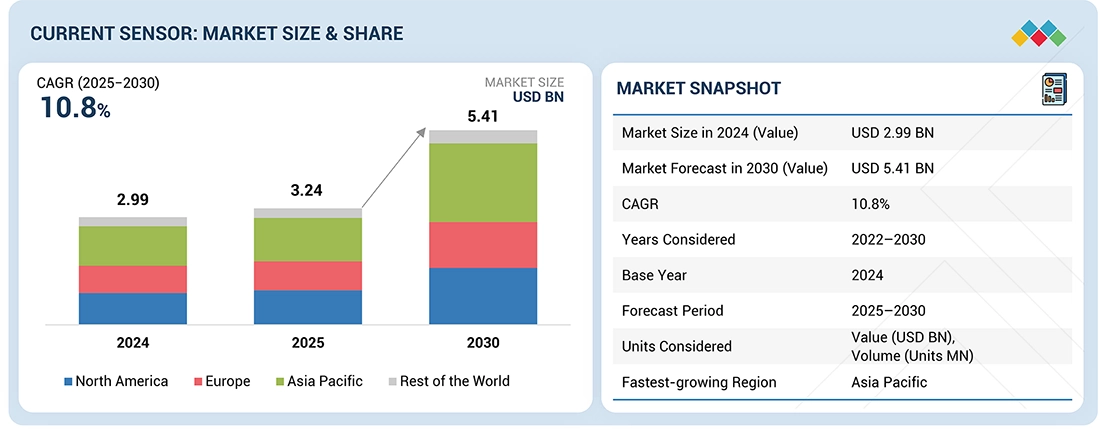
The Current Sensor Market is becoming increasingly competitive as technological innovation, digital transformation, renewable energy expansion, and electric mobility adoption create new opportunities across multiple industries. Current sensors are critical components used for measuring and monitoring electrical current in applications ranging from industrial automation and smart grids to electric vehicles, consumer electronics, healthcare equipment, and renewable energy systems. As demand for precise electrical monitoring continues to rise, market participants are focusing on innovation, strategic partnerships, product differentiation, and geographic expansion to strengthen their competitive positions. The evolving competitive landscape reflects a combination of established sensor manufacturers, semiconductor companies, industrial technology providers, and emerging innovators seeking to capitalize on growing market opportunities.
Competition within the market is largely driven by technological capabilities. Manufacturers are investing heavily in research and development to improve sensor accuracy, reliability, response speed, energy efficiency, and integration capabilities. The increasing complexity of electrical systems requires advanced sensing technologies capable of operating under demanding conditions while delivering highly accurate measurements. Companies that can provide superior performance and innovative sensing solutions are gaining competitive advantages in both established and emerging markets.
Product innovation remains one of the most important strategic priorities across the industry. Organizations are introducing new sensor architectures designed to support applications such as electric vehicles, battery management systems, renewable energy infrastructure, industrial robotics, and smart grid technologies. The development of compact sensors with enhanced sensitivity and lower power consumption is becoming particularly important as industries increasingly seek efficient and space-saving solutions. Continuous innovation enables companies to address evolving customer requirements while differentiating themselves from competitors.
Download PDF Brochure @ https://www.marketsandmarkets.com/pdfdownloadNew.asp?id=26656433
The rise of electric mobility is reshaping competitive dynamics within the market. Electric vehicles require highly accurate current sensing solutions for battery monitoring, motor control, charging systems, and energy management functions. As automotive manufacturers accelerate vehicle electrification programs, sensor providers are competing to secure long-term supply relationships and technology partnerships. Companies capable of delivering automotive-grade sensing solutions with high reliability and safety performance are strengthening their positions within this rapidly growing segment.
Renewable energy applications are creating another highly competitive area. Solar power systems, wind farms, battery storage installations, and energy management platforms depend on advanced current sensing technologies to optimize performance and improve efficiency. Sensor manufacturers are increasingly developing solutions tailored specifically for renewable energy environments. Strategic investments in clean energy technologies are helping market participants capture opportunities created by the global transition toward sustainable energy systems.
Industrial automation continues to represent a major source of revenue and competition. Smart factories, automated production lines, industrial control systems, and robotics platforms require real-time electrical monitoring to support operational efficiency and predictive maintenance initiatives. Current sensor suppliers are focusing on delivering highly reliable products capable of operating in harsh industrial environments. Competitive success in this segment often depends on product durability, integration flexibility, and support for industrial communication standards.
The integration of artificial intelligence and advanced analytics is becoming an important competitive differentiator. Modern sensing solutions increasingly function as part of broader intelligent monitoring ecosystems that analyze operational data and generate actionable insights. Companies are developing sensor platforms that integrate seamlessly with AI-powered analytics tools, enabling predictive maintenance, anomaly detection, and performance optimization. This shift from standalone sensing devices to intelligent monitoring solutions is influencing strategic positioning across the market.
Inquiry Before Buying @ https://www.marketsandmarkets.com/Enquiry_Before_BuyingNew.asp?id=26656433
Geographic expansion remains a key growth strategy for many companies. Rapid industrialization, infrastructure development, renewable energy investments, and electric vehicle adoption in emerging economies are creating substantial market opportunities. Manufacturers are expanding their regional presence through new production facilities, distribution networks, partnerships, and customer support operations. Companies that successfully establish strong positions in high-growth markets are expected to gain significant competitive advantages over the long term.
Strategic partnerships are becoming increasingly common as market participants seek to strengthen technology capabilities and accelerate innovation. Sensor manufacturers are collaborating with semiconductor providers, industrial automation companies, automotive manufacturers, software developers, and energy technology firms. These partnerships help organizations access new technologies, improve product development efficiency, and expand market reach. Collaborative innovation is becoming an essential component of long-term competitive strategies.
The adoption of IoT-enabled sensing solutions is also influencing market competition. Connected current sensors that provide real-time monitoring and cloud-based analytics capabilities are becoming increasingly attractive to customers seeking digital transformation benefits. Companies that offer integrated hardware and software ecosystems are differentiating themselves by delivering greater operational value and enhanced customer experiences. Connectivity features are increasingly becoming standard expectations within advanced sensing solutions.
Cost competitiveness remains an important consideration across the market. While customers increasingly demand sophisticated features and advanced performance capabilities, they also seek solutions that deliver strong return on investment. Manufacturers are balancing innovation efforts with cost optimization strategies designed to improve production efficiency and maintain competitive pricing. Companies capable of delivering high-performance products at attractive price points are well positioned for market success.
View detailed Table of Content here – https://www.marketsandmarkets.com/Market-Reports/current-sensor-market-26656433.html
The healthcare sector is emerging as a specialized application area with unique competitive requirements. Medical devices demand highly accurate and reliable sensing technologies that comply with strict regulatory standards. Manufacturers serving healthcare applications must focus on quality assurance, safety certifications, and product reliability. Success in this segment often depends on technical expertise and long-term customer trust.
Sustainability initiatives are becoming increasingly important within competitive strategies. Customers across industries are prioritizing environmentally responsible technologies that support energy efficiency and carbon reduction objectives. Sensor manufacturers are responding by developing energy-efficient products and implementing sustainable manufacturing practices. Sustainability-focused innovation is expected to become an increasingly influential competitive factor in the years ahead.
The future strategic outlook for the Current Sensor Market remains highly positive. Continued growth in electric vehicles, renewable energy systems, industrial automation, smart grids, data centers, and connected infrastructure will create sustained demand for advanced sensing technologies. Competitive success will increasingly depend on technological innovation, intelligent analytics integration, global market expansion, and the ability to deliver solutions that combine performance, reliability, and cost efficiency.
As the market evolves, organizations that invest in research and development, strengthen strategic partnerships, embrace digital technologies, and align product offerings with emerging industry needs will be best positioned to capture future growth opportunities. The competitive landscape is expected to remain dynamic, with innovation and adaptability serving as the primary drivers of long-term market leadership.