
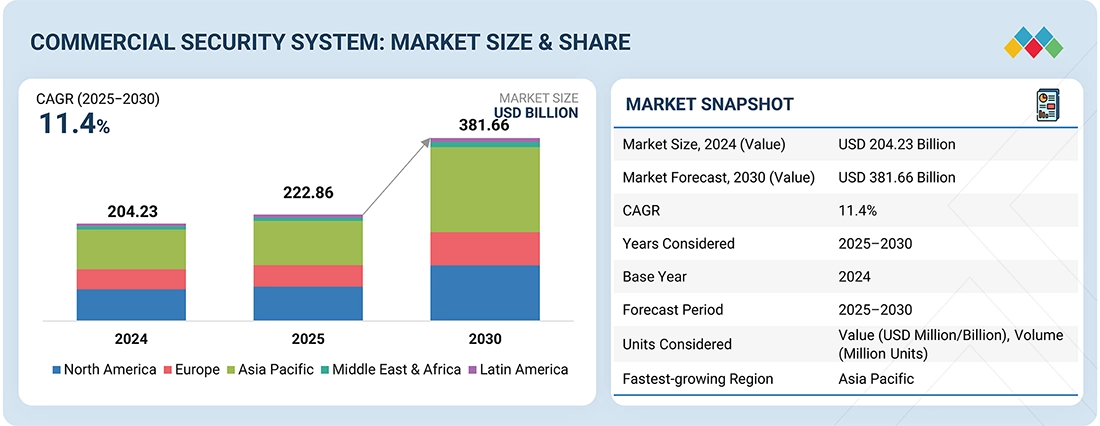
The Commercial Security System Market is undergoing a significant transformation as organizations increasingly adopt connected security ecosystems to improve protection, operational efficiency, and situational awareness. Traditional security systems often operated as standalone solutions, with surveillance cameras, access control systems, intrusion alarms, visitor management tools, and monitoring platforms functioning independently. However, the growing demand for integrated and intelligent security management has accelerated the development of connected security ecosystems that bring multiple technologies together into unified environments. These interconnected systems provide real-time visibility, centralized management, advanced analytics, and automated responses, creating new opportunities for growth within the commercial security system market.
One of the primary factors driving the adoption of connected security ecosystems is the need for comprehensive security visibility. Modern organizations operate across multiple facilities, locations, and operational environments that require constant monitoring and coordination. Connected security ecosystems allow businesses to consolidate information from various security devices and platforms into a single management interface. This centralized visibility improves decision-making, strengthens threat detection capabilities, and enables more efficient security operations.
The integration of video surveillance systems with other security technologies is a key trend shaping the market. Surveillance cameras now work alongside access control systems, intrusion detection devices, environmental sensors, and communication platforms to provide a complete picture of facility activities. Security personnel can correlate data from multiple sources, helping them understand incidents more quickly and respond more effectively. This integrated approach significantly enhances security performance while reducing operational complexity.
Artificial intelligence is playing a major role in advancing connected security ecosystems. AI-powered platforms can process and analyze large volumes of data generated by connected security devices in real time. These systems automatically identify unusual activities, recognize behavioral anomalies, detect unauthorized access attempts, and generate actionable alerts. The integration of artificial intelligence allows connected ecosystems to move beyond reactive monitoring and support more proactive security management strategies.
Download PDF Brochure @ https://www.marketsandmarkets.com/pdfdownloadNew.asp?id=234307144
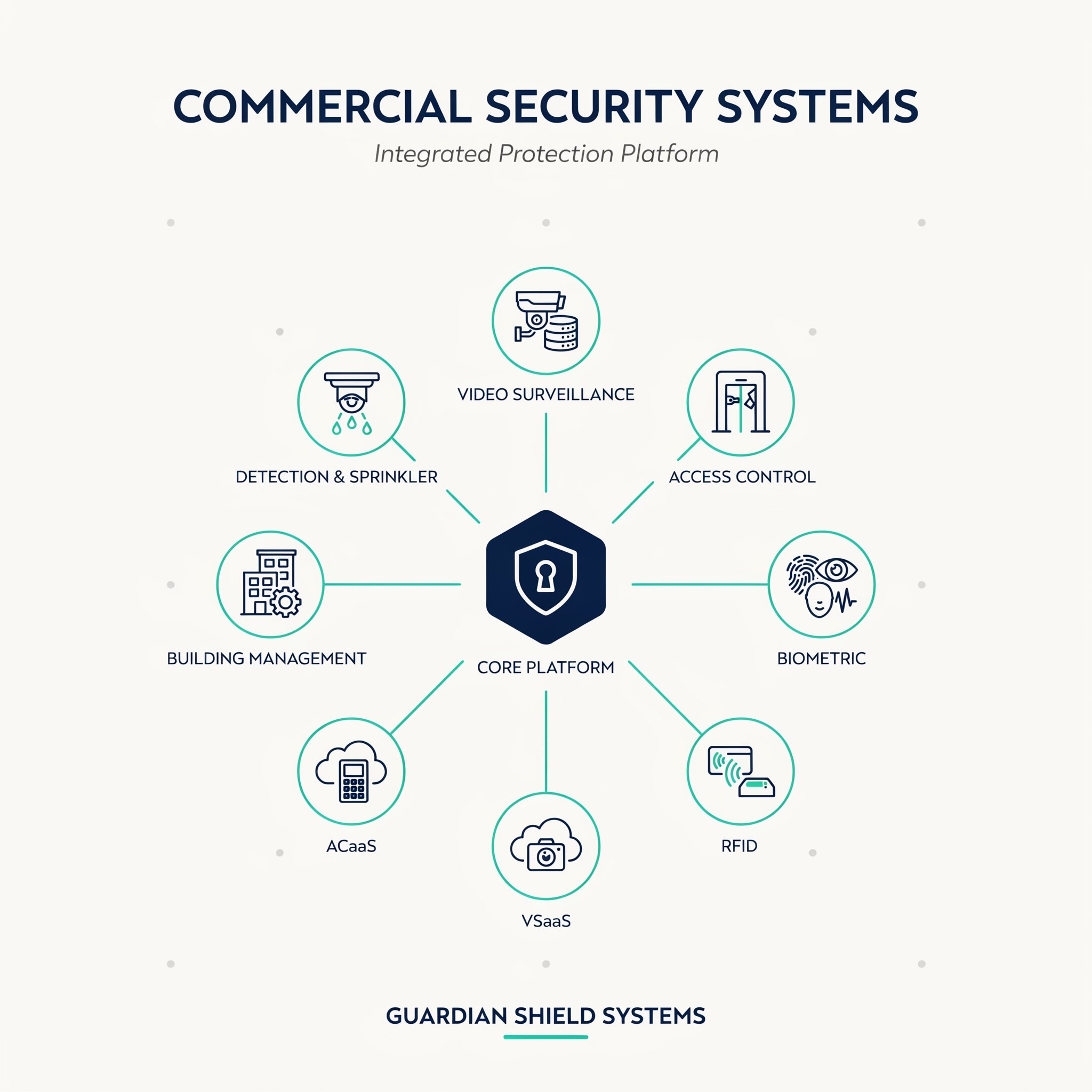
The Internet of Things is a critical enabler of connected security environments. IoT devices such as smart cameras, access readers, motion sensors, environmental monitors, occupancy trackers, and emergency communication systems continuously collect and exchange information. These connected devices create highly responsive security networks capable of adapting to changing conditions and operational requirements. The growing deployment of IoT technologies is accelerating the adoption of connected security ecosystems across commercial sectors.
Access control integration is another important trend contributing to market growth. Modern connected security systems combine access management with surveillance, visitor tracking, and identity verification technologies. When access events occur, security platforms can automatically trigger related actions such as video recording, alert generation, or activity logging. This coordinated functionality improves both security effectiveness and operational efficiency, making connected ecosystems increasingly attractive for organizations seeking comprehensive security solutions.
Cloud-based technologies are further driving the evolution of connected security ecosystems. Cloud platforms provide the infrastructure needed to connect multiple security devices, locations, and management systems through centralized environments. Organizations can monitor facilities remotely, access real-time information, and manage security operations across large geographic areas. Cloud connectivity enhances scalability while reducing infrastructure costs, making connected ecosystems more accessible to businesses of all sizes.
Smart buildings are becoming major adopters of connected security technologies. Modern commercial buildings integrate surveillance systems, access controls, building automation platforms, energy management systems, and environmental monitoring tools into unified ecosystems. Security systems within these environments not only protect facilities but also contribute to operational intelligence and building optimization. The growth of smart building initiatives is creating strong demand for connected security solutions capable of supporting multiple functions simultaneously.
Inquiry Before Buying @ https://www.marketsandmarkets.com/Enquiry_Before_BuyingNew.asp?id=234307144
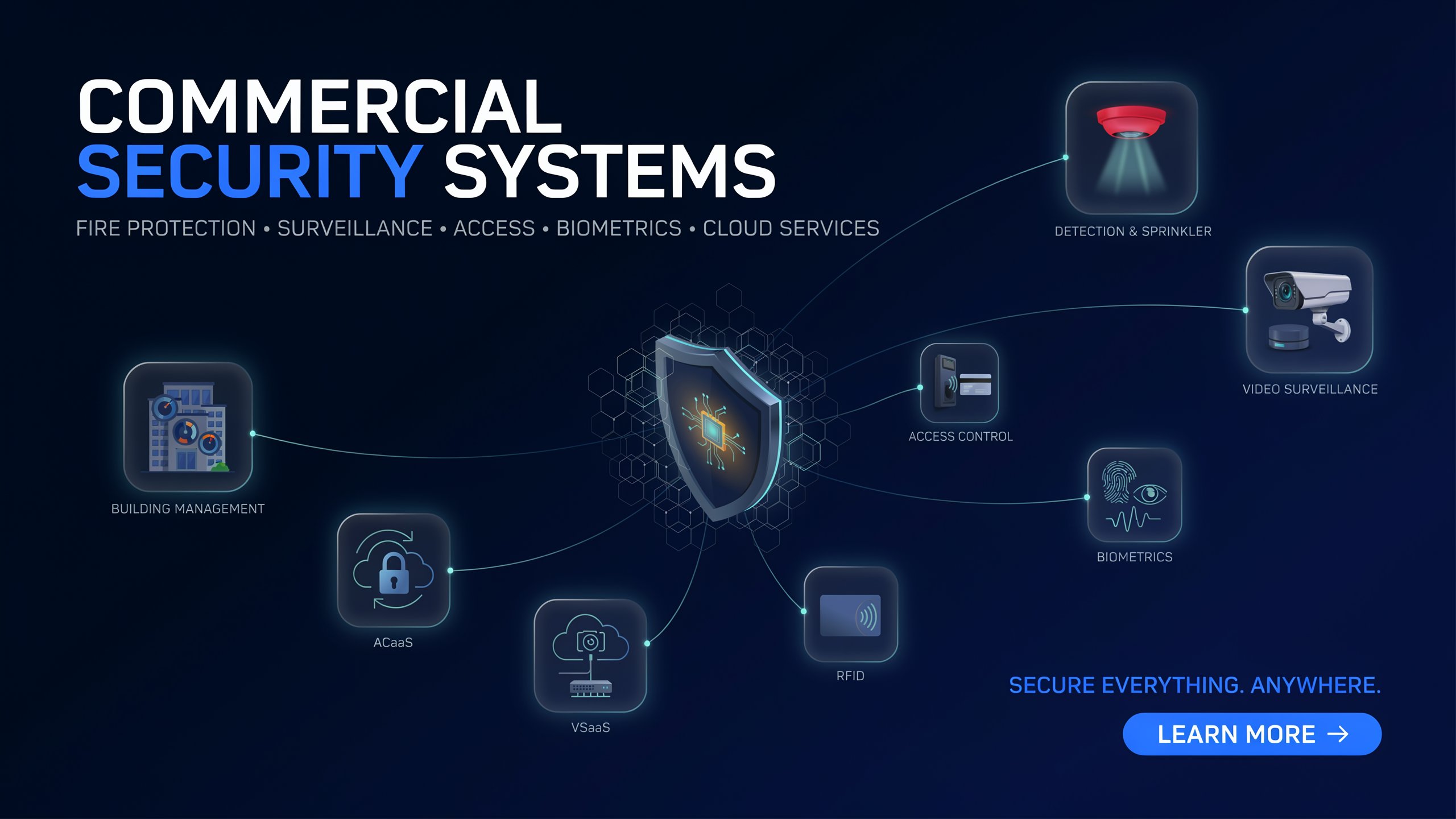
Retail organizations are increasingly implementing connected security ecosystems to address both security and operational objectives. Integrated platforms help retailers monitor customer activity, manage employee access, protect inventory, and improve loss prevention efforts. Security data can also be used to analyze customer traffic patterns and optimize store operations. This combination of security intelligence and business analytics is driving adoption throughout the retail sector.
Healthcare facilities are leveraging connected security ecosystems to improve safety and operational coordination. Hospitals and healthcare campuses require secure access management, patient protection, staff safety, and emergency response capabilities. Connected security systems integrate surveillance, access controls, visitor management, and communication platforms to provide comprehensive oversight. These technologies help healthcare organizations maintain secure environments while improving operational efficiency.
Educational institutions are another important market segment adopting connected security ecosystems. Schools, universities, and research facilities often manage large campuses with diverse security requirements. Integrated security platforms provide centralized monitoring, access management, emergency communication, and incident response capabilities. These connected environments enhance campus safety while simplifying security administration.
Industrial and manufacturing facilities are increasingly utilizing connected security technologies to protect assets, infrastructure, and personnel. Connected ecosystems allow industrial organizations to integrate physical security with operational monitoring systems, creating more comprehensive risk management strategies. The ability to monitor facility conditions, access activities, equipment performance, and security events through unified platforms is becoming highly valuable.
View detailed Table of Content here – https://www.marketsandmarkets.com/Market-Reports/commercial-security-system-market-234307144.html
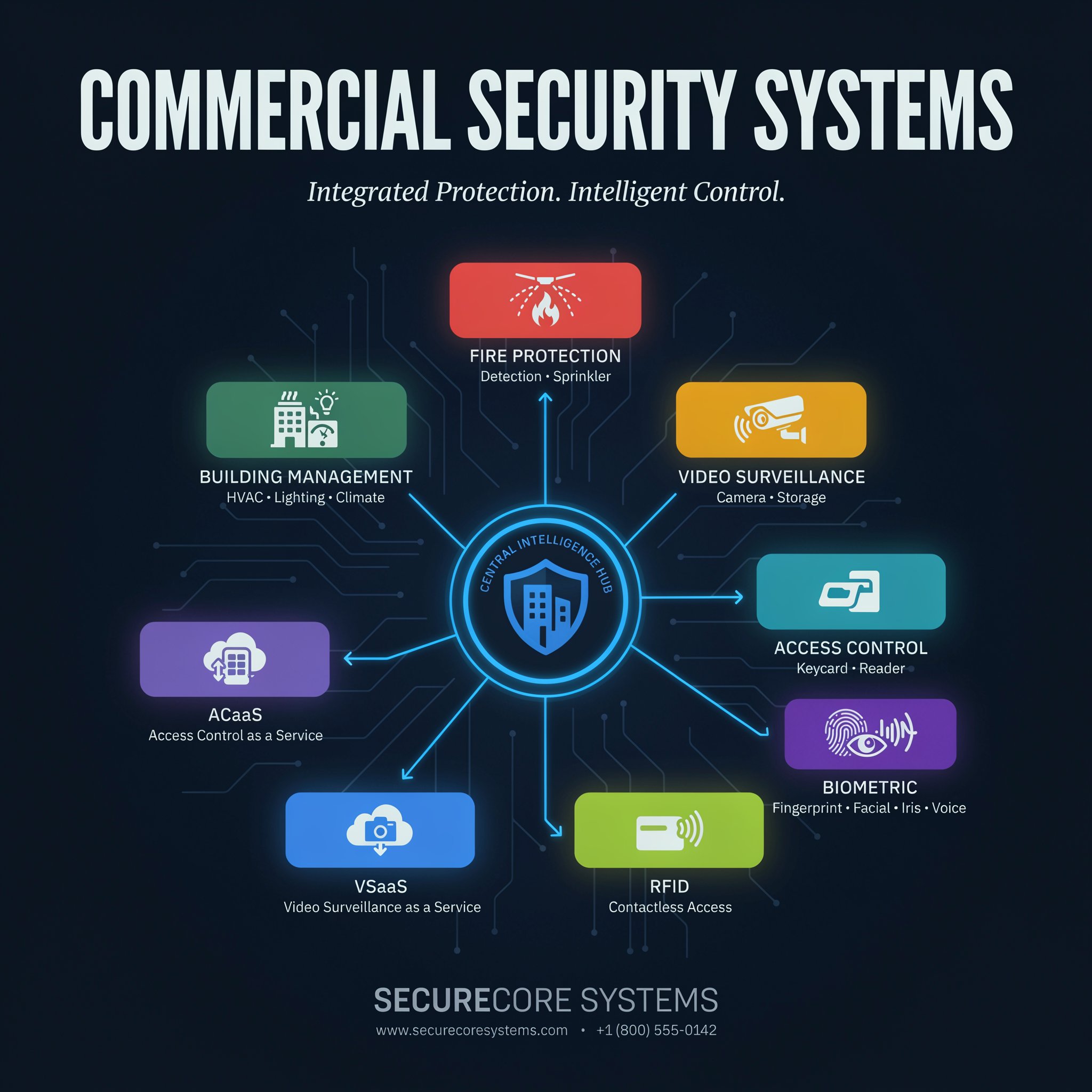
Data analytics represents one of the most important benefits of connected security ecosystems. Security systems generate enormous amounts of information that can be analyzed to identify patterns, improve resource allocation, and optimize security operations. Advanced analytics platforms transform raw security data into actionable intelligence, helping organizations strengthen risk management and improve overall performance.
Cybersecurity integration is becoming increasingly important within connected ecosystems. As security devices become more interconnected, organizations must protect both physical and digital assets. Modern connected security platforms increasingly incorporate cybersecurity capabilities that safeguard communication networks, connected devices, and sensitive information. This convergence of physical security and cybersecurity supports more comprehensive protection strategies.
Predictive security is emerging as a major trend enabled by connected ecosystems. By analyzing data from multiple sources, advanced platforms can identify emerging risks and forecast potential threats before incidents occur. This predictive capability helps organizations implement preventive measures and improve overall security readiness.
Looking ahead, connected security ecosystems will remain a major driver of growth within the Commercial Security System Market. Continued advancements in artificial intelligence, IoT connectivity, cloud computing, data analytics, and integrated security management will further enhance ecosystem capabilities. As organizations increasingly seek centralized, intelligent, and scalable approaches to security management, connected security ecosystems will play a central role in shaping the future of commercial security across industries worldwide.