
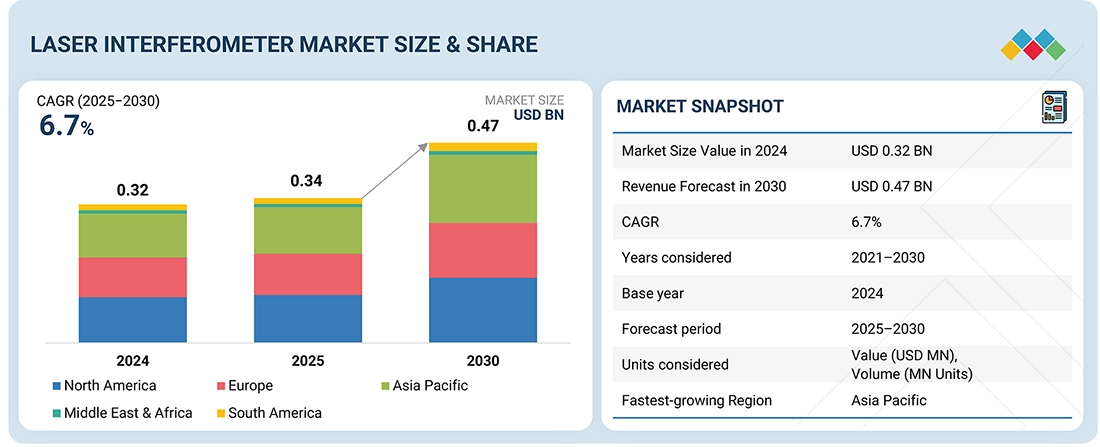
The Laser Interferometer Market is poised for sustained growth as industries increasingly focus on performance optimization and cost efficiency to remain competitive in rapidly evolving manufacturing and industrial environments. Precision measurement technologies have become essential tools for organizations seeking to improve product quality, maximize equipment utilization, reduce operational expenses, and enhance overall productivity. Laser interferometers, renowned for their exceptional accuracy and reliability, are playing an increasingly important role in helping manufacturers achieve these objectives. As production processes become more sophisticated and quality standards continue to tighten, the demand for advanced metrology solutions that support both operational excellence and cost-effective manufacturing is expected to rise significantly.
One of the primary drivers influencing the market outlook is the growing emphasis on manufacturing precision. In industries such as aerospace, automotive, semiconductor manufacturing, medical devices, and industrial machinery, even minor dimensional inaccuracies can lead to product defects, production delays, and increased costs. Laser interferometers provide highly accurate measurements that enable manufacturers to maintain tight tolerances and optimize production processes. By reducing variability and improving consistency, these systems help organizations achieve higher levels of operational performance while minimizing costly errors.
Performance optimization has become a strategic priority for manufacturers seeking to improve efficiency and maximize return on investment. Laser interferometers contribute directly to this objective by enabling precise machine calibration, equipment verification, and process monitoring. Accurate measurement data allows manufacturers to identify inefficiencies, optimize machine settings, and improve production outcomes. As companies increasingly adopt data-driven manufacturing strategies, laser interferometers are becoming valuable assets for enhancing operational performance.
Download PDF Brochure @ https://www.marketsandmarkets.com/pdfdownloadNew.asp?id=83973072
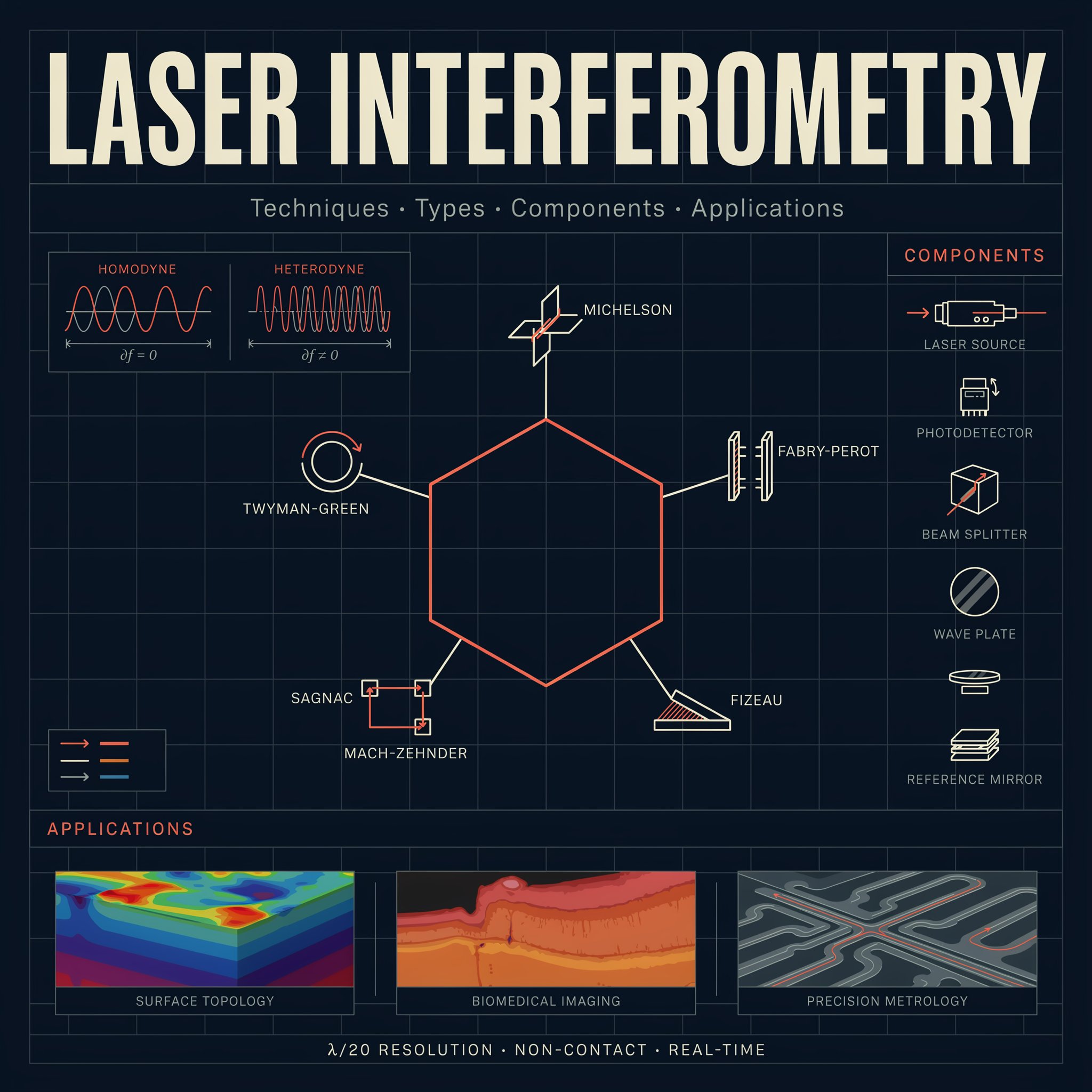
Machine tool calibration remains one of the most important applications supporting market growth. Manufacturing equipment must operate within precise specifications to produce high-quality components consistently. Laser interferometers are widely used to measure positioning accuracy, linear displacement, and motion control performance. Regular calibration helps ensure that equipment performs optimally while reducing the likelihood of defects and rework. Improved machine accuracy contributes to greater productivity and lower operational costs, making interferometric measurement systems highly valuable in modern production environments.
Cost efficiency is another major factor shaping the future of the laser interferometer market. Manufacturers face increasing pressure to reduce expenses while maintaining product quality and production capacity. Laser interferometers help achieve this balance by minimizing waste, improving process control, and reducing downtime. Accurate measurements enable early detection of deviations, allowing manufacturers to implement corrective actions before costly production issues occur. This proactive approach reduces scrap rates, lowers material consumption, and enhances overall resource utilization.
The adoption of Industry 4.0 technologies is accelerating the role of laser interferometers in performance optimization initiatives. Smart factories rely on interconnected systems, real-time monitoring, and advanced analytics to improve operational efficiency. Laser interferometers provide critical measurement data that supports automated quality control, predictive maintenance, and process optimization. Integration with digital manufacturing platforms enables organizations to gain deeper insights into equipment performance and production processes. This connectivity enhances decision-making and supports continuous improvement efforts.
Predictive maintenance is becoming increasingly important as manufacturers seek to reduce unexpected equipment failures and minimize downtime. Laser interferometers continuously monitor machine performance and detect subtle changes that may indicate developing issues. By providing accurate and timely measurement data, these systems support predictive maintenance programs that help organizations address potential problems before they impact production. Reduced downtime translates into significant cost savings and improved operational efficiency.
Inquiry Before Buying @ https://www.marketsandmarkets.com/Enquiry_Before_BuyingNew.asp?id=83973072
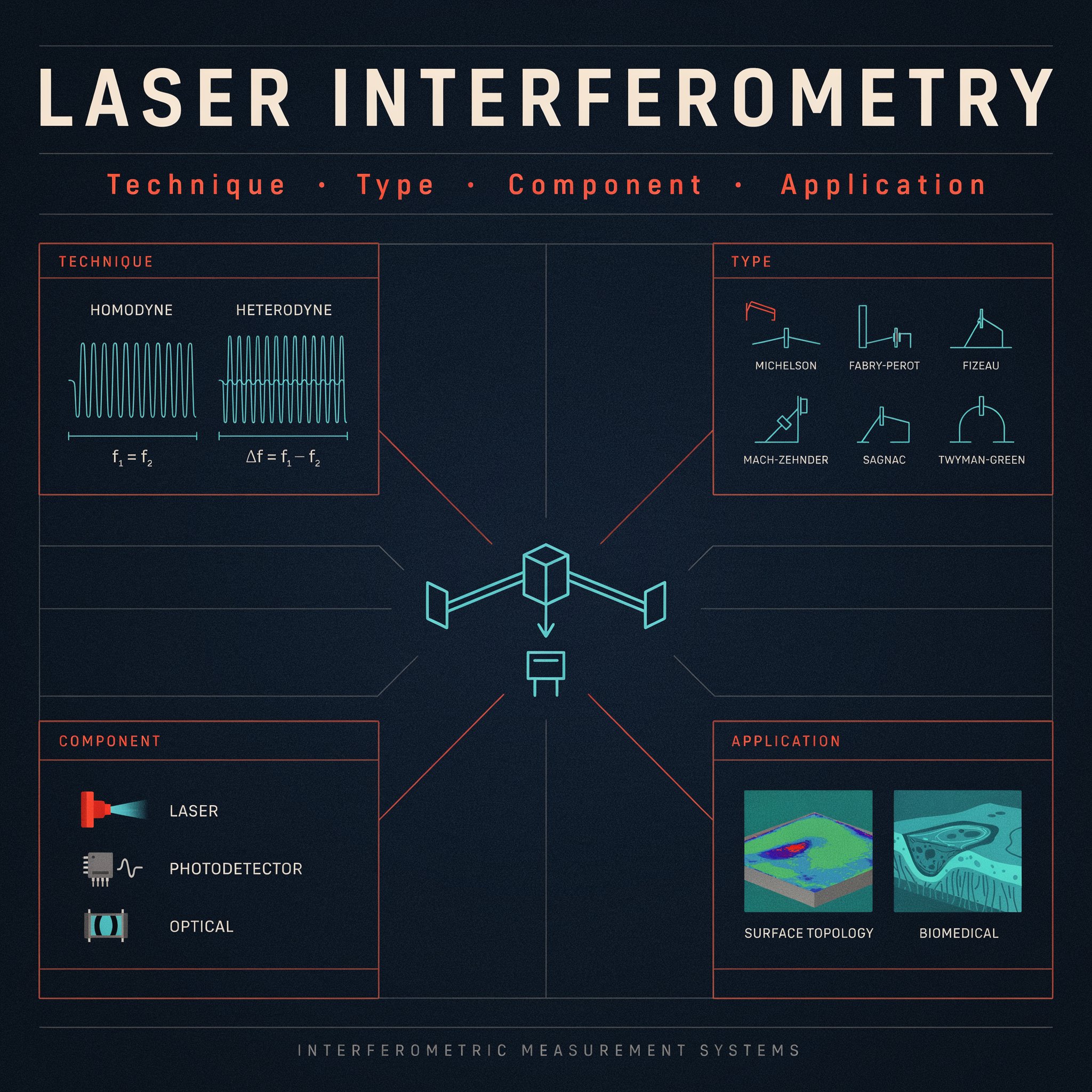
The semiconductor industry is a key beneficiary of performance optimization technologies. Semiconductor manufacturing requires extraordinary levels of precision and process control. Laser interferometers play a critical role in wafer positioning, lithography calibration, and equipment alignment. Their ability to deliver nanometer-level accuracy helps semiconductor manufacturers maintain production quality while optimizing throughput and reducing waste. As semiconductor demand continues to expand globally, precision measurement technologies will remain essential for supporting efficient manufacturing operations.
Automotive manufacturers are also increasingly leveraging laser interferometer systems to improve production efficiency. The transition toward electric vehicles, advanced driver assistance systems, and lightweight materials has increased manufacturing complexity. Laser interferometers help optimize machining operations, verify component dimensions, and ensure assembly accuracy. These capabilities support higher productivity and improved quality while reducing manufacturing costs.
Artificial intelligence and advanced analytics are enhancing the value of interferometric measurement systems. Modern laser interferometers generate large volumes of operational data that can be analyzed using AI-powered software platforms. These systems identify performance trends, predict equipment issues, and recommend process improvements. By transforming measurement data into actionable insights, intelligent analytics help manufacturers achieve greater efficiency and optimize production performance.
Scalability is another important consideration influencing market adoption. Modern manufacturing organizations often operate multiple facilities and complex production networks. Laser interferometer systems are increasingly designed to support scalable deployment across large industrial environments. Centralized monitoring and data management capabilities allow organizations to standardize quality control processes and optimize operations across multiple locations. This scalability improves efficiency while reducing administrative and operational costs.
View detailed Table of Content here – https://www.marketsandmarkets.com/Market-Reports/laser-interferometer-market-83973072.html
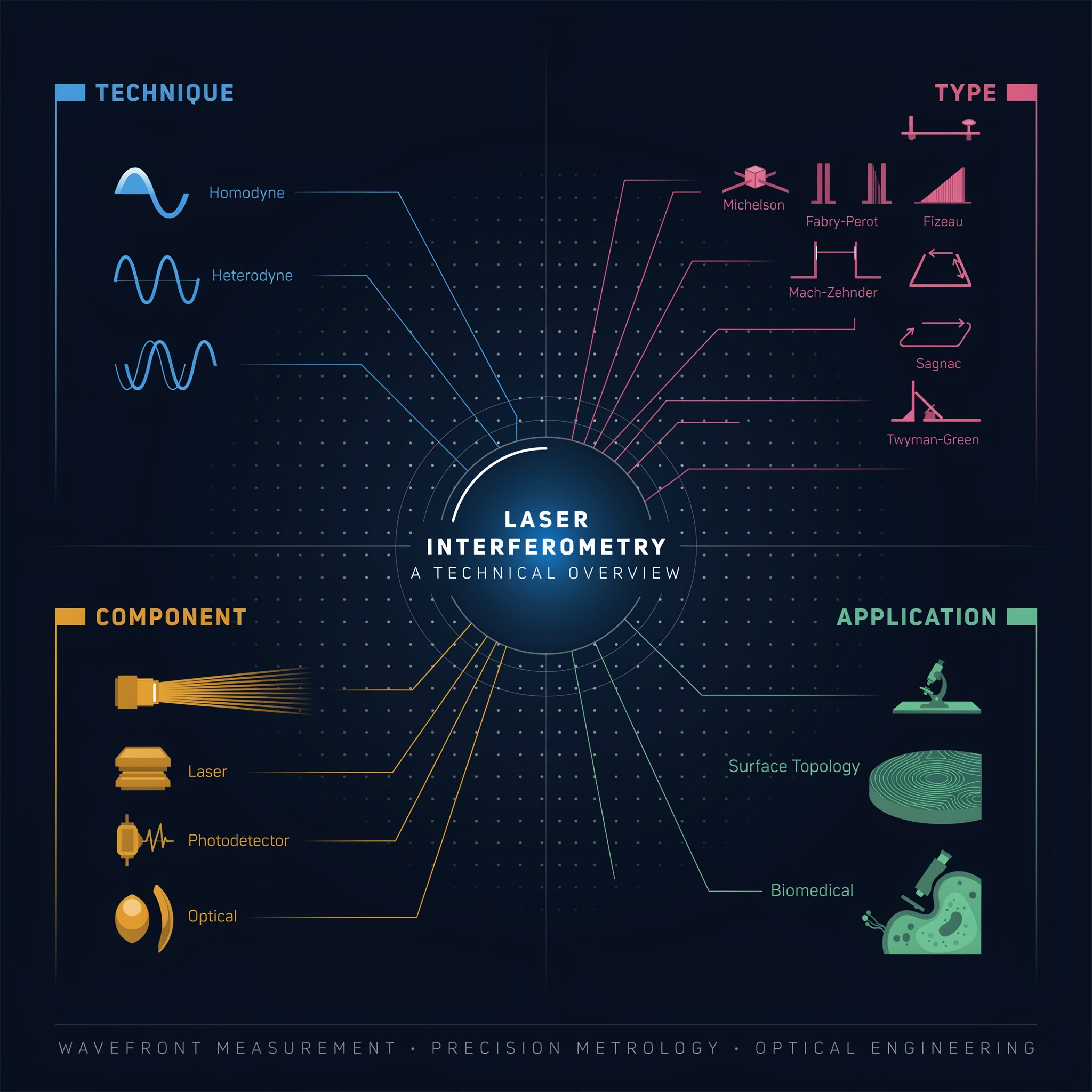
The aerospace industry continues to drive demand for high-performance metrology solutions. Aerospace manufacturers require precise measurements throughout machining, assembly, and inspection processes to ensure compliance with stringent quality standards. Laser interferometers help optimize manufacturing performance while minimizing costly rework and material waste. Their ability to support complex production requirements contributes to both operational excellence and cost efficiency.
Energy efficiency is becoming an increasingly important aspect of performance optimization strategies. Well-calibrated equipment typically consumes less energy and operates more efficiently. Laser interferometers help maintain optimal machine performance by ensuring accurate alignment and positioning. These improvements contribute to lower energy consumption, reduced operating costs, and enhanced sustainability outcomes.
Advancements in optical technologies, signal processing, and environmental compensation are further improving the performance of laser interferometer systems. Modern instruments offer greater accuracy, faster measurement speeds, and improved reliability under varying environmental conditions. These innovations enhance operational effectiveness while reducing maintenance requirements and ownership costs.
Looking ahead, the laser interferometer industry is expected to benefit from continued investment in performance optimization and cost-efficiency initiatives. Manufacturers across industries are increasingly seeking precision measurement solutions that support productivity improvements, quality enhancement, and operational savings. The integration of laser interferometers with smart manufacturing systems, artificial intelligence, predictive maintenance platforms, and digital analytics tools will further strengthen their value proposition. As organizations continue pursuing greater efficiency and competitiveness, laser interferometers will remain essential technologies supporting high-performance manufacturing and long-term cost optimization strategies.