
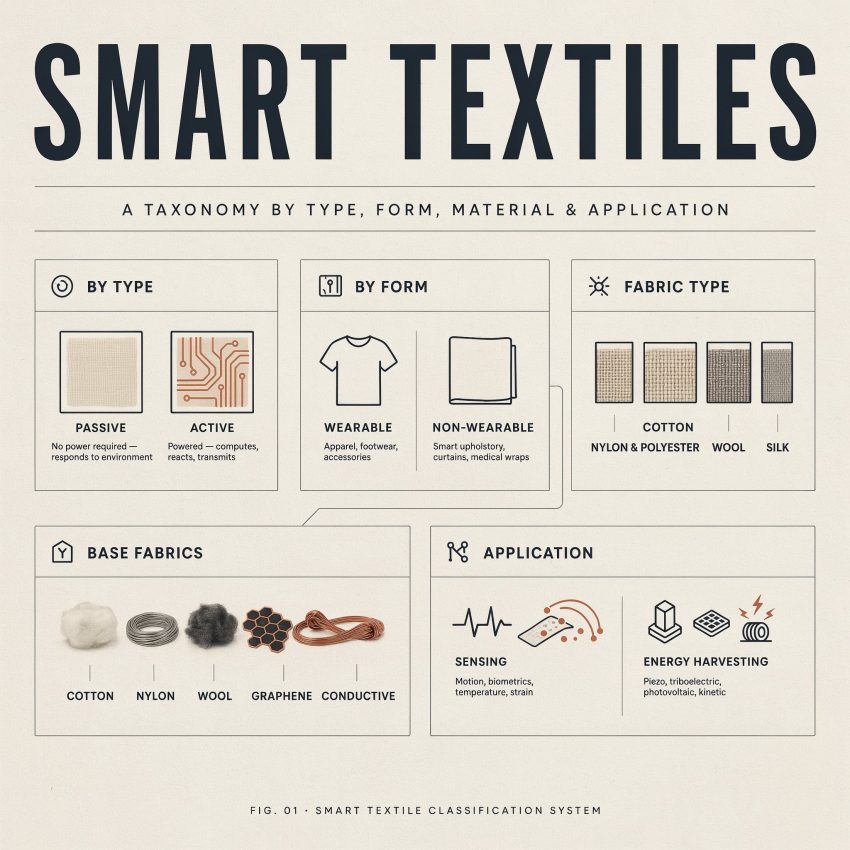
The Smart Textiles Market is experiencing strong growth as high-performance wearable solutions continue to redefine the capabilities of modern fabrics and wearable technologies. Smart textiles integrate advanced materials, sensors, electronics, communication systems, and data analytics into textile structures, creating intelligent fabrics capable of monitoring, analyzing, and responding to various physiological and environmental conditions. High-performance wearable solutions represent one of the most dynamic segments within the market, driven by increasing demand for enhanced functionality, real-time monitoring, connectivity, and user comfort. As industries seek innovative ways to improve health, safety, productivity, and performance, smart textiles are emerging as a critical technology supporting next-generation wearable applications.
One of the primary factors driving the adoption of high-performance wearable solutions is the growing demand for continuous health monitoring. Traditional wearable devices such as smartwatches and fitness bands provide valuable information, but smart textiles offer a more integrated and comfortable alternative. Intelligent garments embedded with sensors can continuously track vital signs including heart rate, respiration, body temperature, blood oxygen levels, and movement patterns. Because these sensors are incorporated directly into fabric structures, users can benefit from seamless monitoring without the inconvenience of separate devices. This capability is transforming healthcare, wellness, and personal fitness applications.
The healthcare industry remains one of the most important sectors utilizing high-performance wearable textile solutions. Smart garments designed for medical applications enable real-time patient monitoring in hospitals, rehabilitation centers, and home care environments. These wearable systems provide healthcare professionals with continuous access to critical physiological data, supporting early diagnosis, preventive care, and remote patient management. As healthcare systems increasingly embrace digital health strategies and telemedicine services, high-performance smart textiles are becoming essential tools for improving patient outcomes and reducing healthcare costs.
Download PDF Brochure @ https://www.marketsandmarkets.com/pdfdownloadNew.asp?id=13764132
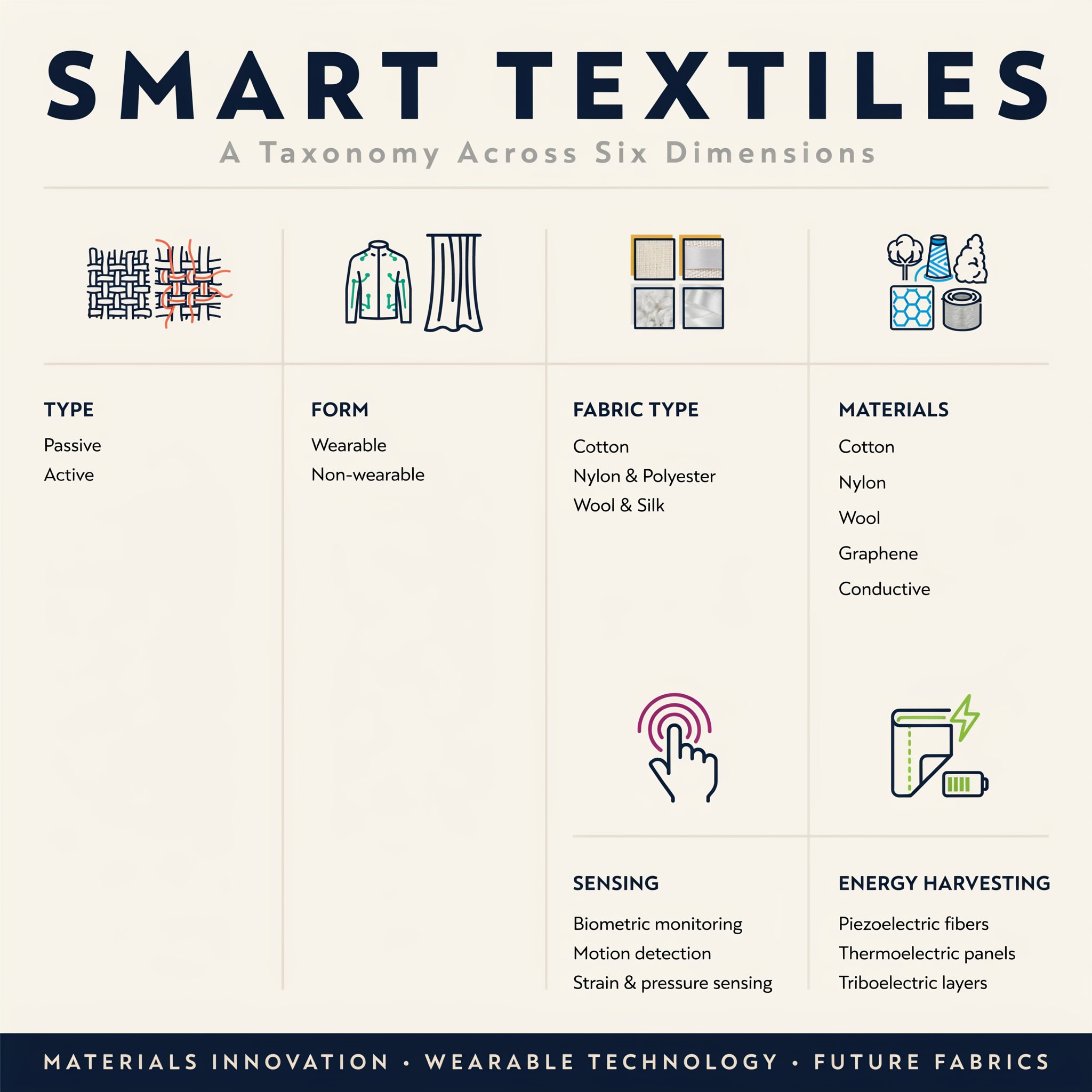
Sports and fitness applications are another major contributor to market growth. Athletes, coaches, and fitness enthusiasts are increasingly relying on smart textile technologies to optimize performance and improve training effectiveness. High-performance wearable garments can monitor muscle activity, body mechanics, posture, hydration levels, fatigue indicators, and recovery patterns. Real-time performance analytics help users make informed adjustments to training programs while minimizing injury risks. The growing emphasis on data-driven sports performance is creating significant opportunities for advanced wearable textile solutions.
Advancements in sensor technology are playing a crucial role in the development of high-performance smart textiles. Modern sensors are becoming smaller, lighter, more flexible, and more energy-efficient, making them suitable for seamless integration into fabrics. These sensors can accurately measure a wide range of physiological and environmental parameters while maintaining wearer comfort. Enhanced sensor performance is expanding the capabilities of wearable solutions and enabling more sophisticated applications across multiple industries.
Artificial intelligence is significantly enhancing the value of high-performance wearable systems. Smart textiles generate large volumes of data that can be analyzed using AI-powered algorithms and machine learning models. These technologies identify patterns, detect anomalies, and provide personalized recommendations based on individual user behavior. In healthcare applications, AI can predict potential health risks and support early intervention. In sports and fitness, machine learning algorithms help optimize performance and recovery strategies. The integration of artificial intelligence is transforming wearable textiles into intelligent decision-support systems.
Inquiry Before Buying @ https://www.marketsandmarkets.com/Enquiry_Before_BuyingNew.asp?id=13764132
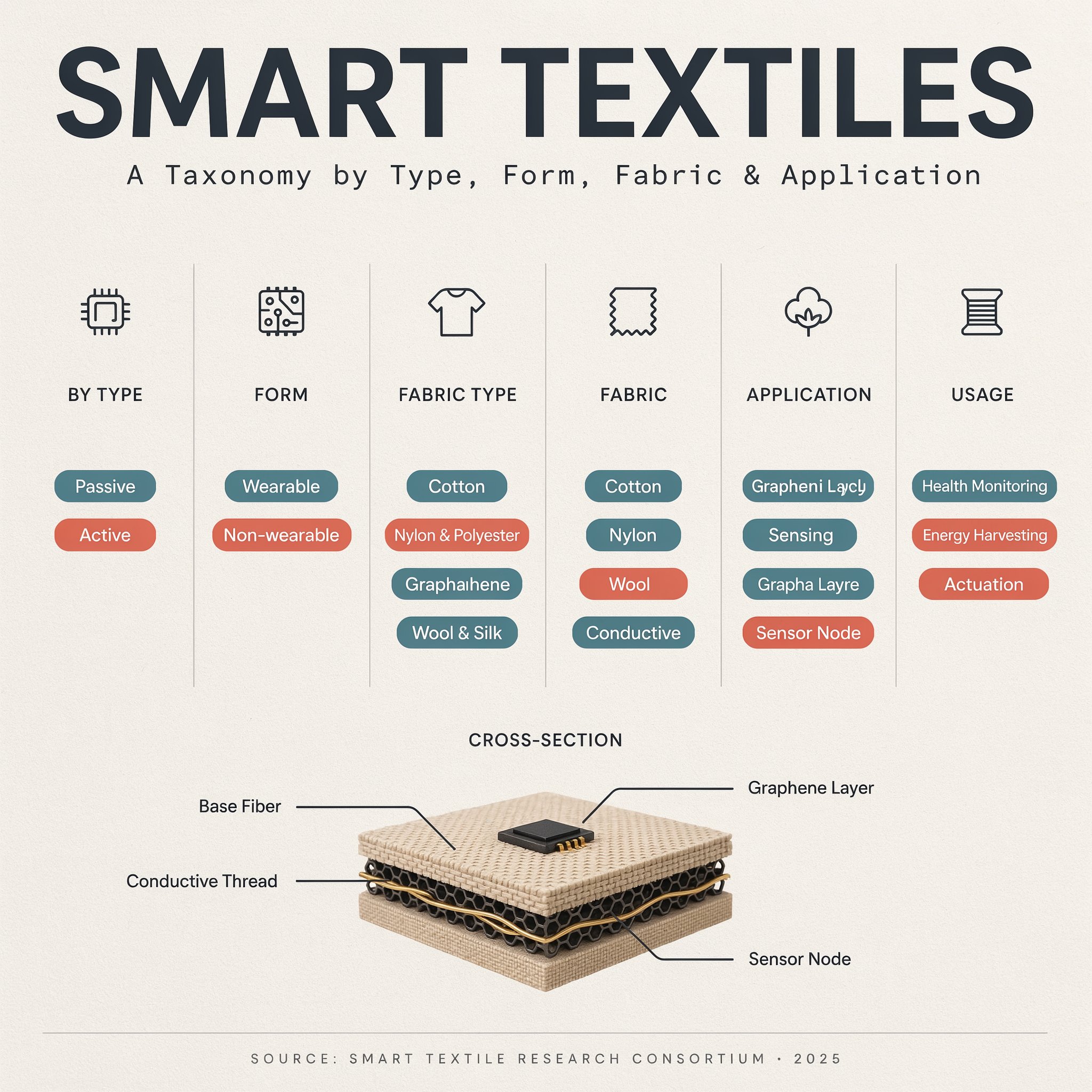
The increasing adoption of Internet of Things technologies is further accelerating market growth. High-performance wearable textiles are often designed to connect with smartphones, cloud platforms, healthcare systems, industrial networks, and other digital ecosystems. This connectivity enables real-time data transmission, remote monitoring, and centralized management of wearable devices. IoT integration enhances the functionality and scalability of smart textile solutions while creating opportunities for more comprehensive digital experiences.
Industrial safety applications represent a rapidly growing area for high-performance wearable solutions. Workers operating in hazardous environments require continuous monitoring to ensure their safety and well-being. Smart textiles equipped with biometric sensors, environmental monitoring systems, and communication technologies provide real-time information regarding worker conditions and potential risks. These intelligent garments help organizations reduce workplace accidents, improve regulatory compliance, and enhance operational efficiency. Industries such as manufacturing, construction, mining, and energy are increasingly adopting wearable textile technologies to strengthen safety programs.
The defense and military sector continues to drive innovation in high-performance wearable textiles. Modern military uniforms are evolving into intelligent systems capable of monitoring soldier health, tracking environmental conditions, supporting communication networks, and enhancing situational awareness. These advanced wearable solutions improve operational effectiveness while helping protect personnel in demanding environments. Ongoing investments in military modernization programs are contributing to the development of increasingly sophisticated textile technologies.
Material science innovations are supporting the advancement of high-performance wearable solutions. Conductive fibers, advanced polymers, nanomaterials, and flexible electronic components are enabling the creation of smart textiles that combine functionality with comfort and durability. These materials improve sensor performance, enhance connectivity, and increase resistance to wear and environmental conditions. As material technologies continue to evolve, wearable solutions are becoming more reliable and suitable for long-term use.
View detailed Table of Content here – https://www.marketsandmarkets.com/Market-Reports/smart-textiles-market-13764132.html
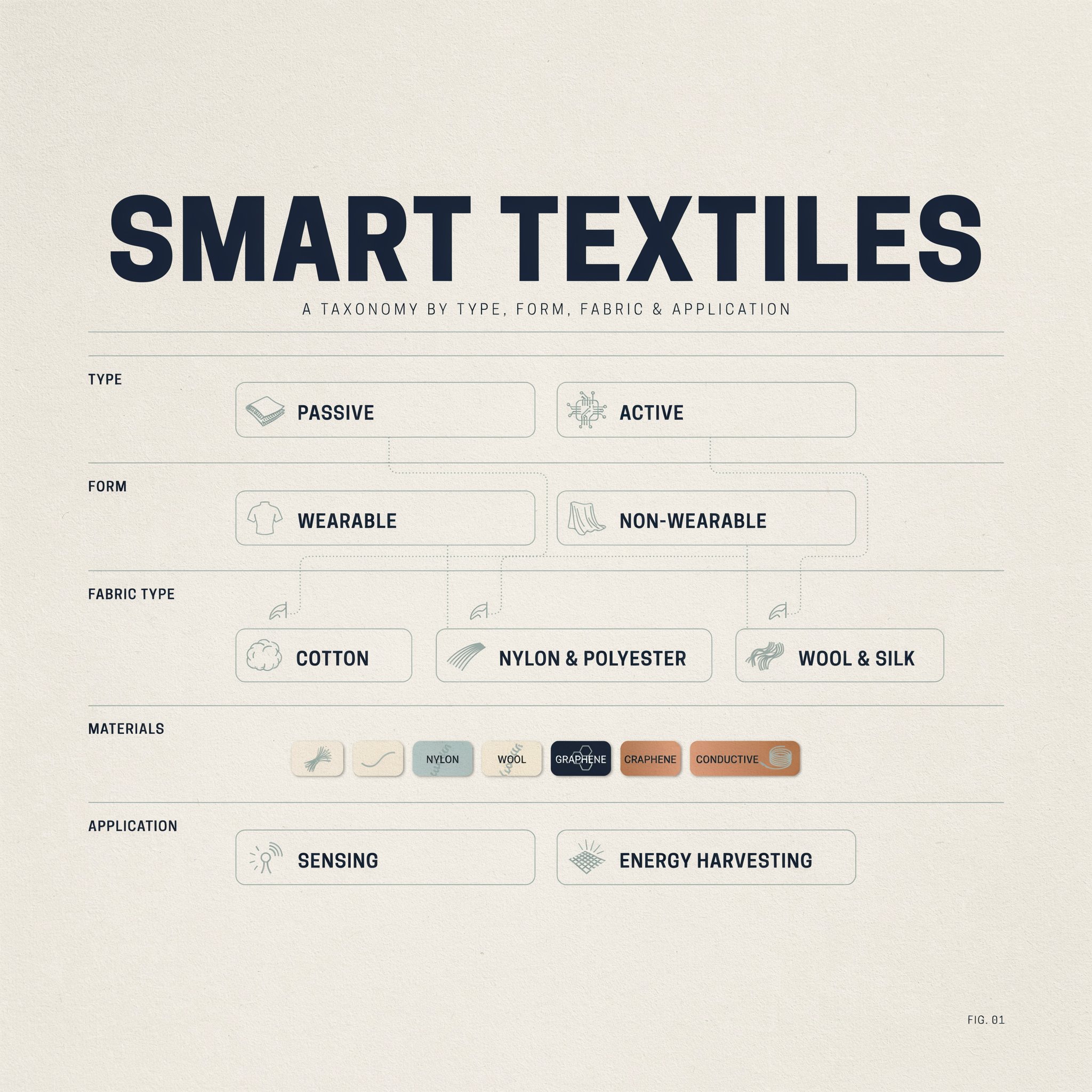
Energy management remains a key focus area within the smart textiles market. Researchers are developing wearable systems capable of harvesting energy from body heat, movement, sunlight, and ambient environmental sources. These energy-harvesting technologies reduce dependence on conventional batteries and support longer operating lifespans for wearable devices. Self-powered smart textiles improve convenience and contribute to the broader adoption of high-performance wearable solutions.
The automotive sector is also exploring opportunities for wearable textile technologies. Smart garments and textile-integrated monitoring systems can support driver health monitoring, passenger comfort management, and enhanced safety functions. As connected and autonomous mobility solutions continue to evolve, wearable technologies are expected to play an increasingly important role in transportation ecosystems.
Sustainability considerations are becoming increasingly important within high-performance wearable development. Manufacturers are investing in environmentally friendly materials, recyclable components, and energy-efficient production processes. Sustainable innovation aligns with consumer expectations and supports the long-term growth of the smart textiles market.
Looking ahead, high-performance wearable solutions will continue to drive innovation and expansion within the smart textiles market. Advances in sensor technology, artificial intelligence, IoT connectivity, flexible electronics, energy harvesting, and advanced materials will further enhance wearable capabilities. As industries and consumers increasingly seek intelligent, connected, and data-driven solutions, smart textiles will become a central component of future healthcare, sports, industrial safety, defense, and consumer technology ecosystems, supporting sustained market growth and technological advancement.